What Is Tailgate Hinges? Types, Uses, and Replacement
When people ask what is tailgate hinges, they usually want to understand the small parts that support a large moving panel. A tailgate hinge connects the tailgate to the vehicle frame and creates a controlled pivot point for movement.
From my experience studying vehicle hardware, many tailgate problems start with worn hinges rather than the tailgate panel itself. A quality hinge helps maintain proper alignment, reduces stress on other parts, and keeps daily loading tasks easier for American truck and SUV owners.

What Is Tailgate Hinges and How Do They Work?
What is tailgate hinges can be explained simply: they are mechanical joints that support a tailgate and allow it to rotate. Most hinges use strong metal parts that handle the weight of the tailgate during opening and closing.
A tailgate hinge works through a pivot system. The hinge attaches to both the vehicle body and the tailgate, allowing smooth movement while keeping the panel in the correct position.

- ✦ Supports tailgate weight
Tailgate hinges carry the load of the tailgate and help prevent bending or uneven movement.
- ✦ Controls movement
The hinge creates a stable rotation point for opening and closing the tailgate.
- ✦ Maintains alignment
Proper hinges help keep gaps even and prevent the tailgate from sitting crooked.
Main Parts of a Tailgate Hinge
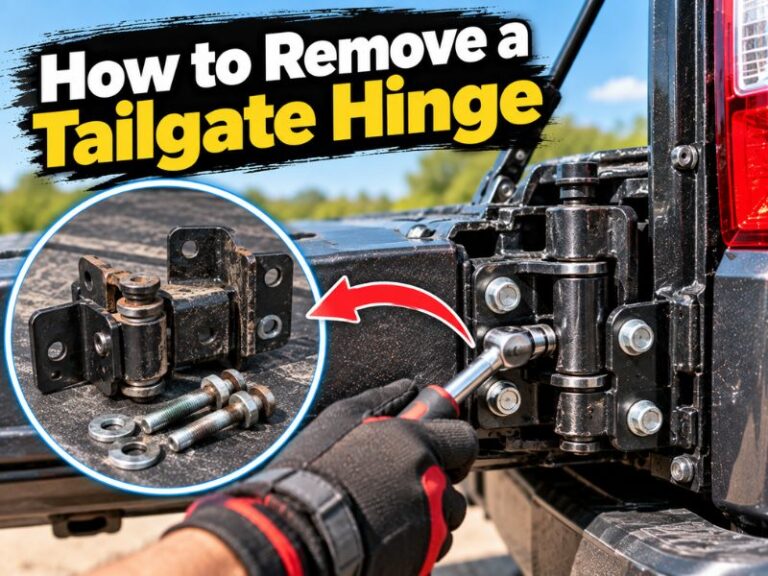
A tailgate hinge usually includes a mounting plate, pivot point, and connecting hardware. Some designs also include bushings or protective coatings to improve durability.
Heavy-duty truck and Jeep models may use reinforced hinges because their tailgates often handle more weight and outdoor use.
- ✦ Mounting brackets
These secure the hinge to the vehicle and provide a stable connection.
- ✦ Pivot mechanism
This section allows the tailgate to swing smoothly.
Why Are Tailgate Hinges Important?
Understanding what is tailgate hinges also means understanding their role in vehicle safety and convenience. Without working hinges, a tailgate may become difficult to open, close, or secure.
For many U.S. drivers, trucks are used for hauling tools, outdoor equipment, and supplies. Reliable tailgate hinges make these everyday tasks easier and help protect the vehicle from unnecessary wear.

- ✦ Improves safety
Strong hinges help keep the tailgate attached and properly supported.
- ✦ Protects vehicle parts
Good hinges reduce stress on latches, panels, and mounting areas.
- ✦ Provides smoother operation
Well-maintained hinges allow easier opening and closing.
Signs Your Tailgate Hinges Need Attention
Worn tailgate hinges often show clear warning signs. Drivers may notice unusual movement, noise, rust, or difficulty closing the tailgate correctly.
Checking these issues early can help avoid larger repairs and keep the tailgate working as designed.
- ✦ Loose tailgate movement
Excess movement may indicate worn hinge parts or damaged mounting points.
- ✦ Squeaking or grinding sounds
Noise can appear when hinge surfaces lose lubrication or develop rust.
Common Types of Tailgate Hinges
What is tailgate hinges can vary depending on the vehicle design. Manufacturers use different hinge styles to match weight, function, and installation needs.
Truck owners, Jeep owners, and trailer users may find different hinge systems based on how they use their vehicles.

- ✦ Factory-style hinges
These replace original equipment hinges and usually match the vehicle’s standard design.
- ✦ Heavy-duty hinges
These are built for extra strength and demanding work conditions.
- ✦ Custom aftermarket hinges
These offer upgraded materials, finishes, or improved durability.
Truck and Jeep Tailgate Hinges
Truck and Jeep models often need durable tailgate hinges because owners may use them for towing, camping, work, and off-road activities.
Many aftermarket options use stainless steel or reinforced materials to improve resistance against weather and daily wear.
- ✦ Off-road durability
Strong hinge designs help handle vibration and outdoor conditions.
What Causes Tailgate Hinge Problems?
Several factors can damage tailgate hinges over time. Weather exposure, heavy loads, rust, and repeated use can slowly reduce hinge performance.
Knowing what is tailgate hinges and what affects them helps vehicle owners choose better maintenance habits.

- ✦ Rust and corrosion
Moisture can weaken metal surfaces and make hinge movement harder.
- ✦ Heavy tailgate loads
Excess weight can place extra pressure on hinge components.
- ✦ Poor maintenance
Lack of cleaning and lubrication can shorten hinge life.
How to Maintain Tailgate Hinges
Simple maintenance can help extend the life of tailgate hinges. Cleaning dirt and applying suitable lubricant can keep moving parts working smoothly.
Vehicle owners should also inspect bolts and mounting points during regular maintenance checks.
- ✦ Clean regularly
Remove dirt and debris that can affect hinge movement.
- ✦ Check hardware
Look for loose bolts, cracks, or visible damage.
How to Replace Tailgate Hinges
Replacing tailgate hinges depends on the vehicle model and hinge design. Some replacements require basic tools, while others may need professional assistance.
Before replacing parts, confirm the correct hinge type and compare it with the original hardware. A proper fit helps restore normal tailgate operation.

- ✦ Inspect the existing hinge
Find the damaged areas and confirm that replacement is needed.
- ✦ Choose the correct replacement
Match the hinge with the vehicle year, make, and model.
- ✦ Test operation
After installation, check movement and alignment carefully.
Professional Repair vs DIY Replacement
Many vehicle owners with basic mechanical skills can replace simple tailgate hinges. However, heavy tailgates may require extra care because incorrect installation can create alignment problems.
A professional repair shop can help when the hinge mounting area has damage or when specialized tools are required.
- ✦ DIY option
Suitable for simple replacements when the vehicle design allows easy access.
- ✦ Professional option
Useful for complex repairs or damaged mounting areas.