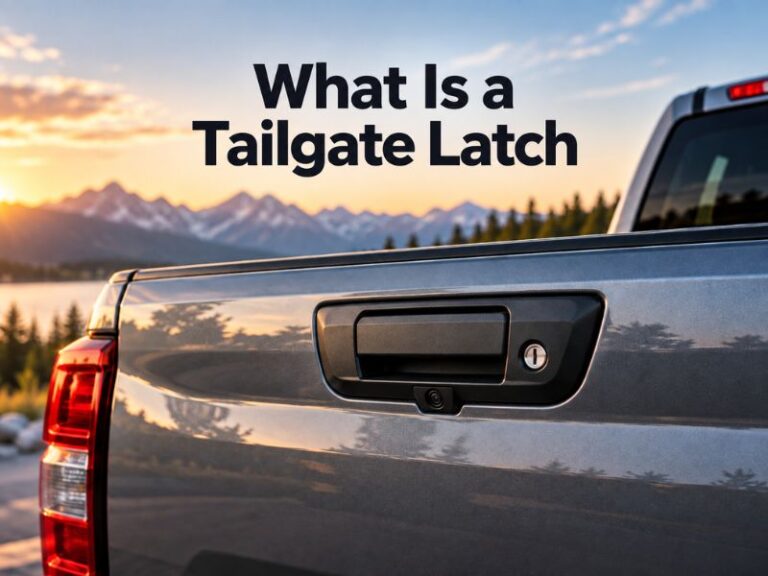
How to Install a Tailgate Latch Rod: Complete Step-by-Step Guide
Learning how to install a tailgate latch rod can save time and repair costs for many truck owners. A damaged or disconnected latch rod is a common reason a tailgate handle feels loose or the tailgate will not open properly.
From working with pickup truck repairs, one important lesson is that small parts like latch rods need careful handling. A rod that looks installed may still need adjustment to make the latch move smoothly and hold securely.
This guide explains how to install a tailgate latch rod using simple steps that apply to many popular trucks in the United States. Always check your vehicle manual because designs can vary between Ford, Chevrolet, GMC, Ram, Toyota, and other brands.

Understanding What a Tailgate Latch Rod Does
A tailgate latch rod connects the tailgate handle or release mechanism to the latch assembly. When you pull the handle, the rod moves the latch so the tailgate can open.
A broken, bent, or disconnected rod can stop the latch from working. Signs of a problem include a loose handle, a tailgate that will not open, or a latch that does not release evenly.
Before learning how to install a tailgate latch rod, it helps to understand that the rod must sit in the correct position. Even a small alignment mistake can prevent the tailgate from locking safely.

- ✦ Handle connection
The rod transfers movement from the tailgate handle to the latch mechanism.
- ✦ Latch operation
The latch releases when the rod pulls or pushes the correct part inside the assembly.
- ✦ Safety role
A working rod helps keep the tailgate closed while driving.
Common Reasons Tailgate Latch Rods Fail
Rust, wear, and repeated use can weaken latch rods over time. Heavy use on work trucks can also speed up wear because the tailgate is opened and closed more often.
Some problems come from clips or fasteners breaking instead of the rod itself. Inspecting the entire latch system helps avoid replacing parts that are still usable.
- ✦ Rust damage
Corrosion can weaken the rod and make movement difficult.
- ✦ Broken clips
Missing clips can allow the rod to fall out of position.
Tools and Parts Needed Before Starting the Repair
Preparing the right tools makes the process easier and reduces the chance of damaging small parts. Most tailgate latch rod replacements require common hand tools.
Before starting how to install a tailgate latch rod, park your truck on a flat surface and make sure the tailgate is supported. This gives you better access and improves safety.
- ✦ Replacement latch rod
Choose a rod designed for your exact truck year, make, and model.
- ✦ Basic hand tools
A screwdriver set, pliers, socket set, and trim tools are often useful.
- ✦ Safety supplies
Wear gloves and eye protection when working around metal parts.
Confirming the Correct Replacement Part
Tailgate systems differ between vehicles, so matching the replacement rod is important. Compare the old part with the new one before installation.
Check rod length, attachment points, and clips. A correct match helps prevent extra adjustment work later.
- ✦ Vehicle information
Use your truck year, model, and trim when ordering parts.
Step-by-Step Guide: How to Install a Tailgate Latch Rod
The exact steps can vary, but most trucks follow the same basic process. Remove the access panel, disconnect the old rod, install the replacement, and test the latch.
Take photos before removing parts if you are new to truck repairs. These pictures can help you remember the original rod position and clip locations.

- ✦ Step 1: Remove the tailgate access cover
Open the tailgate and remove the inner panel or cover to reach the latch mechanism.
- ✦ Step 2: Disconnect the old rod
Remove clips or retainers carefully and detach the damaged rod from the handle and latch.
- ✦ Step 3: Install the new rod
Place the new rod in the same position and secure all clips firmly.
- ✦ Step 4: Test the mechanism
Operate the handle several times to confirm smooth movement before closing the tailgate.
Checking Rod Alignment After Installation
After installing the rod, check that both sides of the latch move together. Uneven movement can mean the rod needs adjustment.
A properly adjusted rod should allow the handle to move normally without excessive force. Do not force the handle because this can damage the latch again.
- ✦ Smooth handle movement
The handle should release the latch without sticking.
- ✦ Secure tailgate closure
The tailgate should close fully and remain locked.
Common Mistakes to Avoid During Tailgate Latch Rod Installation
Many repair problems happen because the rod is installed quickly without checking alignment. Taking a few extra minutes can prevent repeated repairs.
When learning how to install a tailgate latch rod, focus on proper placement rather than forcing parts into position.

- ✦ Using the wrong rod
An incorrect replacement part may not connect properly or provide enough movement.
- ✦ Skipping the final test
Always test the latch before driving with the repaired tailgate.
- ✦ Ignoring damaged clips
Old clips can cause a new rod to come loose.
When Professional Help May Be Better
Some tailgate problems involve damaged latch assemblies, broken handles, or alignment issues beyond the rod. In these cases, replacing only the rod may not solve the problem.
A professional technician can inspect the complete system and identify hidden damage.
- ✦ Complex damage
Bent latch assemblies may require additional repairs.
Maintenance Tips to Keep Your Tailgate Latch Working
Regular maintenance can extend the life of your tailgate latch rod and related parts. Simple inspections can help catch problems before the tailgate stops working.
Truck owners who use their vehicles for work, towing, or outdoor activities should check the latch system more often because it faces more stress.

- ✦ Clean the latch area
Remove dirt and debris that can limit latch movement.
- ✦ Lubricate moving parts
Use suitable lubricant to help moving components work smoothly.
- ✦ Inspect hardware
Check clips, rods, and fasteners during routine maintenance.
Signs You Need Another Inspection
A sticking handle, unusual noise, or loose tailgate can signal a developing issue. Early checks can prevent larger repairs.
If the tailgate does not lock properly, avoid using the truck until the problem is fixed.
- ✦ Loose handle
A loose handle may indicate a disconnected rod or worn parts.