Fog Lights in Rain: Visibility Tips for Rainy Weather
Driving in a downpour can be tricky, and using fog lights in rain is something many drivers, especially new ones, struggle with. It’s often unclear when to turn them on and how they actually help. This guide will clarify everything, making your rainy-day driving safer and less confusing. We’ll explore why fog lights matter and provide a step-by-step approach to using them correctly. Let’s get started!
What Are Fog Lights and Why Do They Matter?
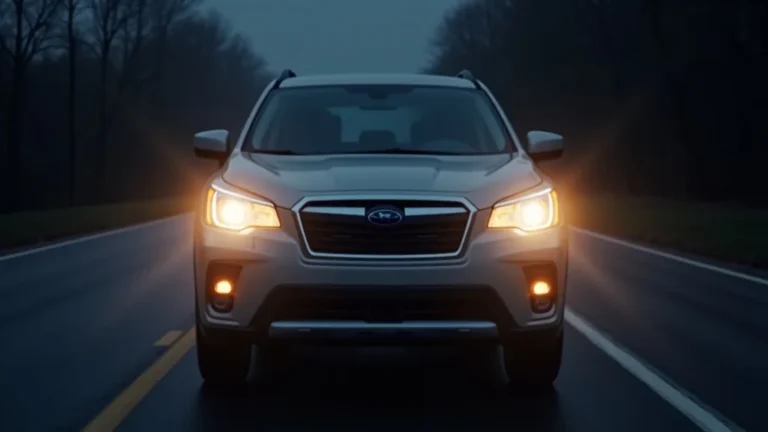
Fog lights are a specific type of vehicle lighting designed to improve visibility in adverse weather conditions, such as fog, heavy rain, snow, or dust storms. Unlike headlights, which are positioned higher on the vehicle and aimed to illuminate a distance ahead, fog lights are mounted low to the ground and have a wide, flat beam pattern. This design helps the light penetrate through the fog or rain, minimizing the glare that can bounce back into the driver’s eyes.
The primary function of fog lights is to enhance the driver’s ability to see the road ahead and to make the vehicle more visible to other drivers. By illuminating the road closer to the vehicle and reducing the glare, fog lights can greatly improve safety. They provide better peripheral vision in reduced visibility conditions, assisting drivers in seeing the edges of the road, lane markings, and any obstacles that might be present.
Key Features of Fog Lights
- Low Mounting Position: This placement reduces the reflection of light off the rain or fog, which can cause significant glare and reduce visibility. The lower position helps the light to cut under the fog or rain.
- Wide Beam Pattern: Fog lights are designed with a broad beam, spreading the light horizontally to illuminate a wider area. This assists the driver in seeing the edges of the road and any potential hazards.
- Specific Lens Design: The lens often has a distinctive pattern or tint to further control the light’s beam. This often involves a yellowish or amber tint, which can penetrate fog and rain more effectively than white light.
- Separate Switch: Unlike headlights, fog lights typically have a dedicated switch. This allows the driver to use them selectively when visibility is compromised without needing to turn on the headlights.
Many drivers are unsure when to use fog lights because they are often confused with headlights. In addition, people may not realize the benefits of this feature when the weather changes. Knowing the purpose and features of fog lights in rain is essential for safe driving in bad weather.
When to Use Your Fog Lights in the Rain
Knowing when to activate your fog lights can make a big difference in how well you see the road and how well other drivers can see you. It’s about more than just flipping a switch; it’s about being aware of the conditions. This part will give you the practical knowledge to safely operate them in different weather scenarios.
The primary rule of thumb for using fog lights is to consider visibility. When visibility is reduced due to rain, fog, snow, or dust, fog lights become a critical tool for safe driving. This is because they are designed to cut through these conditions and enhance the driver’s ability to see the road ahead. But using them at the correct time is important.
Rain Intensity and Visibility Thresholds
The intensity of the rain is a key factor. If the rain is light, your regular headlights might be sufficient. But when the rain becomes moderate or heavy, and visibility drops, fog lights should be turned on. The specific distance you can see is a good gauge. If you cannot see far enough ahead to safely respond to hazards, it is time to use your fog lights.
- Light Rain: In light rain, your standard headlights are usually sufficient. Keep an eye on visibility; if it deteriorates, consider turning on fog lights.
- Moderate Rain: This is a good time to turn on your fog lights, especially if visibility is reduced to the point where you have trouble seeing lane markers, other vehicles, or road signs.
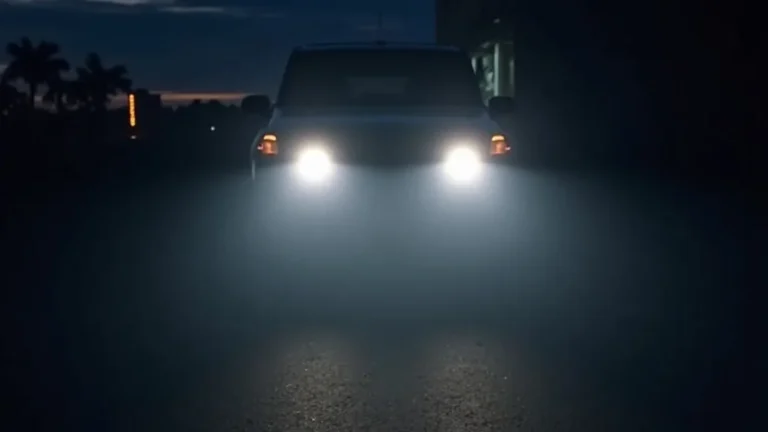
- Heavy Rain: Always use fog lights in heavy rain. Their low beam and wide pattern help cut through the water, improving your vision and making your car more visible to others.
- Standing Water: When there is significant standing water on the road, fog lights can also be useful. They help highlight the edges of the road and any hidden hazards.
It’s important to remember that fog lights are designed to improve visibility, not to illuminate the road further ahead. Thus, they should complement your headlights, not replace them. In clear conditions, fog lights can sometimes be a distraction, and it’s best to switch them off when they are not needed.
Using Fog Lights Safely
Operating fog lights safely isn’t just about turning them on; it’s about making sure you’re using them in a way that helps, not hinders, your visibility. The proper use of fog lights in rain can enhance safety by reducing glare, improving your ability to see the road, and making your vehicle more visible to other drivers.
Safety considerations extend beyond the simple act of turning on the fog lights. The color of the light, the beam pattern, and the vehicle’s position on the road all influence how effective the fog lights are and how they affect other drivers. Always respect the guidelines and follow the best practices to maintain a high level of safety.
Best Practices for Fog Light Usage
- Activate Only When Needed: Avoid using fog lights in clear conditions. This can distract other drivers and may even be illegal in some areas.
- Combine with Headlights: Fog lights work best with headlights in moderate to heavy rain. Headlights illuminate a longer distance, while fog lights provide a wider beam at a shorter range.
- Adjust Your Speed: Always reduce your speed when driving in heavy rain or fog. Increased speed reduces your reaction time, making it harder to handle any unexpected situations.
- Clean Your Lights Regularly: Keep your fog lights and headlights clean. Dirt or debris on the lenses can reduce their effectiveness and create further visibility problems.
- Be Aware of Other Drivers: Remember that other drivers also face visibility challenges. Maintain a safe distance and be prepared to respond to unexpected maneuvers.
By using your fog lights properly, you’re not only improving your own safety, but also enhancing the safety of everyone else on the road. The main purpose is to increase your view in bad conditions, making the drive safer for everyone.
Common Mistakes to Avoid
While fog lights are valuable, common mistakes can negate their benefits or create hazards. The misuse of fog lights often leads to a reduction in the effectiveness of the lighting system or poses a risk to other drivers. Avoid these mistakes to use your fog lights to their full potential.
These mistakes often include the inappropriate use of fog lights in clear conditions, which can distract other drivers. Incorrect installation or maintenance can impair the performance of the lights. Understanding and avoiding these pitfalls is crucial for safe and efficient driving.
Mistakes to Sidestep
- Using Fog Lights in Clear Weather: This is one of the most common mistakes. Fog lights create glare that can be distracting to other drivers, especially at night. It can also reduce the contrast needed for others to see the road.
- Not Turning Them On When Needed: In adverse weather, neglecting to use your fog lights is a safety hazard. It reduces visibility, making it difficult for you to see and for other drivers to see you.
- Improper Aiming: Fog lights should be aimed correctly to direct the beam of light towards the road and minimize glare. Incorrect aiming can reduce their effectiveness.
- Ignoring Maintenance: Neglecting to clean the lenses or replace burned-out bulbs will significantly reduce the effectiveness of your fog lights.
- Relying on Fog Lights Solely: Fog lights are not designed to be the primary source of illumination. In heavy rain, they should be used in conjunction with your headlights.
Avoiding these mistakes is as important as knowing how to use your fog lights. Practicing safe habits ensures you drive safely during difficult weather.
Fog Light Regulations and Legal Aspects
Understanding the rules and regulations about fog lights can help you avoid fines and maintain safety. Driving laws vary by location, and it’s important to know the specific regulations that apply to where you live. This knowledge also promotes safe and respectful driving habits.
Legal standards usually focus on when the lights can be used and how they’re designed. Enforcement of these rules by local law enforcement is common, so knowing the laws for your area is a must. These laws are in place to ensure safe conditions for everyone.
Legal Considerations
- Local Laws Vary: Regulations regarding fog light use differ between states and countries. Familiarize yourself with the laws specific to your area.
- Restrictions on Use: Many jurisdictions only allow fog lights to be used in adverse weather conditions, like fog or heavy rain. Using them in clear conditions may be prohibited.
- Installation Standards: There are typically standards for the installation of fog lights, including placement on the vehicle and the type of bulbs that can be used.
- Enforcement: Law enforcement officers may issue citations for violations of fog light regulations. Fines and penalties can vary.
- Vehicle Inspection: Some regions require vehicles to pass inspections that check for proper fog light function and adherence to regulations.
Knowing the laws and regulations is a basic part of being a driver. By adhering to these guidelines, you’re helping create a safer driving environment for all.
Frequently Asked Questions
Question: Can I use my fog lights all the time?
Answer: No, it’s generally recommended to use fog lights only when visibility is reduced due to rain, fog, snow, or dust. Using them in clear conditions can be distracting and may be against the law in some areas.
Question: Are fog lights the same as driving lights?
Answer: No, fog lights are designed to be used in adverse weather, while driving lights, which may also be referred to as auxiliary lights, are designed to supplement your headlights for better illumination on dark roads.
Question: What color should my fog lights be?
Answer: Fog lights are typically yellow or amber. These colors are known to cut through fog and rain more effectively than white light, reducing glare and improving visibility.
Question: What happens if my fog lights fail?
Answer: If your fog lights fail, they won’t provide the visibility benefits in adverse weather conditions. You should have them repaired or replaced as soon as possible to maintain safety.
Question: Are there any situations where fog lights are unsafe?
Answer: Yes, fog lights can be unsafe if they are used improperly, such as in clear conditions, or if they are not aimed correctly, which can cause glare to other drivers. Make sure you use them when the weather conditions require them.
Final Thoughts
Knowing how to use your fog lights in rain is a skill that can significantly improve your safety while driving. From understanding the key features of fog lights to knowing when to turn them on, this guide has given you the essential information. The right use of these lights can greatly reduce glare and improve your vision, providing safer driving.
Remember to always use your fog lights responsibly and in accordance with the law. By applying these tips, you’ll be well-prepared to handle rainy conditions on the road. Drive carefully, stay alert, and use your fog lights to keep yourself and others safe. Be a responsible driver and use your knowledge to enhance your driving skills and safety on the road!