Can You Use Fog Lights at Night Explained for Drivers
Driving at night can be tricky, and figuring out what lights to use can be even harder. One question many new drivers have is, can you use fog lights at night? It’s a common mix-up because fog lights seem like they’d be great for seeing in the dark. Don’t worry, it’s easy to figure out! We’ll explore everything you need to know about fog lights, how they work, and when to use them. Let’s get started and clear up any confusion about your car’s lights.
What Are Fog Lights and Why Are They Important?
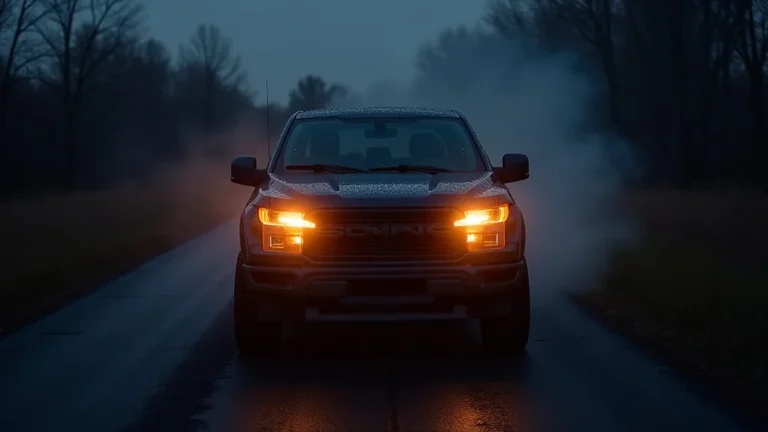
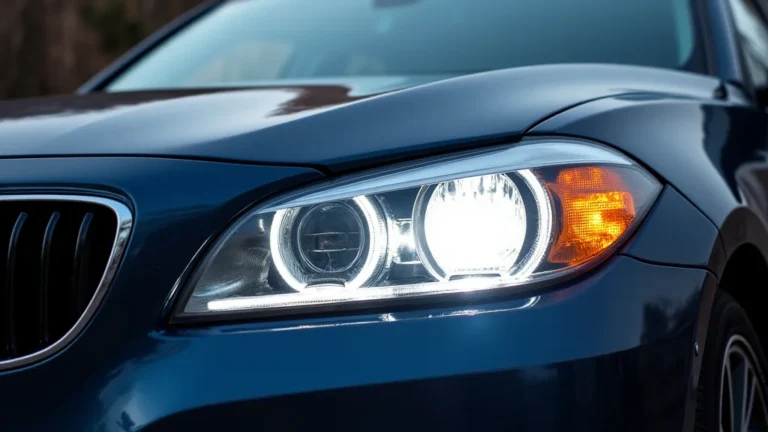
Fog lights, also known as fog lamps, are special lights on your car. They are usually found on the front of your vehicle, below the headlights. They are built to shine a wide, flat beam close to the ground. This helps to make the road more visible in foggy, snowy, or dusty conditions. The main job of fog lights is to improve visibility when the weather makes it hard to see.
Fog lights are different from headlights, which are aimed higher and shine farther down the road. This helps you to see in regular driving conditions. However, when the weather gets bad, these lights can cause glare when the light bounces off the fog, snow, or rain. Fog lights are designed to reduce this glare by shining a lower, wider beam. This way, the driver can see the road more clearly.
How Fog Lights Work
Fog lights are designed with a specific shape and direction in mind. Their main design features are what allow them to be effective in low-visibility conditions. These lights use a different lens shape and bulb type compared to headlights. They usually have a reflector that directs the light downwards and outwards. This helps the light to shine below the fog where visibility is better.
The bulbs themselves are also important. Many fog lights use halogen or LED bulbs that produce a warm, yellowish light. This color is better at penetrating through fog, snow, or dust compared to the brighter, whiter light from regular headlights. This is because the warm light scatters less, and allows the driver to see further ahead.
- Wide Beam Pattern: Fog lights create a very wide beam of light that illuminates a broad area. This is essential for seeing the sides of the road, especially when the visibility is limited.
- Low Mounting Position: The lights are placed low on the car, close to the ground. This position is the key to preventing light reflection from the fog itself.
- Specific Light Color: Most fog lights use yellow or amber-colored lights. These colors are easier on the eyes in low-visibility situations and reduce glare.
- Directed Light: The light is often directed downwards to illuminate the road directly in front of the car. This prevents the light from reflecting off of the fog and back into the driver’s eyes.
When to Use Fog Lights
Knowing when to turn on your fog lights is a simple but important part of safe driving. The main reason to use fog lights is when visibility is poor because of weather conditions like fog, heavy rain, or snow. Always use your best judgment. If you have trouble seeing the road clearly, it’s time to switch on the fog lights.
Many places have laws about using fog lights. It’s also important to check your state’s laws and vehicle guidelines. Using them in clear weather can be against the law, and can bother other drivers. Make sure you only use them when you actually need them. This can depend on a few things, including weather, how far you can see, and the rules where you are driving.
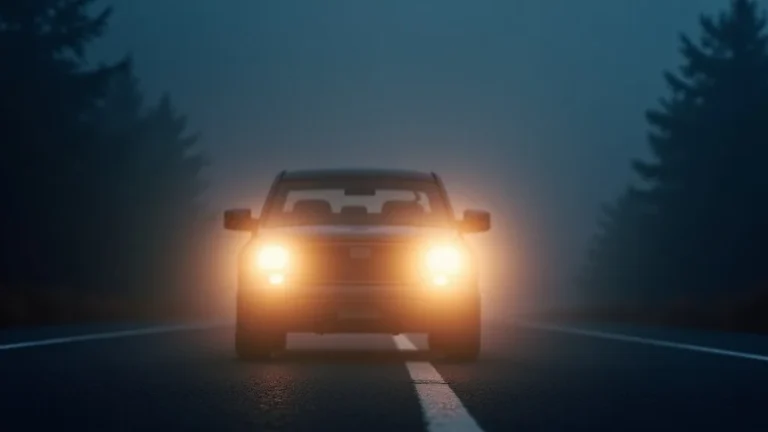
- Foggy Conditions: When the fog is thick enough to greatly reduce your sight, this is the time to turn on the fog lights. This helps you to see the road, the road edges, and other vehicles.
- Heavy Rain: Heavy rain can also limit visibility. In this situation, fog lights can help you see better.
- Snowy Conditions: During heavy snowfall, fog lights help to cut through the snow, increasing your ability to see the road.
- Dusty Environments: If you are driving on a dusty road, fog lights can enhance your sight by increasing the visibility.
Can You Use Fog Lights at Night Legally?
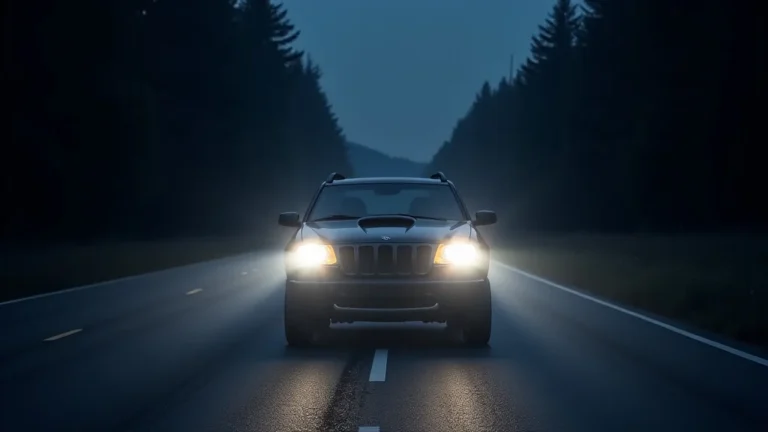
The answer to can you use fog lights at night is not always straightforward. This is because the rules vary depending on where you live. In many places, it’s legal to use fog lights at night if there is fog, heavy rain, snow, or other conditions that reduce visibility. However, there are rules that you should follow to avoid any trouble.
The main idea is to use them when you need them. Using them when it’s not needed can bother other drivers. It’s also against the law in some places. Check the rules of where you are driving. If visibility is fine, you should turn them off.
Legal Regulations and Guidelines
Legal regulations about fog lights can vary significantly. Some places have clear laws about when you can and can’t use them. Other places might have rules on how bright the lights can be, or even the color of the light. Be aware of your state’s rules before using fog lights.
Vehicle manufacturers also have guidelines. They usually include when and how the fog lights are designed to be used. These guidelines can give you a clear view on the proper use of fog lights. They often make up the laws you need to follow.
- Check Local Laws: Know the rules about using fog lights where you are driving.
- Visibility Requirements: Use fog lights only when your visibility is limited due to weather.
- Avoid Glare: Always make sure your fog lights don’t cause glare for other drivers.
- Brightness Limits: Make sure your fog lights fit the brightness standards.
Penalties for Misuse
If you don’t follow the rules about using fog lights, you could face penalties. These can vary depending on where you are. Penalties can include fines, points on your driver’s license, or even a vehicle inspection.
Using fog lights incorrectly can be a safety issue. It can distract other drivers and increase the chance of accidents. Getting a penalty for incorrect use is another reason to make sure you use fog lights only when you need them.
Fog Light Alternatives and Complementary Lighting
While fog lights are useful, they’re not the only option for seeing better at night or in bad weather. There are other types of lights and things you can do to keep safe. Knowing about these options can make driving safer.
Headlights are the most common light type used for driving at night. They are designed to light the road ahead, but they can be less helpful in fog or heavy rain. High beams can provide a brighter light, but they aren’t the best to use in conditions where there is fog, or bad weather, because they can cause a lot of glare.
Other Types of Lights
Along with fog lights, other lights can make a big difference when driving. These include daytime running lights, which turn on automatically when the car is on. They are helpful in making your car more visible to other drivers, even during the day. Parking lights, which are used when you’re parked, and tail lights, which are at the back of your car, are also important for safety.
Some cars have adaptive headlights, which turn in the direction you are steering. This helps to light up curves and corners. Knowing what kinds of lights are on your car and how to use them can make driving safer in a variety of situations.
- Headlights: Your main lights, used for driving at night and in low-light situations.
- High Beams: These provide extra light, but use them when there are no other cars around.
- Daytime Running Lights (DRLs): These help make your car visible during the day.
- Parking Lights: Used when you’ve parked your car.
- Tail Lights: Located at the back of the car, they help other drivers see you.
Complementary Practices for Night Driving
Other practices can boost your safety at night. Making sure your headlights and fog lights are clean can make them work better. Also, adjusting the brightness of your dashboard lights can reduce eye strain. Being extra careful and keeping your distance from other vehicles is very important too.
Using your lights properly is only one piece of the puzzle. Things like driving slowly, avoiding distractions, and taking breaks when you’re tired can help make sure you arrive safely. These practices, used with the right lighting, can help you drive safe when it is dark or the weather is bad.
| Light Type | Purpose | Best Use | Considerations |
|---|---|---|---|
| Headlights | Provide general illumination | Night driving, low-light conditions | Use low beams in traffic; switch to high beams when safe |
| High Beams | Increase visibility over long distances | Open roads with no oncoming traffic | Dim when approaching or following other vehicles |
| Fog Lights | Enhance visibility in fog, rain, or snow | Foggy, rainy, or snowy conditions | Turn off when conditions improve; don’t use in clear weather |
| Daytime Running Lights (DRLs) | Make your vehicle more visible to others | Daytime driving | They don’t illuminate the road, only make your car more visible |
Tips for Safe Night Driving with Fog Lights
Using fog lights well can improve your safety. It’s not just about turning them on; it is about using them correctly and driving safely. Proper use can really help to make sure you see well, and that you are visible to other drivers.
Keep your headlights and fog lights clean. Dirty lights shine less brightly. Make sure all your lights are working before you drive. Regular checks can catch problems before they become a risk. Combine these steps with cautious driving to reduce the chances of accidents.
Driving Techniques in Low-Visibility Conditions
In addition to using your lights correctly, your driving style should change when visibility is low. Drive slowly when there is fog, heavy rain, or snow. Increase the distance between your car and the one in front of you. This gives you more time to react.
Also, stay focused. Avoid distractions like using your phone or messing with the radio. It’s important to pay close attention to the road and the conditions. If the weather is too bad, it is sometimes better to pull over to a safe place until the weather passes or is not as bad.
- Reduce Speed: Slow down to improve your reaction time.
- Increase Following Distance: Give yourself more space to stop.
- Use Lights Wisely: Turn on fog lights and headlights as needed.
- Stay Focused: Avoid distractions.
- Be Patient: Don’t drive if you’re feeling rushed.
Maintaining Your Lights
Looking after your lights makes a big difference. Check the bulbs frequently for any problems, like dimness or being out.
Cleaning your lights often can help them work better. Use a soft cloth and a gentle cleaning solution to remove dirt, water, and other things that can reduce their effectiveness. Always have good working lights to increase your sight and to ensure that other drivers see you.
Frequently Asked Questions
Question: When should I use my fog lights?
Answer: Use your fog lights in foggy, snowy, or heavy rain conditions to improve your visibility.
Question: Are fog lights legal to use at night?
Answer: In many places, it’s legal to use fog lights at night if visibility is reduced, but check local laws.
Question: Can I use fog lights instead of headlights at night?
Answer: No, fog lights are not meant to replace headlights; use them to enhance visibility in bad weather.
Question: What’s the difference between fog lights and headlights?
Answer: Headlights are for general driving, while fog lights are for use in bad weather, and they project a wider, lower beam.
Question: What should I do if my fog lights aren’t working?
Answer: Have them checked by a mechanic as soon as possible, as they are important for safety in low visibility.
Final Thoughts
Understanding when can you use fog lights at night is an important part of safe driving. You’ve learned about fog lights: what they are, how they work, and when you should use them. Remember, they are specially made to help in low-visibility situations like fog, snow, or heavy rain. Knowing the rules in your area is key. Using fog lights wisely, along with other driving practices, can help make your trips much safer.
So, the next time you’re on the road with bad weather, you’ll know when to turn on your fog lights and when to turn them off. Driving safe also means keeping your lights in good shape. With these key points in mind, you’re better prepared to handle different driving situations. Drive carefully, stay alert, and be sure to put safety first on every journey!