Are Fog Lights Legal? A Simple Guide for Drivers
If you’re wondering are fog lights legal, you’re not alone! It’s a common question, especially for new drivers or those unfamiliar with vehicle regulations. Figuring out the rules can feel tricky, but don’t worry. This guide breaks down everything you need to know, making it easy to understand. We’ll explore the basics, the different types of lights, and how to stay safe and legal on the road. Ready to become a fog light expert?
What Exactly Are Fog Lights?
Fog lights, also known as fog lamps, are a type of automotive lighting designed to improve visibility in foggy conditions. They are typically positioned low on the front of a vehicle, near the ground. This placement helps the light penetrate the fog rather than reflecting back, as higher-mounted headlights might do. The primary purpose is to provide better illumination of the road surface, allowing drivers to see lane markings, obstacles, and other vehicles more clearly.
Fog lights come in various forms, shapes, and sizes, but their core function remains the same. The design of these lights often incorporates a wide, flat beam pattern that spreads horizontally, illuminating the area directly in front of the vehicle. This design reduces the glare that can occur with standard headlights in foggy conditions, where water droplets scatter the light, reducing visibility.
Types of Fog Lights and Their Designs
Fog lights are not all created equal. There are several different types of fog lights, each with its own design features and advantages. The design of fog lights can significantly impact their effectiveness in foggy conditions, influencing both visibility and safety. The primary variations relate to their light source and lens design.
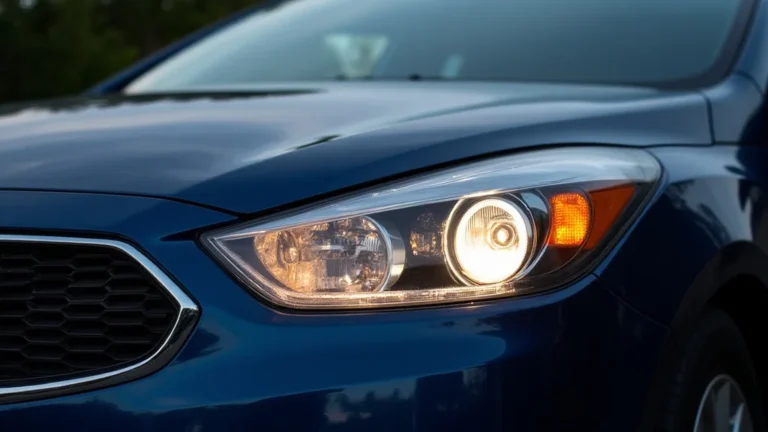
- Halogen Fog Lights: These are the most common type and use halogen bulbs. They are relatively inexpensive and provide a decent level of illumination. Halogen bulbs produce a warm, yellowish light, which many drivers find effective in cutting through fog.
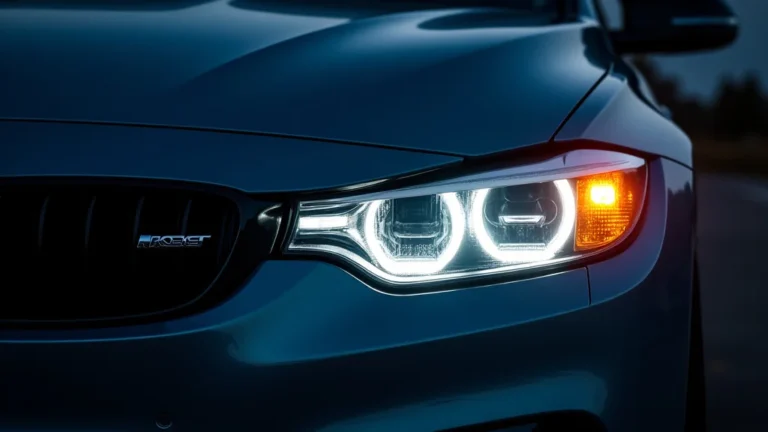
- LED Fog Lights: LED fog lights are becoming increasingly popular due to their efficiency and bright light output. LEDs (Light Emitting Diode) consume less power and last much longer than halogen bulbs. They often produce a whiter or bluer light, which can sometimes appear more modern.
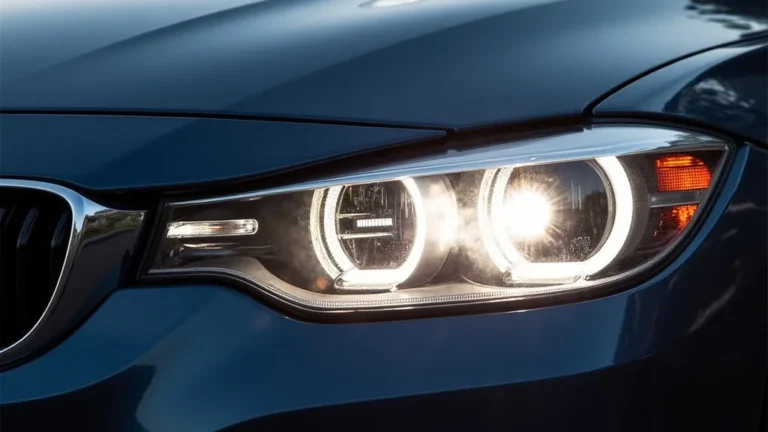
- Projector Fog Lights: These use a lens to focus the light beam, providing a more controlled and focused illumination pattern. Projector fog lights can improve visibility by directing light more effectively. They often offer a more defined cutoff, which helps reduce glare for oncoming drivers.
Halogen fog lights have a long history in automotive design. They use a filament that heats up to produce light. Their warm color temperature can be perceived as more effective in foggy conditions compared to the cooler light of some other types. However, they are less energy-efficient and have a shorter lifespan compared to some newer technologies.
LED fog lights represent a significant advancement in automotive lighting. They are more efficient, durable, and offer brighter illumination than traditional halogen lights. The use of LED technology allows for a variety of designs and a longer operational life, which reduces the need for frequent replacements. Their cooler color temperature can also improve visibility.
Projector fog lights are designed to focus the light beam precisely. This design improves the driver’s ability to see in foggy conditions. The controlled light distribution minimizes light scatter and glare, which enhances visibility for both the driver and other road users. This design is increasingly popular for its superior performance and modern look.
Are Fog Lights Legal? Understanding the Regulations
The legality of fog lights varies depending on the state or country, making it crucial to be familiar with the rules in your area. Generally, fog lights are legal, but their usage is strictly regulated. This means there are specific conditions under which you’re allowed to use them and conditions when their use could lead to penalties. These regulations usually focus on when the lights can be used and their installation requirements.
Understanding these regulations is key to avoiding tickets and ensuring that you’re using your lights safely and effectively. Improper use of fog lights can not only lead to legal issues but also reduce the visibility of other drivers, which can be dangerous. The rules typically cover activation, brightness levels, and placement on the vehicle.
State-by-State Fog Light Laws
Fog light laws are not uniform across the United States. Each state has its own set of regulations regarding the installation, use, and specifications of fog lights. These can range from very specific requirements to more general guidelines. Checking your local Department of Motor Vehicles (DMV) website is the best way to determine the current regulations in your area.
Here’s a snapshot of what you may find. For example, some states may allow fog lights to be used only in foggy conditions, while others permit their use in rain, snow, or other conditions that reduce visibility. The specific requirements for brightness, color, and positioning on the vehicle also differ.
- Installation Guidelines: Most states have guidelines on how fog lights should be installed. This includes the height at which they are mounted, the distance from the vehicle’s edges, and the type of bulb allowed.
- Usage Restrictions: Many states strictly limit the use of fog lights to times when visibility is severely reduced due to fog, heavy rain, snow, or other conditions. Using them in clear weather can be illegal.
- Color Restrictions: While most states allow white or yellow fog lights, some may have restrictions on other colors, such as blue or green, due to potential confusion with emergency vehicle lighting.
Installation guidelines are essential for ensuring the fog lights function as intended and do not interfere with other drivers’ visibility. The height, position, and bulb specifications ensure the lights provide optimal illumination without causing glare or obstructing other road users.
Usage restrictions are designed to prevent glare and confusion for other drivers. The use of fog lights in clear conditions can be distracting and may obscure the visibility of essential vehicle lights like headlights and turn signals. Adhering to these restrictions is crucial for safety on the road.
Color restrictions are put in place to standardize vehicle lighting and avoid confusion. White or yellow fog lights are considered standard for visibility. Other colors could be mistaken for emergency vehicles or other specific signals, which can cause misunderstandings.
When Can You Use Fog Lights? The Right Conditions
The key to using fog lights correctly is knowing when to turn them on. The primary purpose of fog lights is to improve visibility during times of reduced visibility due to fog. However, other conditions, such as heavy rain or snow, may also warrant their use. Understanding the specific situations where fog lights are beneficial can significantly enhance safety and compliance with local laws.
Using fog lights in the right conditions increases the driver’s ability to see the road ahead, as well as enabling other drivers to see you. Using them unnecessarily can create glare and decrease visibility for other drivers. Knowing when to activate them is a core skill for any driver.
Fog, Rain, Snow, and Other Conditions
Fog, rain, and snow are the most common conditions where fog lights can improve visibility. These weather conditions significantly reduce the driver’s ability to see, making it harder to spot lane markings, other vehicles, and any potential hazards on the road. The optimal use of fog lights in these situations greatly enhances road safety.
- Fog: This is the most obvious condition for using fog lights. Fog is essentially a cloud at ground level, which can drastically limit visibility.
- Heavy Rain: In heavy rain, fog lights can help cut through the sheets of water. They will make it easier to see the road and other vehicles.
- Snow: Similar to rain, snow can also reduce visibility. Fog lights can help increase the visibility distance in snowy conditions.
- Other Conditions: Situations involving dust, smoke, or other airborne particles that reduce visibility may also warrant using fog lights.
Fog is composed of tiny water droplets suspended in the air. These droplets scatter light, reducing visibility. Fog lights, designed to emit a low, wide beam, can cut through fog better than standard headlights, providing crucial visibility.
Heavy rain can also significantly reduce visibility. The rain droplets, like fog, can scatter the light. Fog lights, designed with a wider beam, help penetrate the rain, providing the driver with greater road visibility and enabling them to see hazards.
Snow can create a whiteout effect, making it difficult to see. Fog lights can help cut through the snow. This offers drivers a crucial advantage in maintaining awareness of their surroundings and makes it easier to spot hazards.
In addition to fog, rain, and snow, other conditions like dust, smoke, or any other environmental factors that limit visibility warrant the use of fog lights. These environmental factors significantly impact how well the driver can see the road, potentially leading to road hazards.
Fog Light Installation and Maintenance
Proper installation and regular maintenance are critical for ensuring that your fog lights function effectively and legally. Installation should follow specific guidelines, including the height, placement, and wiring. Regular maintenance is necessary to keep the lenses clean and replace bulbs if needed. Neglecting these aspects can affect the visibility and compliance of your fog lights.
Correct installation is key to ensuring that fog lights work as intended, directing their beams optimally to maximize visibility without causing glare. Regular maintenance helps in preserving the efficiency and longevity of these lights. Addressing these points contributes to road safety.
Installation Best Practices
The installation of fog lights is generally straightforward, but it’s important to follow best practices to ensure they function correctly and legally. Improper installation can lead to problems with the vehicle’s electrical system, poor light performance, or even legal issues if the lights do not meet local regulations. These installation guidelines are designed to maximize the effectiveness of the lights.
- Height and Placement: Fog lights must be mounted low on the front of the vehicle, typically below the headlights. They should be positioned within the manufacturer’s specified range.
- Wiring: Proper wiring is crucial for ensuring that the fog lights function safely. This involves connecting them to a power source and a switch that activates them.
- Aiming and Alignment: After installation, fog lights must be properly aimed and aligned. This prevents glare and maximizes their effectiveness.
Low placement is important for minimizing the reflection of light back into the driver’s eyes in foggy conditions. Following the manufacturer’s guidelines guarantees that they are installed correctly, and their effectiveness is maximized.
Correct wiring ensures that the fog lights operate independently from the high beams, allowing them to be used safely without blinding other drivers. Using the correct wires and connections is key to the safety of the vehicle’s electrical system.
Proper aiming ensures that the light beam is directed towards the road and not upwards, reducing glare for oncoming traffic. Correct alignment will allow the lights to function as intended, enhancing visibility in fog or rain.
Maintenance Tips for Your Fog Lights
Regular maintenance is essential to ensure that fog lights remain in good working order. Regular cleaning, inspections, and timely bulb
- Cleaning the Lenses: Clean fog light lenses regularly to remove dirt, grime, and debris, which can reduce their effectiveness. Use a soft cloth and appropriate cleaning solution.
- Checking Bulbs: Regularly inspect the bulbs for any signs of damage or dimming. Replace any burnt-out bulbs promptly.
- Inspecting Wiring and Connections: Check all wiring and connections for any signs of corrosion or damage. Repair or replace any damaged components.
Regularly cleaning the lenses removes any obstruction that may block the light emitted by the fog lights. Cleaning the lenses with a soft cloth and a suitable cleaning solution will help remove grime, dirt, and any other accumulation, guaranteeing optimum performance and extending the life of your lights.
Routine bulb checks can prevent safety issues. Dimming or burnt-out bulbs can significantly reduce the visibility and efficiency of the fog lights. Timely bulb replacement guarantees they illuminate the road adequately.
Checking the wiring and connections is important to make sure that the fog lights are operating safely and correctly. Corrosion, damage, or loose connections can lead to electrical issues or affect the functionality of the lights, reducing their efficiency.
Real-World Examples: When Fog Lights Make a Difference
To better grasp the impact of fog lights, consider a few real-world examples. These case studies highlight the importance of fog lights in different situations. These examples demonstrate the effectiveness of fog lights.
- Driving in Dense Fog: Imagine a driver on a highway when dense fog rolls in suddenly. Visibility drops to just a few feet. With fog lights on, the driver can see the road markings and other vehicles, allowing them to adjust speed and drive safely. Without fog lights, the same driver would be struggling, increasing the risk of an accident.
- Heavy Rain at Night: Picture a driver driving through a heavy rainstorm at night. Standard headlights reflect off the water droplets, reducing visibility. However, with fog lights activated, the driver can see the road and other vehicles clearly, reducing the chances of accidents.
- Snowy Conditions on a Mountain Pass: Consider a vehicle driving through a mountain pass when snow starts to fall. Standard headlights struggle to penetrate the falling snow, reducing visibility. Activating the fog lights improves the visibility, allowing the driver to see the road ahead.
In this scenario, fog lights increase visibility from a few feet to a crucial distance that allows the driver to react appropriately. This example emphasizes the difference fog lights can make, turning a situation from hazardous to manageable.
This case illustrates the value of fog lights in reducing glare and improving visibility during adverse weather conditions. The fog lights provide a clearer view, allowing the driver to spot hazards and stay safe.
This situation shows how fog lights enhance driver safety in challenging conditions. The fog lights cut through the snow, increasing the visibility for the driver. This enhancement is vital for safe travel.
Frequently Asked Questions
Question: Are fog lights the same as driving lights?
Answer: No, fog lights and driving lights are different. Fog lights are designed for use in foggy conditions to provide a wide, low beam of light. Driving lights are additional headlights that provide a focused beam of light for enhanced visibility at higher speeds.
Question: Can I use fog lights with my high beams?
Answer: It depends on the laws in your area. Many jurisdictions prohibit using fog lights with high beams, as it can cause excessive glare. Check your local regulations.
Question: What color should my fog lights be?
Answer: Most states allow white or yellow fog lights. Yellow lights are often considered more effective in cutting through fog. Always check local laws regarding color restrictions.
Question: Where should I aim my fog lights?
Answer: Fog lights should be aimed downwards and outwards to illuminate the road directly in front of your vehicle. The exact angle may vary, so check your owner’s manual for recommended alignment procedures.
Question: Are fog lights required on all vehicles?
Answer: No, fog lights are not typically required on all vehicles. They are an optional feature. However, if your vehicle is equipped with fog lights, you must comply with any local regulations regarding their use and maintenance.
Final Thoughts
So, are fog lights legal? Yes, but with rules. You’ve now explored their purpose, the conditions when they’re allowed, and the steps for keeping them working correctly. Remember, fog lights are tools for improved visibility, but they need to be used responsibly. Always check your local laws and make sure you understand the guidelines for your area. Following these guidelines will keep you compliant, safe, and improve visibility for everyone on the road. Drive safely!