Fog Lights: How to See Better When It’s Hazy
Driving with fog lights in fog can be tricky, especially if you’re just starting to drive. Seeing clearly when the weather is foggy can be really tough. Beginners sometimes find it hard to know when to use their fog lights and how they help. Don’t worry, though! It’s actually pretty easy once you get the hang of it. We’re going to break down everything you need to know, step by step, so you can drive safely and with confidence. Let’s explore how to make sure you can see the road, even when the fog rolls in.
What Are Fog Lights and Why Do We Need Them?
Fog lights are special lights on your car, usually found near the front bumper, that are designed to help you see better when it’s foggy. They’re different from your regular headlights. Regular headlights point forward and shine down the road, while fog lights are usually positioned lower and shine wider. They help illuminate the area just in front of your car, where the fog is often densest. This helps you see the road and other vehicles more clearly, even when visibility is poor.
The main purpose of fog lights is to improve your visibility in foggy conditions. They’re designed to cut through the fog, helping you see the road and any potential hazards. Regular headlights can sometimes reflect off the fog, making it even harder to see. Fog lights, on the other hand, are designed to minimize this reflection, increasing your chances of spotting obstacles or other vehicles. They are important for safety when driving through fog.
How Fog Lights Work
Fog lights use a specific type of beam pattern. They are typically wider and flatter than regular headlights. This design allows them to project light closer to the ground, beneath the thickest part of the fog. By aiming the light downwards, the driver can reduce the amount of light that is reflected back into their eyes, giving a clearer view of the road ahead. The color of fog lights can vary, but many are yellow or amber because these colors are believed to be better at cutting through the fog.
They work by projecting a wide, flat beam of light close to the road’s surface. This is because fog is usually thicker closer to the ground. By shining the light low, fog lights minimize the amount of light that’s reflected back at the driver, which can happen with regular headlights. This special design helps drivers see the road and any potential hazards.
- Beam Pattern: Fog lights use a wide, flat beam pattern. This helps them illuminate a larger area close to the ground.
- Light Color: Many fog lights are yellow or amber. This color is thought to reduce glare and improve visibility.
- Placement: Fog lights are placed low on the car. This helps them shine under the fog.
- Visibility: They make it easier to see other cars and any hazards on the road.
- Reduce Glare: Fog lights are designed to reduce the glare that can come from fog, helping you see better.
The Science Behind Seeing in Fog
Fog is made up of tiny water droplets suspended in the air. When light from headlights hits these droplets, it scatters in all directions. This scattering effect creates glare, reducing visibility. Fog lights, with their low and wide beam, try to minimize this scattering. They aim the light below the bulk of the fog, reducing the amount of light that bounces back towards the driver’s eyes. This makes it easier to see the road ahead.
Understanding how light interacts with fog helps explain why fog lights are effective. Light scatters when it hits water droplets, but aiming the light low helps to limit this effect. Different colors of light also scatter differently. Yellow or amber light has a longer wavelength, which may scatter less in fog, although this is still debated among experts. This is why many fog lights have a yellow tint.
When to Use Fog Lights
Knowing when to turn on your fog lights is key to driving safely in foggy conditions. Generally, you should activate your fog lights whenever visibility is reduced. This typically means when you can’t see clearly, which is less than 500 feet, due to fog, heavy rain, snow, or even dust. Using your fog lights can help other drivers see you, too, which increases safety for everyone on the road. Remember, however, that fog lights are only meant for specific situations and shouldn’t be used all the time.
Fog lights are best used when visibility is significantly reduced. This usually means when you can’t clearly see a certain distance ahead. They are intended for situations where regular headlights are not enough. It’s also important to remember that fog lights are designed to aid your visibility and to make your vehicle more visible to others on the road.
Recognizing Foggy Conditions
Recognizing foggy conditions is the first step in deciding when to use your fog lights. Fog can vary in thickness. The key is to know when visibility is poor. If the air looks cloudy, or if you find yourself squinting or having trouble seeing the road ahead, it’s probably time to turn on your fog lights. Look out for telltale signs like a milky or hazy appearance on the horizon. If you see this, and if other weather issues like rain or snow are present, your fog lights should probably be on.
Fog can be obvious, but sometimes it is subtle. Learning to recognize the early signs is important. If you can only see a short distance, or if your headlights seem to make things worse because of glare, then it’s time to activate those fog lights. Pay attention to how the road looks, and always err on the side of safety by activating your fog lights early.
- Reduced Visibility: If you can’t see clearly, use your fog lights.
- Milky Appearance: A milky or hazy look on the horizon.
- Headlight Glare: If your headlights cause glare, it’s a sign to use your fog lights.
- Fog Density: Assess the thickness of the fog and how it affects your vision.
- Other Hazards: Use them in heavy rain or snow if it reduces visibility.
Fog Lights and Other Lights
When you turn on your fog lights, it’s also important to consider your other lights. Your headlights should be on in low-beam, but high-beams are not recommended in fog because they create more glare. The idea is to make sure that the light helps you see, not makes things worse. You also want to make sure your taillights are working. This alerts drivers behind you to your presence, increasing safety. Using your fog lights in combination with your regular headlights will assist your driving.
The right combination of lights is critical for safe driving in fog. Low beam headlights provide a good balance of illumination without excessive glare, especially when used with fog lights. Make sure your taillights are working so drivers behind you can see you. Think about what will increase your visibility and the safety of the drivers on the road.
Fog Light Guidelines
Following simple guidelines for using fog lights will keep you safe in foggy conditions. First, check your local laws to find out about specific rules about when and how to use fog lights. Always turn them on when you encounter fog, but also turn them off when the fog clears. This ensures you’re using them only when needed. Don’t rely solely on your fog lights; always adjust your speed to match the conditions and maintain extra space between your car and others.
Adhering to guidelines increases your safety and others. Local rules matter, so know your area’s laws. Use them in fog, and only in fog. Speed should be reduced in accordance with the amount of fog. Always maintain a safe distance from other vehicles, and stay vigilant.
Speed and Following Distance
Speed is very important when driving in fog. Reduce your speed so that you can react to anything that appears in front of you. You will not have the same reaction time in the fog. Increase the space between your car and other vehicles. The slower you drive, and the more distance you have between cars, the better your chances of a safe journey. This extra space and slow speeds provide extra time to respond to unforeseen events.
The distance between your car and other vehicles will increase your safety. The further away you are from other vehicles, the more time you have to react to anything happening. Slow speeds also make it safer. When visibility is poor, it is important to take extra measures to protect yourself and others.
- Reduce Speed: Slow down to allow for reduced visibility.
- Increase Distance: Increase the distance between your vehicle and the vehicle in front.
- Stay Alert: Pay close attention to the road and surrounding traffic.
- Be Prepared: Be ready for sudden stops or changes in traffic.
- Safe Driving: Make decisions that increase the safety of yourself and others.
Using Fog Lights Responsibly
Using fog lights responsibly means knowing when to use them and when not to. It is usually best to switch them off when the fog lifts. Always turn them off when you’re not in foggy conditions. This is more polite to other drivers, and it helps reduce the risk of annoying them. This also protects your fog lights from becoming damaged or malfunctioning. Using your fog lights wisely and responsibly contributes to the safety of everyone on the road.
The correct use of fog lights will make roads safer. This is only to be used when visibility is reduced. They can be turned on and off. Responsible drivers will think about their actions, to keep themselves and others safe. Doing the right thing adds safety and reduces problems.
Common Problems and Solutions
Sometimes, things can go wrong with your fog lights. They might not work, or they might not be as effective as they should be. Knowing what to look for and how to fix common problems is a key part of maintaining safe driving conditions. If your fog lights don’t work, first check the fuses. Check the bulb too. If the lights still aren’t working, consider an auto shop. Dealing with problems fast can ensure safety.
If your fog lights aren’t performing well, it’s necessary to quickly find a solution. Check that your fog lights have working bulbs. Check that the light is clean. If that doesn’t work, look into the wiring. Taking these steps can fix your fog lights and ensure your safety on the road.
Fog Light Malfunctions
Fog lights may experience a variety of issues. The most common problem is a burned-out bulb. You can easily
If your fog lights don’t work, don’t ignore it. Check your bulbs, fuses, and wiring. Addressing issues keeps you safe and helps you see the road.
- Burnt-out Bulb: Replace the bulb.
- Blown Fuse: Find and replace the blown fuse.
- Wiring Problems: Check for damaged or loose wires.
- Physical Damage: Check for any physical damage to the lights.
- Professional Help: Get a professional check if you’re unsure.
Maintaining Your Fog Lights
Regular maintenance ensures that your fog lights function correctly. The most important thing is to make sure your lights are clean. Dirt and debris can reduce the amount of light they emit, and decrease their effectiveness. Also, regularly check the lights for damage, such as cracks or chips in the lens. This can affect how the light shines. If you’re having issues, you can have a professional check them and correct any problems. These steps will assist your fog lights to function at their best.
Good care keeps your fog lights working well. By maintaining them and having them checked, you can drive safely and securely. Cleaning your fog lights and dealing with issues is simple, making driving safer.
Real-Life Examples and Case Studies
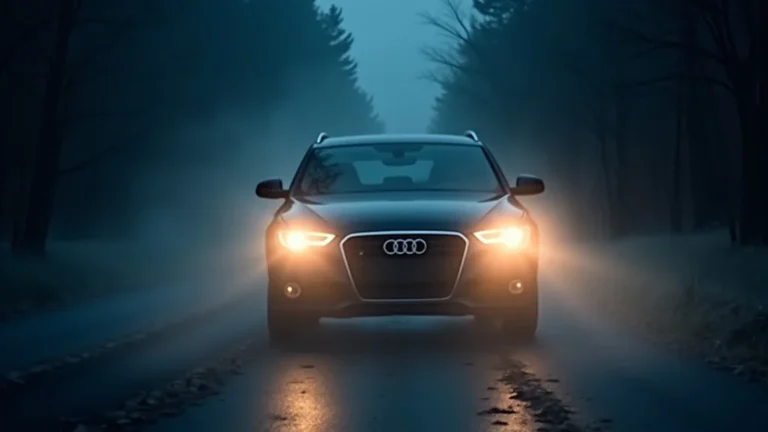
Many examples demonstrate how fog lights improve driving conditions. For instance, consider a case where a driver is in a thick fog on a highway. Regular headlights create so much glare that the driver can see only a few feet ahead. When the driver activates the fog lights, visibility significantly increases. The driver can now see further, spot other vehicles, and safely continue on their way. This is a common situation where fog lights make a big difference.
The impact of fog lights becomes very clear in these situations. They demonstrate how fog lights directly improve driving safety. From spotting obstacles to identifying other cars, fog lights can prevent accidents and help drivers reach their destination safely. Here are some real-life situations that show the importance of using your fog lights.
- Highway Encounter: Imagine a driver on a busy highway entering a dense fog bank. With headlights on, the driver struggles to see more than a few feet ahead. Other cars are mere silhouettes in the distance. The driver then turns on the fog lights, and the road becomes much clearer. The visibility increases, and the driver is then able to distinguish the road markings and other vehicles. This improves the driver’s ability to drive and reduces any safety risks.
- Rural Road Challenge: A driver traveling on a rural road encounters a heavy fog. With standard headlights, the road is barely visible. The driver activates the fog lights, and the immediate area in front of the car lights up. This allows the driver to see the edges of the road, any potential obstacles like animals or potholes, and increases safety.
Statistics on Accidents in Fog
Statistics help to explain the value of fog lights. Studies show that fog-related accidents can be serious. A report by the National Highway Traffic Safety Administration (NHTSA) showed that thousands of accidents are caused by fog each year. These accidents often involve multiple vehicles and result in injuries. Proper use of fog lights, along with other safety measures, can make a difference in reducing the number of these accidents. It can also help decrease the impact of a crash.
Understanding these statistics emphasizes the significance of safe driving practices in fog. It also helps to see the value of technology like fog lights. You can drive safely by using your fog lights, reducing speed, and increasing space. These are some ways to help avoid accidents caused by reduced visibility.
| Year | Fog-Related Accidents | Injuries |
|---|---|---|
Frequently Asked Questions
Question: Can I use my fog lights all the time?
Answer: No, fog lights are designed for fog, rain, snow or low visibility conditions. Using them in clear weather can be distracting to other drivers.
Question: Are fog lights the same as driving lights?
Answer: No, fog lights and driving lights are different. Fog lights are designed for low visibility and driving lights for clear roads.
Question: What color should my fog lights be?
Answer: Most fog lights are yellow or amber, which is thought to be more effective at cutting through fog. But white fog lights are also common and effective.
Question: What do I do if my fog lights aren’t working?
Answer: First, check your fuses and bulbs. If those are okay, check the wiring or take your car to a mechanic.
Question: Are there any rules about when I can use fog lights?
Answer: Yes, check your local laws, but usually, fog lights should be turned on only when visibility is reduced due to fog, rain, or other conditions.
Final Thoughts
Using fog lights in fog correctly is a simple yet very important skill. By understanding how fog lights work, knowing when to use them, and following the guidelines, you can significantly enhance your safety when driving in difficult conditions. Remember, your fog lights are meant to improve visibility in specific situations, and not meant to replace your normal headlights. Always keep your speed low when it’s foggy, and increase your space from other cars. Making sure your fog lights are working and in good condition is also vital. By practicing these safe driving techniques, you can make your drives safer for you and everyone on the road. Now you have the knowledge to see better when the weather is hazy, so stay safe and drive carefully.