Yellow Versus White Fog Lights A Simple Guide for Drivers
Choosing between yellow vs white fog lights can seem tough if you’re new to driving. You see so many options! But don’t worry, it’s easier than you think. This guide will break down the differences between these two types of lights in simple steps. You’ll learn what makes each light work best in different situations. Let’s get started and clear up any confusion you might have!
Choosing the Right Fog Lights: An Overview
The selection of fog lights is more important than it appears, directly affecting your safety and visibility, particularly in adverse weather. Fog lights, by design, are mounted low on the vehicle to illuminate the road beneath the fog. The primary objective is to minimize the amount of light reflected back to the driver’s eyes, improving visual clarity. Different colors and designs affect how they perform in various conditions. Thinking about where and when you drive is key. This initial part will explore the fundamentals of fog lights, why their color matters, and the different considerations when choosing.
What Are Fog Lights and Why Do They Matter?
Fog lights are extra headlights. They are usually placed low on your car, near the front bumper. They’re made to help you see when the weather is bad, like when it’s foggy, raining, or snowing. The goal is simple: to make the road clearer and safer for you and other drivers. Good fog lights can cut through the fog more effectively than regular headlights. It’s like having a little spotlight that helps you see the road close up. Because of where they sit, fog lights illuminate the road closer to the vehicle and reduce glare, making it easier to spot obstacles.
- Placement is key: Fog lights are mounted low on your car. This helps them shine under the fog, not into it, reducing glare.
- Better Visibility: They improve your view of the road, especially in bad weather.
- Safety First: Fog lights make it easier to see other cars and for them to see you.
- Designed for specific conditions: Fog lights are engineered to improve visibility in adverse weather like fog, snow, or heavy rain.
Color and Its Effects on Visibility
The color of your fog lights has a big impact on how well you can see in bad weather. Most of the debate revolves around yellow versus white light. Yellow light, with a slightly longer wavelength, is thought to penetrate fog better. It scatters less and can provide better visibility in dense conditions. White light, on the other hand, gives a brighter overall view. Understanding how these colors work can significantly affect how effectively the lights perform. Color temperature, measured in Kelvin (K), also plays a role in how the light appears. Lower Kelvin values (around 3000K) tend to produce yellow light, while higher values (around 6000K) produce white light.
- Yellow Light: Often preferred for fog, it cuts through the mist and offers better visibility in dense conditions.
- White Light: Provides a brighter, more general illumination, useful in less severe weather.
- Color Temperature: This measurement, in Kelvins, tells you how warm or cool the light appears.
- Wavelength: Longer wavelengths of yellow light are thought to scatter less, improving penetration through fog.
Yellow Fog Lights Explained
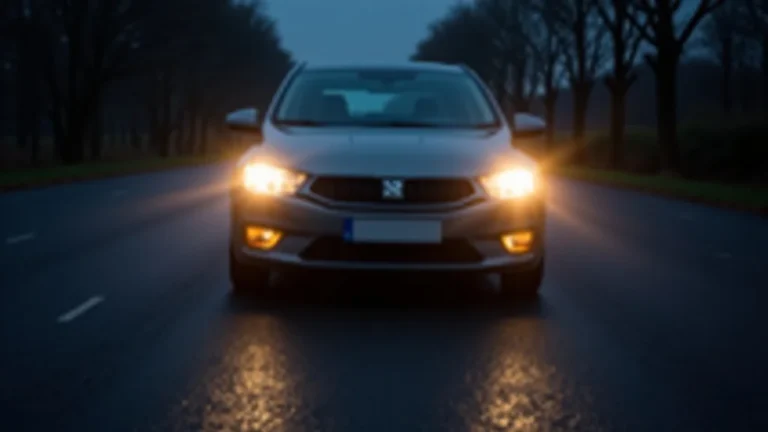
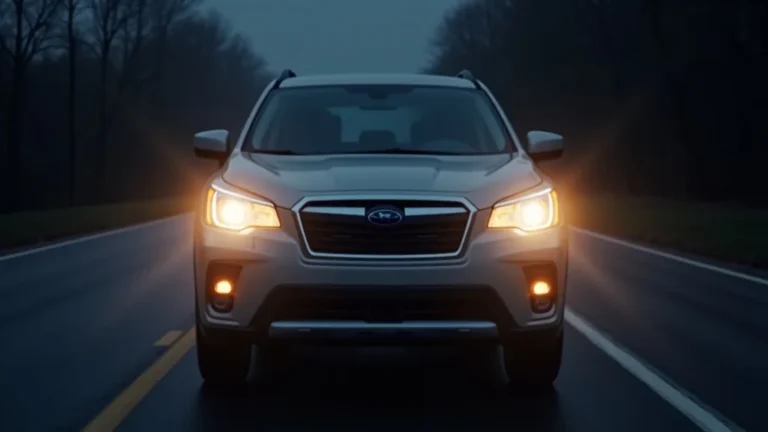
Yellow fog lights, traditionally favored, use a tinted lens or a bulb that emits a yellow hue, usually around 3000K on the color temperature scale. The color helps reduce glare from fog or rain, which can often make white light seem less effective. The science behind this involves the way light interacts with water droplets and particles in the air. Yellow light scatters less than white light, allowing it to travel further through the fog. This characteristic provides a clearer view of the road and helps other drivers see you better. Although they may appear dim compared to white headlights, they are often a good choice in bad weather conditions.
How Yellow Lights Work in Fog
Yellow lights work on the principle of minimal scattering. When light hits water droplets or particles in the fog, it can scatter and reflect back to the driver. This reduces visibility. The longer wavelengths of yellow light scatter less, letting it travel through the fog. This means more of the light reaches the road, enhancing visibility. Using yellow fog lights essentially reduces the “whiteout” effect. They help the driver maintain a clear view of the road ahead, ensuring safer driving in foggy conditions. This difference is why many drivers find yellow fog lights more effective in certain situations.
- Wavelength Advantage: Yellow light has a longer wavelength. This reduces scattering, allowing it to penetrate through fog better.
- Reduced Glare: They produce less glare compared to white lights, making it easier to see in dense fog.
- Enhanced Contrast: Yellow lights often provide better contrast, making it easier to spot objects and road markings.
- Optimized for Fog: Designed specifically for use in foggy conditions, improving road visibility.
Advantages and Disadvantages of Yellow Fog Lights
There are benefits and drawbacks to using yellow fog lights. A key advantage is their proven ability to improve visibility in foggy conditions, reducing glare. Yellow lights often create a better contrast, making it simpler to see objects. However, in clear conditions, the tint can seem less bright compared to white lights, so they might not be as effective for all types of driving. Some drivers might find the yellow hue less appealing. Knowing these pros and cons will help you decide if yellow fog lights are a good fit for your driving needs and preferences.
- Advantages:
- Better visibility in fog.
- Reduced glare.
- Improved contrast.
- Disadvantages:
- Less bright in clear conditions.
- Some find the yellow tint less attractive.
- May not be as effective in rain or snow.
White Fog Lights Explained
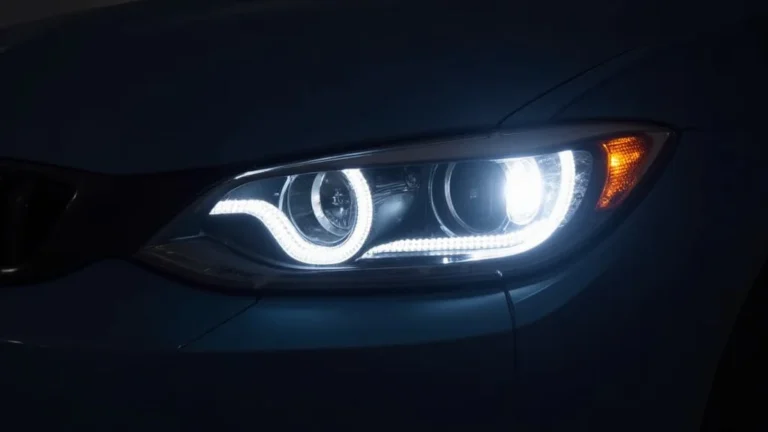
White fog lights are the more common type of fog lights. They provide a brighter, more widespread illumination. These lights often match the color of the car’s headlights. They emit a crisp, white light, usually at a color temperature of around 4000K to 6000K. They are often perceived as being more modern and stylish. While white lights offer great visibility in clear weather, they may not be as good in thick fog as their yellow counterparts. Understanding how white fog lights work will help you make a good choice for your car.
How White Lights Illuminate the Road
White fog lights work by providing a strong, bright beam of light. They use a wide beam pattern to light up the road in front of the vehicle. While effective in clear or slightly hazy conditions, the intensity of white light can reflect off fog particles, causing glare. This glare reduces visibility. In less dense fog or rain, white lights can still offer good visibility, and they may be preferable in these conditions. They help drivers see objects and road markings more clearly. White fog lights are effective on well-lit roads and in clear environments. White lights give a broader view of the road.
- Bright Illumination: White lights offer a strong, bright beam.
- Wide Beam Pattern: They light up a broader area in front of the car.
- Potential Glare: They can cause glare in dense fog.
- Effective in Clear Weather: These lights work well in situations without fog.
Pros and Cons of White Fog Lights
White fog lights have their set of benefits and downsides. A key advantage is the increased brightness, which gives better visibility in clear weather. They often blend well with modern car aesthetics. However, the brightness can cause problems in dense fog. The light reflects and reduces your ability to see the road. It’s helpful to know these details when choosing your lights. These pros and cons will help you choose lights that are best for your driving needs.
- Advantages:
- Increased brightness.
- A modern, stylish look.
- Good visibility in clear conditions.
- Disadvantages:
- Can cause glare in thick fog.
- May reduce visibility in adverse weather.
- Can be less effective than yellow lights.
Comparing Yellow and White Fog Lights
The choice between yellow and white fog lights frequently comes down to specific driving needs and conditions. Each has its strengths and weaknesses, so a side-by-side comparison can help you make a better choice. To help with the decision, consider the typical weather conditions in your area. Also, consider the style you want for your car. This section shows how the two types of fog lights compare in various driving environments.
| Feature | Yellow Fog Lights | White Fog Lights |
|---|---|---|
| Color | Yellowish tint | Bright white |
| Fog Performance | Generally better due to less scattering | May cause glare |
| Clear Weather Performance | Good, but less bright | Excellent, provides strong visibility |
| Aesthetics | Classic or retro appearance | Modern, stylish look |
Performance in Different Weather Conditions
The performance of yellow and white fog lights varies greatly depending on the weather. In dense fog, yellow lights often perform better, as their light cuts through the fog. White lights can cause glare. During rain or snow, both types of lights may provide help, but the choice often comes down to personal preference. Driving in clear weather means white lights are likely the better option due to their bright illumination. Evaluating the common weather conditions where you live helps determine the best type of fog lights.
- Fog: Yellow lights provide better visibility.
- Rain: Both work, but yellow may reduce glare.
- Snow: Both offer some help.
- Clear Weather: White lights offer great visibility.
Choosing the Right Option for Your Needs
Selecting the ideal fog lights involves thinking about your typical driving environments and personal preferences. If you often drive in foggy areas, yellow lights may be the better pick because of their ability to cut through fog and reduce glare. If you spend most of your time driving in clear weather and like a modern look, white lights may be more suitable. It’s often helpful to look at reviews of different light types. Weighing the pros and cons based on your driving habits will ensure a good choice. Consider the appearance you want for your car and the conditions you drive in.
- Assess Your Environment: Do you often drive in fog, rain, or clear conditions?
- Consider Aesthetics: Do you prefer a classic or modern look?
- Check Local Regulations: Are there any rules about fog light colors in your area?
- Read Reviews: See what other drivers have to say about different light types.
Frequently Asked Questions
Question: Are yellow fog lights legal everywhere?
Answer: Yes, in most places, yellow fog lights are completely legal. Some areas may have specific rules about brightness or placement, but the color itself is usually allowed.
Question: Do white fog lights perform better in all weather?
Answer: No, white fog lights perform best in clear weather. They might cause glare in fog, reducing visibility.
Question: Can I switch between yellow and white fog lights?
Answer: Yes, you can often switch. Many cars let you swap out the bulbs for different colors. Check your car’s manual for instructions.
Question: Are brighter fog lights always better?
Answer: Not always. While brighter lights give good visibility in clear weather, they can reduce visibility in fog. The best choice depends on the driving conditions.
Question: How do I know which fog lights my car has?
Answer: Check your car’s manual. Or, look at your car’s lights when they are on. If they have a yellow tint, they are yellow fog lights. If they are bright white, they are white fog lights.
Final Thoughts
Deciding between yellow vs white fog lights is about understanding what each light can do. Yellow lights, known for their yellow glow, are usually best when you’re driving in fog or other tough conditions. White lights, shining bright, are often a solid choice for clear weather, giving you the best visibility. The perfect choice depends on the driving environments you encounter. Now you know the benefits and drawbacks of each. Take into account where you drive, the weather you face, and what you want from your car’s lights. Drive safely, and select the lights that help you drive best!