Fog Lights Versus Low Beam: What You Need to Know
Figuring out the difference between fog lights vs low beam can be tricky when you’re just starting to drive. It’s a common question, and sometimes the answers feel too complicated. Don’t worry, though! We’re going to break it down simply, step by step, so you can easily tell the difference. This guide will clarify when to use each type of light, ensuring you drive safely in any situation. Let’s get started and clear up any confusion!
What Are Fog Lights and When Do You Use Them?
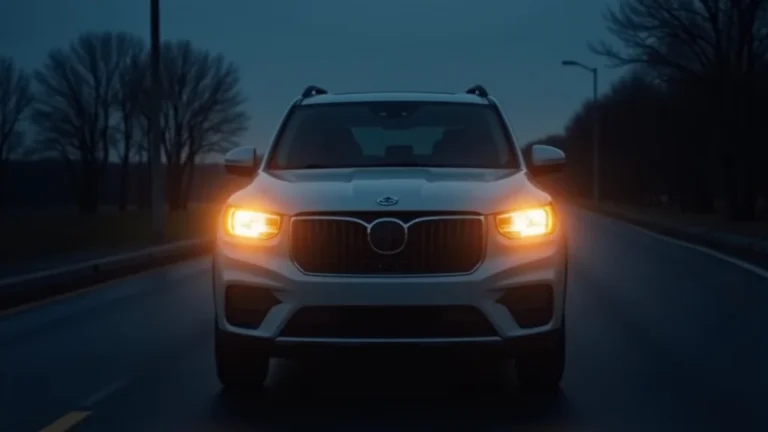
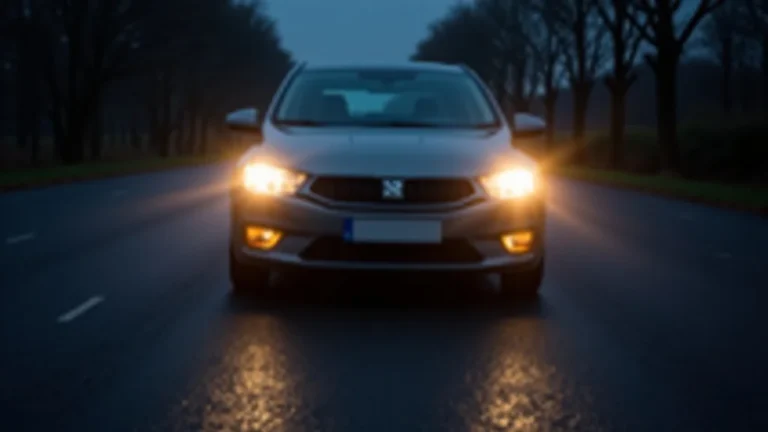
Fog lights are extra headlights designed to help you see in foggy or bad weather conditions. They shine a wide, flat beam close to the ground. This helps to reduce the glare from the fog, snow, or rain, allowing you to see the road better. They’re typically located lower on your car, near the bumper, which helps them cut under the fog where visibility is often clearer.
The Purpose of Fog Lights
The primary reason for fog lights is to increase visibility during poor weather. Normal headlights can sometimes reflect off fog, making it even harder to see. Fog lights are built differently to avoid this. They spread light across a wider area to help drivers see lane markers, the edges of the road, and other cars more easily. These lights provide a key advantage in keeping you safe on the road when visibility is significantly reduced.
- Enhanced Visibility: Fog lights project a wide, low beam that helps drivers see the road ahead even in thick fog, heavy rain, or snow. This can dramatically improve a driver’s ability to react to hazards.
- Reduced Glare: Because fog lights are positioned low and aimed downwards, they reduce the amount of light that reflects back at the driver. This significantly improves visibility, especially in foggy conditions.
- Added Safety: By improving visibility, fog lights give drivers more time to react to potential dangers, such as other vehicles, pedestrians, or road obstacles. This can help to prevent accidents and make driving safer.
- Improved Lane and Road Edge Identification: The design of fog lights helps in identifying lane markers and road edges, guiding the driver in low-visibility circumstances.
- Alerting Other Drivers: The unique color and position of fog lights can also alert other drivers to the presence of your vehicle, especially in conditions with poor visibility.
Fog lights, often emitting a yellowish light, are essential for safety when visibility drops. They are engineered to cut through the haze, making the road ahead more discernible. They work in tandem with other vehicle lights, improving safety during adverse weather.
Fog Light Technical Specifications
Understanding the technical aspects of fog lights helps you better appreciate their design. These lights use a specific type of reflector and lens. These aspects allow them to cast a wide, low beam, close to the ground. This design is crucial for maximizing visibility when it matters most. They use specific types of bulbs (like H11 or LED) optimized to emit a bright, focused light.
- Light Source: Fog lights can use various light sources, including halogen, xenon (HID), and LED bulbs. LEDs are becoming more popular due to their efficiency and long lifespan.
- Lens Design: The lens on a fog light is typically ribbed or textured to spread the light horizontally and create a wide beam pattern.
- Beam Pattern: Fog lights have a specific beam pattern designed to project light close to the ground and to the sides of the vehicle, reducing the glare from fog.
- Color Temperature: The color temperature of fog lights is often around 3000K, which produces a yellowish light that is more effective at penetrating fog.
- Placement: Fog lights are usually mounted low on the front of the vehicle, below the main headlights, to maximize their effectiveness.
The use of the correct bulb, along with the precise beam pattern, is critical. This combination ensures optimal performance in tough conditions. Remember to check the technical specifications of your vehicle to choose the correct fog lights.
Low Beam Headlights: Your Everyday Driving Lights
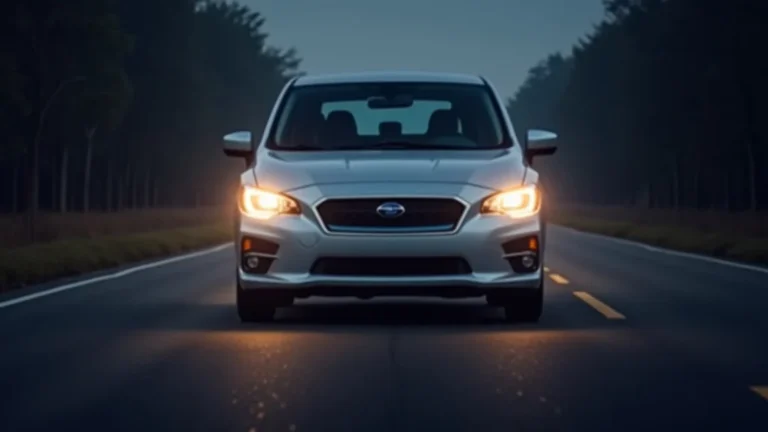
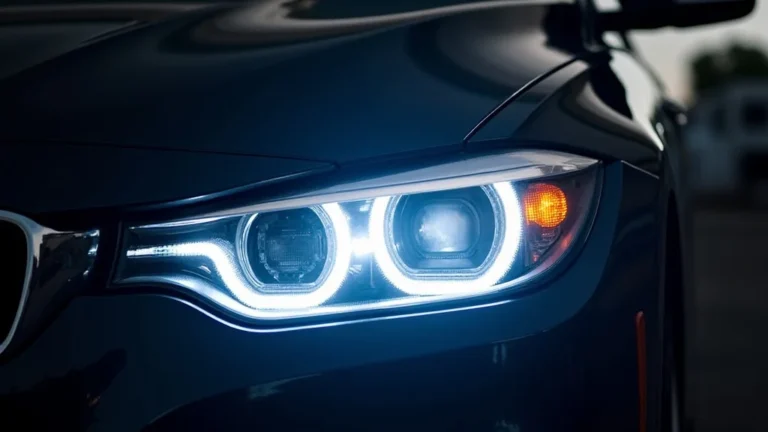
Low beam headlights are your go-to lights for driving at night or in conditions where visibility is reduced. They’re designed to illuminate the road ahead without blinding other drivers. They have a specific beam pattern, usually angled downward, to provide the best possible visibility while minimizing glare for oncoming vehicles.
Low beams are the workhorses of your car’s lighting system. They’re designed for regular driving, providing a balance between illumination and the safety of other road users. Unlike fog lights, which are specialized for poor weather, low beams are versatile enough for most nighttime driving scenarios.
Purpose of Low Beam Headlights
The main role of low beam headlights is to light up the road at night or in conditions with limited visibility. They light up the road for your car so you can drive. They ensure you can see far enough ahead to react to any sudden situations, like unexpected obstacles or sudden turns. These lights allow other drivers to see you. This can help avoid accidents.
- Night Driving: They’re designed for nighttime use, providing enough light to see the road without causing excessive glare to other drivers.
- Reduced Visibility Conditions: Useful in situations like dusk, dawn, or during rain where visibility is lower than ideal.
- Balancing Visibility and Glare: Low beams are engineered to project light onto the road in a way that provides good visibility for the driver while minimizing the risk of blinding other drivers.
- Road and Environment Illumination: They help in spotting obstacles, pedestrians, and road signs in low-light environments.
- Improved Vehicle Awareness: They help other road users see your vehicle. This can help prevent accidents.
Low beams are critical for safe driving at night. They balance the need for visibility with the need to avoid blinding others. Using them correctly is a key part of responsible driving.
Low Beam Technical Details
Low beams have their own technical details, specifically with the type of light they emit and the beam pattern they use. You’ll find different bulb types. They all work to produce the light needed for safe driving. Understanding these elements can help you maintain your car’s lighting system.
- Bulb Types: Low beams can use a variety of bulbs, including halogen, xenon (HID), and LED. Each type has its own characteristics in terms of brightness, lifespan, and energy efficiency.
- Beam Pattern: The beam pattern is designed to shine downwards, illuminating the road ahead without dazzling oncoming drivers.
- Light Distribution: Low beams are designed to provide a wide beam of light to illuminate the sides of the road and a focused beam to illuminate the path directly in front of the vehicle.
- Brightness: The brightness of low beams is regulated to provide adequate visibility without being overly bright and creating a hazard for other drivers.
- Adjustment: Low beams can often be adjusted to change the angle of the light beam. This can be important when carrying heavy loads or driving on uneven roads.
The proper use of these lights depends on their design. Understanding these technical points ensures you can use your lights effectively and safely. Regular maintenance of these lights is crucial.
Fog Lights Versus Low Beam: When to Use Each
Deciding when to use fog lights vs low beam depends on the conditions. Low beams are for regular driving at night or during twilight. Fog lights are specifically for foggy, snowy, or rainy conditions where visibility is poor. Knowing when to use each can significantly impact safety.
The key to safety is choosing the correct lights based on the driving environment. Knowing the right time to switch between fog lights and low beams can make a big difference in both your safety and that of other drivers. Remember, the goal is always to see and be seen.
Appropriate Use of Fog Lights
Fog lights are best used when visibility is significantly reduced due to fog, heavy rain, snow, or dust. They’re designed to cut through these conditions. You should only use them when necessary. Using them in clear weather can be distracting and may even be illegal in some areas.
- Fog: Turn on fog lights when you are driving in thick fog. Their low, wide beam cuts under the fog layer, improving visibility.
- Heavy Rain: In heavy rain, fog lights can help illuminate the road and make your vehicle more visible to others.
- Snow: Fog lights can be helpful in snowy conditions, reducing the glare from the snow and improving your ability to see.
- Dust Storms: In areas prone to dust storms, fog lights can help you see and be seen when visibility is low.
- When Visibility is Reduced: Use fog lights whenever your visibility is significantly reduced, making it hard to see the road or other vehicles.
Remember that fog lights are a tool for a specific situation. They are made to help you see the road and make it easier for others to see you. Proper use helps make you safer on the road.
When to Use Low Beams
Low beams are essential for driving in low-light conditions. They are the lights you should use most of the time at night. They strike a balance between illuminating the road and preventing glare. Their primary role is to make sure you can see the road.
- Night Driving: Low beams are essential for driving at night. They provide enough light for you to see the road and for other vehicles to see you.
- Dusk and Dawn: Use low beams during dusk and dawn, when there is not enough natural light for safe driving.
- Rain and Snow (Moderate Conditions): In moderate rain or snowfall, low beams provide enough light without creating excessive glare.
- Entering Dark Tunnels: Switch to low beams when entering dark tunnels to increase visibility.
- Meeting Oncoming Traffic: Use low beams when meeting oncoming traffic to avoid blinding other drivers.
They are essential for safe driving in many situations. They help you and other drivers stay safe. Be sure to use them when they are the right choice for the conditions.
Practical Scenarios: Choosing the Right Lights
Understanding real-world scenarios makes it easier to choose between fog lights vs low beam. Recognizing the specific conditions and selecting the right lights is crucial for safe driving. Here are some examples to help you make the right choice.
By exploring these situations, you will be able to make smart choices on the road. Remember to always adjust your driving to meet the conditions. These scenarios are designed to help you confidently select the right lights.
- Scenario 1: Driving on a clear night. You’re driving down a well-lit road on a clear night. Other vehicles are also on the road.
- Action: You should use your low beams. Low beams provide enough light for you to see, without being too bright for other drivers.
- Scenario 2: Driving during a heavy snowfall. You are driving on a highway during a heavy snowstorm. Visibility is significantly reduced.
- Action: Use your low beams and fog lights. Low beams help illuminate the road ahead, and fog lights will help to cut through the falling snow and improve your visibility. Be sure to turn off your high beams, as they will reflect off the snow.
- Scenario 3: Driving in dense fog. You’re on a country road, and dense fog rolls in, reducing visibility to a few feet.
- Action: Turn on your fog lights. Fog lights are designed to cut through the fog and improve visibility. Keep your speed low and be extra cautious.
- Scenario 4: Driving during a light rain. It’s raining lightly, and visibility is slightly reduced.
- Action: Use your low beams. Low beams are suitable for light rain conditions, offering adequate visibility without causing glare.
These examples provide you with valuable insights. They help you use the right lights for the correct conditions.
Fog Lights and Safety Regulations
Knowing the laws and regulations about fog lights is crucial. This will make sure you are using the lights correctly. Following these rules keeps you safe and helps you avoid getting into legal trouble. Understanding these legal requirements is essential for driving safely.
You can improve your safety by understanding the specific rules. Rules change from place to place. By knowing these rules, you will be a safer driver.
Legal Requirements and Guidelines
Regulations for fog lights vary depending on your location. It’s important to know the rules in your area. They often specify when fog lights can be used, their brightness, and their placement on the vehicle. Failing to comply can lead to fines.
- Use in Specific Conditions: Most regulations specify that fog lights can only be used during conditions of reduced visibility, such as fog, snow, or heavy rain.
- Placement and Aiming: The placement and aiming of fog lights are usually tightly controlled. They must be mounted low on the front of the vehicle and aimed correctly to avoid blinding other drivers.
- Automatic Cut-Off: Some vehicles have a system that automatically turns off the fog lights when high beams are activated, as high beams are not compatible with fog lights.
- Color Restrictions: Most places allow only white or yellow-colored fog lights.
- Local Laws: Rules vary by state or region, so it’s important to know the local laws where you drive.
Adhering to legal standards is not just about avoiding penalties. It’s also about helping to keep you and other people on the road safe. Being aware of and following these regulations will help ensure your safety.
Penalties for Incorrect Usage
Using fog lights incorrectly can result in penalties. These can vary. You might get a warning or even face a fine. Incorrect use can also lead to more serious issues if it contributes to an accident.
The consequences of misuse can have an impact on your driving record and your finances. Always know the correct way to use your lights. This awareness helps you keep everyone safe.
Here are some examples of penalties for misusing fog lights:
- Fines: Many regions have fines for using fog lights in clear weather. The amount can vary.
- Points on Your License: In some areas, misuse of lights can result in points on your driving record, which can lead to higher insurance premiums.
- Vehicle Inspection Failures: If your fog lights are not correctly installed or used, your vehicle might fail its inspection.
- Accident Liability: If incorrect use of fog lights contributes to an accident, you may face liability issues.
- Warnings: Initially, law enforcement might issue a warning before levying a fine, giving you a chance to rectify the situation.
The key here is safe use. It is about understanding the rules. This includes the regulations around fog lights. Proper use reduces risks and makes driving safer.
Frequently Asked Questions
Question: Can I use fog lights at night if it’s not foggy?
Answer: No, it is generally not recommended to use fog lights at night unless there is fog, heavy rain, or snow. Using them in clear conditions can be distracting and may violate local regulations.
Question: Can fog lights replace low beams?
Answer: No, fog lights are not designed to
Question: Are fog lights brighter than low beams?
Answer: No, fog lights are typically designed to have a less intense beam than low beams. Their purpose is to illuminate the road close to the ground, rather than to project light far ahead.
Question: What’s the difference between fog lights and daytime running lights (DRLs)?
Answer: Fog lights are for use in bad weather, while DRLs are for making the vehicle more visible during the day. DRLs are often lower in intensity than headlights and automatically turn on when the engine starts.
Question: Can I adjust my fog lights?
Answer: Yes, in many vehicles, the fog lights can be adjusted. If you feel like your fog lights aren’t illuminating the road effectively, you can adjust them. However, always ensure you’re adjusting them safely and following guidelines.
Final Thoughts
Mastering the use of fog lights vs low beam is a crucial skill for every driver. It ensures you drive safely in a wide variety of conditions. Low beams are your reliable option for nighttime and regular driving conditions, providing the right balance of visibility and courtesy to other drivers. Fog lights, on the other hand, are the special tools you turn to when visibility is significantly reduced by fog, heavy rain, or snow. Their design helps cut through these conditions and enhance your safety.
Remember that the key to using these lights is knowing when to switch them on. Make a habit of checking your lights as part of your pre-drive checks. Always be aware of the environment, and be ready to adapt to changing weather conditions. By applying what you’ve learned here, you’ll be a more informed and safer driver, helping to keep yourself and others secure on the roads. Drive safely, and always keep visibility as a top priority!