Fog Light Installation Cost Explained for Vehicle Owners
Figuring out the fog light installation cost can seem tricky when you’re just starting. You might wonder where to even begin, or worry about getting ripped off. This is a common issue for many vehicle owners! Don’t fret; this guide makes it simple. We’ll show you exactly what affects the cost, breaking down each step. Get ready to explore everything, from buying the lights to finding a good mechanic. Let’s start!
What Influences Fog Light Installation Cost?
The total price you pay for fog lights depends on several things. Factors like the type of lights you pick, the make and model of your car, and where you go for installation all play a role. There’s also labor cost which differs depending on where you are. Some people choose to do the installation themselves, which can save money. However, this demands some basic know-how about car electrical systems. We’ll explore each factor to help you plan your budget. This helps in making smart choices, without unnecessary spending.
Types of Fog Lights and Their Price Tags
Fog lights are not all the same; the kind you choose impacts the price. Halogen lights are the budget-friendly option, providing decent performance but using more power. LED lights, on the other hand, are efficient and last longer. They also offer a brighter, more focused beam. Then there are HID (High-Intensity Discharge) lights, which are very bright and offer a stylish look but require special ballasts and are often more expensive. Also, the shape and size are relevant. Let’s explore each option in detail.
- Halogen Fog Lights: Halogen lights are the most affordable fog light choice. They use a filament that glows when heated by electricity, producing a warm light. The initial purchase price is low, which makes them a popular option for budget-conscious buyers. However, they use more energy and don’t last as long as LEDs. Replacing them more often can increase the overall cost.
- LED Fog Lights: LED fog lights are the modern choice. LED stands for Light Emitting Diode. They use significantly less power than halogen lights while delivering more light. LEDs also last much longer. Although the upfront cost is higher than halogen, the lower energy use and extended lifespan can save money over time.
- HID Fog Lights: HID lights, or High-Intensity Discharge lights, are the brightest. They produce light by sending electricity through a gas, like xenon. They give off a powerful, very bright light, which helps with visibility in tough weather. HID lights usually cost more than both halogen and LED options. They also require special ballasts, which can raise the installation cost.
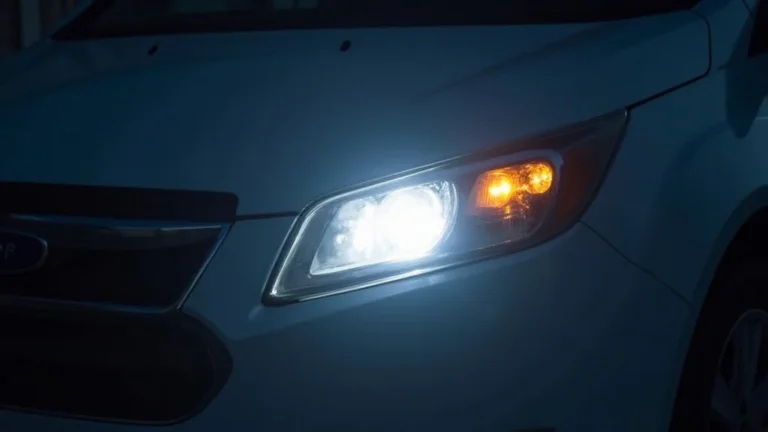
Consider this: halogen lights are a classic, offering a basic solution. They are simple to install and come in a variety of shapes and sizes to match different car models. However, the light output might not be as strong or as focused as the other types.
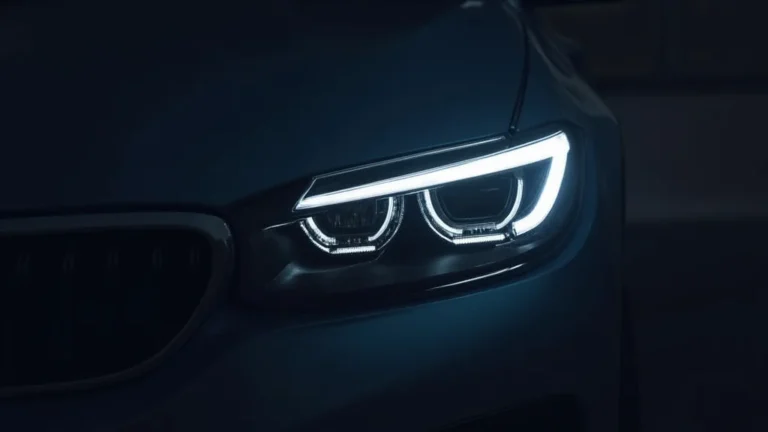
Here’s a fact: LEDs offer a bright, clear light. They also switch on quickly. This is crucial in foggy weather when you need immediate visibility. Many drivers opt for this style for its energy efficiency and long-term cost benefits. Their design allows for a more focused beam pattern, which is great for seeing through fog.
HID lights have a distinct look, which appeals to many car owners. They are extremely effective in dark or foggy conditions. Because of their brightness, it is important to ensure they are aimed correctly to avoid blinding other drivers. Installing HID lights often takes more experience, potentially adding to the installation cost if you choose to get professional help.
Vehicle Compatibility and Installation Needs
The make and model of your car play a major role in the fog light installation cost. Different vehicles have different designs, and some are easier to work with than others. Cars that already have the wiring and mounting points pre-installed can cut down on labor time and costs. Cars that do not have existing setups might need more work and parts, which can be more expensive. Also, the complexity of your vehicle’s electrical system adds to the job’s complexity.
- Factory-Installed vs. Aftermarket Options: If your car came with fog lights from the factory, replacing them is usually easy. Aftermarket fog lights come in a variety of styles. If you’re adding fog lights to a car that didn’t have them originally, it usually needs more effort.
- Professional Installation vs. DIY: Doing the job yourself can save money. However, it requires some electrical knowledge and the right tools. If you’re not comfortable with car repairs, it’s best to have a professional do it.
- Wiring and Electrical System: The complexity of your car’s electrical system impacts the cost. Older cars might have simpler systems, while newer cars have more advanced electronics. Installing fog lights sometimes requires tapping into the car’s electrical system. This can be complex, especially with modern vehicles.
Factory-installed lights often use existing wiring, reducing the installation time. Aftermarket lights sometimes involve running new wires and mounting brackets. This depends on what the car already has.
Professional installation ensures that everything is done correctly. It also usually comes with a warranty. DIY installation can save on labor costs. However, you need to follow all safety steps to avoid problems.
Your car’s electrical system must be able to handle the additional power draw. Wiring must be done securely to avoid shorts or electrical problems.
Breaking Down Labor and Parts Expenses
The overall fog light installation cost is the sum of parts costs and labor costs. Parts include the fog lights themselves, plus any required wiring, switches, or mounting hardware. Labor charges depend on the mechanic’s hourly rate and the time it takes to complete the job. It helps to get a clear estimate before the work starts. This way, there are no surprises about what you are paying.
Understanding Part Prices
The price of the parts is directly proportional to the type and quality of fog lights you choose. This can involve the lights themselves, wiring harnesses, mounting brackets, and any other needed hardware. Shop around to compare prices. Consider brand reputation and read reviews to ensure you’re getting value. Also, factor in any additional parts your specific vehicle may require.
- Fog Lights: The main cost is the fog lights themselves. Price depends on the type (halogen, LED, HID) and brand. LED and HID lights are usually more expensive upfront.
- Wiring and Hardware: You might need wiring harnesses, connectors, and mounting brackets. Some cars come ready with the mounting locations and wiring. For others, you have to purchase these things separately.
- Switches and Relays: A switch to control your lights is needed. If your car doesn’t have an existing fog light setup, you will need a relay to manage the power supply.
Consider whether you want to buy fog lights individually or in a set. Some sets come with all the needed components, such as wiring and switches, which can make the process easier.
These parts are typically less expensive than the lights. However, they are essential for a safe and correct installation. Buying quality components prevents future issues.
Make sure that your switches and relays are compatible with your car’s electrical system. This will prevent issues. The wiring needs to be done with care to prevent any damage.
Labor Cost Factors
Labor charges are based on the mechanic’s hourly rate and the job’s complexity. Different shops may charge varying rates, so it’s wise to ask around. The total time for installation is based on the car’s model and the type of fog lights. If your car requires much more wiring or mounting, it may take longer. Always ask for a written estimate to avoid problems.
- Mechanic’s Hourly Rate: This varies depending on the location and the shop’s overhead. Shops in big cities often charge more than those in smaller towns. Experience and reputation affect the rates charged.
- Installation Time: The amount of time depends on the car and the fog lights you pick. A simple installation might take a couple of hours. More complex jobs, especially on cars without existing wiring, can take longer.
- Vehicle Complexity: Newer cars with more complex electrical systems can add to labor costs. Older cars with simpler systems might be faster to work on.
Get quotes from multiple shops to compare pricing. Make sure the labor cost includes any diagnostic work needed to make sure your fog lights work the way they should.
Ask the mechanic how long they expect the job to take. A realistic estimate can help you prepare and plan.
If your car has many features, there could be more steps involved. The mechanic needs to be familiar with your car’s make and model.
Where to Buy Fog Lights and Get Installation Services
There are many places to get fog lights and find installation services. Online retailers, auto parts stores, and local mechanics all offer fog light options. Shopping around can help you find good deals and ensure that the installation is done well. Think about the convenience, costs, and guarantees when choosing where to get your fog lights. Compare reviews to see what others say about the quality and performance of different brands and shops.
Online Retailers vs. Local Auto Parts Stores
Online retailers, like Amazon and specialized automotive sites, provide a vast selection. You can compare different brands and light types and often get lower prices. Local auto parts stores provide the benefit of immediate access and the potential for in-person advice. Think about what works best for your needs in terms of price, selection, and help available. Consider whether you need advice before buying, and if you are comfortable installing the lights yourself.
- Online Retailers: Online retailers offer a huge variety of fog lights at competitive prices. You can easily compare different options. Some also provide customer reviews.
- Local Auto Parts Stores: Local auto parts stores let you see the lights and get help from staff. They can provide advice on fit and installation.
A big advantage is convenience. You can shop from home and have your new fog lights delivered.
You can often pick up parts immediately if you need them right away. Many shops will do the installation for you.
Finding a Qualified Mechanic
A good mechanic can make a big difference in the quality of your fog light installation. When selecting a mechanic, it’s good to check their experience. Read reviews and ask for recommendations from people you trust. Make sure the mechanic has experience with your car’s make and model. Check that they offer a warranty on their work. A reliable mechanic is a smart investment.
- Checking Reviews and Recommendations: See what other people say about their experience with the shop. Look for reviews online or ask friends. Recommendations from friends and family are useful.
- Experience and Expertise: Ensure the mechanic has experience with car electrical systems. Ask if they have worked on your car’s model.
- Warranty and Guarantee: A warranty on the work gives you peace of mind. A guarantee shows that the shop stands behind its services.
Positive reviews indicate a reliable and trustworthy mechanic. Reviews also provide details about customer service.
Expertise means the job will likely be done correctly. The mechanic will also be able to solve any issues that arise during the installation.
If something goes wrong after the job, a warranty will usually cover it. This adds an extra layer of protection.
DIY Fog Light Installation: A Step-by-Step Guide
Doing your own fog light installation can save money. However, this is only for those who are confident working with car electrical systems. You will need some basic tools and a good grasp of the steps involved. Follow the car manufacturer’s instructions, if available, for your specific model. This section walks through the main steps of a basic installation. Please keep safety first.
Getting Ready: Tools and Materials
Before you begin, gather the needed tools and materials. This includes the fog lights themselves, any needed wiring, and the appropriate tools to do the work. If you are not familiar with these tools, do your research. Keep your work area safe and clean.
- Required Tools: You will need screwdrivers, a wrench set, wire strippers, and crimpers. Also, you may need a multimeter and electrical tape. Some cars might require a drill.
- Necessary Materials: You will need the fog lights, wiring harnesses, mounting brackets, a switch, and relays (if needed). You should use electrical connectors and fuses.
- Safety Gear: Wear safety glasses and gloves. Work in a well-ventilated area. Disconnect the car’s battery before starting any electrical work.
Make sure you have all the tools before starting the installation. This saves time and frustration. If you don’t own these tools, you can rent them at an auto parts store.
It is useful to have extra wiring and connectors, in case of any issues. Check that the components match your car’s electrical system.
Always put safety first. Disconnecting the battery helps prevent electric shock and short circuits.
Installation Process: Step-by-Step
Here’s a basic overview of how to install fog lights. Please read the instructions for your specific fog light kit. Every car is different, and the steps may vary. This is a general guide and is not a
- Prepare the Vehicle: Park on a flat surface and turn off the engine. Disconnect the car’s negative battery cable to prevent electrical shorts. Use jack stands to safely raise the vehicle.
- Mount the Fog Lights: Attach the mounting brackets to the fog lights. Position the fog lights in the car’s front bumper or other designated location. Secure the brackets and fog lights to the car.
- Wire the Lights: Run the wiring harness from the fog lights to the car’s interior. Connect the wires to the switch, relay, and fuse box. Use wire connectors.
- Install the Switch: Mount the fog light switch inside the car, in a location that you can reach easily. Connect the switch to the wiring harness.
- Connect the Relay and Fuse: Install the relay and fuse according to the instructions. The relay manages power, while the fuse protects the electrical system.
- Test and Finish: Reconnect the battery. Test the fog lights to ensure they work. Secure all wiring, then put any covers back on.
Work in a well-lit and well-ventilated space. Removing the negative battery cable is an important safety step.
Make sure the fog lights are aligned correctly. Tighten all bolts firmly.
Make sure all wires are secured and protected from damage. Connect the wires to the correct terminals.
Find a good spot for the switch. Ensure that the switch is easily accessible when driving.
A relay prevents excessive current draw and protects the lights. The fuse protects the circuit from overload.
After the installation, check the lights and the switch. Check that the lights switch on and off.
Troubleshooting Common Issues
Even the best DIYers can have issues. If the lights do not work, first, check all the connections. Review the wiring diagram and ensure that everything is hooked up correctly. Use a multimeter to test for power. If you are struggling, don’t keep trying. Seek help from an experienced mechanic to prevent making things worse.
- Lights Don’t Turn On: Check for loose connections. Inspect the fuse and relay. Make sure the switch works.
- Flickering Lights: Check the connections and the ground wires. Make sure the power supply is stable.
- One Light Not Working: Inspect the bulb, connections, and wiring for the specific light. Switch the bulbs to test if the bulb is defective.
Loose connections and faulty components are the most common causes of the problem. Use a multimeter to trace the power.
Flickering often means a bad connection or a failing component. Inspect all wires and connections.
This could be a faulty bulb or a problem in the wiring. The testing can help you determine the specific source of the issue.
Frequently Asked Questions
Question: How much does fog light installation cost on average?
Answer: The total cost usually ranges from $100 to $500. This is just an estimate. It covers a lot of things: the lights themselves, the labor for installation, and any extra parts. The exact cost depends on several factors, such as the kind of lights, your car model, and the shop’s rates.
Question: Can I install fog lights myself, and is it a good idea?
Answer: Yes, you can install fog lights yourself if you’re comfortable with car repairs and basic electrical work. It can save you some money, but it needs the right tools and knowledge. If you are unsure, it is best to get help from a mechanic, because a bad install can result in damage.
Question: What’s the difference between LED, halogen, and HID fog lights?
Answer: Halogen lights are the cheapest and use a filament. LEDs use less power and last longer. HIDs are very bright and use gas. They all produce light differently, and the price and performance depend on which one you choose. LEDs are a popular option because of their bright light and efficiency.
Question: What do I need to prepare if I am installing fog lights myself?
Answer: You’ll need the fog lights, wiring harnesses, a switch, and mounting brackets. You’ll also need basic tools like screwdrivers, a wrench set, and wire strippers. Safety gear is also important. Always remember to disconnect your car’s battery before you start working.
Question: Does the type of car I own affect the installation cost?
Answer: Yes. The make and model of your car affects the fog light installation cost. Cars that already have wiring and mounting points will usually have lower labor costs. Adding fog lights to a car without the basic setup needs more work and parts, which can cost more.
Final Thoughts
The fog light installation cost is a combination of several factors. The type of lights you pick, where you get them installed, and your car’s specific design are all key. Understanding these factors helps you make good decisions. You now have a better idea of how the cost is broken down. Explore different fog light types, compare prices, and decide if you want a professional or DIY installation. Armed with this knowledge, you can get the fog lights you need without overspending. Take the first step, get those fog lights, and improve your driving experience today.