Can You Be Stopped for a Headlight Out? Know the Rules
It’s a common question for new drivers: can you get pulled over for one headlight out? The laws about vehicle lighting can feel tricky. Don’t worry, we’ll break it down in simple terms. This article will show you what the rules are. We’ll explore the law. You’ll learn what you need to know. Get ready to explore the answer and gain some useful tips!
Lights and the Law: A Quick Overview
Vehicle lighting rules are created to keep roads safe. Lights help drivers see. They also help other drivers see your car. When lights don’t work, it’s a safety problem. This section will look at the basics. We’ll explore why lights matter and what the law says.
Why Vehicle Lighting Matters
Good lighting helps prevent accidents. Headlights let you see the road at night. They also make your car visible to others. Tail lights and brake lights alert others when you stop. Turn signals show when you are going to turn or switch lanes. These lights help everyone stay safe. Imagine driving without headlights. It would be super dangerous! All your vehicle’s lights are a system working together to increase visibility and decrease collisions.
- Visibility at Night: Headlights let drivers see the road when it’s dark. This is super important to spot hazards and other vehicles. Without proper headlights, nighttime driving is very dangerous.
- Alerting Other Drivers: Tail lights and brake lights tell other drivers when you are stopping. Turn signals tell others when you are turning. These lights help to prevent crashes.
- Improved Safety for All: Properly working lights benefit everyone. They help keep everyone safe. They reduce the risk of accidents.
Headlights are key during dawn and dusk. This is when there’s not much light. Drivers often have a tough time judging distances and seeing other vehicles. If your headlights aren’t working, the dangers are much higher.
Good lighting prevents rear-end accidents. It prevents drivers from cutting in front of you. It prevents other accidents.
Good lighting keeps drivers safe. It keeps passengers safe. It keeps pedestrians and cyclists safe. Your lights help to make sure everyone can see and be seen.
The Legal Requirements for Vehicle Lights
The rules about lights are different in each state. However, they’re all made to protect drivers. The rules will specify which lights are required. They also explain how the lights should work. The local laws will give the rules about headlights, tail lights, and turn signals. They cover brake lights, and other lights like hazard lights.
- Headlights: States usually require two working headlights. They must be bright enough. They have to be properly aimed. The lights must function at night and sometimes during bad weather.
- Tail Lights: Tail lights are required. They need to work. They must be red. They must be visible from a certain distance.
- Brake Lights: Brake lights must work properly. They must light up when you press the brakes. They need to be bright enough to be seen.
- Turn Signals: Turn signals are required. They must be working and visible. You must use them before you turn. You must also signal when you change lanes.
Some states have rules about the color of headlights. Many states don’t allow flashing or colored headlights. The aim is to make sure headlights don’t distract other drivers.
These lights are essential. They make sure drivers see your car when it is dark or when there is low visibility.
Brake lights are very important for safety. They alert drivers when you are slowing down. They help prevent rear-end collisions.
Turn signals prevent accidents. They let other drivers know what you plan to do. This allows them to react safely.
Can You Be Stopped for a Single Headlight Out?
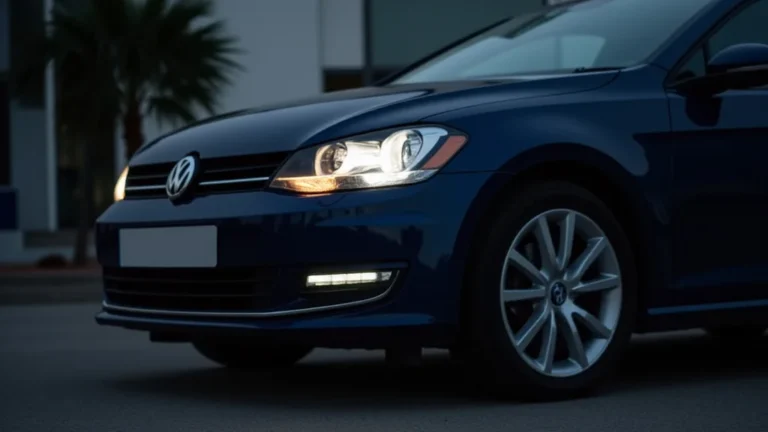
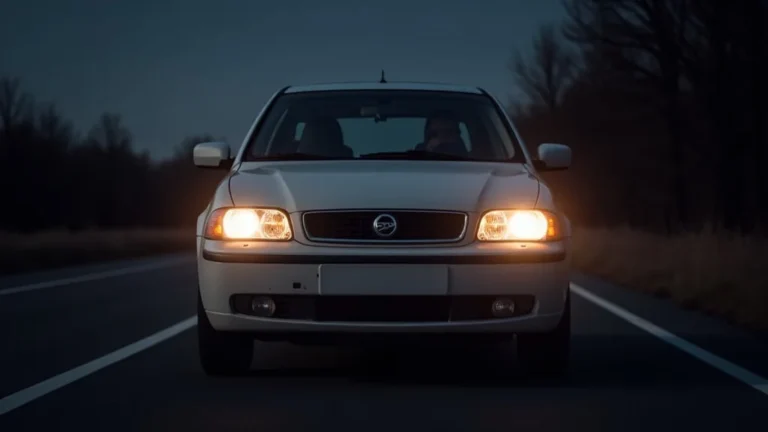
The main question is can you get pulled over for one headlight out? The answer is usually yes. Having a headlight out is often a reason for a police stop. It’s often seen as a safety hazard. We will now explore the reasons behind this. We’ll also see what the likely consequences are if this happens.
Why a Single Headlight Can Lead to a Stop
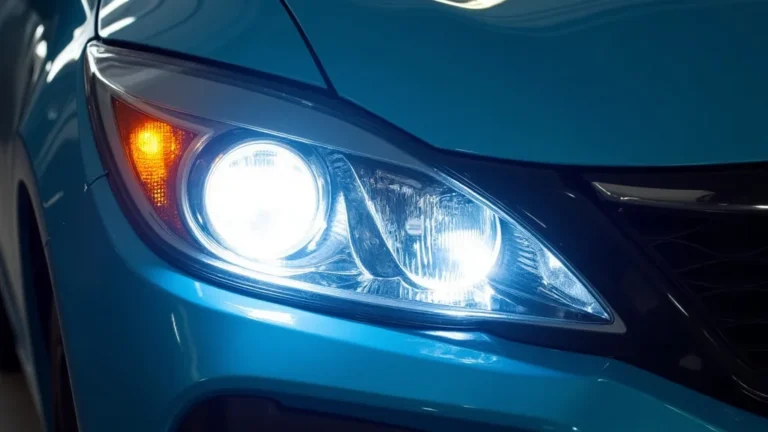
When a headlight is out, it reduces your car’s visibility. It makes it harder for other drivers to see you. This increases the chances of an accident. The police stop cars for safety. They want to make sure the roads are safe for everyone. A headlight out is an easy problem to see. It’s also a clear violation of many traffic laws.
- Reduced Visibility: One headlight makes your car harder to see at night. It is more difficult to estimate the vehicle’s speed and distance.
- Safety Concerns: Headlight issues are safety issues. Having one headlight out suggests there might be other problems with the car’s electrical system. This could affect other lights and vehicle functions.
- Violation of Traffic Laws: Most states have laws about vehicle lighting. These laws say a car needs to have two working headlights. Having one headlight out breaks these laws.
Other drivers might not see your car until it is very close. This raises the risk of a crash. The diminished visibility is one key reason why a single headlight violation is a major safety concern.
A police officer might stop your car. They are making sure your vehicle is safe to drive. Your car is supposed to be safe for you and others on the road.
The police can issue a ticket. This is because you are violating the traffic laws. This is why a police officer might stop your car.
Potential Consequences of a Headlight Violation
The consequences can vary. They depend on the local laws and the officer’s discretion. You might get a warning. Or, you might get a ticket. There might be a fine. Some states require you to fix the problem and provide proof. You should always be polite. Cooperate with the officer. This helps avoid making the situation worse.
- Warning: In some cases, the officer might just give you a warning. This is more common if it is your first offense.
- Ticket and Fine: You can get a ticket. You might have to pay a fine. The cost of the fine varies. It depends on where you live. It also depends on the specific violation.
- Mandatory Repairs: You might be required to fix the headlight. You might have to show proof that you fixed it. You may need to provide proof to the court.
- Insurance Implications: A ticket can affect your insurance. It could cause your insurance rates to go up. This is because a ticket increases the risk.
The officer might see you’ve made a mistake. They might tell you to fix the headlight. This can happen if the officer thinks you will fix it immediately.
You can get a ticket. The ticket means you must pay a fine. You must fix the problem. You might have to go to court.
You might have to show you fixed the headlight. This keeps the roads safe. It also makes sure you are obeying the traffic laws.
A ticket can cause your insurance rates to go up. This is because insurance companies see you as more of a risk. Your rates may go up for a few years.
What to Do if Your Headlight Goes Out
It’s important to know what to do if you realize you have a headlight out. You should take actions to ensure your safety and follow the law. Here’s a step-by-step guide. It will help you handle the situation effectively.
Immediate Actions to Take
Safety is the most important thing. As soon as you realize a headlight is out, it’s essential to take some immediate actions. These can help keep you safe. They’ll also help reduce the chances of getting stopped by the police.
- Turn on Your Hazard Lights: Turn on your hazard lights right away. This will warn other drivers. This shows you have a problem. It increases your visibility.
- Pull Over Safely: Find a safe place to pull over. Do this when it is safe. Get off the road. Stay away from traffic.
- Assess the Situation: Check which headlight is out. If it is safe, try to fix it. Determine if you can replace the bulb. Determine if you need professional help.
Hazard lights tell others there is a problem. They are often called emergency flashers. They help other drivers to pay attention.
Choose a well-lit area if possible. Make sure your car is completely off the road. Be sure to turn on your hazard lights to warn other drivers.
Sometimes you can change the bulb yourself. You might need to go to a repair shop. Determine the best choice. Make sure it’s safe to do this.
Making the Repair or Replacement
You can sometimes fix the problem yourself. Replacing a headlight bulb is easy. You can do it yourself with a few simple tools. If you’re not comfortable, you should seek help. There are auto repair shops that can fix the light.
- Replacing the Bulb: If you are comfortable, replacing the bulb is not hard. You can usually find the correct replacement at an auto parts store. Follow the steps in your car’s manual.
- Seeking Professional Assistance: If you’re not comfortable replacing the bulb, go to a mechanic. They will fix the headlight. They will also make sure the electrical system is ok.
- Checking Other Lights: While fixing the headlight, inspect the other lights. Make sure your tail lights and brake lights are working.
Your owner’s manual will show you how to do it. It gives clear instructions. Make sure the light is off before you do this. This prevents electric shock. You need to use the right bulb for your car.
A mechanic can also find if there are other problems. If you can’t replace the bulb, do not attempt to fix it. Get a professional to do it. They have special tools. They can get the right parts.
Check the other lights to make sure they are working. Make sure your turn signals are also working. These lights are important for safety. They also help to prevent getting another ticket.
Additional Considerations
Besides the main steps, there are other points to keep in mind. Consider your driving habits. Be aware of the road conditions. Make sure your vehicle is prepared. This will help you stay safe. It also helps you avoid problems.
- Driving at Night: Driving at night with one headlight is dangerous. Reduce your driving. If possible, avoid driving at night until you fix the headlight.
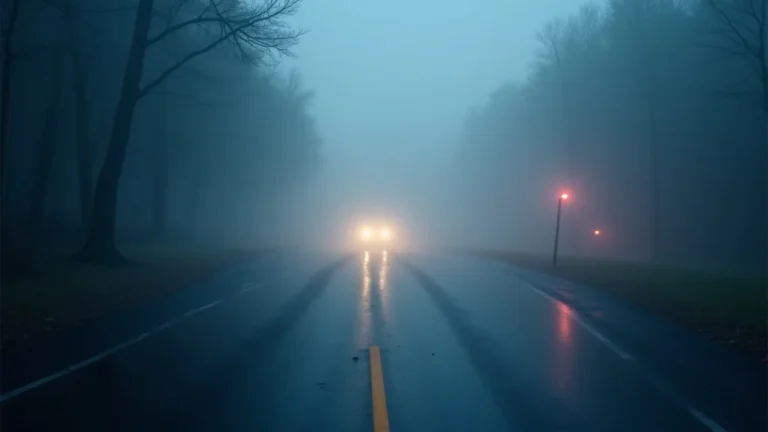
- Road Conditions: Bad weather can make things worse. Rain, snow, or fog can worsen visibility. This is even more dangerous with one headlight.
- Preventative Measures: Keep your headlights in good condition. Check them regularly. Replace bulbs before they burn out. This will help to reduce problems.
If you must drive at night, drive slowly. Make sure to pay extra attention. Be alert for other vehicles. Be extra cautious.
Driving with one headlight is dangerous when the weather is bad. Your visibility is worse. Other drivers may not see you. It increases the risk of an accident. Be very careful during bad weather.
Check your lights often. Check the condition of the lenses. Replace your headlight bulbs when they begin to fade. It helps prevent them from failing unexpectedly.
Comparing Lighting Systems and Technologies
There are several types of headlights. They each have different pros and cons. They use different technologies to produce light. This section will explore the common types. It will show you how they compare. It will show the differences between them.
Types of Headlights
Various kinds of headlights use different technologies. Each offers its own benefits. They also vary in their performance and cost. Knowing the differences can help you. It will help you understand the lighting system of your car.
- Halogen Headlights: These are the most common and inexpensive type. They use a filament. The filament heats up and produces light. They provide good visibility.
- LED Headlights: LED (Light Emitting Diode) lights are popular. They’re more efficient. They last longer. They also produce brighter light.
- Xenon/HID Headlights: Xenon or HID (High-Intensity Discharge) lights use gas. They give off a very bright, bluish-white light. They are brighter than halogen lights.
Halogen lights are affordable. They are easy to find. However, they don’t last as long as other types. They use a lot of power. They are less bright than other options.
LED lights are energy efficient. They offer a good beam of light. They last longer. They may be more costly to replace. They are becoming more common in new cars.
Xenon lights offer bright light. They consume more energy than other options. They require more complex systems. They can be expensive to replace.
Comparing Headlight Technologies
You can compare the different technologies. Each has advantages and disadvantages. This helps you to understand the trade-offs of each system. This will help you make a good choice when replacing or upgrading your lights.
| Feature | Halogen | LED | Xenon/HID |
|---|---|---|---|
| Brightness | Moderate | High | Very High |
| Efficiency | Low | High | Moderate |
| Lifespan | Shorter | Longer | Moderate |
| Cost | Low | Moderate | High |
| Color Temperature | Yellowish | Cool White | Bluish-White |
The table compares different types of headlights. They each have different strengths and weaknesses. The best choice depends on what you need and how much you can spend.
- Brightness: Halogen lights are the least bright. LED and Xenon lights are much brighter. Brighter headlights help you see better. They also help others see you.
- Efficiency: LED lights are the most efficient. They use less power. Halogen lights use the most power. Efficient lights save energy. They also help your car’s battery.
- Lifespan: LED lights have the longest lifespan. Halogen lights have a shorter lifespan. Longer-lasting lights save money. They reduce the need for replacement.
Longer-lasting lights save you money. You won’t have to replace them as often. LED lights last for thousands of hours.
The brightness of your lights affects safety. It helps you see more clearly at night. It helps other drivers see you from far away.
Efficient lights use less energy. This can help with fuel efficiency. It can also reduce the load on your car’s electrical system.
Maintenance and Preventing Headlight Issues
Proper maintenance helps avoid headlight problems. Keeping your lights in good shape is easy. You can do simple things to make sure the lights work when you need them. This section offers tips for maintaining your headlights. It will help to prevent any issues.
Regular Inspections
Inspecting your headlights should be part of routine maintenance. Checking your lights regularly helps you spot problems early. It prevents the lights from failing at a bad time.
- Monthly Checks: Check your lights once a month. Have someone help you. Check the headlights, tail lights, brake lights, and turn signals.
- Before Long Trips: Before a long trip, check your lights. It is very important to make sure everything works. This is very important for safe driving.
- During Routine Maintenance: Ask the mechanic to check the lights during maintenance. Mechanics can spot small problems. It prevents bigger problems later.
Checking monthly is very helpful. It lets you see if any lights are out. You will quickly notice. It helps you catch problems before they become serious.
Make sure all your lights are working. You will be driving for many hours. The lights will be essential at night. It helps prevent problems on the road.
Let the mechanic check the lights. The mechanic can look for damage. They can make sure your car is safe. This makes sure everything is in good working order.
Proper Bulb Replacement
Knowing how to replace the bulbs is essential. Using the right bulbs ensures your lights work correctly. It also prevents damage to your car. Follow these guidelines.
- Use the Right Type: Always use the correct type of bulb. See the manual. This will tell you the right bulb. Using the wrong bulb can cause problems.
- Handle with Care: Never touch the glass part of a halogen bulb with your bare hands. The oils from your skin can damage the bulb.
- Check Alignment: After changing a bulb, make sure your headlights are aligned. Improper alignment means your headlights may not be pointing the right way.
The correct bulb gives the right amount of light. The correct bulb works with your car’s system. The wrong bulb can cause problems.
Always hold the bulb by its base. This prevents damage. It increases its lifespan. You should also wear gloves.
Your headlights should be aimed correctly. They should be level. It helps you see the road clearly. It also helps other drivers see you.
Other Maintenance Tips
Other things can help to maintain your headlights. Clean your headlight lenses regularly. Protect the electrical connections. These things keep your lights working well.
- Clean Lenses: Clean the lenses regularly. Dirty lenses can reduce light. Clear lenses help your headlights work better.
- Check Connections: Inspect electrical connections. Make sure they’re clean. Make sure they are secure. Loose connections cause problems.
- Protect Wiring: Check for damage to the wiring. Wires that are damaged can cause problems. Make sure the wiring is protected.
Clean the lenses with a safe cleaner. Clean lenses improve visibility. This helps others see you at night. This makes driving safer.
Check the connections. Check them for corrosion. Make sure they are tight. Clean or replace any damaged connections.
Check the wires for damage. Make sure the wires are not damaged. You can keep your electrical system safe. This can also help prevent bigger problems.
Frequently Asked Questions
Question: What happens if I get a ticket for a headlight out?
Answer: You may have to pay a fine and fix the headlight. You might have to show proof of the repair.
Question: Can I drive with one headlight at night?
Answer: It depends on local laws. It’s usually not recommended. It’s unsafe and illegal in many places.
Question: How often should I check my headlights?
Answer: Check them at least once a month. Check them before long trips.
Question: What kind of headlights last the longest?
Answer: LED headlights generally last the longest.
Question: What should I do if my headlight goes out while driving?
Answer: Turn on your hazard lights. Pull over to a safe place. Assess the situation.
Final Thoughts
The question of can you get pulled over for one headlight out is an important one. Having a working headlight is about safety and the law. A single headlight out can lead to a police stop. It also makes your car less visible. Always make sure your lights are in good condition. Taking care of your lights is easy. Routine checks can prevent any problems. If a light goes out, fix it immediately. You’ll keep yourself and others safe. Be sure to check the laws in your area. This will make sure you follow the rules. By taking these steps, you can avoid tickets and drive with confidence. Keep your lights bright, and drive safely!