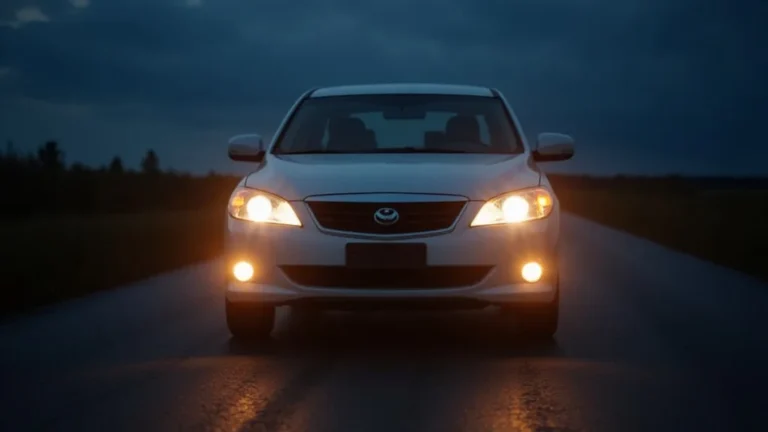
Can You Add Fog Lights to a Car: A Step-by-Step Guide
Thinking about whether can you add fog lights to a car can be tough, especially if you’re new to car stuff. It might seem tricky to begin, but it’s totally doable! This guide will break it down into easy steps. We’ll explore the tools you’ll need, how to pick the right lights, and how to put them in. Let’s start by getting everything ready for the project.
Choosing the Right Fog Lights
Picking the correct fog lights is key. There are many types and styles, so you will want to choose the best ones for your vehicle. Selecting the right ones can make a huge difference in how well they work and how good your car looks. We’ll explore the things you should keep in mind.
Light Types and Designs
Fog lights come in different shapes and designs. You can find round, square, or even rectangular ones. Some are built to fit into the car’s bumper, while others attach using brackets. When you’re choosing, think about how they’ll look on your car and if they fit the area. LED fog lights are very popular, as they are energy-saving and bright. Halogen lights are a less expensive choice. Be sure to select lights that match your car’s style and the look you want to achieve.
- LED (Light-Emitting Diode) Fog Lights: LEDs are energy-efficient and last a long time. They give off a bright, clear light. They’re a popular choice, especially in new cars. They also come in cool designs.
- Halogen Fog Lights: Halogen lights are cheaper and work well. They provide a warm, yellow light. However, they use more energy and might not last as long as LEDs.
- Projector vs. Reflector Fog Lights: Projector lights focus the light more precisely. Reflector lights spread the light wider. Projectors are better at directing the light, while reflectors are better for a wider view.
- Lens Materials: The lens material matters. Plastic lenses can get scratched, while glass lenses are tougher. Consider how much wear and tear the lights will take.
Many people prefer LED fog lights because they are more energy-efficient and brighter than halogen lights. LED lights also last longer, which means you won’t need to replace them as often. When you go to buy, read the product details carefully and check if the lights are built for your car. This will help make sure they fit right and work properly.
Matching Lights to Your Car
It’s important to find fog lights that are made for your car. They should fit the space where the fog lights will go. Check your car’s manual or look online to see the right size and type of lights you need. Be certain to consider the style, such as the shape and color of the lights. Make sure the color matches your other lights and looks great on your car. If you are unsure, talk to an auto parts store expert. They can help you select the right fog lights for your car’s model and year. This makes sure that the lights fit perfectly and work well.
- Vehicle Compatibility: Check the fog light’s compatibility with your car’s make, model, and year.
- Size and Fit: Ensure the lights fit the fog light openings in your bumper or the designated mounting locations.
- Wiring Requirements: Different fog lights have different wiring needs. Make sure you understand how to connect them correctly.
- Installation Instructions: Read the provided instructions. They give you the steps for your selected lights.
It’s also important to think about the light color. Most fog lights come in white or yellow. Yellow lights work better in fog and snow, while white lights give a modern look. Consider the roads you drive on and what you need when you make your choice. Also, think about the brightness. Brighter lights help you see better. Just make sure the lights aren’t too bright for other drivers. Finally, check any local rules about fog lights to avoid problems.
Gathering Your Supplies
You’ll need several tools and parts to add fog lights to your car. Having the correct supplies makes the installation process easier. Proper tools will also help you install the lights safely and avoid damaging your car. Getting all the things you need before you start saves time and makes the job less stressful. Here’s a list of things you’ll need.
Essential Tools and Parts
You’ll need a range of tools. Make sure to have a good set of hand tools. Having the right tools makes the work easier and gives you better results. This makes the job less stressful. Gather everything together so you can quickly reach what you need while you work.
- Fog Lights: The lights themselves. Choose ones that fit your car.
- Wiring Harness: A set of wires that connect the lights to your car’s electrical system.
- Relay: A switch that controls the power flow to the fog lights.
- Switch: A button or switch inside your car to turn the lights on and off.
- Screwdrivers (Phillips and Flathead): For removing screws and bolts.
- Wrench Set: For tightening and loosening nuts and bolts.
- Wire Strippers and Crimpers: To prepare and connect wires.
- Electrical Tape: To insulate and secure wire connections.
- Drill (if needed): For drilling holes if the mounting points don’t match.
- Mounting Hardware: Screws, bolts, and brackets to attach the lights.
Make sure all your tools are in good condition. If you need any extra supplies, like connectors or wire, pick them up before you start the job. Having everything ready to go will make the job much easier. If you are unsure about any steps, there are plenty of videos and guides online. This can help you learn more about the tools and parts needed.
Safety Gear
Safety is key when you work on your car. Always use safety gear to avoid accidents. This gear protects you from injury and helps you stay safe while working. Putting on the right safety gear makes sure you can work without worry.
- Safety Glasses: To protect your eyes from debris and sparks.
- Gloves: To protect your hands.
- Work Boots: These protect your feet from injury.
- Jack and Jack Stands: To safely lift your car.
- Wheel Chocks: To keep your car from rolling.
Make sure you have a safe place to work. You’ll need good lighting, too. Keep your work area tidy to avoid tripping. Always follow the safety guidelines. If you are uncomfortable with any steps, it’s best to ask a pro for help. Remember, safety first!
Preparing Your Car for the Install
Before you start adding fog lights, you need to get your car ready. This involves preparing the place where the lights will go. Taking these steps makes the job smoother and lowers the risk of mistakes. You’ll need to remove parts of your car, and it’s best to be organized and careful to protect your car.
Lifting and Securing the Vehicle
To safely install fog lights, you’ll likely need to work under your car. Lifting your car properly is a key step. You’ll need a jack and jack stands. If you are unfamiliar with these, you might ask for help from a friend or pro. This makes sure you can get the work done without incident.
- Park on a Level Surface: Choose a flat area for your car to keep it stable.
- Engage the Parking Brake: This helps keep the car from moving.
- Use Wheel Chocks: Place these behind the rear wheels for extra safety.
- Position the Jack: Find the correct points under your car.
- Lift the Car: Use the jack to raise your car.
- Place Jack Stands: Put the jack stands under the car.
- Lower the Car onto Stands: Carefully lower the car. Make sure it’s secure.
Make sure the car is very stable before working under it. Always double-check that the car is on jack stands. Never work under a car supported only by a jack. If you have any doubts, ask someone experienced for help. Safety is your top focus.
Removing the Bumper or Trim
You may need to remove parts of your car to install the fog lights. This depends on where the lights will go. Carefully removing these parts makes sure you can access the areas where the lights will be installed. If you are uncertain how to remove parts, check your car’s manual. Doing this step correctly stops you from damaging any part of your car. The steps can change based on your car’s model, so make sure you read the instructions carefully.
- Locate Fasteners: Find all screws, bolts, and clips that hold the bumper or trim in place.
- Use the Right Tools: Use the correct screwdrivers and wrenches to remove the fasteners.
- Carefully Remove the Bumper: Gently pull the bumper away from the car.
- Store Fasteners Safely: Keep all the screws and clips in a safe place.
If you’re working with the bumper, it’s often easier if you have someone assist. This way, you can hold it while removing or putting back parts. After removing the bumper or trim, look for the areas where you’ll install the fog lights. If your car doesn’t have openings for fog lights, you may have to cut or modify the bumper. If you’re not comfortable with this, you might get help from a pro. When you put the bumper or trim back, make sure everything fits well and is secure.
Installing the Fog Lights and Wiring
Here is where you install the fog lights and hook up the wiring. This part requires careful work and a basic understanding of electricity. Do things step by step to ensure a good result. If you’re not comfortable working with wires, getting help from an expert is fine.
Mounting the Lights
Once you have access to the fog light area, you can put the lights on your car. If your car already has spots for fog lights, the process will be simpler. If not, you may need to measure and drill. Precise mounting makes certain your lights look good and work well. If you are unsure, getting help can save you from mistakes. Always use safety gear while doing this step.
- Position the Lights: Hold the fog lights in their spots.
- Mark the Mounting Points: Use a marker to note where the screws or brackets go.
- Drill (If Needed): If you are adding lights that do not have existing spots, drill holes. Be very exact when you drill.
- Attach the Brackets: Use the right brackets and screws to fix the lights in place.
- Tighten Securely: Make sure the lights are safe and won’t fall off.
If you have to drill, make sure you know what is behind the area. Always use the right drill bit for the material. When mounting the lights, make sure they are straight. This is key for the lights to shine where they should. Check the mounting again after you tighten everything. This makes sure everything is safe. Correct mounting helps the lights to work at their best.
Wiring the Lights and Switch
Wiring the lights is an important part of the job. You will connect the fog lights to the car’s electrical system, which includes installing a new switch inside the car. This can seem tough, but taking things one step at a time can make the process simpler. If you do not have electrical work experience, ask a friend or professional.
- Connect the Relay: Mount the relay in a secure spot near the lights. This manages the power flow to the lights.
- Run the Wires: Route the wires from the lights to the relay, then to the switch inside the car.
- Connect the Switch: Set up the switch in your car. Use the wires to connect it to the relay.
- Make Connections: Use wire strippers and crimpers to connect the wires. Use electrical tape to secure connections.
- Attach the Ground Wire: Connect the ground wire to a metal part of the car’s frame.
When you are wiring, make sure to read the instructions carefully. Use the right connectors and wire sizes. After connecting everything, test the lights before putting everything back together. If the lights do not work, check all the connections. You can also use a multimeter to find any electrical problems. Correct wiring guarantees the lights function correctly and safely.
Testing and Final Adjustments
After you have installed the fog lights and wired them up, you need to check them. This includes checking to see if they light up properly and making sure everything works as planned. When you test, you can make sure everything is connected correctly. If you find any problems, you can fix them before you complete the installation. Testing is key to the job.
Testing the Lights
Once you are done with the wiring, it is time to check the lights. When testing, you will check to see if the lights turn on and off. Checking the lights makes sure everything works like it should. This step helps you find and fix any wiring problems. This process is important to ensure everything is set up properly.
- Turn on the Car: Start your car.
- Activate the Switch: Switch on the fog lights from inside the car.
- Check the Lights: Look to see if the fog lights turn on and off.
- Check Connections: Look for any loose or broken wires.
- Inspect the Beam: View how the light spreads to make sure it is in the right position.
If the fog lights don’t work, review all the connections. Make sure that all the wires are connected correctly and that the relay and switch are working. You can also check your car’s fuses to see if any have blown. It’s a great idea to test the lights at night. This way, you can see if the lights are bright enough and provide good visibility. If everything checks out, it’s time to put everything back together.
Making Adjustments
After you’ve tested the lights, you may need to adjust them. Adjusting makes certain the lights are aimed properly. Correct aiming makes sure the lights give you the best visibility without dazzling other drivers. Adjusting is an important part of finishing the installation.
- Aiming the Lights: Most fog lights have a way to adjust the angle of the beam. This helps you aim them.
- Horizontal Adjustment: Make sure the light spreads across the road evenly.
- Vertical Adjustment: Make sure the light shines down the road. It should not be aimed too high or low.
- Use a Flat Surface: Park your car on a flat surface. Then, measure the height of the fog lights and mark them on a wall.
- Adjust the Lights: Turn the adjustment screws on the lights. Then, make sure the lights are hitting the marked points on the wall.
It’s important to aim the lights at the right height. This will ensure they provide good visibility without causing any problems for other drivers. You may need to adjust the lights until they are aimed properly. Getting your fog lights adjusted just right helps them work at their best and provides the best performance in all conditions.
Frequently Asked Questions
Question: Is it legal to add fog lights to any car?
Answer: It’s usually okay to add fog lights, but it depends on your state or area’s rules. Check your local laws to see if there are any special rules about fog lights, like how many you can have, where they can be placed, and how they need to be wired.
Question: Can I install fog lights myself, or do I need a pro?
Answer: You can add fog lights yourself if you’re comfortable with car work and electrical stuff. If you’re not sure, it’s safer to have a pro do it. This can avoid mistakes and makes sure the job is done right. Plus, a pro will have the needed tools and knowledge.
Question: What’s the main difference between fog lights and driving lights?
Answer: Fog lights are meant to shine close to the ground to help in fog, rain, or snow. Driving lights shine further down the road for better visibility at night. Fog lights usually have a wide, flat beam, while driving lights have a more focused beam.
Question: What kind of wiring do I need to add fog lights?
Answer: You’ll typically need a wiring harness that includes wires, a relay, and a switch. The harness makes it easier to connect the fog lights to your car’s electrical system without cutting or modifying your car’s wiring. Many kits come with everything needed.
Question: How much does it cost to add fog lights?
Answer: The price of adding fog lights depends on the lights you select, any extra parts, and whether you do it yourself or have a pro do it. The cost can be anywhere from $50 to over $200. It’s always best to figure out your budget and compare different options.
Final Thoughts
So, can you add fog lights to a car? Absolutely! You can boost your car’s look and safety. While it might seem tough at first, breaking it down into steps makes it easier. From picking the right lights to wiring them up and testing everything, it is a project you can do. Always be safe, from getting the car ready to making sure the lights work as they should. Putting in fog lights can be a great way to improve your driving experience. By carefully following the steps, you can add fog lights and improve your driving experience. Now, you can explore adding fog lights for a safer and more stylish ride.