Fog Light Glare Problem: Understanding and Solutions
Driving at night can be tricky, and one common challenge for new drivers is the fog lights glare problem. It happens when your fog lights, designed to help in foggy conditions, end up creating too much glare for other drivers or even for yourself. This can be frustrating and make it harder to see. Don’t worry, though; it’s a problem most drivers face at some point. This guide will explore the issue and provide simple, easy-to-follow steps to help you see better and stay safe. Let’s start with how these lights work.
How Fog Lights Work
Fog lights are extra lights on your car, usually mounted low on the front bumper. Their primary job is to improve visibility when the weather is foggy, rainy, or snowy. Unlike headlights, which are aimed higher, fog lights are positioned and aimed downward to illuminate the road surface immediately in front of your vehicle. This helps reduce the amount of light reflected back to the driver’s eyes by the fog, thus improving visibility.
The design of fog lights is specifically engineered to minimize glare. They typically use a wide, flat beam pattern that spreads light horizontally rather than vertically. This design aims to provide a clear view of the road close to the vehicle, helping the driver see obstacles and lane markings. However, when these lights are used incorrectly or in situations where they aren’t needed, they can cause the fog lights glare problem.
Light Beam Characteristics
Fog lights are designed to have specific beam patterns, different from your regular headlights. They usually have a wide, flat beam that shines closer to the ground. This helps light cut through fog without reflecting back into your eyes. When headlights, especially high beams, are used in foggy conditions, the light gets reflected off the water droplets in the air, creating a bright wall of light. Fog lights, with their lower and wider beam, minimize this effect. Because of this specialized design, fog lights can be effective in specific situations, but their misuse can cause problems.
- Wide Beam: The beam spreads out to cover a wider area close to the car. This helps illuminate the road edges and any obstacles nearby.
- Low Positioning: Fog lights are placed low to the ground to shine under the fog. This placement reduces the amount of light reflected back to the driver.
- Flat Cut-Off: The beam has a sharp cut-off at the top, preventing light from shining upward and reflecting off the fog. This sharp cut-off line is a key feature.
Fog Light vs Headlight Differences
Headlights and fog lights have very different functions and designs. Headlights are meant for general night driving, providing a longer-range view of the road. They are typically positioned higher and have a focused beam to illuminate areas farther ahead. Fog lights, on the other hand, are for close-range visibility in specific weather conditions, providing a wider beam that hugs the road.
Headlights are designed to illuminate the road ahead, while fog lights cut through the fog. The angle and intensity are carefully designed to minimize glare in foggy or dusty conditions. Using the wrong lights in the wrong situation can make seeing even more difficult.
- Beam Direction: Headlights point forward and slightly upward. Fog lights point downward and outward.
- Beam Shape: Headlights have a focused beam. Fog lights have a wide, flat beam.
- Intensity: Headlights are generally brighter. Fog lights are designed for close-range visibility.
Causes of the Fog Lights Glare Problem
The fog lights glare problem can be caused by various factors, often a mix of light design, driver behavior, and environmental conditions. Understanding these causes can help you know what to watch out for. This is often more noticeable with certain types of fog lights, and how other drivers react to them depends on their own light setups and the conditions of the road.
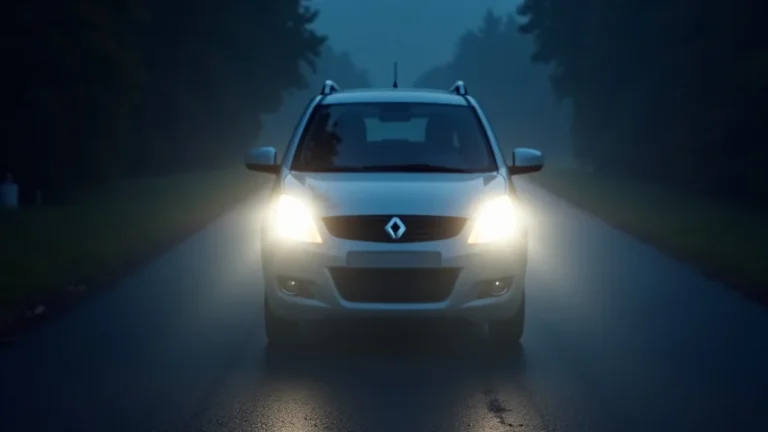
A significant factor is the improper use of fog lights. Many drivers mistakenly turn on their fog lights when they aren’t necessary, like on clear nights. This is the most common reason for the glare problem. This can be distracting and makes it difficult for others to see the road clearly. Environmental conditions like heavy rain or snow can make the problem worse, as the moisture reflects even more light.
Misuse of Fog Lights
One of the biggest issues leading to glare is the incorrect use of fog lights. They are specifically designed for foggy conditions, not general night driving. Turning them on when it’s not foggy or when other lights are sufficient can be a problem. This often happens because people think they’re improving visibility, when in reality, they’re causing more issues. It’s crucial to know the proper conditions for using fog lights.
- Clear Night Driving: Using fog lights on a clear night isn’t helpful and can create glare. They are not meant to be used in place of regular headlights.
- Combining with High Beams: Using fog lights with high beams increases glare and reduces visibility for oncoming drivers. High beams are already very bright.
- Inappropriate Conditions: Using fog lights in light rain or mist, where they are not really needed, can also cause issues. They are most effective in thick fog.
Environmental Factors
The environment plays a huge role in the glare problem. Weather conditions like fog, heavy rain, or snow can make the problem more intense. In these situations, light gets reflected back, and fog lights can make the road difficult to see. It is important to adjust your driving based on these environmental conditions.
- Fog Density: The denser the fog, the more pronounced the glare becomes. Thick fog creates a wall of light.
- Rain and Snow: Rain and snow reflect light, increasing glare.
- Road Surface: Wet roads reflect more light, making glare worse.
Solutions and Best Practices for Reducing Glare
The good news is that the fog lights glare problem can be fixed with smart choices. You can easily improve road safety and comfort by understanding some simple rules. It’s about using lights correctly, adjusting driving habits, and making sure your car’s lights are working as they should.
The first step is knowing when to use your fog lights. Use them only when necessary. This means turning them on only when you encounter fog, heavy rain, or snow. The next step is to make sure your lights are adjusted correctly and functioning properly. Regularly check your lights for alignment and damage. Finally, being mindful of your fellow drivers and adjusting your behavior is important for creating a safer driving environment for everyone.
Proper Usage of Fog Lights
The most important thing is to know when to use your fog lights. Only use them in conditions where they are specifically designed to help – fog, heavy rain, or snow. Avoid using them on clear nights or in conditions where your standard headlights are sufficient. When used correctly, fog lights can greatly improve your visibility in adverse weather conditions.
- When to Use: Use fog lights in fog, heavy rain, or snow.
- When Not to Use: Do not use fog lights on clear nights or light rain.
- Combine with Other Lights: Do not combine fog lights with high beams.
Light Maintenance and Adjustment
Regular maintenance of your vehicle’s lights is important for all drivers. This will include cleaning the light lenses, to ensure that they are free of dirt or scratches that could affect the beam pattern. Also, have a professional check the alignment of your fog lights, and make sure they are aimed correctly. Proper alignment ensures that the light shines where it should, maximizing visibility without causing glare to others.
- Clean Lenses: Regularly clean your fog light lenses to remove dirt and debris.
- Check Alignment: Have your lights checked for correct alignment.
- Inspect for Damage: Check for any damage to your lights, like cracks or broken housings.
Driver Behavior and Awareness
Driver behavior and overall awareness are crucial for reducing glare. Be mindful of your actions, and adapt your driving based on the conditions. Slow down when visibility is reduced, and use your lights appropriately. Adjusting your speed is a key aspect of safe driving in adverse weather conditions. Be aware of your speed and surroundings, and be prepared to take action.
Avoid focusing on the fog lights of oncoming vehicles. This can lead to temporary blindness. Instead, concentrate on the road ahead. Look for lane markings or other visual cues to help you stay on course. This will help you to stay in control and maintain visibility.
Real-Life Examples and Scenarios
Real-life examples will demonstrate how the fog lights glare problem affects drivers, and illustrate the impact of correct and incorrect usage. These scenarios show how making simple adjustments can create a safer driving experience for everyone.
Case Study 1: Sarah was driving home on a foggy night. Her fog lights were on, but she was also using her high beams. This caused so much glare that she could barely see the road ahead. After switching off her high beams, her visibility immediately improved.
Case Study 2: John often uses his fog lights on clear nights, believing they make the road “brighter.” On a recent trip, he was pulled over by a police officer, who explained that his fog lights were creating unnecessary glare for other drivers. John turned off his fog lights and immediately saw an improvement.
- Scenario 1: A driver is approaching a curve on a rainy night. Another vehicle approaches, using its fog lights improperly. The driver experiences temporary blindness due to glare.
- Scenario 2: A driver is caught in a sudden snowstorm. The driver turns on their fog lights and slows down, improving visibility and safety.
- Scenario 3: A driver is driving on a clear, dark road, and improperly turns on their fog lights. They realize after driving a short distance that their visibility has decreased because of the glare.
Frequently Asked Questions
Question: When should I use my fog lights?
Answer: Use fog lights only when you encounter fog, heavy rain, or snow. They are not meant for general night driving.
Question: Can fog lights cause glare?
Answer: Yes, fog lights can cause glare if used in the wrong conditions, such as on clear nights or in light rain.
Question: Are fog lights brighter than headlights?
Answer: No, fog lights are generally designed to be less bright than headlights. Their main purpose is to illuminate the road close to the vehicle.
Question: Should I use fog lights with my high beams?
Answer: No, you should not use fog lights with your high beams. This combination can create excessive glare.
Question: How do I know if my fog lights are properly aimed?
Answer: You can have a mechanic check your fog light alignment. They should be aimed low and slightly outward.
Final Thoughts
The fog lights glare problem is a common issue for many drivers. By knowing how fog lights work, what causes glare, and the best practices for using them, you can drive with more safety. This all comes down to using the lights when they are needed and in the correct conditions. By making simple adjustments to your driving habits, like not using fog lights when not needed, you can improve visibility and keep other drivers safer. Remember to keep the lenses of your fog lights clean and check them regularly. With these simple tips, you can drive safely.