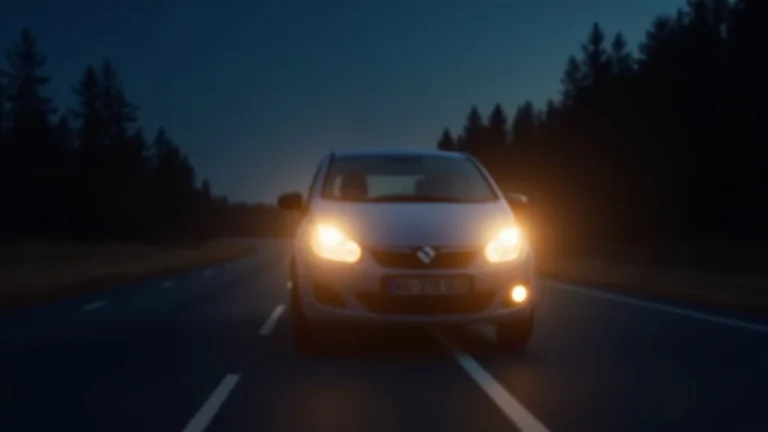
Fog Lights: What to Do When They’re Too Intense
Dealing with fog lights too bright is a common challenge for new drivers, and sometimes even for seasoned ones. These lights are meant to help you see in foggy weather, but when they’re overly bright, they can cause glare and actually make it harder to see. Don’t worry, though! It’s an issue you can manage, and we’ll show you how, step by step. We’ll explore why this happens and what adjustments you can make to improve visibility, so let’s get started.
Fog Light Basics and Their Purpose
Fog lights, also known as front fog lamps, are a specialized type of automotive lighting. Their primary function is to enhance visibility during foggy, misty, or otherwise low-visibility conditions. Unlike regular headlights, fog lights are designed to cast a wide, flat beam of light close to the ground. This low positioning and wide beam helps to illuminate the road surface directly in front of the vehicle, reducing the amount of light reflected back to the driver’s eyes by fog or mist.
The design of fog lights is crucial. They often have a specific reflector or lens pattern that minimizes the glare caused by the light scattering in the fog. This differs from headlights, which are aimed higher and designed to illuminate a longer distance. The positioning and angle of fog lights are crucial for maximizing their effectiveness. When used correctly, fog lights can greatly improve driver safety by making it easier to spot obstacles and other vehicles, ensuring safer travel in adverse weather situations.
Understanding the Science Behind Fog
Fog is essentially a cloud that forms at ground level. It’s composed of tiny water droplets suspended in the air. When light travels through fog, it encounters these water droplets, causing the light to scatter in many directions. This scattering effect reduces visibility because the light reflecting off the droplets back towards the driver creates glare. This glare can make it difficult to see the road ahead, as well as any obstacles or other vehicles. This is why fog lights are designed the way they are.
Different types of fog impact visibility in different ways. For instance, radiation fog forms overnight when the ground cools and causes the air above to become saturated with moisture. Advection fog develops when warm, moist air moves over a cooler surface. Knowing these types of fog is helpful as visibility can change quickly, making it essential for drivers to adjust their lights and driving accordingly.
- Light Scattering: Light scatters in fog due to water droplets, reducing visibility. The size and density of the droplets affect the degree of scattering. The denser the fog, the greater the light scattering and the more the visibility decreases.
- Reflection: Standard headlights reflect off fog droplets, causing glare. This glare is a major contributor to poor visibility during foggy conditions. Glare can temporarily blind drivers.
- Light Absorption: Some light is absorbed by the water droplets, reducing overall illumination. Absorption contributes to the darkness of fog, especially in dense conditions. This absorption effect decreases the effective range of headlights.
- Refraction: The water droplets can also refract the light, changing its direction. This effect contributes to the diffused and hazy appearance of fog. Refraction further reduces the clarity of visibility.
Fog Lights and Their Construction
Fog lights are constructed differently compared to standard headlights. The differences are key to their functionality. They usually have a housing, a reflector, and a lens. The housing provides a place for the components to sit and provides a weather-resistant enclosure. The reflector, which can be parabolic, directs the light into a specific pattern, usually a wide, flat beam that shines downwards. The lens, often made of glass or polycarbonate, further shapes and directs the light. The design of these components aims to create a light beam that does not cause glare or is reflected back to the driver.
The type of bulb used in fog lights also affects the light output. Traditional halogen bulbs, the original standard, produce a warm, yellow light. LED lights are becoming increasingly common, offering brighter, more efficient light with a variety of color temperatures. The color temperature of the light is important. Warmer colors, like yellow or amber, are thought to cut through fog more effectively, whereas bluish-white lights may increase glare. Many modern fog lights also incorporate various advanced technologies, like precise optics to control the beam.
Reasons for Fog Lights Too Bright
There are several reasons why you might find your fog lights too bright, leading to glare and potentially hazardous driving conditions. These issues may stem from factors such as incorrect light installation, the use of inappropriate bulb types, and even driving circumstances.
Understanding these causes is the first step in addressing the problem. A common reason involves improper adjustment, meaning the fog lights are not correctly aligned, causing the light to shine at an incorrect angle. Another factor is the use of high-intensity bulbs not designed for fog lights, leading to excessive brightness and glare. This section delves into the various reasons why your fog lights might be too bright and what steps you can take to make your lights better.
Improper Light Alignment
One of the most common causes of fog lights too bright is improper alignment. Fog lights are designed to be aimed low, typically pointing toward the ground and slightly outward to illuminate the road’s edge. If the lights are improperly adjusted, they can shine at an angle that is too high, creating glare for oncoming drivers or the driver. This issue can result from incorrect installation or movement during driving.
If you have recently
- Incorrect Height: If fog lights are positioned too high, the beam will shine directly into the eyes of other drivers, causing glare. Proper height adjustment is key to minimizing glare.
- Improper Angle: Lights angled too far upward can cause glare; the angle should be directed towards the road’s surface. Proper horizontal alignment is also important.
- Installation Errors: Incorrect installation can misalign the lights from the start. Make sure the lights are properly seated and secured during installation.
- Wear and Tear: Road vibrations and other impacts can affect light alignment over time. Check and adjust your fog lights periodically to ensure they are properly aligned.
Bulb Type and Brightness
The type of bulb installed in your fog lights significantly impacts their brightness. Standard fog lights often use halogen bulbs, which produce a warm, yellowish light. These bulbs are designed to cut through fog effectively. However, upgrading to brighter bulbs, such as high-intensity discharge (HID) or light-emitting diode (LED) lights, can dramatically increase the light output. While these brighter bulbs can improve visibility in some situations, they can also cause excessive glare if they are not specifically designed for fog light use.
Brightness is measured in lumens. The higher the lumen output, the brighter the light. Standard fog lights have a lower lumen output, while upgraded bulbs can have a higher output. If you replace your bulbs, choose options that match your fog light design and adhere to local regulations. Consider the color temperature of the bulbs, too. Warmer colors (yellowish) tend to perform better in fog, while cooler colors (bluish-white) can increase glare.
- LED Upgrades: Modern LED bulbs can offer greater brightness, but ensure they are designed for fog light use to avoid glare. LED bulbs are efficient and long-lasting and come in different color temperatures.
- HID Bulbs: HID bulbs are brighter than halogen but may produce too much glare if not properly designed for fog lights. HIDs produce a more intense light output.
- Color Temperature: Warmer color temperatures, like yellow or amber, often perform best in fog. Cooler colors can be more visually appealing but may worsen glare.
- Lumens: Select bulbs with a suitable lumen output for fog lights to minimize glare. High-lumen output bulbs may not be ideal for all fog light designs.
Driving Conditions and Misuse
The driving conditions in which fog lights are used greatly influence whether they appear too bright. Fog lights too bright is often the result of using them when they aren’t needed. Fog lights are meant for foggy conditions, when visibility is reduced. Using them in clear weather, rain, or snow can cause glare and be distracting to other drivers.
Fog lights are most effective when visibility is significantly reduced. They are designed to create a wide, flat beam that helps you see the road surface and the edges of the road. When used in clear conditions, the low angle of the beam can reflect off the road, causing glare. Be sure to use them only when needed, in situations where visibility is poor due to fog, heavy rain, or snow. The effective and safe use of fog lights relies on recognizing when conditions necessitate their use.
- Clear Weather: Avoid using fog lights in clear weather. They can create glare and are not necessary for normal driving conditions.
- Rain and Snow: While fog lights can assist in rain and snow, use them only when visibility is poor. They can still cause glare, even in these conditions.
- Oncoming Traffic: Always consider other drivers. Excessive brightness can cause glare for oncoming traffic, making it difficult for them to see.
- Night Driving: In night driving, you will need to be particularly careful with fog lights. Ensure they are correctly aimed and the correct type of bulbs are used.
How to Address Overly Bright Fog Lights
If your fog lights appear too bright, there are several steps you can take to mitigate the issue. This section provides a practical, step-by-step approach to resolving this common problem. It covers adjustments, bulb
Addressing this issue often involves a combination of adjustments to the vehicle’s lights and an evaluation of the driving conditions. By following these steps, you can help improve your visibility during foggy weather, as well as the safety of everyone on the road. The goal is to make sure your fog lights function as intended without creating unnecessary issues.
Checking and Adjusting Light Alignment
One of the easiest ways to fix fog lights too bright is to verify and adjust their alignment. Correct alignment is essential to directing the light beams where they are most helpful. Here’s a basic process for checking and adjusting your fog lights, keeping in mind that professional assistance is best if you are not sure.
Start by parking your car on a level surface facing a wall. Turn on your fog lights and observe the beam pattern on the wall. The beam should be even and focused, with the top edge of the light beam below your eye level. If the beams are not aimed correctly, you will likely see a brighter area above the cut-off line, and you may notice the light is causing glare. By understanding how to check the lights and then how to adjust them, you can help make them more effective.
- Locate Adjustment Screws: Find the adjustment screws on your fog light housing. These are often located near the back of the light assembly.
- Park on a Level Surface: Park your vehicle on a flat surface, facing a wall. Measure the distance from the ground to the center of your fog lights.
- Mark the Wall: On the wall, measure and mark the same height as the center of your fog lights. Then, make a horizontal line on the wall at that level.
- Aiming the Lights: Turn on your fog lights. The top of the light beam should fall below the horizontal line you drew on the wall. If not, adjust the screws until the light is correctly aimed.
- Test and Fine-Tune: After adjusting, take your car for a test drive to see how the lights perform. Make minor adjustments to the alignment if needed.
Bulb Replacement and Brightness Control
If you have upgraded your fog light bulbs to brighter ones and now find your fog lights too bright, consider replacing them with bulbs of a lower intensity or those designed specifically for fog lights. Choosing the right bulb type and brightness is crucial to prevent glare. Understand the lumen output and color temperature of the bulbs you are using, and select options that enhance your visibility without being overly bright.
When selecting new bulbs, consider options that produce a warmer, yellowish light, which is often more effective at penetrating fog. Remember to check local regulations regarding bulb types and brightness. Consider the manufacturer’s recommendations for your vehicle. By selecting the correct bulbs, you can improve the performance of your fog lights and reduce the potential for glare, enhancing both your safety and that of other drivers.
- Halogen Bulbs: Consider returning to standard halogen bulbs, which offer a suitable brightness level for fog lights. Halogen bulbs produce a warm, yellowish light.
- LED Bulbs (Fog Light Specific): Choose LED bulbs designed specifically for fog lights, as they often include features that minimize glare. These are specifically manufactured to meet the needs of fog lights.
- Reduce Lumen Output: Select bulbs with a lower lumen output if you find your current lights too bright. Lower lumen output means less brightness.
- Color Temperature: Opt for bulbs with a warmer color temperature (yellow or amber) for better fog penetration. Warmer temperatures help reduce the intensity of light.
Proper Usage Techniques
The correct usage of fog lights is key to avoiding excessive brightness and glare. Remember that fog lights should only be used in foggy or misty conditions, when visibility is reduced. Avoid using them in clear weather, rain, or snow, as this can cause unnecessary glare for other drivers.
Knowing when to turn on your fog lights helps in maintaining their effectiveness and promoting safety. Always turn off your fog lights when the fog dissipates, or when driving conditions improve. By following these simple guidelines, you can ensure that your fog lights contribute to your safety without causing issues for others on the road. Proper use of fog lights is about being responsible and considerate of other drivers.
- Use in Fog Only: Only activate fog lights when visibility is significantly reduced due to fog. Remember, fog lights are designed specifically for foggy conditions.
- Turn Off in Clear Weather: Switch off fog lights when visibility improves to avoid glare. Turning them off keeps them from being a distraction.
- Monitor Road Conditions: Regularly check your surroundings and road conditions. Adjust your use of fog lights based on these conditions.
- Consider Other Drivers: Be mindful of oncoming traffic and ensure your fog lights are not causing glare. Always consider the impact on other drivers on the road.
Frequently Asked Questions
Question: Why do my fog lights seem so bright?
Answer: Your fog lights might seem too bright due to incorrect alignment, using inappropriate bulb types, or using them in clear conditions. Overly bright bulbs, and improper light aiming, can create excessive glare.
Question: How do I adjust my fog lights?
Answer: You usually adjust fog lights with adjustment screws on the light housing. Park your car on a level surface facing a wall, then adjust the screws until the light beam is correctly aimed and the top of the beam is below the horizontal line you drew on the wall.
Question: What’s the best bulb type for fog lights?
Answer: The best bulb type often depends on the design of the lights and your requirements. Halogen bulbs are a standard choice, but some LED bulbs designed specifically for fog lights can work well too. Yellow or amber-colored bulbs often improve visibility in fog.
Question: Should I use fog lights in the rain?
Answer: You should use fog lights in the rain only if visibility is reduced due to heavy rain. Be careful to ensure they don’t cause glare. Normal headlights are usually sufficient in light rain.
Question: Are brighter fog lights always better?
Answer: Not necessarily. Brighter fog lights can be helpful, but they can also cause glare if they are not correctly designed or used. Choose bulbs designed for fog lights, and ensure they are properly aimed.
Final Thoughts
Now that you’ve explored the ins and outs of fog lights too bright, you have the knowledge to fix the issue. You know why these lights can become a problem, from improper alignment to the type of bulbs used. You’ve also discovered how to adjust them, change bulbs, and when to actually use your fog lights. By taking simple steps, you can help improve your visibility and make your driving experience safer for you and everyone else on the road.
Always double-check your fog light alignment, select bulbs appropriate for your needs, and use them only when needed. Remember, the goal is not just to see better, but to do so without causing issues for other drivers. So go ahead, make those adjustments, and enjoy safer driving during foggy conditions!