Do Fog Lights Help in Rain? A Clear Guide for Drivers
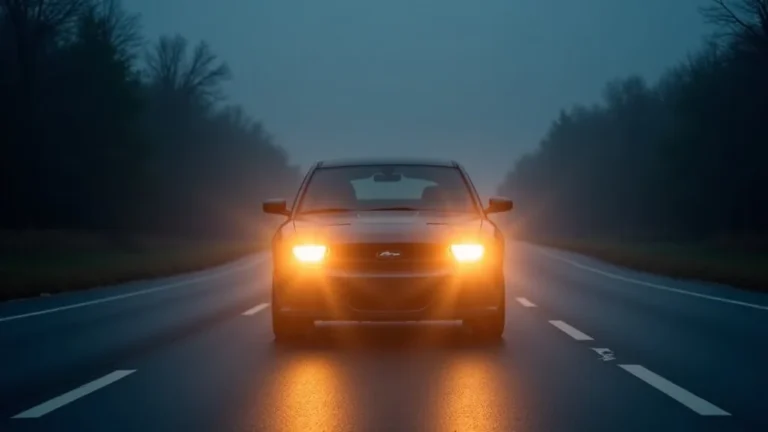
A common question for new drivers is: do fog lights help in rain? It’s tricky because visibility changes so much when it’s wet. Driving in rain can feel a bit challenging, and figuring out the best way to see can be confusing. Don’t worry, though! This guide will break down everything you need to know, step-by-step. Get ready to learn about how fog lights work and if they’re the best option for rainy conditions.
How Fog Lights Function and What They’re For
Fog lights are extra lights on your car. You usually find them low on the front of your vehicle. They are made differently from your standard headlights. They put out a wider beam of light. This wider light helps drivers see better in foggy conditions. It spreads the light over the road. This way the driver can spot things sooner. Fog lights are also designed to be less likely to reflect off the fog itself.
The main purpose of fog lights isn’t the rain. They are designed for when visibility is poor due to fog. Their lower placement helps them to shine under the fog. This gives you a better view of the road. While they can sometimes provide some benefit during light rain, they aren’t always the best choice. Let’s explore how they really function, and whether they can help in the rain.
Fog Light Design and Optics Explained
Fog lights have some special features. The housings and lenses have unique shapes. They direct the light downwards and outwards. This lowers the chances of glare. This is a big problem when fog or rain gets in the way of your vision. The light from fog lights is typically a yellow or amber color. These colors can cut through fog and rain better than white light.
The lights also have specific optics. Optics control the light’s direction and spread. Some fog lights use reflectors. These reflect light in a specific way. This is to increase the light’s spread. Other lights use lenses. These lenses bend the light. This ensures it shines where it is needed most. This helps you to see the road ahead. You’ll also notice things on the sides of the road.
- Placement Matters: Fog lights are usually placed low. This is to put them closer to the road surface. This helps the light to shine below the fog. This placement is a key part of their effectiveness.
- Wide Beam Pattern: Fog lights cast a wide beam of light. This is designed to illuminate a broad area. The driver can spot obstacles better. They will also be able to see the edge of the road, and other things.
- Color Temperature: Yellow or amber fog lights are popular. These colors help improve visibility in bad weather. The longer wavelengths of these colors penetrate through fog or rain better than white or blue light.
- Specific Lens Types: There are many lens types for fog lights. Some lights have clear lenses. Others use textured lenses. The lens helps to control the spread and the pattern of the light.
Fog Lights Versus Headlights: A Comparison
Headlights are the standard lights on your car. They are meant to illuminate the road. Fog lights have a different design, and a different purpose. They work better in specific conditions. Comparing the two will give us some insight. When and how to use them will become clear.
Headlights have a focused beam. The beam shines farther ahead. They are good for seeing long distances at night. High beams give even more light. High beams increase your sight range. Fog lights are broader. This is for improving visibility over a short distance. This helps when visibility is cut down by fog or rain.
| Feature | Headlights | Fog Lights |
|---|---|---|
| Beam Pattern | Focused, narrow beam | Wide, short beam |
| Placement | Higher on the car | Lower on the car |
| Purpose | Long-distance visibility | Short-distance, wide visibility in fog and sometimes rain |
| Color | Typically white or bluish-white | Often yellow or amber |
Do Fog Lights Help in Rain? Examining Their Effectiveness
So, do fog lights help in rain? The answer is it depends. The amount of rain and visibility play big roles. In heavy rain, fog lights might not always provide much help. They are made to work when the light is less clear. This is why their performance can be impacted by heavy rain. Let’s look at their effects.
The main challenge is the way the light interacts with the water. Raindrops can reflect light. They can cause a glare that reduces visibility. Fog lights may not always do a great job of cutting through this. They can even make it worse in some cases. It is important to know under what conditions fog lights help.
Rain and Light Interaction: Glare Explained
When light hits raindrops, it can scatter. This is called light scattering. This scattering causes a bright glare. This can reduce how far you can see. Standard headlights are usually affected. Fog lights can be too. The lower placement of fog lights reduces glare. But, the amount of glare depends on how heavy the rain is.
The angle of the light is very important. Raindrops can become like little mirrors. They reflect the light back toward the driver. This is especially true when it rains hard. This reduces visibility. Knowing how to change your lights, and speed, is key to safety. Drivers should try different settings in different rain.
- Light Scattering: Raindrops can scatter light. This can result in a reduction of vision. This is especially true with headlights, and sometimes with fog lights.
- Glare from Light Angle: The angle that light hits the rain matters. Light hitting rain at certain angles creates more glare. Lower light positions can reduce glare.
- Rain Intensity: Heavy rain increases glare. Light rain often results in less glare. This is why fog lights may work well in light rain.
- Driver’s Eye Position: The height of the driver’s eyes in the car. This affects how the driver sees the glare. This is why truck drivers, who sit high, can see more glare than car drivers.
Conditions Where Fog Lights Offer Assistance
Fog lights can be helpful in certain types of rain. They do well when there is light rain, or drizzle. They provide some light close to the ground. This can help with things on the side of the road. It also helps to illuminate the lines. In light rain, fog lights can give more visibility.
Fog lights can also be helpful on cloudy days. They can help other drivers see your vehicle better. In heavy rain, fog lights are not so helpful. They can even worsen the glare. Drivers need to consider the situation. They should also consider what the law says about using fog lights in rain.
- Light Rain or Drizzle: Fog lights provide light. This is helpful to highlight the road lines and edges. This is useful when visibility is only slightly reduced.
- Visibility Enhancement: They can make your car more noticeable to others. In some weather, it is hard to see cars. Fog lights make your vehicle easier to see.
- Combined with Low Beams: Using fog lights with low beam headlights is often the best approach. You get good visibility. This is without blinding other drivers.
- Night Driving in Light Rain: Fog lights will help in the dark. They improve visibility at night when it’s lightly raining.
Safety Guidelines and Best Practices
It’s important to know when to use fog lights. Knowing when not to use them is also important. This is all about safety for you and other drivers. The key thing is to stay visible and see the road clearly. This will keep you safe during your travels.
You can improve your safety. You can do this by using the right lights at the right time. You should also drive at a speed that fits the conditions. The right speed is a slower speed. This gives you time to react to any problems. Also, you should maintain your car well. Regular inspections keep you safe. Safe driving is all about awareness.
When to Turn on Fog Lights
The main reason to turn on your fog lights is when the fog is heavy. Use them when visibility is reduced. They can cut through the fog and improve how well you see. If it is lightly raining, your fog lights can also assist. They give extra light that shows the side of the road and the lines.
Remember that conditions change. Adjust your lights and speed to the weather. If rain gets heavy, you should use your low beams. This will reduce glare. Fog lights are not the best choice in all situations. Your goal is to see and be seen safely. Keep this in mind when you are driving.
Safe Driving Practices in Rain
Safe driving during rain is crucial for all drivers. Here are a few important steps. The first is to slow down. Wet roads cause less grip. This will make your braking less effective. So, you should increase your following distance. This will give you more time to respond to any issue.
Keeping your windshield clean is a must. Turn on your wipers. Use the defroster to keep the windshield clear of fog. Make sure your tires have good treads. Worn tires can lead to hydroplaning. This is when your tires lose grip on the wet road. Be aware of standing water on the road. Drive slowly through these areas. Use your headlights. This helps other drivers see you.
Frequently Asked Questions
Question: Are fog lights legal to use in rain?
Answer: It depends on the local laws. In some places, it is okay. In other places, you can only use them in fog. It’s always best to know your local rules.
Question: Can fog lights make driving in heavy rain harder?
Answer: Yes, they can. They might reflect off the heavy rain. This could increase glare and make it harder to see. In heavy rain, low beams are often a better choice.
Question: Should I use fog lights at night in light rain?
Answer: It is okay to use them. They can improve visibility and help you see better. They can also make your car more visible to others.
Question: Do fog lights help with glare from other cars’ headlights in rain?
Answer: No, they don’t help with other cars’ headlights. They’re designed to help you see the road and make your car more visible. They don’t reduce glare from oncoming vehicles.
Question: How do I know if my fog lights are working correctly?
Answer: Turn them on and check that the lights are working. They should shine from the front of your car and light up the road. Make sure they are not damaged and are clean. Check your owner’s manual to find out how to turn them on.
Final Thoughts
So, do fog lights help in rain? They can help in some cases. Fog lights work best in light rain or drizzle. They provide extra visibility in low-light conditions. In heavy rain, standard headlights are better. Fog lights can cause glare when the rain is heavy. It’s key to adjust your lights to the weather. You should also adjust your speed. This will ensure your safety.
If you’re unsure, it’s always best to err on the side of safety. Use your low beams in heavy rain. Make sure your lights are clean and working well. Keeping the right lights on and driving carefully is always the best way to get around in wet weather. Be alert. Keep your distance from other cars. Stay safe out there.