Fog Lights in Snow The Ultimate Guide for Safe Driving
Driving in a snowstorm can be tricky, and using fog lights in snow is something a lot of drivers struggle with. For beginners, it can seem confusing to know when to use them and what they do. This guide will help you grasp the essentials, making driving safer and simpler. We’ll go over everything you need to know about fog lights and how to use them effectively when snow is falling. Get ready to explore the specifics in the sections below.
What Are Fog Lights and Why Do They Matter?
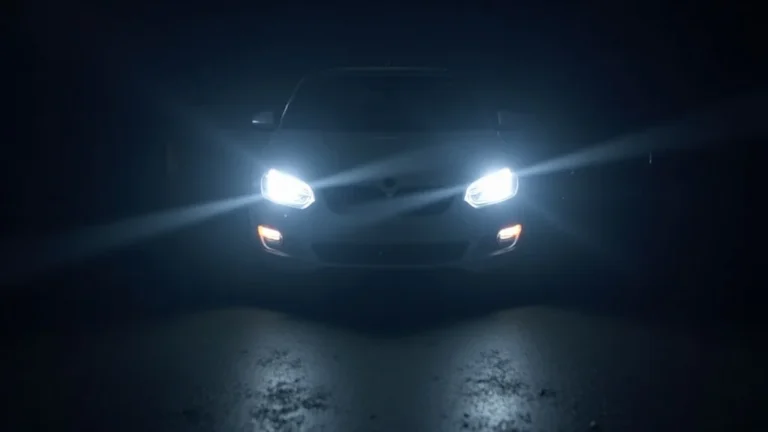
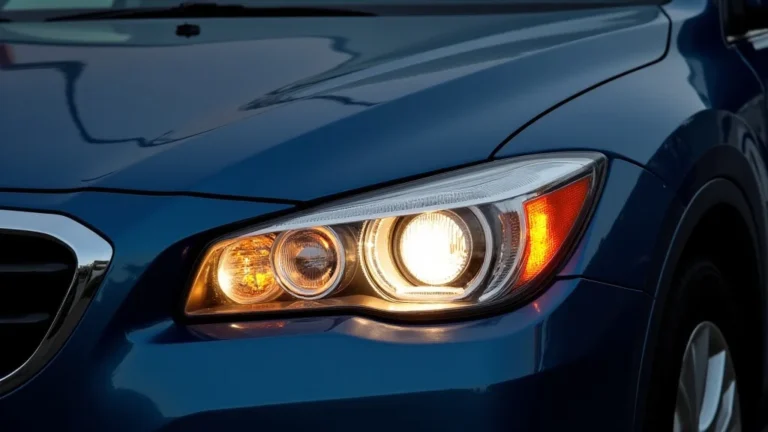
Fog lights are extra lights located on the front of your vehicle, usually below the headlights. They’re designed to help you see better in foggy, snowy, or other low-visibility conditions. Unlike your regular headlights, fog lights shine a wider, flatter beam of light. This is helpful because it illuminates the road close to you and reduces the amount of light that reflects back at you, which can happen with regular headlights in dense conditions. They are especially useful during a heavy snowstorm to enhance your visibility.
The Purpose of Fog Lights in Various Weather
Fog lights are specifically made to improve visibility in poor weather. They work best in fog, which is a cloud close to the ground. In fog, regular headlights can reflect back at you, making it harder to see. Fog lights’ low and wide beam helps to cut through the fog and light up the road. They are also useful in heavy rain, dust storms, and, of course, snow. They can make the difference between seeing a hazard and missing it entirely.
- Enhanced Visibility: Fog lights increase your ability to see the road ahead. They do this by projecting a beam of light that is lower and wider than standard headlights, reducing the glare from snow and fog. This allows drivers to see obstacles and other vehicles sooner.
- Improved Safety: By improving visibility, fog lights help reduce the risk of accidents. Drivers can react more quickly to hazards, such as pedestrians, animals, or other vehicles. This quicker response time is key to avoiding collisions, particularly in challenging conditions like snowstorms.
- Reduced Glare: Regular headlights can produce a lot of glare in foggy or snowy weather, which makes it harder to see. Fog lights are designed to reduce this glare by shining a light beam lower to the ground. This helps the driver see more clearly without being blinded by reflected light.
- Better Road Illumination: Fog lights also provide better road illumination, especially in the close range. The lower beam lights up the area immediately in front of the vehicle, showing bumps, curves, and other details of the road surface.
- Increased Awareness: Many vehicles have fog lights that can make your car more noticeable to other drivers. This added visibility can help prevent accidents by making sure other drivers see your vehicle, which is a benefit in all weather, including snow.
How Fog Lights Work: Technical Breakdown
Fog lights operate by emitting a beam of light at a low angle. This is the core reason for their effectiveness in snow. They are usually placed low on the front of a vehicle, near the bumper. This placement helps the light beam stay close to the road surface, minimizing reflection. The reflector in a fog light is designed to spread the light in a wide pattern, illuminating a larger area directly in front of the vehicle. This design reduces glare and enhances visibility in conditions where other lights are less effective.
The beam pattern is typically a specific shape that differs from regular headlights. They usually have a sharp cut-off to prevent light from shining upwards. This is important to reduce glare from snow. The use of specific bulbs and lens designs further optimizes their performance. Some fog lights use LED technology, which offers better efficiency and light output compared to older halogen bulbs.
When to Use Fog Lights in Snow
Knowing when to use your fog lights in snow can significantly increase your safety on the road. The key is understanding how they interact with the conditions. Fog lights are most effective when visibility is significantly reduced. This usually involves heavy snowfall where you can’t clearly see the road ahead. It’s crucial to switch them on when regular headlights don’t offer enough visibility. You need to be mindful of regulations to ensure proper usage.
Deciphering Visibility Levels
The primary factor in deciding when to use fog lights is the level of visibility. This refers to how far ahead you can see clearly. In clear conditions, you can see far down the road. But in snow, this can quickly change. When visibility drops below a certain point, fog lights become very important. They assist with better seeing the road ahead and are a vital safety feature for drivers.
- Light Snow: In light snow, visibility may be only slightly reduced. You might be able to see quite far ahead. In this case, your regular headlights could be sufficient. However, if the snow is particularly thick, using fog lights could still improve your vision, especially if it’s during twilight or at night.
- Moderate Snow: Moderate snowfall significantly decreases visibility. You might struggle to see past 50–100 feet. This is usually when fog lights become necessary. By using your fog lights, you can see much better. This is because they can illuminate the road beneath the snow, reducing glare and helping you identify hazards.
- Heavy Snow: Heavy snowstorms seriously limit your ability to see. It can feel like driving through a white wall. The fog lights provide essential illumination to see short distances. Your headlights alone might not be sufficient. You should also consider slowing down your speed and paying extra attention to driving conditions.
- Blizzard Conditions: In blizzard conditions, the visibility drops to almost zero. In situations like this, the fog lights, along with your low beam headlights, will be crucial. Remember, safety should be your top priority. Consider pulling over to a safe location until the storm passes if the conditions are too dangerous.
Fog Lights and Headlights: A Complementary Relationship
While fog lights are designed to work well in snowy conditions, they are not a substitute for regular headlights. Headlights and fog lights have different roles. Headlights are designed to provide illumination further down the road, and fog lights are meant for the immediate area in front of your vehicle. The best approach is to use both lights together.
Most vehicles have a setting to turn on fog lights. This usually involves a switch or button near your headlight controls. It is crucial to understand how your vehicle’s controls work. This is so you can turn them on quickly when needed. Also, remember to turn off the fog lights when visibility improves to avoid distracting other drivers.
- Regular Headlights: Regular headlights provide the primary source of illumination. They’re designed to light up the road ahead and assist with seeing distant objects and other vehicles. They are important in good visibility or in low visibility when used with fog lights.
- Low Beam Headlights: Low beam headlights are designed to provide a better level of illumination than high beams and assist with reducing glare for oncoming drivers. They are an essential part of driving at night and in low visibility conditions such as heavy snow.
- Fog Lights: Fog lights are used to enhance visibility close to the vehicle. They are particularly useful in reducing glare from snow. Using both low-beam headlights and fog lights is often the best strategy for snowstorms.
Benefits and Limitations of Fog Lights
Fog lights bring many advantages to your driving experience in snowy weather, but they also have certain limitations. Knowing both the benefits and limits allows you to use fog lights most effectively. Understanding the different aspects of fog lights can significantly improve safety. They will help you in your decisions on the road.
Advantages of Using Fog Lights
Fog lights provide key advantages in snowy conditions. They’re designed to help drivers see better in challenging conditions. The benefits of using fog lights can be seen in better vision and better road safety. Using them correctly can make the difference between safe driving and a collision.
- Improved Road Visibility: The primary benefit of fog lights is their ability to increase visibility. They achieve this by projecting a low, wide beam of light that cuts under the snow. This helps to illuminate the road ahead and helps the driver see obstacles and other vehicles earlier.
- Reduced Glare: Snow can reflect light, causing glare that hinders your vision. Fog lights are designed to reduce this glare by shining the light downward. This allows the driver to see more clearly without being blinded by reflections.
- Increased Vehicle Visibility to Others: Fog lights can make your vehicle more visible to other drivers, which helps prevent accidents. Fog lights often have a distinct color, like yellow, making them easier to spot in adverse weather.
- Enhanced Safety: By improving visibility, fog lights increase your ability to react to hazards. They allow drivers to see obstacles sooner, which is crucial in reducing the risk of collisions. This increased safety is especially significant in heavy snow or other challenging conditions.
- Compliance with Regulations: In many areas, fog lights are required by law in conditions of poor visibility. Using fog lights appropriately is a method to make sure you follow traffic rules and support safe driving.
Limitations of Fog Lights
Even though fog lights have their advantages, they also have restrictions that drivers should know about. Fog lights aren’t designed to solve all vision problems in snow. It’s important to understand these limits to use them correctly. Awareness of the limits can help you make safer driving choices.
- Limited Range: Fog lights have a limited range of illumination, typically lighting up only the area immediately in front of the vehicle. This means that while they enhance visibility in the near distance, they don’t help much with spotting things far down the road. They are great for seeing things close by, but not so good for distance.
- Not a Substitute for Headlights: Fog lights aren’t a replacement for headlights. They are meant to complement your headlights, not to act as the primary light source. In snowy weather, using both headlights and fog lights offers the best lighting for driving.
- Potential for Overuse: Using fog lights when not needed can be a bad idea. They can cause glare to oncoming drivers. Only use them when visibility is reduced due to snow, fog, or similar conditions. Using them in clear weather can be very annoying to other drivers.
- Not Effective in All Snow Conditions: While fog lights are helpful in many snow conditions, they may not be effective in heavy blizzards. In severe blizzards, even the best lights may struggle to cut through the heavy snow. In these situations, slowing down or finding a safe spot to wait it out is the safest move.
- Maintenance Requirements: Like any vehicle lights, fog lights can be affected by dirt, snow, or damage. Regular maintenance to make sure they are clean, properly aimed, and working well is vital for their performance.
Common Mistakes to Avoid
To use fog lights effectively, you should avoid common mistakes drivers make. This will help keep you safe. Recognizing and avoiding these mistakes will help you to enhance the benefits of your fog lights. It is important to remember what NOT to do as well as what you should do.
Overusing Fog Lights
One of the most common mistakes is overusing fog lights. They are not meant to be used all the time. Using fog lights in clear weather is unnecessary and can be distracting to other drivers. It’s important to use fog lights when visibility is reduced. This helps in low-visibility situations such as snow, fog, or heavy rain. Keep in mind the correct use for the lights.
Ignoring Maintenance and Aim
Another mistake is ignoring the maintenance and aiming of fog lights. Like all vehicle lights, fog lights can become dirty or misaligned over time. Regular cleaning and checking of the aim can ensure they work correctly. Dirty or misaligned fog lights will lose effectiveness. Proper maintenance enhances visibility and increases safety.
- Ignoring Visibility Conditions: Don’t use fog lights regardless of the visibility. They are designed for conditions such as snow, heavy rain, or fog, not clear conditions. Using them when not needed can create glare for oncoming drivers, which is not safe.
- Using Fog Lights as a Replacement for Headlights: Do not use fog lights as the only light source in poor weather. They are designed to complement headlights, not replace them. Headlights illuminate the road ahead, while fog lights improve the view close to the vehicle.
- Neglecting Aiming and Cleaning: Avoid neglecting the regular maintenance of your fog lights. Dirt, debris, or misalignment can reduce their effectiveness. Check your lights regularly, clean them, and aim them correctly to maximize their performance.
- Driving Too Fast in Poor Conditions: Don’t drive too fast for the conditions. Fog lights improve visibility, but they cannot eliminate hazards. Always slow down in snowy weather, so you have more time to react to any problems.
- Not Understanding Vehicle Controls: Not knowing how to turn on your fog lights is another mistake. Make sure you are familiar with your car’s controls, so you can turn them on quickly when needed. This is crucial for safety in rapidly changing weather conditions.
Improving Your Snow Driving Safety
Using fog lights is only one part of safe driving in the snow. Drivers need to take more steps to make sure they are prepared for the hazards of snowy conditions. Using fog lights in snow will only be effective when combined with other safety techniques.
Other Safety Practices in Snow
Beside the correct use of fog lights, there are other methods to improve safety. These practices can significantly increase your safety and reduce the risk of accidents. Practicing these things can provide a more safe driving experience in the snow.
- Slow Down: Reduce your speed to match road conditions. Snow makes roads slippery and reduces the ability to stop quickly. Driving slower gives you more time to react.
- Increase Following Distance: Increase the gap between your car and the car in front. The snow significantly extends stopping distances. Following too close increases the risk of a rear-end collision.
- Brake Gently: Brake slowly and gently to avoid skidding. Sudden braking can cause the tires to lose grip. Slow, steady pressure on the brakes is a safer way to stop.
- Steer Smoothly: Make smooth and gentle steering movements. Sudden turns can cause your car to slide. Make gradual adjustments to keep your vehicle under control.
- Be Aware of Black Ice: Black ice is hard to see but extremely dangerous. Be alert for icy spots, especially on bridges and shaded areas. If you encounter black ice, ease off the accelerator and steer gently.
Preparing Your Vehicle for Winter
Making sure your vehicle is prepared for winter conditions is another important step. Regular checks, adjustments, and winter upgrades can improve your safety. Winterizing your vehicle is very important for safe driving in snow conditions.
- Winter Tires: Use winter tires for better grip. They are made from special rubber. The tread pattern is good at gripping snow. This will improve your handling, braking, and control.
- Battery Check: Check the battery and starting system. Cold weather reduces battery performance. Make sure your battery is in good condition, so your car will start in cold temperatures.
- Antifreeze: Check and adjust the antifreeze levels. Antifreeze prevents the engine from freezing. It’s important to make sure the antifreeze is strong enough.
- Wiper Blades:
- Fluid Checks: Verify the levels of other fluids. These are brake fluid, power steering fluid, and windshield washer fluid. Make sure all are at the right levels to ensure the best performance.
Frequently Asked Questions
Question: Can I use fog lights at any time?
Answer: No, fog lights should only be used when visibility is reduced due to weather conditions like snow or fog. Using them in clear weather can be distracting to other drivers.
Question: Are fog lights the same as headlights?
Answer: No, fog lights and headlights have different purposes. Headlights illuminate the road further ahead, while fog lights enhance visibility closer to the vehicle.
Question: How do fog lights help in snow?
Answer: Fog lights shine a wide, low beam that reduces glare from snow and illuminates the road closer to your car, allowing you to see obstacles and other vehicles sooner.
Question: What do I do if my fog lights aren’t working?
Answer: If your fog lights aren’t working, check the bulbs, fuses, and wiring. If you’re not comfortable doing this yourself, have a mechanic inspect them.
Question: Is it illegal to use fog lights in clear weather?
Answer: Yes, in many places, it’s illegal to use fog lights when visibility is good. This is because they can cause glare and distract other drivers.
Final Thoughts
Knowing when and how to use fog lights in snow is a key skill for any driver. They play a vital role in improving your visibility and helping you to drive safely when the weather is bad. By understanding their purpose, how they work, and the right way to use them, you can increase your safety on the road. Remember that fog lights should be used with other safe driving practices. This is like slowing down, increasing your distance from other vehicles, and keeping your car ready for winter. Safe driving is about more than just your lights; it’s about making smart decisions and being prepared for anything. Stay informed, practice these guidelines, and you will be more comfortable and safer on the road, no matter the conditions. Make sure you’re ready to face the snow.