What Is Fog Light Used For? A Simple Guide for Clarity
Figuring out what is fog light used for can feel a bit tricky, especially if you’re new to cars. It’s a common question, and many beginners find themselves unsure about their purpose. But don’t worry! This guide breaks it all down in easy-to-understand terms. We’ll explore why these lights are important and how they help, making sure everything is clear. Get ready to illuminate your knowledge! We’ll start by looking at what these lights are designed to do.
Knowing the Function of Fog Lights
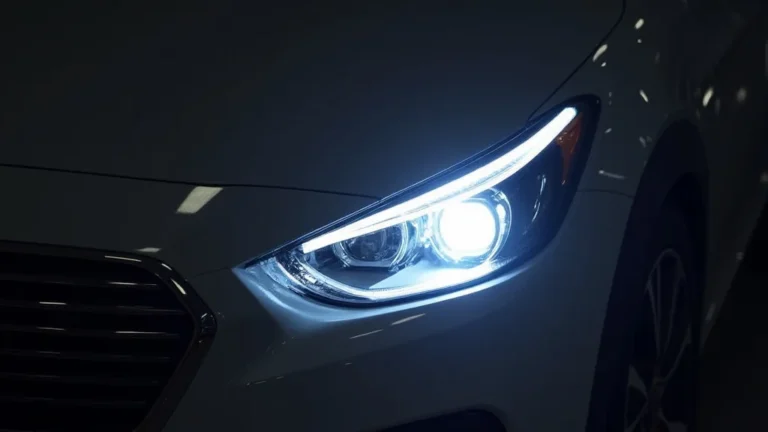
Fog lights are extra headlights placed lower down on your car. Their main job is to help you see better when visibility is bad, like in foggy, misty, snowy, or rainy conditions. They are specifically made to give you a clearer view of the road ahead when standard headlights might be less effective. The low placement helps them shine under the fog, reducing glare and making the road easier to see. Essentially, fog lights are safety tools that increase your visibility and help other drivers see you, making driving much safer in tough weather.
What Makes Fog Lights Different
The design of fog lights is key to their effectiveness. Unlike standard headlights, which are positioned higher and aimed forward, fog lights are positioned lower to the ground and are often aimed slightly downward and outward. This design is crucial because fog and other forms of precipitation often sit low to the ground. By being mounted low, the light from these lights doesn’t reflect off the fog back into the driver’s eyes, which would create glare and reduce visibility. Instead, the light travels under the fog, illuminating the road surface directly in front of the car.
- Color of the Light: Many fog lights are yellow or amber. This color is chosen because it has a longer wavelength, which is less likely to be scattered by water droplets or particles in the air, allowing it to penetrate through fog and other low-visibility conditions. Yellow light also tends to reduce glare.
- Light Pattern: Fog lights have a wide, flat beam pattern. This pattern spreads the light across the road horizontally, illuminating the areas closest to the car’s path, and enhancing visibility of the road’s edges.
- Placement and Aim: The low positioning of fog lights is important. It reduces the chance of light reflecting back into the driver’s eyes, which is what happens with high-mounted headlights in fog.
- Lens Design: The lens of a fog light is often designed to focus the light in a specific pattern. This ensures that the light is directed where it’s needed most, which is across the road close to the car.
This careful design helps ensure that fog lights give drivers the best possible view in bad weather conditions. This makes them a useful tool for safety on the road. Many modern cars have fog lights, showing how important they are for safe driving.
When to Use Fog Lights
Knowing when to use your fog lights is just as important as knowing what they are. Using them properly will help you see better and avoid bothering other drivers. The primary time to use fog lights is when there’s fog, of course. Fog dramatically reduces visibility, and fog lights are designed to cut through it. Additionally, you should use fog lights in heavy rain or snow, where visibility is also low.
- Fog: The primary reason to switch on fog lights is when visibility is significantly reduced by fog. If you can’t see far ahead, fog lights are a big help.
- Heavy Rain: Heavy rain can cut down on visibility. Fog lights can help you see and be seen by others on the road.
- Snowstorms: During snowstorms, the low placement and unique beam pattern of fog lights allow you to see the road more clearly.
- Dust Storms: In certain areas, dust storms can decrease visibility. Fog lights can improve your view in these conditions, too.
Keep in mind that fog lights are not meant to be used all the time. Using them when visibility is clear can bother other drivers. It’s best to only switch them on when you really need them. When you’re driving in conditions with low visibility, fog lights become a critical safety tool. They help you stay aware of your surroundings.
Fog Light Versus Headlight
While both fog lights and headlights are designed to help you see, they’re made for different situations. Headlights are your main source of light for driving at night or when it’s dark. They’re brighter and shine farther, allowing you to see objects ahead. Fog lights, on the other hand, are for helping you see in bad weather conditions. They have a different design, a wider beam pattern, and are positioned lower on your car. Understanding the differences between these lights can help you use them correctly and keep yourself and other drivers safe.
Headlight Characteristics
Headlights are designed to provide the main illumination for driving. They are typically mounted higher than fog lights. They are brighter and project a focused beam of light over a long distance. Modern headlights use advanced technologies like LED and xenon to increase their brightness and efficiency. The beam from headlights is aimed to provide both short and long-range visibility, enabling drivers to see far down the road and also be aware of the immediate surroundings. Headlights are essential for safe driving in dark environments.
- Brightness: Headlights have a higher light output to illuminate the road ahead clearly.
- Beam Pattern: The beam pattern of headlights is designed for long-distance visibility, illuminating the road and surroundings.
- Placement: Headlights are placed higher on the car to provide a greater range of illumination.
- Use Case: Headlights are for nighttime driving or low-light situations. They aren’t specifically made to reduce glare in bad weather.
Headlights are a must-have for safe driving at night or in low-light conditions. They offer good visibility and are important for seeing other vehicles. They help you and others on the road, increasing safety and awareness.
Understanding the Differences
Knowing how fog lights and headlights differ is important for safe driving. The main difference lies in their design and purpose. Headlights are for general use at night. Fog lights, though, are built for low visibility caused by fog, rain, or snow. Understanding these distinctions helps you use them at the right times, for the best safety. This ensures you’re helping yourself and other drivers on the road.
| Feature | Headlights | Fog Lights |
|---|---|---|
| Placement | Higher on the vehicle | Lower on the vehicle |
| Beam Pattern | Focused, long-range | Wide, short-range |
| Primary Use | Night driving, low-light | Fog, heavy rain, snow |
| Light Color | Often white or slightly yellow | Often yellow or amber |
In addition to the physical differences, the way these lights affect your driving experience changes depending on the conditions. The difference in their design and use makes each type of light essential for driving safely. Remembering their unique roles will help you choose the best light settings for your driving situations.
Regulations and Legal Aspects
Using fog lights is not just about making driving easier; it is also a matter of following rules and laws. These rules ensure that fog lights are used correctly and don’t bother other drivers. The use of fog lights is controlled by rules. These rules vary by location, but the main goal is always to promote safe driving for everyone on the road. Getting to know these rules is important for staying safe and avoiding any legal problems.
Legal Requirements
Laws about fog lights differ from place to place. But there are some common rules you can count on. It’s usually against the law to use fog lights when there’s no fog or bad weather. This is because the bright light can reduce visibility for other drivers, creating glare. Moreover, there may be laws about the color and brightness of the lights. Always check the regulations in your area to know what is allowed and what isn’t. Knowing and following the laws helps keep the roads safer for all drivers.
- Usage Restrictions: Most places say you should only use fog lights when visibility is bad. This covers fog, rain, and snow.
- Color Regulations: Many places only allow specific colors for fog lights. Yellow or amber are the most common colors to help cut through fog.
- Brightness Limits: There might be rules about how bright fog lights can be. This stops them from being too distracting for other drivers.
- Enforcement: Police can give out tickets for not following fog light laws. This happens if the lights are used when they shouldn’t be.
Knowing the legal requirements for fog lights is essential for safe and legal driving. Checking your local laws will help you use these lights correctly and keep you and others safe on the road. Always pay attention to the rules in your area, and remember that driving safely involves following all traffic laws.
Consequences of Incorrect Usage
Using fog lights in the wrong way can have several downsides. First, it can bother other drivers by creating glare, which makes it harder for them to see. This raises the chance of crashes. You might also get a ticket and have to pay a fine. Some places also include points against your driving record if you violate the rules. These penalties show how important it is to use fog lights properly. Driving safely means using fog lights carefully and following all traffic laws.
- Reduced Visibility for Others: Fog lights used in clear weather can make it hard for other drivers to see by creating glare.
- Increased Risk of Crashes: This glare can reduce the time a driver has to react, which increases crash risk.
- Fines and Penalties: Drivers who use fog lights improperly can be given tickets and have to pay fines.
- Points on Driving Record: Some places will put points on your driving record if you break the fog light laws.
Getting familiar with and following these rules helps keep the roads safe. Using fog lights right helps drivers see better in bad weather, and it prevents problems for others. By knowing and following these rules, you show you care about the safety of yourself and other people on the road.
Frequently Asked Questions
Question: Can I use my fog lights all the time?
Answer: No, you should only use your fog lights when visibility is poor, such as in fog, heavy rain, or snow. Using them in clear conditions can bother other drivers.
Question: Are fog lights the same as driving lights?
Answer: No. Driving lights are for extra illumination on clear nights. Fog lights are specifically designed for use in foggy or bad-weather conditions to improve visibility.
Question: What color should my fog lights be?
Answer: Many fog lights are yellow or amber. This color is chosen because it cuts through fog more effectively and reduces glare.
Question: What happens if I use my fog lights when it’s not foggy?
Answer: Using fog lights in clear conditions can create glare, making it harder for other drivers to see. You might also receive a ticket for violating traffic laws.
Question: Do all cars have fog lights?
Answer: No, not all cars come with fog lights as standard equipment. They are often optional or available on higher trim levels. Many newer vehicles have them.
Final Thoughts
Understanding what is fog light used for is key to safe driving. These lights are specially designed to enhance visibility when weather conditions turn challenging. They serve to improve your view of the road, particularly in fog, rain, or snow, reducing glare and aiding other drivers in seeing your vehicle. Remember that fog lights are not meant for all driving situations; they should be used when visibility is significantly reduced. This is a simple measure that greatly boosts safety for everyone. The proper use of fog lights protects you and others on the road.