Fog Light Purpose Explained: What They’re For
Figuring out what a fog light used for can be tricky when you’re just starting. There are lots of different types of car lights, and it’s easy to get confused! But don’t worry, it’s easier to learn than you think. This post will break down everything you need to know about fog lights in a simple way, so you’ll quickly understand their purpose. We’ll explore their function and when they’re most helpful.
Deciphering Fog Light’s Primary Function
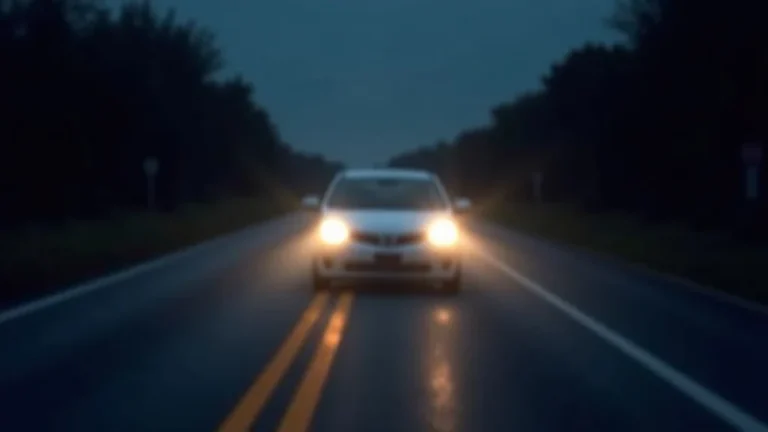
The main job of a fog light is to help you see better when the weather is bad. They are especially helpful in situations where visibility is really poor, such as when driving in heavy fog, thick snow, or even heavy rain. Unlike regular headlights, fog lights are designed to shine closer to the ground. This helps to reduce the amount of light that’s reflected back at the driver, improving visibility in those tricky conditions. Essentially, they’re like a specialized tool to keep you safe when things get hazy.
Improving Visibility During Adverse Weather
Fog lights are not just about adding extra light; they’re about directing the light in a way that’s most useful. Standard headlights, while powerful, often reflect off the fog particles, creating glare that makes it harder to see. Fog lights, on the other hand, produce a wide, flat beam that cuts through the fog. This low beam illuminates the road directly in front of your car, which allows the driver to see the edges of the road and any obstructions.
- Fog Density Matters: The effectiveness of fog lights depends on the density of the fog. In extremely thick fog, even the best fog lights have their limits.
- Beam Pattern: Fog lights typically have a wide and flat beam pattern. This design directs the light downward to illuminate the road surface and minimize backscatter.
- Color Temperature: Many fog lights have a yellow or amber tint. This color is chosen because it can cut through fog more effectively than white light.
- Placement: Fog lights are usually mounted low on the front of the vehicle. This helps to put the light beam below the fog and reduce glare.
Fog Light vs. Headlights: A Clear Distinction
The difference between headlights and fog lights often confuses people. Headlights are designed for general nighttime driving, providing a broader, longer-range view of the road. Fog lights, as we know, are for specific weather conditions and have a shorter, wider beam. Using the wrong light in the wrong conditions can be a hazard. Using headlights in thick fog can worsen visibility due to glare. Headlights are meant to illuminate the road ahead, while fog lights are intended to illuminate the immediate area directly in front of the vehicle.
- Headlights: Designed for general nighttime driving. They provide a broader, longer-range view.
- Fog Lights: Designed for specific weather conditions, like fog, snow, or heavy rain. They have a shorter, wider beam that illuminates the road in front.
- Beam Direction: Headlights shine forward, high enough to illuminate the road and beyond. Fog lights shine closer to the ground to avoid glare.
- Color Temperature: Headlights often use white or slightly bluish light. Fog lights often use yellow or amber light.
How Fog Light Used For Enhances Safety
Fog lights directly help improve road safety by increasing a driver’s ability to see and react to potential hazards. By illuminating the road and surroundings in poor visibility situations, fog lights provide drivers with valuable seconds to react. They can reveal pedestrians, other vehicles, or obstacles in advance. Having a clear view ahead gives drivers more time to make safe decisions, like slowing down, changing lanes, or avoiding a collision. This can be the difference between a minor inconvenience and a serious accident.
Reducing Glare and Improving Visual Acuity
One of the key things that fog light used for does is reduce glare. Headlights, when used in foggy conditions, can create a blinding effect as the light reflects off the water droplets in the air. This makes it difficult for drivers to see, worsening visibility. Fog lights are designed to minimize this effect. The low, wide beam pattern of fog lights directs the light below the fog layer, reducing the backscatter and enabling the driver to see more clearly. By minimizing glare, fog lights help improve the driver’s visual acuity and reduce eye strain.
- Glare Reduction: The placement and beam pattern of fog lights are specifically designed to reduce glare.
- Enhanced Contrast: The yellow or amber tint of some fog lights can enhance contrast, making objects and road markings more visible in low-light conditions.
- Early Hazard Detection: By illuminating the immediate road and surroundings, fog lights help drivers spot potential hazards early.
- Driver Awareness: Fog lights make drivers more aware of their surroundings, especially in poor visibility conditions.
Enhanced Road Awareness
Using fog lights significantly enhances road awareness. By reducing glare and improving the driver’s view, fog lights provide drivers with the chance to see and react to hazards quickly. They allow drivers to see the edges of the road, lane markings, and any obstructions that could be dangerous. This enhanced awareness helps in making informed decisions. It allows for safer navigation through tough conditions. When visibility is reduced, every bit of extra sight helps to avoid potential accidents.
Real-Life Examples of Fog Light Benefits
To better understand the value of fog lights, consider a few real-world examples:
- Mountain Pass: A driver is driving through a mountain pass with sudden, thick fog. Without fog lights, the driver would struggle to see more than a few feet ahead. With fog lights on, the driver can see the road edges and other vehicles.
- Winter Storm: During a heavy snowstorm, a driver’s headlights are significantly impaired by the falling snow and the glare. The fog lights, designed to cut through this, allow the driver to maintain a clearer view of the road.
- Coastal Highway: A driver is driving on a coastal highway during a period of heavy sea fog. Fog lights, in this scenario, help in spotting other vehicles and staying within the lane markings, aiding the safe navigation of the road.
Examining Fog Light Designs and Technologies
The design and technology behind fog lights are very specific and focused on their purpose. Over time, the designs of fog lights have grown to give better performance and improved visibility. They come in different designs and use different types of bulbs to improve visibility in adverse weather conditions. The primary goals in design focus on beam patterns, color temperatures, and the materials used to construct them.
Exploring Different Fog Light Types
Fog lights are not one-size-fits-all. They come in various types, each with its characteristics. Some types are better suited for specific weather conditions or vehicle styles. You can usually find them as halogen, LED, or xenon, depending on their performance and efficiency. Some fog lights are designed for specific vehicles. Understanding the different types helps you choose the right ones for your needs.
- Halogen Fog Lights: These are the most common and often the least expensive. They use a halogen bulb and emit a warm, yellow light.
- LED Fog Lights: LED fog lights are becoming more popular. They are more energy-efficient and last longer.
- Xenon/HID Fog Lights: These lights use xenon gas to produce a bright, white light. They are powerful but can be more expensive.
- Shape and Placement: Fog lights come in various shapes and sizes. They’re usually mounted low on the front of the vehicle.
The Evolution of Fog Light Technology
Fog light technology has changed over time. Early fog lights were simple halogen bulbs. Nowadays, LED lights are popular because they are brighter, more efficient, and last longer. Advances in lens design and reflector technology have also improved fog light performance. These advancements enable better light distribution, reduce glare, and enhance visibility. The goal is always to improve driver safety.
| Feature | Halogen | LED | Xenon/HID |
|---|---|---|---|
| Brightness | Good | Very Good | Excellent |
| Efficiency | Low | High | Moderate |
| Lifespan | Shorter | Longer | Moderate |
| Cost | Lower | Moderate | Higher |
Choosing the Right Fog Light for Your Vehicle
Picking the correct fog lights for your vehicle involves considering several key factors, ranging from vehicle compatibility to legal requirements. Choosing the right fog lights will help in improving visibility. Making the best decision means thinking about your driving conditions, budget, and the style of your vehicle. The right choice is essential for safety.
Factors to Consider When Selecting Fog Lights
When selecting fog lights, take these points into account:
- Vehicle Compatibility: Make sure the fog lights are designed to fit your vehicle’s make and model. Check the vehicle’s manual or an online parts finder.
- Light Type: Consider whether halogen, LED, or xenon/HID lights are best for your needs. LED lights are often the most energy-efficient.
- Brightness and Beam Pattern: Look for fog lights with the right brightness and a wide, flat beam pattern. This helps cut through fog.
- Color Temperature: Fog lights with a yellow or amber tint often perform best in foggy conditions.
- Durability: Choose fog lights made from durable materials that can withstand weather.
Legal and Safety Regulations
Before purchasing fog lights, make sure they meet all local and national regulations. These regulations usually cover the brightness, color, and placement of the lights. Installing fog lights that do not meet these requirements can lead to fines. Also, check to make sure the lights are properly installed and aimed to avoid causing glare for other drivers. Always prioritize safety and follow legal guidelines.
According to the National Highway Traffic Safety Administration (NHTSA), car accidents are more likely to happen during times of reduced visibility, like fog.
Frequently Asked Questions
Question: When should I use my fog lights?
Answer: Use fog lights when visibility is reduced due to fog, snow, heavy rain, or dust. They’re designed to help you see the road better in these conditions.
Question: Are fog lights the same as driving lights?
Answer: No, they are not. Fog lights are designed for adverse weather. Driving lights provide additional illumination during normal driving conditions.
Question: Can I use fog lights all the time?
Answer: While there’s no harm in using them, it’s generally best to use fog lights only when needed. Excessive use might annoy other drivers.
Question: What color should my fog lights be?
Answer: Many fog lights are yellow or amber, as these colors cut through fog effectively. However, you can also find white LED fog lights.
Question: How do I know if my fog lights are working correctly?
Answer: Ensure that your fog lights illuminate when switched on. Ensure the beam pattern is wide and flat. Look out for any glare, and ensure that they are aimed correctly.
Final Thoughts
Understanding fog light used for is a key part of staying safe on the road. They are a tool created to improve visibility during poor weather conditions. By directing a low, wide beam, fog lights let drivers see better when fog, snow, or heavy rain impacts how well they can see. Choosing the right fog lights for your vehicle, following the laws, and using them properly are crucial for improved safety. They not only help you see better but also let other drivers see your vehicle. By knowing the benefits of fog lights, you can confidently and safely explore those roads, even when the weather isn’t on your side. With the correct use of your fog lights, you’ll be well-prepared to see and react, ensuring a smoother and safer journey for you and all the other drivers. So next time you see the fog roll in, remember the important role fog lights play, and hit the road with confidence.