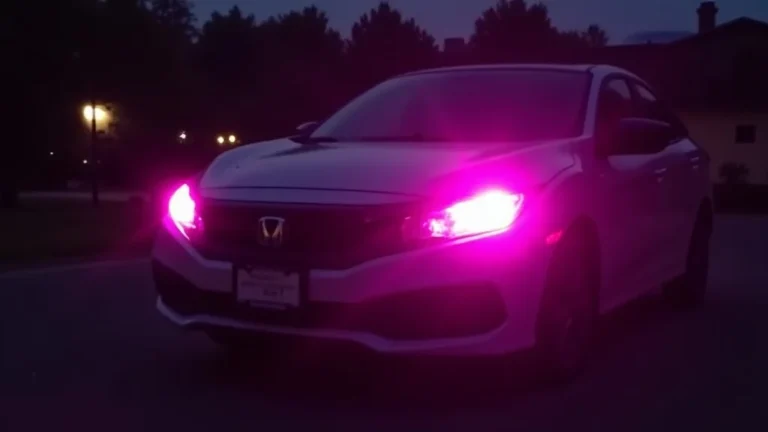
Fog Lights for Highway Driving: What You Need to Know
Driving on highways can be tricky, especially when the weather turns sour. Many new drivers find it a bit confusing to use their lights correctly, particularly when it comes to fog lights for highway driving. Don’t worry, everyone starts somewhere! This guide is here to help you get the hang of it. We’ll break down the basics in easy steps, so you can feel confident and safe on the road. Get ready to explore how to use fog lights properly.
What Are Fog Lights and Why Use Them on the Highway?
Fog lights are special lights located on your car, usually near the bottom of the front bumper. They’re designed to help you see better in foggy conditions. They produce a wide, flat beam that shines close to the ground, which helps illuminate the road surface and reduce glare from the fog. Fog lights are different from your regular headlights and can greatly improve visibility when driving in challenging weather.
The main purpose of fog lights on the highway is to increase your visibility and make you more visible to other drivers. Highway driving often involves higher speeds and more traffic, so any advantage in seeing and being seen can be a significant safety booster. When used correctly, fog lights can cut through fog better than regular headlights because of their lower position and design. This helps you react to obstacles and other vehicles more quickly, reducing the chance of accidents. Understanding how and when to deploy these lights is key to safe highway driving.
The Design and Purpose of Fog Lights
Fog lights are built with a specific purpose in mind: to cut through fog. They achieve this with a few design features that distinguish them from standard headlights. This design allows them to penetrate the fog, giving the driver a clearer view of the road ahead, unlike conventional headlights which tend to reflect off the fog back at the driver.
- Low Mounting: Fog lights are mounted low on the vehicle. This positioning is important because fog tends to be thicker closer to the ground. By being low, the light beam can pass under the densest parts of the fog.
- Wide Beam Pattern: Unlike headlights that have a focused beam, fog lights emit a wide, flat beam. This spread of light illuminates the road surface and the immediate surroundings without reflecting directly back into the driver’s eyes.
- Specific Lens Design: The lens of a fog light is often designed to control the beam shape. This can involve special textures or patterns to spread the light evenly and reduce glare.
- Yellow or White Light: While some fog lights emit white light, many are designed with a yellow tint. Yellow light is thought to be more effective at penetrating fog and reducing glare.
These design elements work together to provide enhanced visibility in foggy conditions, making driving safer for you and others on the road. By understanding these features, you can appreciate the value of fog lights and use them appropriately.
When to Activate Your Fog Lights
Knowing when to turn on your fog lights is just as important as knowing what they are. Using them incorrectly can be distracting or even dangerous for other drivers. The key is to turn them on only when visibility is reduced due to fog, heavy rain, snow, or other conditions that limit how far you can see.
- Foggy Conditions: This is the most obvious time to use fog lights. If you can’t see clearly more than a short distance ahead, it’s time to turn them on. This enhances your ability to see the road and allows others to see your vehicle.
- Heavy Rain or Snow: During periods of intense precipitation, visibility can be significantly reduced. Fog lights can help cut through the rain or snow, providing better visibility than your regular headlights alone.
- Dust or Smoke: In areas where dust storms or smoke from wildfires are common, fog lights can be helpful. They improve your visibility and make you more visible to others in these conditions.
- Avoiding Unnecessary Use: It’s important to turn off your fog lights when conditions improve. Using them when they’re not needed can cause glare for other drivers, reducing their visibility.
By using your fog lights at the right times, you can improve your safety and the safety of everyone else on the road. Remember to consider the visibility conditions and adjust your lighting accordingly.
Fog Lights for Highway Driving Rules and Regulations
The use of fog lights on highways is often regulated by specific laws and guidelines. These regulations are designed to ensure the safe and proper use of fog lights, preventing misuse that could potentially put other drivers at risk. Regulations may vary depending on where you are. Understanding these rules is essential for complying with the law and driving safely.
These regulations are aimed at ensuring the lights are used safely and do not create dangerous situations for other drivers. Understanding and adhering to these rules is vital for safe and legal driving.
State and Local Laws
The rules governing the use of fog lights can vary significantly from one state or locality to another. This means it’s important to be aware of the specific laws that apply in your area. These laws usually cover when fog lights can be used, the situations in which they are permitted or prohibited, and any restrictions on their use.
- Specific Conditions: Many states allow the use of fog lights only when visibility is reduced due to fog, rain, snow, or other weather conditions.
- No Clear Weather Use: The common rule is to prohibit the use of fog lights in clear weather conditions. This is to avoid distracting or blinding other drivers.
- Combined with Headlights: Some states require that fog lights be used in conjunction with low-beam headlights, while high beams are often prohibited when using fog lights.
- Penalties for Misuse: Violating fog light laws can result in warnings, fines, or other penalties, so it’s essential to comply with local regulations.
Check your state’s driving manual or online resources for precise regulations to ensure you’re following the legal guidelines.
Highway-Specific Considerations
Highways present unique challenges that affect how you should use fog lights. High-speed travel, denser traffic, and various weather conditions can influence your approach to using these lights. Safe fog light practices on the highway revolve around maximizing visibility while minimizing risks.
- Reduced Visibility at Speed: Because highways involve higher speeds, any reduction in visibility becomes more critical. Fog lights can help maintain a better view of the road and surroundings.
- Traffic Density: Be mindful of other vehicles. Ensure your fog lights aren’t creating glare for other drivers, especially at night.
- Reflective Road Signs: When driving with fog lights at night, keep in mind that the lights can affect the way reflective road signs and markings appear.
- Dynamic Conditions: Highway conditions can change swiftly. Be ready to adjust your fog lights according to the weather.
By keeping these factors in mind, you can use your fog lights effectively on the highway, ensuring your safety and the safety of others.
Maintaining and Upgrading Your Fog Lights
Taking care of your fog lights ensures they function when needed and remain effective over time. Upgrading your fog lights can be a way to improve their performance and potentially enhance your driving safety. Regular care and suitable upgrades can make a noticeable difference.
Proper care and considering upgrades are practical ways to ensure your fog lights function reliably and efficiently when you need them most. Following these guidelines will improve your driving experience and overall safety.
Cleaning and Inspection
Regularly cleaning and inspecting your fog lights will maintain their effectiveness. Dust, dirt, and debris can reduce the amount of light they emit, decreasing their ability to improve visibility. A few simple maintenance steps will keep your fog lights in prime condition.
- Regular Cleaning: Clean the lenses of your fog lights every time you wash your vehicle or as needed. Use a mild soap and water solution and a soft cloth to remove dirt, grime, and any other obstructions.
- Visual Inspections: Do periodic inspections to look for any signs of damage, such as cracks or chips in the lens. These can affect the light’s performance and potentially lead to water entering the light housing.
- Bulb Checks: Ensure all bulbs are working correctly. Replace any that are burned out promptly. This is especially important during inspections or before a trip.
- Wiring and Connections: Examine the wiring and connections for any damage or corrosion. Bad connections can cause lights to flicker or fail altogether.
By regularly cleaning and inspecting your fog lights, you can ensure they are ready to help you when needed. This simple routine will extend the life of your lights and help you remain safe.
Upgrading Your Fog Lights
Upgrading your fog lights can improve their performance, giving you better visibility in adverse conditions. When considering upgrades, think about the options available and consider your specific needs. Here’s a brief look at some common upgrades.
- LED Replacements: LEDs are more energy-efficient and can provide brighter, more focused light. They often last longer than traditional bulbs and can improve visibility.
- Lens Replacements: Consider upgrading the lenses of your fog lights. High-quality lenses can improve the light’s beam pattern, increasing its effectiveness in foggy conditions.
- Higher Lumens: While increasing brightness is desirable, ensure any increase complies with local regulations. Too much light could be blinding to other drivers.
- Color Temperature: Some prefer different color temperatures. While yellow light is often thought to be better for fog, some drivers may prefer a slightly different hue for aesthetic or functional reasons.
When selecting upgrades, focus on improving your visibility without causing glare to other drivers. Proper upgrades can make a positive difference in your safety and driving experience.
Advanced Driving Techniques in Foggy Conditions
Driving safely in foggy conditions requires more than just knowing how to use your fog lights. Other techniques can help you navigate safely. These advanced practices are designed to enhance your safety and reduce the risks associated with driving in poor visibility. Mastering these techniques will help you become a more confident driver.
Enhancing your skills, improving vehicle control, and making smart decisions are vital. The combination of your fog lights with these advanced techniques will maximize your safety on the road.
Adjusting Speed and Following Distance
Slowing down and increasing your following distance are two of the most critical adjustments to make when driving in fog. This approach ensures you have enough time to react to any hazards that may appear. The higher the speed and the poorer the visibility, the more important these adjustments become.
- Reducing Speed: Reduce your speed to ensure you can stop within the distance you can see. The faster you drive, the less time you have to react to anything in front of you.
- Increasing Following Distance: Extend the distance between your vehicle and the one in front of you. This extra space gives you more time to react.
- Judging Visibility: Use road markers or the edges of the road to help gauge your visibility. If you can’t see these, slow down.
- Considering Braking Time: Remember that stopping distances increase in wet or foggy conditions. Adjust your speed accordingly.
Slowing down and increasing your following distance are simple steps that can make a major difference in foggy conditions. They will improve your safety margin and allow for a more controlled driving experience.
Using Road Markings and Guidelines
Road markings can be critical visual aids when visibility is poor. Learning to use these markers helps you stay in your lane and navigate safely. The edges of the road, lane lines, and other markings offer crucial references.
- Lane Positioning: Stay within your lane and avoid drifting. If you can’t see the lane lines, try to maintain a steady position in the center of your lane.
- Edge of the Road: Use the edge of the road as a reference point. Keep your vehicle’s wheels within your lane and to the right of the center line.
- Reflective Markers: Look for reflective markers. These can help you determine the position of the road and provide vital information when visibility is low.
- Following the Traffic Flow: If possible, follow the flow of traffic but maintain a safe distance. Be aware that other drivers may also be struggling with visibility.
Using these visual cues will help you maintain control and navigate through fog safely. This skill will make a big difference in challenging visibility conditions.
Avoiding Common Mistakes
There are several common mistakes drivers make in foggy conditions. Knowing what to avoid is as important as knowing what to do. Being aware of these errors can help you drive more safely and prevent accidents.
- Using High Beams: Avoid using high beams. They reflect off the fog and reduce your visibility. Low beams or fog lights are more suitable.
- Sudden Braking: Avoid sudden braking, as this can increase the risk of a rear-end collision. Brake smoothly and gradually.
- Driving Too Fast: Driving too fast for the conditions is a very common mistake. Slow down, and adjust your speed based on visibility.
- Over-Reliance on Technology: Don’t depend too heavily on technology such as GPS or automatic driving systems. They may not perform optimally in adverse conditions.
Avoiding these common mistakes and adopting these strategies will help improve your driving performance in foggy weather. These simple, yet effective, adjustments can help keep you and other drivers safe.
According to the National Highway Traffic Safety Administration (NHTSA), weather-related crashes account for around 21% of all traffic accidents. Fog, in particular, contributes to reduced visibility, making it a critical factor in many of these incidents.
| Factor | Impact on Visibility |
|---|---|
| Fog | Severely reduced visibility; makes it difficult to see the road ahead. |
| Rain | Reduced visibility; causes glare. |
| Snow | Reduced visibility; impacts road surface. |
Frequently Asked Questions
Question: Can I use my fog lights all the time?
Answer: No, fog lights are designed for use only when visibility is reduced due to fog, rain, snow, or other conditions. Using them in clear weather can be distracting and potentially blinding to other drivers.
Question: Are fog lights required by law?
Answer: The requirement for fog lights varies by state and region. Some areas require them on certain vehicles, while others may not. However, using them inappropriately can lead to legal penalties.
Question: Will fog lights help me see further?
Answer: Fog lights are not designed to see further; they’re made to increase visibility of the road surface and to make your car visible to other drivers in foggy conditions. They do not increase the distance you can see, but they improve the clarity of what’s in front of you.
Question: Can I use high beams with fog lights?
Answer: Generally, it’s recommended to avoid using high beams when you use your fog lights. High beams reflect off the fog and reduce your visibility. Low beams or fog lights are more suitable.
Question: How can I tell if my fog lights are working?
Answer: You’ll usually have an indicator light on your dashboard when your fog lights are on. Also, you can visually inspect them by checking to see if they’re illuminated when you turn them on.
Final Thoughts
Mastering the use of fog lights for highway driving is a skill that can greatly increase your safety on the road. Remember, fog lights are more than just an accessory; they’re essential tools for improving visibility in challenging conditions. You’ve now explored their purpose, how to use them correctly, and the specific regulations that apply. You’ve also learned about maintenance and some of the skills you can use to drive in tough weather.
So, the next time you face foggy conditions, use your knowledge. Remember to use your fog lights responsibly, adjust your speed, and stay alert. Your comfort and safety are important, and with practice, driving in poor visibility will become less of a challenge. Keep practicing the skills you’ve learned. Stay safe on the road!