Which Headlights to Use in Snow: A Beginner’s Guide
Driving in snowy conditions can be tricky, and figuring out which headlights to use in snow is something a lot of new drivers find confusing. Don’t worry, it’s totally normal to feel unsure at first. The different settings and what they’re for can seem overwhelming. This guide will break down the best headlight options and explain when to use them. We’ll explore the lights on your car and how they can help keep you safe when the snow starts falling. Let’s get started!
Choosing the Right Lights for Snowy Weather
When snow blankets the roads, visibility takes a nosedive. This is where your headlights become your best friend. Choosing the right headlights isn’t just about turning them on; it’s about selecting the type that gives you the best view while also helping other drivers see you. There’s a lot to consider: the brightness of your headlights, how far they shine, and the impact of the snow itself. Getting the light settings right is a vital part of driving safely in the winter. We’ll investigate different headlight choices so you can confidently make the right decision behind the wheel.
Low Beams: Your Go-To Option in Snow
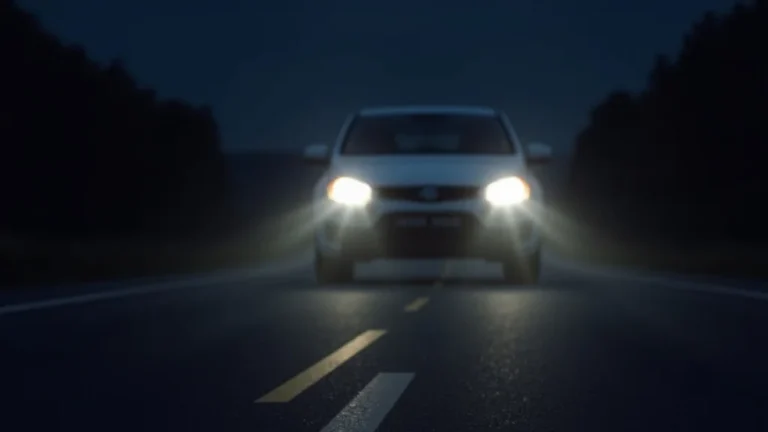
Low beams, also known as dipped headlights, are your default choice for snowy conditions. They’re designed to illuminate the road ahead without blinding other drivers. This is super important because high beams can reflect off the snow and make it harder for you to see, not easier. Low beams cast a wider beam, giving you a better view of the road edges, pedestrians, and potential hazards like icy patches. Using low beams in light to moderate snow ensures you can see where you’re going without negatively impacting the vision of other drivers sharing the road. This also reduces the glare that can come from the snow and helps keep you safe.
- Preventing Glare: Low beams direct light downward, reducing the chances of light reflecting off the snow back into your eyes. This helps you to better see the road ahead.
- Improved Visibility: They offer a broad field of view, making it easier to spot objects or potential dangers on the sides of the road.
- Compliance with Regulations: In many places, low beams are the required setting when visibility is reduced due to weather conditions.
- Less Fatigue: The reduced glare can also lessen eye strain during long drives in snowy weather.
High Beams: When and When Not to Use Them
High beams, or main beam headlights, are designed for maximum illumination, projecting light much further down the road. They are great for open roads where there is no oncoming traffic and you need to see as far as possible. However, they are generally not suitable for use in snowy conditions. Snow reflects light. High beams can create a wall of glare, drastically reducing your visibility. This can make it difficult to see the road, other vehicles, and any hazards. The times you might consider them is when there is a short, clear stretch of road with no other vehicles around and little to no snow. Always revert to low beams when you see other cars.
- Limited Use: High beams should only be used in snowy conditions if visibility is extremely limited and there are no other vehicles around.
- Risk of Glare: The primary downside is the increased glare, which can bounce back from the snow and impair your vision.
- Legal Restrictions: Be aware of local regulations, as using high beams inappropriately can result in fines.
- Situational Awareness: Always switch to low beams when other vehicles are present or when you approach curves or hills.
Fog Lights: Their Role and Limitations
Fog lights are specially designed to cut through fog, and they can be useful in snowy conditions. They are typically positioned low on the vehicle and cast a wide, flat beam of light. This placement helps to illuminate the road beneath the fog or snow, minimizing the glare effect. However, fog lights have limitations; they aren’t a
Understanding Fog Light Placement and Function
Fog lights are positioned low because the bottom of the air generally has less fog or snow. Light traveling through this clearer zone is more effective at illuminating the road. The beam pattern of fog lights is designed to be wide and flat, spreading the light horizontally rather than projecting it upwards. This also minimizes the amount of light that reflects back at the driver. Fog lights are usually more yellow or amber in color, which many people believe helps with contrast in low visibility situations. This design allows for better visibility in snowy or foggy conditions when visibility is low. You must remember that fog lights are not meant to replace your low beams, but to be an addition to them.
- Low Positioning: Placed low on the vehicle to illuminate the road beneath the snow or fog.
- Wide Beam Pattern: Designed to spread light horizontally, improving visibility of the road’s edges.
- Color Considerations: Often yellow or amber to improve contrast and reduce glare.
- Complementary Use: Best used in combination with low beams for enhanced visibility.
When to Use Fog Lights in Snow
Fog lights are best used when visibility is significantly reduced due to heavy snowfall. They are most helpful when you can’t see far ahead, and low beams alone aren’t providing enough light. Turning on your fog lights can give you a better view of the road markings, any obstacles, and other vehicles. However, it’s essential not to rely on them solely. Always make sure your low beams are on too, to give you a broader view of the road. Be aware that conditions can change quickly, so adjust your lights as needed, and drive with extra caution when using fog lights.
- Heavy Snowfall: Fog lights are most useful when the snow is coming down thick, and visibility is severely impaired.
- Combined with Low Beams: They are most effective when used with your low beams, as this offers the best combination of road illumination and reduced glare.
- Awareness of Road Markings: Fog lights can help you see lane markers and road edges more clearly when visibility is low.
- Monitoring Conditions: Watch for changes in snowfall intensity and adjust your lighting accordingly.
Headlight Maintenance and Upgrades
Taking care of your headlights is just as important as knowing which ones to use. Keeping your headlights clean, properly aligned, and in good working order is essential for safe driving in all conditions, including snow. Regularly checking and maintaining your headlights helps guarantee they work properly when you need them most. There are also upgrades you can consider. These upgrades can boost your visibility and safety. Make sure that any upgrades meet all local regulations.
Cleaning and Maintaining Your Headlights
Dirty headlights can reduce their effectiveness by as much as 90%. Road grime, salt, and other debris can accumulate on the lens, blocking light. Cleaning your headlights regularly can help to ensure maximum visibility, especially during winter months. Also, check to make sure the bulbs are working, and replace any burnt-out bulbs right away. Check the alignment of your headlights to make sure they are pointing in the right direction. Proper maintenance is a small investment, but it contributes greatly to the safety of you and other people on the road.
- Regular Cleaning: Clean your headlight lenses regularly to remove dirt, snow, and road grime.
- Bulb Inspection: Check your bulbs frequently and replace any that have burned out.
- Proper Alignment: Make sure your headlights are aligned correctly to focus the light where it’s needed.
- Lens Restoration: Consider lens restoration if your headlights appear cloudy or yellowed.
Headlight Upgrades and Options
If you’re looking to improve your headlight performance, several upgrades are available. LED and HID headlights are popular choices because they provide brighter and more focused light. They can enhance your visibility in snowy conditions, but ensure that any upgrades you make comply with local regulations and do not blind other drivers. Upgrading can provide better visibility, but proper adjustment and use are the most important elements of safe driving.
| Headlight Type | Advantages | Disadvantages |
|---|---|---|
| Halogen | Affordable, readily available | Less bright, shorter lifespan |
| LED | Brighter, longer lifespan, energy efficient | Can be expensive, requires proper installation |
| HID (Xenon) | Very bright, efficient | Can be expensive, potential glare if not adjusted correctly |
Driving Safely in Snow: Beyond Headlights
While choosing the right headlights is key to safe driving in snow, it’s just one piece of the puzzle. Safe driving in snow requires a combination of good lighting choices, defensive driving techniques, and a general awareness of road conditions. Things like speed, braking, and steering all need to be managed carefully in snowy conditions. Being prepared, patient, and cautious can keep you safe during your travels.
Adjusting Your Driving for Snowy Conditions
One of the most important steps to safe driving in snow is to adjust your driving. Reduce your speed, increase your following distance, and steer smoothly. Sudden braking or sharp turns can cause you to lose control, so avoid jerky movements. Be mindful of black ice, and stay aware of any changes in road conditions. Taking extra precautions and having a slower driving speed allows you to react to unforeseen conditions. A careful approach ensures you can handle the challenges of driving in snow and keeps you and others safe on the road.
- Reduce Speed: Drive slower than the posted speed limit to give yourself more time to react.
- Increase Following Distance: Maintain a larger space between your car and the vehicle in front of you.
- Smooth Steering and Braking: Avoid sudden movements to prevent skidding.
- Be Aware of Black Ice: Watch for icy patches, especially on bridges and overpasses.
Defensive Driving Techniques in Snow
Defensive driving is crucial in snowy conditions. This includes anticipating potential hazards, watching for other drivers’ mistakes, and making sure you are visible to others. Always expect the unexpected, and be ready to react if another driver slips or loses control. Scan the road ahead and the sides of the road. Be aware of your surroundings, and always keep an eye out for potential risks. Defensive driving is a proactive approach that reduces the chances of accidents.
- Anticipate Hazards: Watch out for potential dangers, such as black ice, drifts, and areas prone to accidents.
- Observe Other Drivers: Pay attention to how other drivers are behaving and be prepared for their mistakes.
- Increase Visibility: Make sure your headlights, taillights, and turn signals are clean and working properly.
- Stay Focused: Avoid distractions and concentrate on the road ahead.
Frequently Asked Questions
Question: Should I use high beams when it’s snowing?
Answer: It’s usually best to avoid high beams when it’s snowing. The light can reflect off the snow and make it harder to see.
Question: When should I use my fog lights?
Answer: Use your fog lights when visibility is significantly reduced, such as during heavy snowfall or thick fog, but be sure to use them with your low beams.
Question: How can I keep my headlights clean in the winter?
Answer: Clean your headlight lenses regularly to remove dirt, snow, and road grime. This helps maintain their effectiveness.
Question: Are LED headlights better than halogen headlights in snow?
Answer: LED headlights are usually brighter and can offer better visibility than halogen headlights, but make sure the upgrades comply with local regulations.
Question: What’s the most important thing to remember when driving in snow?
Answer: Adjust your speed and drive defensively. Be prepared to slow down, increase your following distance, and be extra cautious.
Final Thoughts
Understanding which headlights to use in snow is critical to your safety and the safety of everyone else on the road. The goal is simple: maximize your vision while minimizing glare. This means selecting your low beams as your default option when snow is falling. If conditions are extremely foggy or snowy, consider adding fog lights in combination with your low beams. Regular maintenance of your headlights, including cleaning and proper alignment, is crucial. Remember to adapt your driving style to the conditions, slow down, increase your distance from other vehicles, and be cautious. By following these guidelines, you can drive with more confidence and safety when the weather turns snowy. Stay safe on the roads this winter!