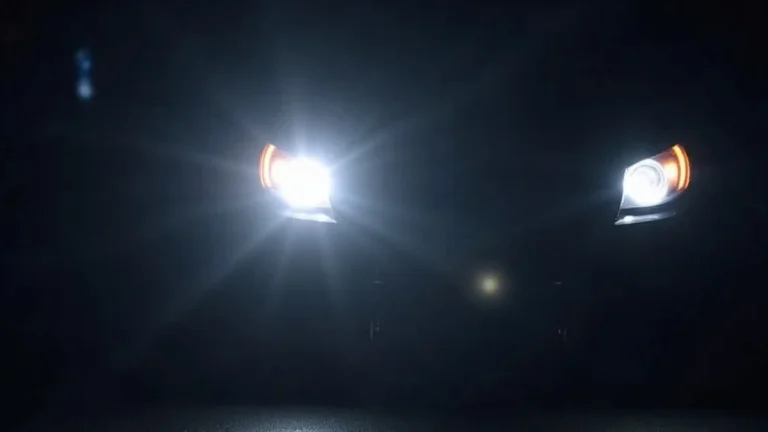
When To Use Low Beam Headlights For Safe Night Driving
Figuring out when should you use low beam headlights can be tricky when you’re first learning to drive. It’s something many new drivers find a bit confusing. You’re not alone! Don’t worry, this post will help make it super easy to know exactly when to flip those lights on. We’ll go through the situations, step by step, so you can drive safely and with confidence. Let’s get started!
Understanding Your Vehicle’s Headlights
Your car’s headlights are more than just a way to see at night. They’re a vital safety feature that helps you see and be seen by other drivers. They come in different types, with low beams and high beams being the most common. Knowing the difference and when to use each is extremely important for safe driving. Being able to choose the correct lights in the correct conditions can save your life and the lives of those around you. Being confident in your knowledge of your vehicle’s features is also paramount.
Types of Headlights: Low Beams and High Beams
Low beam headlights provide a broad, but shorter range of illumination. They are designed for general use, especially in situations where there’s other traffic. They point downward, which reduces glare for other drivers. The focus is on lighting up the road directly in front of your car, allowing you to see objects and potential hazards. Low beam headlights often have a lower brightness level compared to high beams to prevent blinding oncoming drivers. They are your go-to lights for the majority of driving situations.
High beam headlights, on the other hand, shine a more intense, focused light over a longer distance. They help you see further down the road when visibility is poor, such as on dark roads with no streetlights. However, because they shine upwards, they can create glare for other drivers, so they are not meant to be used when other vehicles are nearby. High beams are reserved for specific situations where maximum visibility is required and there’s no risk of blinding others.
- Low Beam Purpose: Primarily for driving at night or in conditions where other vehicles are present. They are designed to prevent blinding other drivers.
- High Beam Purpose: Designed for maximum visibility in dark, isolated areas, where there are no other vehicles around. They allow drivers to see further.
- Automatic Headlights: Many modern vehicles have automatic headlights that turn on when the system detects low lighting conditions.
Low beams are the workhorses of your headlight system. They’re crafted to offer a balance of visibility and courtesy on the road. The design focuses on lighting up the path directly ahead, allowing drivers to see the road, any pedestrians, and potential hazards without creating excessive glare. They are perfect for driving in urban areas.
High beams are the powerhouses of your headlight system, designed for situations where visibility is critical and the risk of blinding other drivers is minimal. They cast a powerful beam of light far ahead, greatly increasing your view of the road. They are great for driving on poorly lit country roads, but should be used responsibly to avoid creating unnecessary hazards for other drivers.
Automatic headlights are a convenience feature that enhances safety. These systems use light sensors to detect low-light conditions, such as dusk, night, or when entering a tunnel. When the sensors detect that the light levels are low, they automatically turn on the headlights, ensuring the vehicle is visible to others and that the driver has adequate visibility. This feature helps prevent drivers from forgetting to turn on their headlights when they are needed.
When Should You Use Low Beam Headlights?
Knowing when should you use low beam headlights is essential for safe driving. Using your low beams at the right times helps you see the road clearly and also ensures you’re visible to others. Let’s explore the common situations where low beams are the correct choice, keeping safety and consideration for other drivers in mind. These are the go-to lights for most of your driving.
Driving at Night
The most obvious time to use low beams is when driving at night. Darkness significantly reduces visibility, making it harder to see pedestrians, cyclists, other vehicles, and road hazards. Low beams provide enough light for you to see the road ahead without blinding oncoming drivers. Remember, the use of low beams is critical when it gets dark to ensure you can see what is in front of you. It’s a key part of staying safe while driving at night.
- Dusk and Dawn: As the sun sets or rises, the light changes rapidly. Low beams make your vehicle more visible.
- Urban Areas: In cities and towns, streetlights provide some illumination. Low beams offer ample visibility without causing glare to other drivers.
- Dark Rural Roads with Traffic: Even on rural roads, if there’s any oncoming traffic, low beams are the safest option to avoid blinding others.
Dusk and dawn create tricky visibility conditions. The ambient light levels can be inconsistent, causing it to be hard for other drivers to see you. Using low beams during these times makes your car stand out, reducing the risk of accidents. Even if you think you can see well enough, turning on your headlights makes a big difference to how visible your car is to others. This enhances overall safety on the road during these periods.
Urban areas usually have enough ambient light, but low beams are still useful. They help to ensure that you can be easily seen. They also illuminate the road and any potential hazards that may be present. They make it easier to spot pedestrians, cyclists, and other road users in the city.
Dark, rural roads can be dangerous, especially with oncoming traffic. High beams can be tempting, but they can temporarily blind other drivers. Low beams still give enough light for you to see while keeping the road safe for everyone. Using low beams in these cases is not just about following the rules; it’s about being responsible and caring for those around you.
Inclement Weather Conditions
Weather can significantly reduce visibility. Rain, snow, fog, and even heavy dust can make it hard to see the road ahead. In such conditions, low beams are the appropriate choice to help improve your visibility and make your vehicle more noticeable to others. They are a crucial safety feature when facing bad weather. The lower angle of low beams helps penetrate these conditions better than high beams, which can reflect off the precipitation and reduce visibility.
- Rain: When it’s raining, low beams help cut through the precipitation and improve visibility.
- Snow: In snowy conditions, low beams illuminate the road ahead without reflecting too much light back at you.
- Fog: Low beams are most effective in fog, as they minimize reflection and help you see better.
Rain reduces visibility and creates glare. Low beams give enough light for you to see without creating too much glare. They make it easier to see other vehicles and pedestrians. Always remember to turn on your headlights when your windshield wipers are on.
Snow can decrease visibility drastically. Low beams penetrate the snow better than high beams, reducing the amount of reflected light. This gives you a clear view of the road and allows others to see your vehicle more easily. Make sure to keep your headlights on in snow.
Fog can severely reduce visibility. High beams are ineffective in fog as they reflect off the moisture particles. Low beams, directed downwards, help to illuminate the road without creating too much glare. Many cars come equipped with fog lights, which also help improve visibility in these conditions. They are also pointed downward.
When Following Other Vehicles
When you’re driving behind another vehicle, it’s always best to use low beams. This prevents you from blinding the driver in front of you via the rearview mirror. High beams can create dangerous situations, especially at night. Being mindful of other drivers makes the roads safer for everyone. Being a courteous driver is a part of being a safe driver.
- Reducing Glare: Using low beams prevents glare in the rearview mirror of the car in front of you.
- Safety First: It’s always best to err on the side of caution. Low beams are the default safe choice when following another vehicle.
- Courtesy to Other Drivers: Showing consideration for other drivers builds a culture of safe driving.
Glare from high beams can temporarily blind the driver in front, creating a dangerous situation. Using low beams prevents this and allows the other driver to see the road clearly. This will lead to a safer and more pleasant drive for both of you.
When in doubt, use low beams. There is no risk of blinding the driver in front of you. This is especially true at night. This simple step can help avoid potential accidents.
Using low beams when following other vehicles is not just about safety; it is also about being a considerate driver. It is about treating other drivers with respect and understanding how your actions affect them. It enhances the overall driving experience.
Avoiding Common Mistakes with Headlights
Many drivers make mistakes when it comes to headlights. One of the most common issues is using the wrong type of lights at the wrong time. Understanding how to use headlights correctly is critical for safe driving. Let’s look at a few of these, so you can avoid making them yourself.
Overuse of High Beams
High beams are great in certain situations, but overusing them can create risks. The bright light can blind other drivers. Using high beams when they are not needed is a frequent error that drivers can easily avoid by being conscious of the lighting conditions.
- When Approaching Other Vehicles: Always switch to low beams when you see another vehicle coming toward you.
- Following Other Vehicles: High beams shine directly into the mirrors of the car ahead, causing a distraction.
- Using High Beams in Poor Weather: High beams are ineffective in fog or heavy rain.
Failing to dim your high beams when approaching another vehicle is a common mistake that can cause dangerous glare. This glare reduces visibility for the other driver. Always be ready to switch to low beams as soon as you see other headlights. By doing this, you are helping to reduce the chance of accidents.
Using high beams when following another car also causes glare. This makes it difficult for the driver in front of you to see. Instead, use your low beams to prevent glare and make sure both you and the driver in front have a clear view of the road.
High beams reflect off rain, snow, and fog, greatly reducing your visibility. In these conditions, low beams are much better. High beams in bad weather is not a good idea because of the reduced visibility and potential for glare. Low beams will help you to see the road more clearly and will also make your vehicle visible to other drivers.
Underuse of Headlights
On the other hand, not using your headlights often enough can also be dangerous. Some drivers are not using their headlights when they need to. Not turning on your headlights during low-light conditions is one of the most serious errors that drivers make. This mistake has serious consequences. This can lead to decreased visibility for your vehicle and increase the chance of accidents. Understanding the importance of using your headlights is key to improving safety.
- Failing to Turn On Headlights at Dusk/Dawn: These are times of low visibility, and headlights greatly improve visibility.
- Not Using Headlights in Inclement Weather: Rain, snow, and fog require headlights for safety.
- Neglecting Headlights in Tunnels or Shaded Areas: These areas can be darker than you realize.
Many drivers do not turn on their lights during dusk or dawn. This is a crucial time to improve your vehicle’s visibility to others. Headlights are essential during these times as they help others see you on the road. Remember, it is better to be safe and turn your lights on, even if it is not completely dark.
Not using headlights in rain, snow, or fog can decrease your visibility. Headlights allow others to see your car. Turning them on can prevent accidents, as they make you more visible. Making a habit of turning on your headlights in such conditions is a step toward safe driving.
Many drivers forget to turn their headlights on when entering tunnels or driving through shaded areas. These areas can significantly reduce visibility. By turning on your headlights, you help others see your vehicle, which prevents accidents and improves overall safety.
Misunderstanding Headlight Controls
The controls for headlights can vary by vehicle. Some drivers struggle to understand their vehicle’s headlight controls. Understanding these controls is key to safe driving. This confusion often leads to incorrect use of headlights, which can compromise safety on the road. Take some time to get familiar with your vehicle.
- Automatic Headlights: Know how to use and override automatic headlight features.
- Knowing the Different Settings: Understand the positions for off, low beam, high beam, and fog lights.
- Regularly Checking Headlight Functionality: Ensure all lights are working properly.
Automatic headlights can be a helpful feature, but it’s important to understand how they work and how to turn them on. Make sure you know how to operate them. This is an important step toward using your headlights correctly. Make sure you know when the automatic settings take over, and when you should take manual control.
Knowing what each setting does is the first step toward safe driving. Each setting is for a specific condition. Being aware of the settings and what each is designed to do is important for safety. Make sure you are familiar with all of these. Get in your car, find them, and practice.
Make sure you do a quick check of your headlights on a regular basis. You should make this part of your routine. Make sure you also check the tail lights. Not being able to see is dangerous, and not being seen is as well.
The Law and Your Low Beam Headlights
Laws about headlights are designed to improve safety on the road. The law varies based on location. The basics, however, are similar. It’s important for all drivers to understand these laws to drive safely and avoid penalties. This section provides an overview of some common legal requirements related to headlight use.
Mandatory Headlight Use
Many places require headlights to be on under certain conditions. These laws help reduce accidents by increasing the visibility of vehicles. Some situations are universally accepted, but it is important to know the rules where you are. Make sure you know the rules where you will be driving.
- Night Driving: Almost everywhere, headlights must be on during nighttime driving.
- Adverse Weather Conditions: Rain, snow, fog, or other poor visibility conditions usually mandate headlight use.
- Tunnels and Limited Visibility Areas: Many tunnels and areas with limited visibility also require headlights.
Nighttime driving is when headlights are essential. As the sun sets, visibility drops dramatically. All drivers should turn on their headlights. This is a basic rule of the road, and it is a requirement. This helps make sure everyone can see the vehicle.
During bad weather, headlights become crucial for safety. These conditions can significantly reduce visibility. Many locations require headlights in these situations. Always turn on your headlights when you have poor visibility. This helps other drivers see you.
Tunnels and areas with limited light require headlights. Even if it seems bright outside, these locations can be dark. Turning on your headlights helps to make your vehicle more visible. These laws enhance safety in situations where visibility can change quickly.
Penalties for Non-Compliance
Failing to follow headlight laws can result in fines and other penalties. Driving without headlights in required conditions endangers yourself and other drivers. Compliance with headlight laws ensures you stay safe and avoid legal issues. Paying attention to these laws is important for all drivers.
- Fines: Most jurisdictions issue fines for headlight violations.
- Points on Your Driving Record: Repeated violations can result in points on your license.
- Impact on Insurance: Violations can lead to increased insurance costs.
Ignoring headlight laws can lead to fines. Make sure you know the laws where you will be driving. These fines can be costly, and it is always better to follow the rules of the road. Fines are one of the simplest consequences for headlight violations.
Repeated violations can result in points on your driving record. Accumulated points can lead to increased insurance premiums. Serious cases can result in suspension of your driver’s license. Maintaining a clean driving record is extremely valuable.
Headlight violations can have long-term financial impacts. The more violations you have on your record, the higher your insurance rates. If you have been in a crash, not having your lights on can make things much worse. Paying attention to headlight rules can help reduce your costs.
State-Specific Regulations
Headlight laws can vary depending on where you are. Knowing the specific rules of the state or region where you are driving can save you from a traffic ticket. State-specific rules may cover conditions like daytime headlight use, how lights are used at specific times, and other factors. Taking a few moments to understand these laws can save you time and money.
- Daytime Headlight Use: Some states require headlights during the day.
- Headlight Requirements by Time of Day: Some locations may have specific rules for dawn or dusk.
- Additional Lighting Requirements: Certain areas may require additional lights.
Some states require headlights to be on during the day. This is often to increase vehicle visibility. Daytime headlight requirements vary. Always check local regulations to make sure you are in compliance.
Some areas have rules specific to certain times, such as dawn and dusk. These are periods of low visibility. Headlights are often mandated. It’s essential to check local guidelines.
Some areas may have specific rules about what type of lights must be used. These can include fog lights, and in some cases, certain flashing lights. Make sure you are using all the required equipment.
Real-Life Examples and Scenarios
Understanding when should you use low beam headlights can become easier with practical examples. These scenarios show how the rules apply in real-world situations. Let’s explore a few typical examples and see how the principles of headlight usage play out. These examples will help make everything clear.
Scenario 1: Nighttime Driving on a Two-Lane Road
Imagine you’re driving on a dark, two-lane road at night. There are no streetlights, and visibility is limited. You notice an oncoming vehicle. This scenario highlights the need for careful use of your headlights. Being prepared and following safe driving practices can make a difference in your safety.
- Initial Situation: You are driving on a dark road with no streetlights. Your visibility is poor.
- Oncoming Vehicle: As an oncoming car approaches, you should switch to low beams.
- After the Pass: Once the other vehicle has passed, you can return to high beams if the road is clear.
The road is poorly lit, and the darkness makes it hard to see. Your initial reaction should be to make sure your low beams are on. The lack of lighting is a signal to drive carefully and pay close attention. Safety and visibility should be your priorities.
When you see another vehicle coming, immediately dim your high beams to low beams. This prevents you from blinding the other driver. It also shows a sign of respect and safe driving. This reduces the chance of both of you having an accident.
Once the other vehicle has passed, you can switch back to your high beams if the road is clear and no other vehicles are approaching. Use caution, however, and only use your high beams if they do not create any risk to other drivers. High beams can be useful, but you must use them responsibly.
Scenario 2: Driving in Heavy Rain
Picture yourself driving in heavy rain. Visibility is greatly reduced, and your wipers are working hard. This scenario demonstrates the importance of using low beam headlights to improve visibility. Knowing the best practices when facing poor visibility can help keep you and others safe on the road.
- Rain Begins: As the rain starts, immediately turn on your low beam headlights.
- Visibility Decreases: If the rain intensifies and visibility drops further, consider slowing down.
- Other Vehicles: Maintain a safe following distance and watch out for other cars.
As soon as the rain starts, the first step is to turn on your low beams. This will immediately help you see the road and make your vehicle more visible to others. Low beams will cut through the rain and reduce glare.
As visibility drops, slow down to a safe speed. This gives you more time to react to any hazards. Always pay attention to road conditions and adjust your driving habits as needed. Safe driving is about more than just speed; it is also about awareness.
In heavy rain, it is critical to keep a safe distance from other vehicles. Rain increases the distance needed to stop. Be cautious and look out for others. Always make sure you can see clearly and that you are visible to other drivers.
Scenario 3: Driving in a Dense Fog
Imagine driving in thick fog. Visibility is extremely limited, and it’s hard to see beyond a few feet. This scenario underscores the importance of proper headlight usage in fog. Knowing the correct approach can significantly enhance your safety and the safety of everyone else around you. In this kind of fog, low beams are the best choice.
- Fog Sets In: As fog rolls in, activate your low beam headlights.
- Reduce Speed: Slow down to a speed where you can stop within the distance you can see.
- Fog Lights (If Available): Use fog lights to improve visibility in the fog.
When you first notice fog, the first thing to do is activate your low beams. Make sure your headlights are on. High beams are not useful in fog. This helps you and others see you. Visibility will be limited, and low beams are the best choice.
Slow down to a speed that lets you stop safely. Fog can appear fast. You must be prepared to react to what you can see. It can appear suddenly and obscure hazards. Always drive at a speed that fits the conditions.
Many vehicles have fog lights. Use them if your car has them. Fog lights give better visibility in these situations. They are designed to help you and other drivers see better. Your car may also have a rear fog light. Rear fog lights are very helpful to other drivers.
Frequently Asked Questions
Question: When should I use high beams?
Answer: High beams should be used on dark, unlit roads where there is no oncoming traffic. This helps you see further down the road.
Question: Can I use high beams in the city?
Answer: No, high beams are not suitable for city driving due to streetlights and other traffic. Use low beams to avoid blinding others.
Question: What do I do if an oncoming car has their high beams on?
Answer: Briefly look away from the headlights, and try to focus on the right side of the road to avoid being temporarily blinded. Consider slowing down.
Question: Do I need to use headlights during the day?
Answer: Yes, in certain conditions like rain, snow, fog, or when visibility is reduced. Some states require daytime headlight use.
Question: How can I tell if my headlights are working properly?
Answer: Regularly check your headlights by turning them on and ensuring both low and high beams are functioning, along with your taillights.
Final Thoughts
Mastering when should you use low beam headlights is a key step to becoming a safe and responsible driver. Remember that low beams are your primary choice for nighttime driving, adverse weather conditions, and when following other vehicles. They help you to see and be seen, protecting you and others on the road. Avoiding common headlight mistakes, like overusing high beams or neglecting to turn on your lights when needed, will keep you safe. Be mindful of the conditions and practice turning them on. By prioritizing the safety of others and the road, you contribute to a driving experience for everyone. Be attentive, stay informed, and drive with confidence knowing that you are making safe choices for yourself and those around you.