When Are Headlights Required? A Driver’s Simple Guide
Driving can be tricky, and figuring out rules can be tough. One of the most common questions for new drivers is when are headlights required. It can seem confusing, but don’t worry! This guide will break down the rules in easy steps, so you’ll always know when to turn on your lights. We’ll explore everything from weather conditions to nighttime driving. Let’s get started.
Understanding the Basics of Headlight Usage
Knowing the basics of headlight use is important for safe driving. Headlights aren’t just for seeing; they help others see you. Different states and countries have slightly different rules, but the core principles remain the same. The goal is to make sure everyone on the road can see clearly, reducing the risk of accidents. We’ll go over the main reasons why you need to use your headlights and what to consider when deciding whether to turn them on. This will help you be a safer and more informed driver.
Why Headlights Are So Important
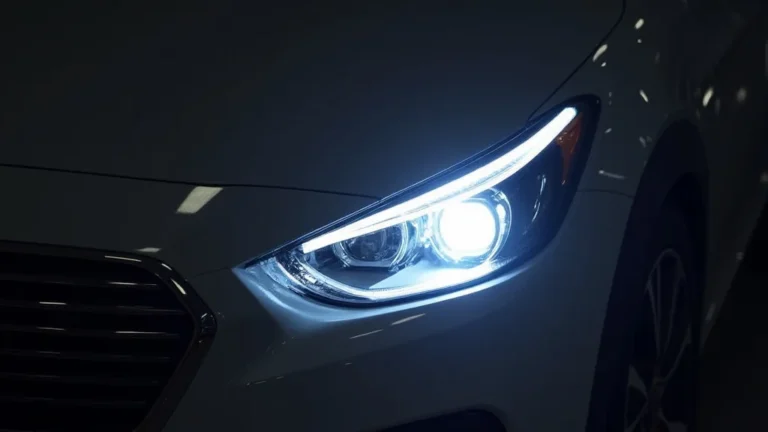
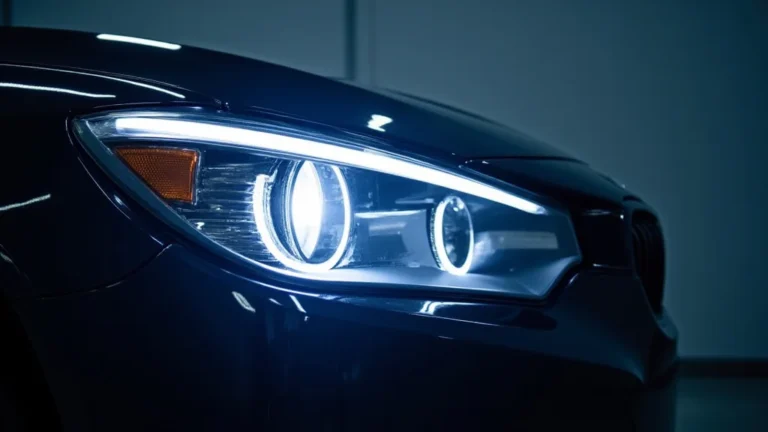
Headlights play a vital role in road safety. They illuminate the road ahead, allowing drivers to see obstacles, pedestrians, and other vehicles. This is especially important at night or in low-light conditions. But, headlights also help other drivers see you, which is critical for preventing collisions. By making your vehicle more visible, headlights contribute significantly to overall road safety. When used correctly, headlights reduce the likelihood of accidents by improving visibility and awareness for everyone on the road. Remember, being seen is just as important as seeing.
- Enhanced Visibility for the Driver: Headlights clearly light the road ahead, allowing drivers to spot hazards, read signs, and navigate safely, particularly in conditions where natural light is limited.
- Improved Visibility for Others: Headlights make a vehicle more noticeable to other drivers, pedestrians, and cyclists, reducing the risk of collisions. This is important at dawn, dusk, or in adverse weather.
- Preventing Accidents in Various Conditions: Proper headlight use can significantly reduce accident rates, especially during times of low visibility.
Headlights project a beam of light onto the road. This beam allows you to see the road ahead, pedestrians, animals, and other potential dangers. The range of the beam varies based on the type of headlight and its setting. High beams give you more distance, but they also can affect other drivers. Understanding how your headlights work is a key safety feature.
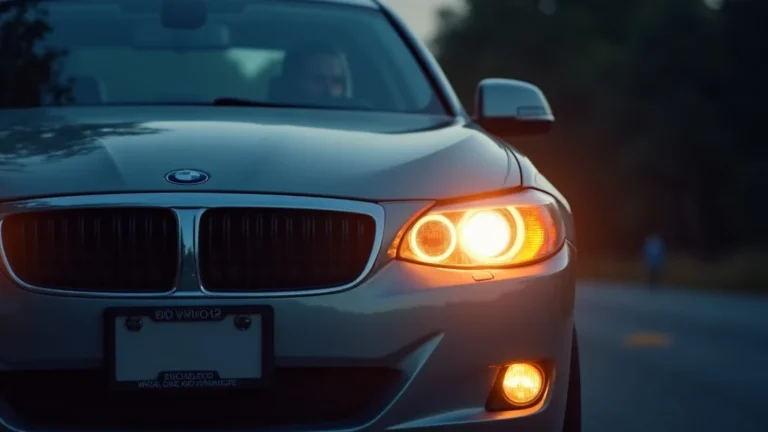
Your headlights are not just to help you see; they’re also to help other road users see you. They enhance your vehicle’s visibility. This helps others recognize your vehicle’s position, speed, and direction. This is especially useful during difficult weather or in areas with poor lighting. By making your car more visible, you help prevent accidents and enhance overall road safety for everyone.
Accidents often happen when drivers can’t see properly. Whether it’s nighttime, heavy rain, or fog, headlights can greatly reduce the chances of collisions. According to the National Highway Traffic Safety Administration (NHTSA), about 50% of all traffic fatalities happen at night. Using headlights in these situations can make a big difference, protecting you and others.
Headlights in Challenging Weather
Bad weather can create hazardous driving conditions. Rain, snow, fog, and even heavy dust can dramatically reduce visibility. During these situations, headlights are essential. They help you see and make your vehicle visible to others. In many places, it’s the law to use headlights in bad weather. Always check your local laws to be sure.
- Rain and Snow: Rain and snow can significantly reduce visibility. Headlights cut through the precipitation, making it easier to see and be seen.
- Fog: Fog is particularly dangerous because it significantly reduces visibility. Headlights are vital for helping you see and for making your vehicle visible to others.
- Dust and Other Obstructing Elements: In dusty conditions, or when there’s smoke or other airborne particles, headlights help. They enable you to see and be seen by others.
Rain and snow can scatter the light from your headlights, which means you need to use them effectively. When it’s raining or snowing, the raindrops or snowflakes reflect the light, reducing visibility. Using headlights helps to cut through the precipitation and improve the visibility of your car.
Fog is essentially a cloud at ground level, and it dramatically reduces visibility. The light from your headlights can reflect off the water droplets in the fog, creating a glare that makes it harder to see. Many vehicles have special fog lights designed to cut through the fog more effectively. These are usually mounted low on the front of the vehicle.
Dust, smoke, and other particles can also block visibility, much like fog. These elements scatter light, making it difficult to see ahead and for other drivers to spot your car. Headlights can help to pierce through these obstructions. Remember to check your local regulations for specific rules on headlight use in these conditions.
Nighttime Headlight Usage
Driving at night presents different challenges than daytime driving. Natural light is reduced, and visibility decreases. Headlights are essential for driving safely at night. They illuminate the road ahead, allowing you to see potential hazards. Using headlights properly at night is a critical skill for all drivers.
- Darkness and Twilight: Always use headlights from dusk to dawn. This maximizes visibility and increases your safety.
- High Beam Considerations: High beams give you more visibility, but use them cautiously. Only use high beams on open roads where there are no other vehicles nearby.
- Avoiding Glare: Ensure your headlights are properly aimed to prevent glare that can affect other drivers.
When the sun sets, or even before it fully sets (twilight), there isn’t enough natural light to drive safely. Headlights ensure you can see the road, other vehicles, and pedestrians. This is especially true on roads with no streetlights. Remember to turn your headlights on as the sun begins to set.
High beams are useful on dark, unlit roads. They provide a brighter and more extended beam of light, improving visibility further down the road. But, if there are other vehicles, high beams can blind other drivers, which creates dangerous situations. Be sure to switch back to low beams when approaching or following another vehicle.
Glare from headlights can temporarily blind other drivers, increasing the risk of accidents. Regular maintenance of your headlights, including proper alignment, is important. Also, keep the headlight lenses clean, as dirt and grime can scatter the light and worsen glare. If you see your headlights are aimed incorrectly, have them adjusted at a mechanic shop.
Legal Requirements for Headlight Use
The rules on headlight use are usually determined by local laws. These laws vary by state and country, so it’s key to know the regulations in your area. Laws exist to ensure road safety by specifying when headlights must be on. Ignoring these rules can lead to fines and, more importantly, put you and others at risk. It’s a good idea to stay informed about these regulations.
State and Local Laws
Each state or locality has its own set of rules for driving, including headlight usage. The specific laws on when you must turn on your headlights can vary. Some states might require headlights to be on when wipers are in use, for example. Always familiarize yourself with the rules of the road in the areas where you drive.
- Variations Across Regions: Headlight laws vary by state or country. Learn and follow the rules specific to where you are driving.
- “Wipers On, Lights On” Laws: Many places have “wipers on, lights on” laws, requiring headlights to be used anytime windshield wipers are in use.
- Enforcement and Penalties: Law enforcement officers can issue citations for not following headlight laws, so always obey the rules.
The rules on when headlights must be used can differ. Some jurisdictions might require headlights on when visibility is below a certain distance, whereas others may have different rules. Understanding these local requirements will help you drive safely.
When the rain is heavy enough to need your wipers, visibility is reduced. In these situations, your headlights can greatly enhance your visibility to other drivers. These laws help improve safety during adverse weather conditions. Always turn on your headlights when your wipers are running.
Failing to use headlights when required can result in a ticket, or a fine. Moreover, disregarding headlight laws increases the risk of collisions. Knowing and obeying the rules helps to avoid legal penalties and ensures the safety of all road users.
Headlight Regulations in Special Situations
There are specific times and conditions where you must use headlights, beyond the general rules. This could include driving through tunnels, on certain types of roads, or during specific times of day. It’s important to pay attention to these special requirements to drive safely and avoid trouble. These rules can help drivers stay safe in environments where visibility may be tricky.
- Driving in Tunnels and Underpasses: Headlights are usually needed when driving in tunnels or underpasses, where light can be limited.
- Restricted Visibility Roads: On certain roads, headlights may be required at all times, such as highways or those marked with specific signs.
- Daytime Running Lights (DRLs): Daytime running lights (DRLs) automatically turn on the headlights when the engine is running, improving vehicle visibility.
Tunnels and underpasses can be dark. Even if it’s bright outside, the inside may have poor lighting. Headlights will help you see and make your vehicle visible to other drivers.
Some roads have consistent visibility challenges. This may be due to the road design, landscaping, or weather. Headlights help to increase the visibility of your car on these roadways, decreasing the chance of accidents.
Many cars have DRLs that automatically turn on when the engine starts. These lights help other drivers see your car, particularly in daylight. However, DRLs usually don’t turn on the taillights, so drivers should still use their headlights at dusk, dawn, and in bad weather.
Maintenance and Types of Headlights
Proper headlight maintenance ensures that your headlights work effectively. This includes checking the bulbs, cleaning the lenses, and understanding the different types of headlights available. Regular maintenance not only helps you see better but also increases the lifespan of your headlights. This will keep you safe and save you money.
Maintaining Headlights
Taking care of your headlights is a simple way to stay safe. Regularly inspecting your headlights and doing basic maintenance will help them work well. Also, keeping your headlights in good condition is important for driving safely at night and in poor weather. Regular checks will ensure they function correctly and provide good visibility.
- Regular Inspections: Check your headlights regularly to spot any problems. Replace any bulbs that are burned out.
- Cleaning Headlight Lenses: Clean your headlight lenses frequently to remove dirt and grime that can reduce their brightness.
- Professional Adjustments: Make sure your headlights are properly aimed to provide maximum visibility without blinding other drivers.
Inspect your headlights regularly to make sure they are working. This includes checking the brightness, color, and alignment. If any bulbs are burned out, replace them right away. This will help you keep safe when you drive.
Dirt, dust, and grime on the headlight lenses can make the light less bright. Clean your headlight lenses with soap and water or a special headlight cleaner. It’s also a good idea to polish your headlights if they start to look cloudy.
Headlights need to be aimed correctly. If your headlights are aimed too high, they can blind other drivers. Too low, and they won’t give you enough light. You can have them adjusted by a professional mechanic to make sure they are correct.
Types of Headlights
There are different types of headlights. Each one has its own characteristics and benefits. You should be aware of the different types to choose the best ones for your car. These options provide different levels of brightness, energy efficiency, and overall performance.
- Halogen Headlights: Halogen headlights are an older type of headlight. They are relatively inexpensive and provide decent light output.
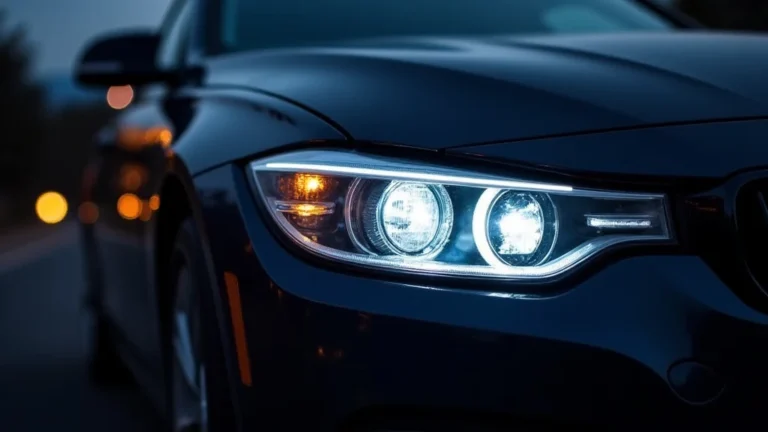
- LED Headlights: LED headlights are more energy-efficient and provide a brighter light output. They are becoming increasingly common.
- High-Intensity Discharge (HID) Headlights: HID headlights use a different technology than halogen. They provide a very bright, intense light.
Halogen headlights have been around for a long time. They’re typically found in older cars. They use a filament that glows when electricity passes through it. While they’re not as bright as some other types, they’re affordable and work well in many situations.
LED (Light Emitting Diode) headlights are more efficient than halogen bulbs. They give off a brighter, whiter light and have a longer lifespan. LED headlights are becoming very popular because they provide better visibility and often use less energy.
HID (High-Intensity Discharge) headlights, also called xenon headlights, are known for their bright, blue-tinged light. They use a gas-filled bulb that produces light when an electrical arc passes through it. They are typically brighter than halogen lights and offer improved visibility.
Headlight Safety Tips
Always practice safe driving habits when it comes to headlights. Using your headlights properly helps to keep yourself and others safe on the road. Remember these key points to ensure you are a responsible driver and contribute to safer roads. Remember, it’s about seeing and being seen.
- Check Regularly: Regularly inspect your headlights to confirm that they are in good working condition.
- Use Correctly: Always use headlights when needed. This helps you to see better and also helps others see you.
- Avoid Glare: Make sure your headlights are adjusted correctly. This prevents glare and keeps other drivers safe.
Checking your headlights should be a part of your regular car maintenance. Examine the lenses and the bulbs to make sure they are clear and shining brightly. A regular check ensures your headlights do their job properly.
Following the rules about when to use your headlights is key. Turn them on in bad weather, at dusk, dawn, and at night. Headlights are a key part of your safety.
Glare from headlights can be blinding to other drivers. Make sure your headlights are correctly aimed. If you notice any issues with glare, have your headlights adjusted by a professional.
Comparison of Headlights: Halogen, LED, and HID
Choosing the right headlights can greatly improve your driving safety and experience. Understanding the differences between halogen, LED, and HID headlights helps you to choose the best option for your car. Each type has its benefits in terms of brightness, energy efficiency, and cost.
| Feature | Halogen | LED | HID |
|---|---|---|---|
| Brightness | Standard | Brighter | Very Bright |
| Energy Efficiency | Lower | High | Moderate |
| Lifespan | Shorter | Longer | Longer than Halogen |
| Cost | Lower | Moderate | Moderate to High |
| Color | Yellowish | White/Blue-White | Bluish-White |
This table offers a clear overview, helping you see the pros and cons of each type. Remember to consider your needs and driving conditions when choosing your headlights. Your safety and visibility on the road depend on these choices.
Frequently Asked Questions
Question: When should I turn on my headlights?
Answer: Turn on your headlights from dusk to dawn, when it’s raining or snowing, when visibility is reduced, or when the law requires it.
Question: Are daytime running lights enough?
Answer: Daytime running lights (DRLs) improve visibility, but they often don’t turn on taillights. Use your headlights at dawn, dusk, or in bad weather.
Question: What do I do if my headlights are not working?
Answer: If your headlights are not working,
Question: How can I prevent headlight glare?
Answer: Make sure your headlights are correctly aimed and clean. If you see glare, get them adjusted.
Question: What are the different types of headlights?
Answer: The most common types are halogen, LED, and HID. Each offers different levels of brightness, efficiency, and cost.
Final Thoughts
Knowing when are headlights required is important for safe driving. From dusk until dawn, and during tricky weather conditions, your headlights are your best ally. Remember that headlights help you see and help others see you, significantly reducing the chance of accidents. The rules may seem complex at first, but by understanding the basics and following local regulations, you can drive with more confidence. Make it a habit to check your lights regularly, and ensure they are working correctly. With a bit of practice and attention, you’ll be ready to hit the road safely, no matter the conditions.