What Is an HID Headlight Explained Simply
Figuring out what is an HID headlight can feel tricky, especially if you’re new to car stuff. You’ve probably heard the term and seen these lights on cars, but what exactly are they? Don’t worry, it’s not as difficult as it sounds. We’ll break down the basics in easy-to-understand language. Get ready to learn all about these bright lights and what makes them special. Let’s get started!
Understanding HID Headlights
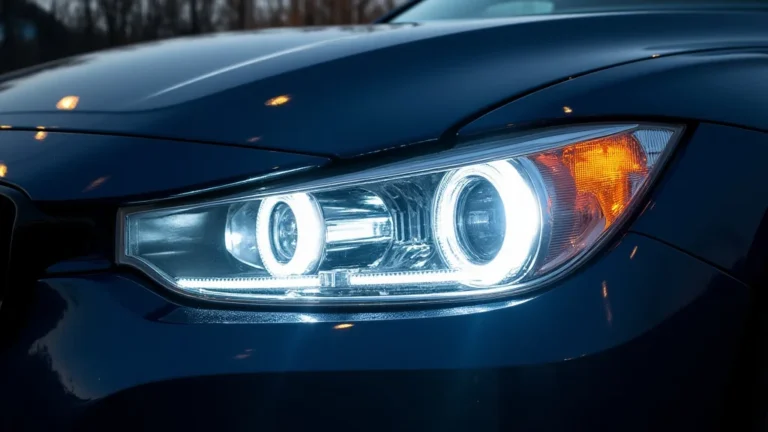
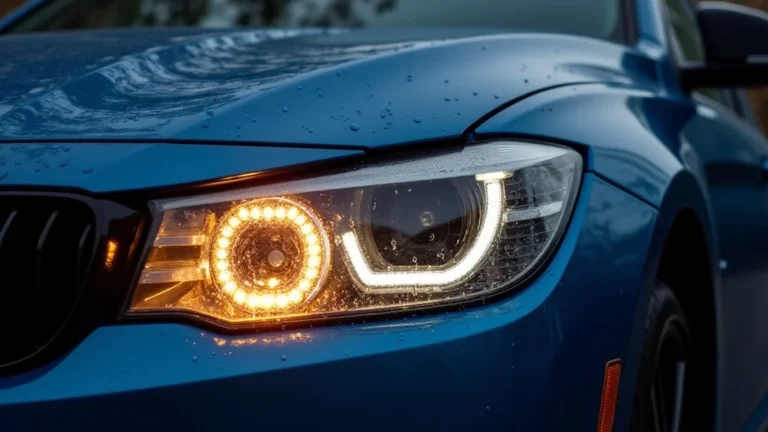
HID stands for High-Intensity Discharge. These headlights are a type of car lighting that’s different from older halogen lights. Instead of using a filament like a regular lightbulb, HID headlights use an electric arc. This arc is created between two electrodes inside a bulb filled with xenon gas. When electricity passes through the gas, it produces a bright, intense light. This type of lighting is known for its effectiveness, providing significantly better illumination on the road. It enhances the visual environment while driving, particularly during low-light conditions.
How HID Headlights Work
The core of an HID headlight system relies on the principle of electric discharge. The process begins with a ballast, which is a component that increases the voltage of the car’s electrical system to a high level. This is necessary to jump-start the arc within the bulb. Inside the bulb, you’ll find a capsule containing xenon gas and metal salts. When the high-voltage current is applied, it ionizes the xenon gas, causing the metal salts to vaporize and create a bright, powerful light. The ballast also regulates the electrical current to maintain the light output, preventing the bulb from flickering or burning out prematurely.
- Ballast Functionality: The ballast increases voltage to start and stabilizes it to run the bulb efficiently. This ensures consistent light output.
- Xenon Gas and Metal Salts: These elements inside the bulb produce light when an electrical arc is generated, creating a brighter and more efficient illumination source.
- Ignition Process: The electrical arc starts when a high voltage is applied, igniting the xenon gas and vaporizing the metal salts.
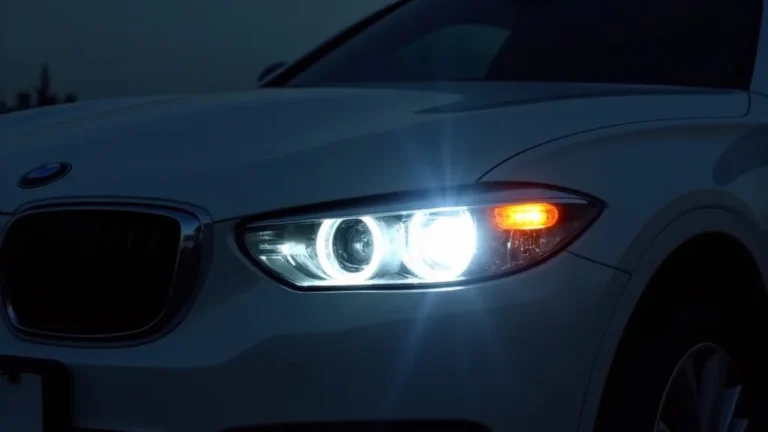
- Light Color: HID headlights usually emit a bluish-white light, which is more similar to daylight than the yellowish light of halogen bulbs.
An interesting point is that the color of the light emitted by an HID headlight can be modified by changing the gas mixture within the bulb or through the use of tinted lenses. This allows for customized light output, appealing to drivers looking to personalize their vehicle’s appearance. For instance, some drivers select bulbs that produce a more intense white light, mimicking the appearance of natural daylight for maximum visibility.
The Advantages of HID Lighting
One of the top reasons people switch to HID headlights is the noticeable increase in brightness. Compared to halogen headlights, HIDs provide a more concentrated and further-reaching beam of light. This is particularly advantageous when driving at night or in low-visibility conditions such as rain or fog. The improved visibility allows drivers to see potential hazards sooner and react more quickly. It also helps in reducing eye strain during long drives. Furthermore, the efficiency of HID lights allows them to use less energy than traditional lights while producing a brighter light output.
Brightness and Visibility
The primary benefit of HID headlights is the enhanced visibility they offer. The light produced by HIDs is significantly brighter than that of halogen bulbs. This increased brightness translates to a greater ability to see the road ahead, as well as the sides of the road. This is especially helpful in dark areas where street lighting is poor or absent. Because of the brighter light output, drivers have more reaction time to address obstacles. In addition, the light color often appears white or bluish-white, enhancing the contrast with surroundings, making objects and signs more easily noticeable.
- Enhanced Night Driving: Improved visibility makes driving at night much safer.
- Better Peripheral Vision: The wider beam helps to illuminate the sides of the road, increasing awareness.
- Quicker Reaction Times: Early visibility allows drivers to react more quickly to road conditions and potential hazards.
- Increased Road Coverage: HIDs can illuminate a larger area of the road, reducing the chance of surprises.
An advantage of HID headlights that often goes unnoticed is their ability to reduce glare compared to some other types of headlights. This is partially thanks to the way the light is directed. Better-designed HID systems often incorporate lens systems that focus the beam of light accurately, minimizing the spread of light into oncoming traffic and reducing the potential for blinding other drivers. This feature enhances safety for everyone on the road.
Energy Efficiency and Lifespan
Beyond the enhanced visibility, HID headlights also offer advantages in terms of energy use and longevity. While they require more initial power to ignite, HIDs consume less energy than halogen bulbs while delivering a much higher light output. This efficient use of energy contributes to a reduction in the load on a car’s electrical system. The extended lifespan of HID bulbs is also a significant benefit. Generally, HID bulbs can last for several years, which means less frequent replacements compared to halogen bulbs. This lowers maintenance costs over time, improving the overall value of the upgrade.
- Reduced Energy Consumption: HID lights consume less power relative to the light they produce.
- Extended Bulb Lifespan: HID bulbs often last considerably longer than their halogen counterparts.
- Lower Maintenance Costs: Fewer replacements mean reduced spending on vehicle upkeep.
- Reduced Strain on Electrical System: Efficient operation helps prevent strain on the car’s electrical components.
Many vehicle manufacturers are recognizing the benefits of HID headlights, integrating them into their new car models, signaling their importance in the automotive industry. Additionally, advancements in HID technology continue to push the boundaries of energy efficiency and light performance. One example is the development of adaptive headlight systems that automatically adjust the direction and intensity of the light beam based on driving conditions and steering inputs.
Comparing HID Headlights with Halogen and LED
To better understand HID headlights, it helps to compare them with other types of headlights, particularly halogen and LED lights. Halogen lights, the most basic and oldest, use a filament that glows when heated by electricity. LEDs, or Light Emitting Diodes, use semiconductors to produce light, becoming a popular option. Each type has its pros and cons regarding brightness, energy use, and cost. Understanding these differences can assist you in making an informed decision about what suits your needs. This knowledge is important for drivers who are considering upgrading their car’s headlights for improved visibility.
| Feature | HID Headlights | Halogen Headlights | LED Headlights |
|---|---|---|---|
| Brightness | High; significantly brighter than halogen | Moderate; less bright than HID or LED | Variable; high, can match or exceed HID |
| Energy Efficiency | Moderate; more efficient than halogen, less than LED | Low; consumes more energy compared to HID and LED | High; very energy-efficient |
| Lifespan | Long; can last for several years | Short; bulbs need frequent replacement | Long; typically the longest lifespan |
| Cost | Moderate; more costly than halogen, less than some LEDs | Low; most affordable option | Variable; can range from moderate to high |
| Light Color | White to bluish-white | Yellowish-white | Variable; can be adjusted based on the LED |
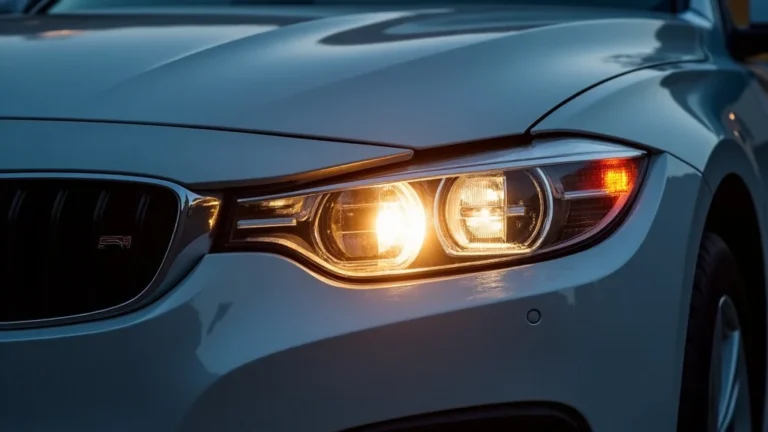
The differences in the light colors between these headlight types affect more than just the appearance of a vehicle. The color temperature—measured in Kelvin (K)—impacts how the light interacts with the surrounding environment. For instance, halogen headlights, with a color temperature around 3000K, produce a warmer, yellowish light that can be effective in foggy conditions. HID headlights, typically between 4300K and 6000K, emit a brighter, whiter light that provides excellent visibility in most conditions. LED headlights can have a wide range of color temperatures, including options close to daylight (5000K-6500K), contributing to sharper and clearer vision. These differences play a significant role in improving night driving conditions.
Halogen vs. HID
Halogen headlights are common and the standard for many vehicles. They are relatively inexpensive to
- Brightness: Halogens are less bright, leading to reduced visibility at night.
- Lifespan: Halogen bulbs need replacement more often than HIDs.
- Cost: Halogens are less expensive upfront but may cost more over time due to frequent changes.
- Color: The yellowish light of halogens may not provide the same clarity as HID lights.
Halogen headlight technology has not remained static; there are improvements. Manufacturers have developed upgraded halogen bulbs that give off more light than the standard ones, like high-performance halogen. These bulbs aim to bridge the gap in performance between the standard halogen and the advanced technology of HID or LED. Even though they may offer increased light output and better illumination, they still cannot match the superior brightness and efficiency of HID systems.
LED vs. HID
LED headlights are becoming popular. They are known for their efficiency and long lifespans. LEDs can provide a strong light output, sometimes as bright as or even brighter than HID headlights. However, the initial cost of LED headlights can be higher than HID. LED technology has matured, and it has become more accessible. Many modern vehicles now include LED headlights as a standard or optional feature. Upgrading from HID to LED can be a consideration, depending on the car model and the driver’s needs.
- Brightness: LEDs can be very bright, comparable to or exceeding HID.
- Energy Efficiency: LEDs generally consume less power than both halogen and HID.
- Lifespan: LEDs have a long life, often lasting longer than HID bulbs.
- Cost: LEDs can have a higher initial cost, which may deter some people.
When selecting between LED and HID, consider the specific needs for your driving. LEDs often offer the most advanced technology and have advantages in lifespan and efficiency. However, HIDs provide a powerful and cost-effective alternative. The best option hinges on individual preferences, budget constraints, and the driving environment. Many drivers prioritize a brighter, more efficient light source while staying within their spending limits.
Installing HID Headlights
Installing HID headlights isn’t as simple as swapping out a regular bulb. It typically involves replacing the existing headlight assembly or retrofitting an HID kit. This process can range from straightforward to more complex, depending on the car model and the type of kit used. If you’re not used to working on cars, it is often best to have a professional do the work to make sure it’s done correctly and safely. Many factors must be considered, including the fit and compatibility of the components. Proper installation ensures that the headlights function as intended, providing the maximum benefit.
What You Need
To begin, you will need the HID headlight kit. These kits usually include the HID bulbs, ballasts, and any wiring harnesses. Make sure you get a kit that fits your car’s specific make and model. You may also need basic tools like screwdrivers, wrenches, and pliers. In addition, protective gear, like gloves and safety glasses, is important to ensure your safety. Having a detailed manual or instructions is essential for guiding the installation. When choosing a kit, select one that has good reviews and comes with everything you need to improve the process.
- HID Bulbs: Match the bulb type with your car’s headlight socket.
- Ballasts: These regulate power to the HID bulbs; select those designed for your car.
- Wiring Harness: These connect the components and make sure that everything runs correctly.
- Tools: Include screwdrivers, pliers, and a wrench for handling the car’s electrical system.
- Protective Gear: Safety glasses and gloves, protecting your eyes and hands.
Beyond the core components of the HID kit and the basic tools, you should consider a few supplementary items that can enhance both the installation process and the long-term performance of your headlights. For instance, electrical tape or heat shrink tubing can secure wiring connections and provide an extra layer of insulation. Weatherproof connectors can protect the wiring from moisture, which can extend the life of your installation and ensure continued optimal performance. Also, having a test light or multimeter can help you check the electrical connections and ensure that the HID system is working correctly once installed.
Step-by-Step Installation
The installation usually starts with disconnecting the car battery for safety. Find and remove the old headlight assembly. Then, install the HID bulbs in the headlight housing, making sure they are secure. Mount the ballasts in a protected area of the engine bay, away from excessive heat or moisture. Connect the wiring harness, following the instructions in the kit. Make sure all connections are tight and secure. Once everything is in place, you can reconnect the battery and test the new headlights. Then, aim and align the headlights to avoid blinding other drivers.
- Disconnect the battery for safety.
- Remove the old headlights from the car.
- Install the HID bulbs into the headlight housing.
- Mount the ballasts in a safe location within the engine compartment.
- Connect the wiring harness, ensuring all connections are secure.
- Reconnect the battery and test the lights.
- Aim and align the headlights to prevent glare.
After installing your HID headlights, proper alignment is a must for ensuring both your safety and that of other drivers on the road. Misaligned headlights can cause significant glare, potentially blinding other drivers. You can align headlights by turning the adjustment screws on the headlight assembly. To align the lights correctly, you can park the car on a level surface facing a wall and measure the height from the ground to the center of your headlights. Then, use this height to draw a horizontal line on the wall. The light beams should sit slightly below this line to prevent shining into the eyes of oncoming drivers.
Frequently Asked Questions
Question: Are HID headlights legal?
Answer: It depends on local laws and vehicle specifications. Many aftermarket HID kits are not legal because they may not meet the standards for proper beam patterns. Always check your local regulations.
Question: How long do HID headlights last?
Answer: HID bulbs can last for several years, typically between 2,000 to 5,000 hours of use, making them durable than halogen bulbs.
Question: Do I need to upgrade my car’s electrical system for HID?
Answer: No, typically not. HID kits are designed to work with a standard car electrical system, although some modifications may be needed during installation.
Question: What’s the difference between HID and Bi-Xenon headlights?
Answer: Bi-Xenon headlights use a single HID bulb for both high and low beams, while standard HID headlights have separate bulbs.
Question: How do I maintain my HID headlights?
Answer: Keep the lenses clean and replace bulbs if they get dim or fail. Check the ballasts and wiring periodically to make sure everything is in good working order.
Final Thoughts
Hopefully, this article has provided a clear picture of what is an HID headlight. We’ve explored how they work, the benefits they offer over other types of headlights, and what to keep in mind when installing them. HID headlights bring a significant improvement in visibility, especially when driving at night or in bad weather conditions. While they might require more investment than standard halogen bulbs, the enhanced safety and longevity they provide often make them a wise choice. If you’re considering an upgrade, carefully compare your options to ensure they meet your driving needs and local regulations. With the right information, you can make the decision that’s perfect for you. Stay safe on the road!