What Is a Projector Headlight and How Does It Work?
If you’ve ever been curious about car headlights, you might have heard of what is a projector headlight. It’s a common question, especially for those just getting into cars or working on them. These headlights are different from the older types, and figuring out how they work can seem tricky. But don’t worry! This post will break it down into easy steps, so you’ll easily understand what makes these headlights special. Next, we’ll look at the parts that make up a projector headlight and explore their differences.
What Are Projector Headlights?
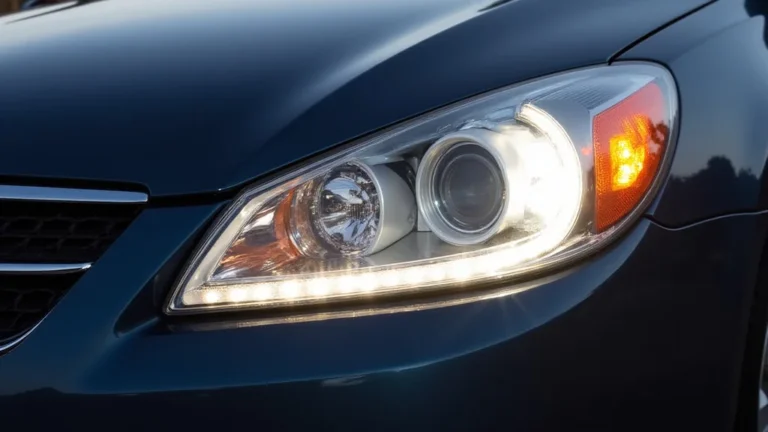
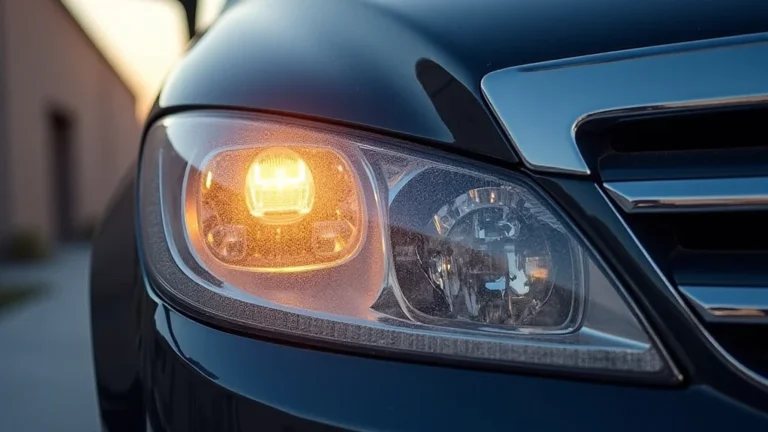
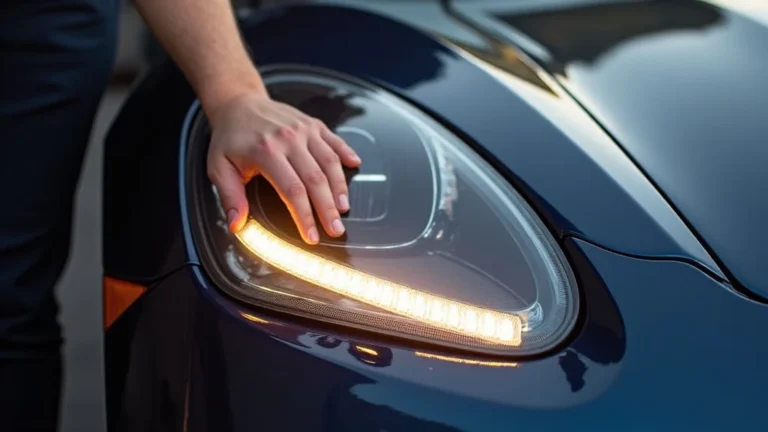
Projector headlights are a more advanced type of headlight compared to the traditional reflector-based systems. Instead of simply reflecting light outward, projector headlights use a lens to focus and direct the light. This creates a more controlled and focused beam, improving visibility for the driver and reducing glare for other drivers on the road. The system uses a single light source, often a bulb, and the lens then projects the light, similar to how a projector works in a movie theater.
Key Features of Projector Headlights
- Focused Light Beam: Projector headlights produce a sharp, focused beam of light. This is a significant improvement over the scattered light from older reflector headlights. The focused beam ensures that the light goes where it’s needed most, improving visibility. This helps drivers to see further down the road, making nighttime driving safer and less tiring.
- Improved Visibility: They offer better visibility, especially at night or in bad weather. The concentrated light beam travels further and illuminates the road ahead more effectively. This allows drivers to spot obstacles, pedestrians, and road signs earlier, providing more time to react. The beam pattern is more uniform, with fewer dark spots, enhancing overall clarity.
- Reduced Glare: One of the major benefits of projector headlights is their ability to reduce glare. The design helps to control where the light goes, preventing it from shining directly into the eyes of other drivers. This is done through a precise cut-off shield that blocks the upper part of the light beam. This design makes driving safer for everyone.
The clear, focused beam of light reduces the chance of distracting glare for oncoming traffic. The cut-off line (the sharp line between light and dark) prevents light from shining directly into the eyes of other drivers.
The improved visibility is not just about seeing further; it’s about seeing more clearly. The consistent light coverage minimizes shadows, enabling drivers to better distinguish details on the road. This is particularly useful in challenging conditions like rain or fog, where visibility can be greatly reduced.
The reduced glare is not only about courtesy to other drivers; it’s about safety. By minimizing glare, projector headlights allow drivers to maintain better vision, even when approaching other vehicles. This helps to prevent accidents caused by reduced visibility.
How Do Projector Headlights Work?
Projector headlights work in a specific way to give better light. The system includes a bulb, a reflector, a cutoff shield, and a lens. The bulb, which is the light source, shines light onto the reflector. The reflector helps to gather and redirect this light towards the lens. The cut-off shield blocks the upper part of the light, preventing glare. The lens then focuses and projects the light onto the road.
The Main Parts of a Projector Headlight
- The Light Source (Bulb): The light source is the starting point. This is usually a bulb, like a halogen, xenon (HID), or LED. The type of bulb can affect the brightness and color of the light. Halogen bulbs are the most common and affordable, providing a warm, yellowish light. Xenon (HID) bulbs are brighter and offer a more bluish-white light. LED bulbs are known for their efficiency and modern appearance.
- The Reflector: The reflector is a key part. It’s usually a polished, curved surface behind the bulb. Its job is to collect the light from the bulb and direct it toward the lens. The shape of the reflector helps determine the beam pattern. The reflector’s design is critical for achieving the desired light distribution, maximizing the light’s effectiveness.
- The Cutoff Shield: This shield is important for preventing glare. It sits in front of the bulb and reflector, and it blocks the upper part of the light. The shape of the shield determines the cut-off line, the sharp line that separates the light and dark areas of the beam. This is a critical feature for safe driving and prevents the blinding of other drivers.
- The Lens: The lens is the part that projects the light onto the road. It focuses and directs the light from the reflector. The lens design can affect the beam pattern and the overall appearance of the headlight. The lens is usually made of glass or plastic, and it helps to protect the other components from the weather.
The bulb choice influences the performance of the headlights. Each type of bulb has its pros and cons in terms of brightness, lifespan, and energy efficiency. The selection of the bulb is important in determining the overall quality and effectiveness of the headlight system. A well-chosen bulb can significantly improve nighttime driving safety.
The reflector’s design impacts the light distribution. A well-designed reflector will gather and focus the light efficiently, ensuring a bright and even beam. The quality of the reflector also affects the lifespan of the headlight system. High-quality reflectors are durable and resistant to heat and wear.
The cut-off shield design is crucial for safety. The sharpness of the cut-off line prevents light from spilling upward, minimizing glare. The precise placement and shape of the shield is a key factor in how well the headlight performs and how safe it is for everyone on the road.
The lens design influences the light’s quality and direction. The lens can be smooth, textured, or have special coatings to improve light transmission. The lens’s materials affect its durability and resistance to wear and tear. A good lens ensures that the light is clear, bright, and focused, enhancing visibility and safety.
Advantages of Using Projector Headlights
Projector headlights bring a lot of advantages over other types of headlights. The main advantage is that they help you see better. They also reduce the chance of blinding other drivers. Another great benefit is the flexibility of design, allowing carmakers to create unique and stylish headlight shapes.
Benefits for Drivers and Other Road Users
- Better Visibility at Night: These headlights help you see further and more clearly. They give you a brighter and more focused beam, which means you can spot things on the road earlier. This improved visibility gives you more time to react to any hazards, helping to prevent accidents.
- Reduced Glare for Oncoming Traffic: Projector headlights limit the glare that can bother drivers coming in the other direction. This prevents other drivers from being blinded by your headlights, making it safer for everyone. This design shows consideration for other road users and helps maintain a safer driving environment.
- Improved Beam Control: Projector headlights offer better beam control. You can direct the light more precisely, which means it shines where you need it most. This controlled beam pattern prevents light from scattering and wasting light. The precise light distribution improves visibility without causing issues for others.
The improved visibility is a key safety feature. Projector headlights let drivers see more of the road, including pedestrians, animals, and other cars. This enhanced sight reduces the risks of nighttime driving, especially in areas with poor lighting or bad weather.
Reducing glare is about creating a safer environment for all drivers. By minimizing glare, projector headlights help other drivers to see more clearly, reducing the risk of accidents caused by poor visibility. This benefits everyone, making roads safer for everyone.
The control over the beam ensures light is delivered where it is needed. This precise beam reduces the risks of light pollution and reduces distractions for other drivers. The careful use of the light makes driving safer and more effective.
Types of Projector Headlights and Bulbs
There are different types of projector headlights, each with its own special features. You can find them with different bulbs like halogen, xenon (HID), and LED. The bulb you choose can change how bright and what color the light is. The most common types are the single-lens and bi-xenon, each offering unique performance characteristics.
Exploring Bulb Options and Projector Types
- Halogen Projector Headlights: These are the most common and often the most affordable. Halogen bulbs use a tungsten filament that glows when heated by electricity. The light produced has a warm, yellowish color. They work well, but they aren’t as bright or efficient as other options, and can have a shorter lifespan.
- Xenon (HID) Projector Headlights: Xenon (HID) headlights use a gas-discharge system to produce light. They use xenon gas and metal halides, ignited by a high-voltage spark. HID lights are much brighter than halogen lights and give off a bluish-white light. They offer improved visibility, especially at night, but they may need more power.
- LED Projector Headlights: LED (Light Emitting Diode) headlights are becoming more popular. They are highly efficient, long-lasting, and offer a bright, white light. LEDs turn on instantly and provide excellent visibility. LED headlights use less energy and can be designed in many different shapes and styles, so you can often see more modern and unique designs.
Halogen bulbs offer good performance for the price. They are simple to install and replace. While they may not be as bright as LED or HID lights, they are still a reasonable option, offering adequate visibility for most driving conditions. They are a practical choice for drivers who want a simple, cost-effective solution.
HID lights provide a significant improvement in brightness. They are effective in low-light conditions and offer a distinctive appearance. HID headlights require specific ballasts to operate and may need a short warm-up time to reach full brightness, so it is important to check the light’s condition regularly to confirm whether replacement is necessary.
LED headlights offer several advantages, including energy efficiency, durability, and a clean, modern look. The instant-on feature is particularly useful for quick illumination in various driving conditions. LED headlights may cost more initially, but their long lifespan and energy efficiency can provide savings over time.
Real-World Examples of Projector Headlights
You can see how projector headlights work in the real world. Many modern cars have projector headlights, and their benefits are very clear. They are used in all kinds of vehicles, from everyday cars to luxury models, which shows their broad appeal and effectiveness.
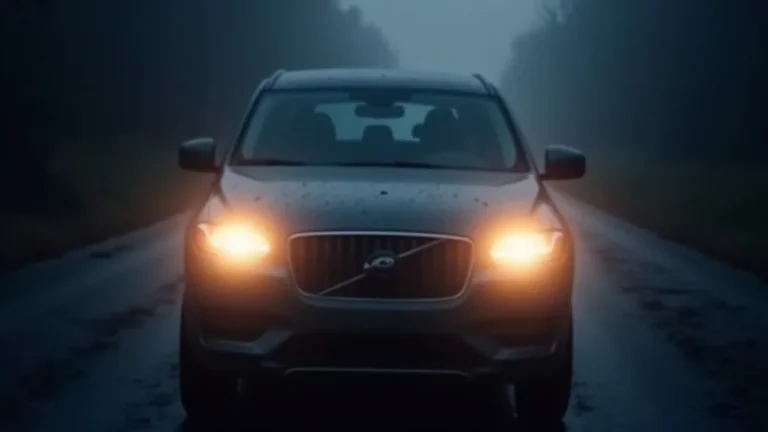
- Example 1: Driving in Foggy Conditions. Imagine driving on a foggy night. With older headlights, the light scatters and reflects off the fog, reducing visibility. However, with projector headlights, the focused beam cuts through the fog, allowing you to see the road ahead. This concentrated beam helps drivers to better perceive obstacles.
- Example 2: Night Driving on a Dark Road. Consider driving on a dark, rural road. With standard headlights, you might find it difficult to see far ahead, and the lighting may not reach far enough. Projector headlights offer more intense and focused illumination, extending the range of your vision.
This illustrates how projector headlights can improve safety in tough conditions. The focused beam improves visibility, allowing drivers to spot hazards sooner. This can make the difference between a safe trip and an accident. The enhanced visibility helps drivers to maintain a safe driving speed.
This highlights how projector headlights extend your field of vision at night. The brighter light helps drivers to identify potential dangers, like wildlife or road hazards, sooner. This increases the driver’s response time and significantly reduces the risks associated with night driving. The improved illumination reduces eye strain.
Comparison Table: Projector Headlights vs. Reflector Headlights
Here’s a comparison to show the differences between projector and reflector headlights:
| Feature | Projector Headlights | Reflector Headlights |
|---|---|---|
| Light Focus | Focused beam with a sharp cutoff | Scattered light |
| Glare Control | Better, due to the cutoff shield | Can be more noticeable |
| Visibility | Generally better, especially at night and in bad weather | Often less effective |
| Appearance | Often more modern and stylish | More traditional, sometimes less visually appealing |
| Efficiency | Variable, depends on bulb type (LED is highly efficient) | Generally lower |
According to a report by the Insurance Institute for Highway Safety (IIHS), vehicles with good headlight systems, including projector headlights, were involved in 19% fewer nighttime crashes than vehicles with poor headlights.
Recent studies suggest that drivers with projector headlights can see about 100 feet further down the road compared to those with traditional reflector headlights.
Frequently Asked Questions
Question: Are projector headlights better than reflector headlights?
Answer: Yes, in most ways, projector headlights are better because they offer improved visibility, reduced glare, and better light control.
Question: Can I
Answer: Yes, you can often do this, but it might involve some modifications to ensure they fit correctly and work properly.
Question: What’s the main difference between LED and Xenon projector headlights?
Answer: LED headlights are more efficient and have a longer lifespan, while Xenon (HID) headlights are very bright but might require more power.
Question: Do projector headlights require special bulbs?
Answer: Yes, projector headlights are often designed for specific types of bulbs, such as halogen, xenon (HID), or LED.
Question: How do I know if my car has projector headlights?
Answer: Look for a lens on the headlight housing. If you see a clear, rounded lens instead of a flat surface, your car probably has projector headlights.
Final Thoughts
You now have a better idea of what is a projector headlight. These headlights are a big step up from older designs, using lenses to create a focused beam of light. This focused approach provides better visibility, reduces the blinding effect for other drivers, and is often found in various models, offering a modern look. They work by using a bulb, reflector, cut-off shield, and lens. Different types of bulbs, such as halogen, xenon, and LED, can be used. Projector headlights provide better visibility. They are better than traditional headlights due to their controlled light and improved safety. Consider exploring the options for your car. These options provide clearer, more effective illumination.