What Are Projector Headlights And Why Should You Care?
If you’re new to car stuff, you might be scratching your head about what are projector headlights. It’s a common question! Cars have so many different parts, and it can be tricky to keep track. Don’t worry, though, because it’s simpler than you think. We’ll break it all down step-by-step, making sure you completely understand how these cool headlights work and what makes them special. Ready to find out all the facts? Let’s get started!
What Are Projector Headlights? A Simple Explanation
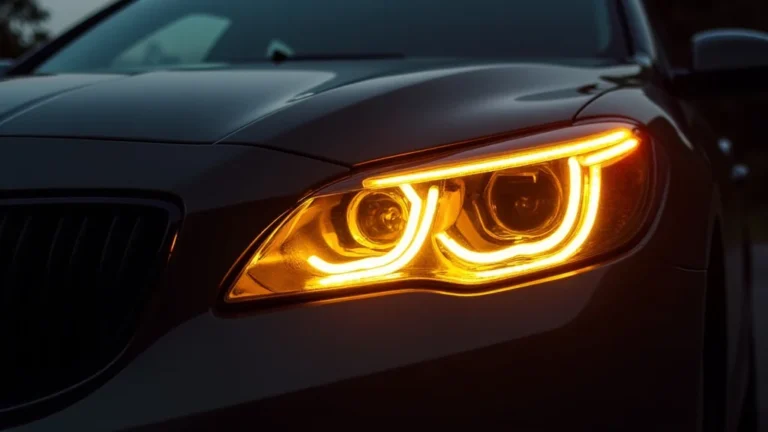
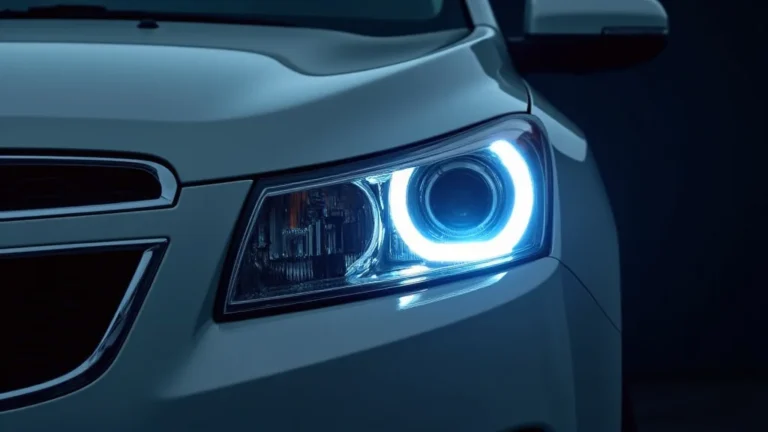
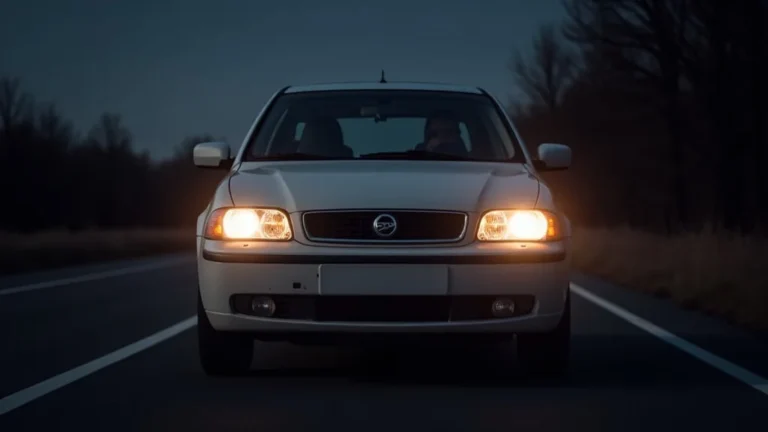
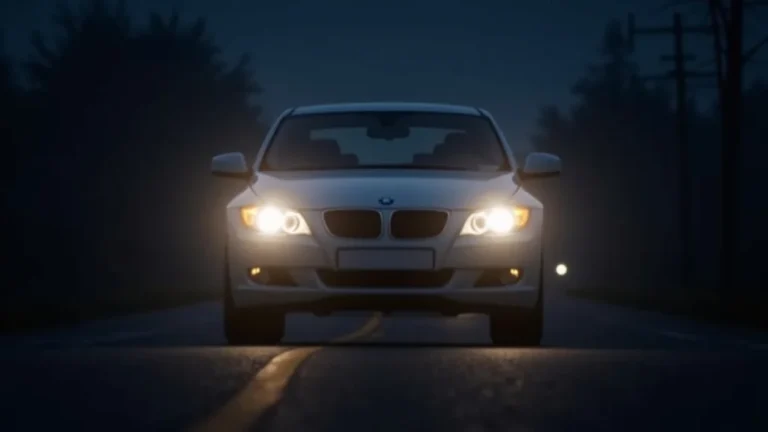
Projector headlights are a type of headlight assembly that uses a lens to focus and direct the light from a single bulb. Unlike older headlight designs that use reflectors to spread light, projector headlights use a lens to create a more focused beam. This focused beam can be directed more precisely, providing better illumination of the road ahead while also minimizing glare for oncoming drivers. They’re often seen as an upgrade because of their improved light output and stylish appearance. Modern vehicles regularly include them because of their effectiveness.
The Basic Parts of a Projector Headlight
Projector headlights might seem complicated, but their design is fairly straightforward. Several key parts work together to give you the bright and focused beam you want. You have the light source, typically a bulb. Then, there’s a reflector, which helps bounce the light towards the lens. The lens itself is crucial, as it focuses the light into a beam. Finally, there’s a cutoff shield. This stops light from going above a certain point, preventing glare for other drivers. Each part plays a specific role, contributing to the overall functionality and performance of the headlight.
- The Bulb: This is the source of the light, and it can be different types, like halogen, HID (High-Intensity Discharge), or LED (Light Emitting Diode). The type of bulb affects the brightness and color of the light.
- The Reflector: The reflector is behind the bulb. It’s usually a shiny surface that bounces the light forward towards the lens.
- The Lens: The lens is the main part that makes projector headlights unique. It’s a clear piece of glass or plastic that focuses the light into a concentrated beam. The shape of the lens controls how the light is distributed on the road.
- The Cutoff Shield: This is a small metal shield that sits inside the headlight assembly, usually above the bulb. It blocks the light from going above a certain point, creating a sharp cutoff line and reducing glare.
The beauty of the projector design is in its efficiency. Instead of scattering light everywhere, it directs it where it’s needed most: on the road. The result is often a brighter, clearer view for the driver and a safer driving experience for everyone.
Projector Headlights vs. Reflector Headlights
The difference between projector and reflector headlights is all about how the light is managed. Reflector headlights use a reflector to spread the light. Think of them like a flashlight with a wide beam. Projector headlights, on the other hand, concentrate the light using a lens, creating a focused beam similar to a spotlight. This focused beam gives projector headlights a significant advantage in terms of visibility and reducing glare. Many older vehicles have reflector headlights. It’s important to understand the design differences to determine which is best for you.
| Feature | Projector Headlights | Reflector Headlights |
|---|---|---|
| Light Focus | Focused beam | Wider, more scattered beam |
| Glare | Less glare for other drivers | More potential for glare |
| Light Output | Generally brighter | Can be less bright |
| Design | Complex, with a lens | Simpler, with a reflector |
| Appearance | Modern, often stylish | Older, simpler look |
Because projector headlights concentrate the light so well, they can use less energy to produce a brighter light than reflector headlights. This efficiency can translate into longer bulb life and improved fuel efficiency, depending on the car’s electrical system and the type of bulbs used.
How Projector Headlights Improve Driving Safety
Projector headlights significantly enhance driving safety. By providing a brighter and more focused light beam, they improve visibility at night or in bad weather. This improved visibility gives drivers more time to react to obstacles and potential hazards on the road. The concentrated beam pattern also reduces glare, which is a major factor in reducing accidents. The way the light is directed increases safety for all drivers.
Better Visibility in Adverse Conditions
When it’s raining, snowing, or foggy, visibility can drop dramatically. Projector headlights perform really well in these types of conditions. Because the light is focused, it can cut through fog and precipitation more effectively. This allows drivers to see farther and react more quickly to sudden changes in the road. Standard headlights lose a lot of their power when met with these conditions. The strong focus of projector headlights helps drivers see and react to what’s ahead, no matter what nature throws their way.
- Fog: The sharp cutoff of projector headlights helps to cut under the fog, providing better visibility.
- Rain: Projector headlights help to reduce the amount of light that is reflected back at the driver, increasing the effective range.
- Snow: The focused beam pattern can help to illuminate the road ahead without causing excessive reflection.
Many drivers are unaware of the impact poor visibility has on their safety. According to the National Highway Traffic Safety Administration (NHTSA), about 50% of traffic fatalities happen at night. Projector headlights are one tool to help bring down these numbers.
Reduced Glare for Other Drivers
One of the top benefits of projector headlights is their ability to reduce glare for other drivers. This is done by the cutoff shield inside the headlight assembly. It ensures that the light doesn’t shine directly into the eyes of oncoming drivers. By limiting glare, projector headlights make driving safer for everyone, reducing the risk of accidents caused by visual impairment. When you have less glare, it lets other drivers see the road better too, which helps everybody get where they’re going safely.
The reduction in glare doesn’t just help oncoming drivers; it also benefits the driver with projector headlights. Glare can create a sort of visual ‘whiteout,’ decreasing the driver’s ability to see objects or hazards. By reducing glare, projector headlights enable the driver to maintain their vision.
Improved Beam Pattern for Road Coverage
Projector headlights are designed to create a specific beam pattern that optimizes road coverage. This beam pattern usually includes a sharp cutoff line and a wide horizontal spread. The cutoff line prevents the light from shining into the eyes of other drivers, while the wide spread provides good illumination of the road edges. This design helps to maximize visibility. The focus also makes the light brighter, allowing you to see objects earlier.
- Clearer Road Edges: The wide beam pattern illuminates the sides of the road.
- Greater Distance: The concentrated light allows for better visibility at a greater distance.
- Reduced Eye Strain: More effective road coverage reduces the need for the driver to strain their eyes.
Overall, a well-designed beam pattern boosts driver reaction time. By allowing you to see potential dangers sooner, the projector’s beam improves safety.
Types of Bulbs Used in Projector Headlights
Projector headlights can use several different types of bulbs, and each type has its own set of advantages and disadvantages. The kind of bulb you have affects everything from the brightness to the color of the light. Choosing the right bulb is important for optimal performance and safety on the road. The most common types include halogen, HID (High-Intensity Discharge), and LED (Light Emitting Diode) bulbs.
Halogen Bulbs
Halogen bulbs are one of the most common and oldest types of light sources used in headlights. They are relatively inexpensive and easy to replace. These bulbs produce a warm, yellowish light. However, halogen bulbs are not as bright or energy-efficient as other types of bulbs. While halogen bulbs offer good value and are widely available, they often don’t provide the same visibility as HID or LED options. Halogen bulbs represent a solid option for their simplicity, but they often come up short on output.
- Cost: Generally the most inexpensive bulb type.
- Brightness: Less bright than HID or LED.
- Color: Produces a warm, yellowish light.
- Lifespan: Shorter lifespan than HID or LED.
Although halogen bulbs are less expensive, they are also less energy-efficient. They convert a significant portion of the electrical energy into heat instead of light, meaning a portion of the energy is lost. This is why many people are looking to HID or LED bulbs, which do a better job of making light.
HID (High-Intensity Discharge) Bulbs
HID, or High-Intensity Discharge, bulbs are also sometimes called xenon headlights. They offer a much brighter and more intense light than halogen bulbs. These bulbs operate by passing an electrical current through xenon gas, creating a bright, bluish-white light. The result is typically a light output that is much brighter than halogens. HID bulbs often provide better visibility at night. The major drawback can be their cost, as well as the need for a ballast (a device to regulate the electrical current). The bulbs also take a bit longer to reach their full brightness after being turned on.
- Brightness: Significantly brighter than halogen bulbs.
- Color: Produces a bluish-white light.
- Lifespan: Longer lifespan than halogen bulbs.
- Cost: More expensive than halogen.
HID bulbs give off a distinctive color and often give vehicles a more modern appearance. Because of their brightness, they are a popular choice. The use of xenon gas results in a more efficient light, making them a solid step up over halogen bulbs.
LED (Light Emitting Diode) Bulbs
LED, or Light Emitting Diode, bulbs are quickly becoming the most popular choice for projector headlights. They are known for their high efficiency, brightness, and long lifespan. LED bulbs produce a very bright, white light and consume less energy than both halogen and HID bulbs. They also turn on instantly, reaching full brightness without any delay. The main drawback to LEDs is their initial cost. Their high cost is sometimes an issue, but the benefits, like improved efficiency and a long life, often make LEDs the best option. They’re also often more reliable in the long run.
- Brightness: Very bright, often exceeding both halogen and HID.
- Color: Produces a bright, white light, sometimes with a slight blue tint.
- Lifespan: Longest lifespan of all three types.
- Cost: Usually the most expensive option.
LED technology continues to advance, and the prices of LED bulbs have come down in recent years. This has made them more accessible to a wider range of vehicle owners. LED bulbs are the best balance of performance, energy efficiency, and longevity, making them a wise choice for most drivers.
Upgrading to Projector Headlights
Upgrading to projector headlights can really improve your vehicle’s look and performance. It is a big improvement over old-style reflector headlights. There are many kits available for the project. Making the switch can seem like a project, but it is manageable. There are several ways to make this change, from buying complete headlight assemblies to retrofitting your existing ones.
Buying Complete Headlight Assemblies
The easiest method for upgrading to projector headlights is to purchase complete headlight assemblies. These assemblies are a direct
- Ease of Installation: Generally a plug-and-play process.
- Cost: Can be more expensive than retrofitting.
- Availability: Many options available for popular vehicles.
- Appearance: Offers a clean, factory-like appearance.
When buying complete headlight assemblies, be sure to find ones that are made to fit your specific vehicle model and year. Check to be sure the lights meet local regulations to ensure you’re driving legally. Ensure that you have the tools needed to remove and install the lights before starting the project.
Retrofitting Existing Headlights
Retrofitting involves modifying your existing headlight housings to install projector lenses. This is a more involved process. It allows for a customized look and the option to choose from a wider range of projector lenses and bulbs. The process typically requires taking apart your existing headlights, which can be done with a heat gun. You’ll then have to make modifications to the housing to fit the projector lenses. You can fit any style of projector lens you prefer. Retrofitting requires more skill and time, but allows for a more personalized outcome.
- Customization: Offers the most customization options.
- Cost: Can be more cost-effective than buying complete assemblies.
- Complexity: Requires some mechanical skill and time.
- Risk: Potential for damaging headlights if not done carefully.
The retrofitting process can vary. Be prepared to learn and have the proper tools, and make sure that you know what you are doing before you begin. Following instructions and doing online research are key to the retrofitting process.
Important Considerations
Before you commit to upgrading your headlights, consider a few factors. Research local laws to make sure your lights comply. You also need to consider your skill level and how much time you can spend on the project. Make a realistic plan, and do not overestimate your abilities. Take your time, and research to ensure your change is done right. By being prepared, you can upgrade your lights with success.
- Legal Compliance: Check local regulations regarding headlight modifications.
- Skill Level: Assess your ability to handle the installation.
- Tools and Materials: Ensure you have all the necessary tools and supplies.
- Budget: Determine how much you are willing to spend.
Consider the project carefully. It can be easy to get overwhelmed. Do not be afraid to ask for help or consult a professional if you’re unsure. Taking the time to plan your project properly will make the process easier and lead to a more successful outcome.
Frequently Asked Questions
Question: Are projector headlights better than reflector headlights?
Answer: Yes, projector headlights are generally considered better than reflector headlights because they offer a more focused beam, which leads to better visibility and less glare for oncoming drivers.
Question: Can I install projector headlights myself?
Answer: Yes, you can install projector headlights yourself, especially if you buy complete headlight assemblies. Retrofitting your existing headlights requires more skill and time.
Question: What is the lifespan of projector headlight bulbs?
Answer: The lifespan of projector headlight bulbs varies depending on the type of bulb. LEDs typically have the longest lifespan, followed by HID bulbs, while halogen bulbs have the shortest lifespan.
Question: Do projector headlights require special bulbs?
Answer: Projector headlights can use different types of bulbs. Make sure that you select the correct bulb type for your headlight. The housing and the lens must be set to handle your choice.
Question: How do projector headlights reduce glare?
Answer: Projector headlights have a cutoff shield that blocks the light from shining above a certain point, preventing the light from directly shining into the eyes of other drivers and reducing glare.
Final Thoughts
So, we’ve explored what are projector headlights and why they are an upgrade over older versions. We explored how they work, the kinds of bulbs they use, and how they make driving safer. We have taken a close look at how these headlights use a lens to focus the light, making it brighter and more effective on the road. The focused beam reduces glare for oncoming drivers, which creates safer conditions for everyone. We looked at the difference in output between halogen, HID, and LED bulbs, and we have discussed the pros and cons of each choice. We also covered the steps required for a DIY upgrade.
Now, you have the know-how to make an informed choice when it comes to your vehicle’s headlights. Whether you’re considering buying new assemblies or tackling a retrofit project, you’re ready to take the next step. Always remember to check your local regulations to make sure your modifications are legal. With the right information and a little bit of effort, you can make your vehicle safer and look better. You are now equipped with the knowledge of how to improve your vehicle’s lighting and have a better driving experience!