What Are Low Beam Headlights? A Simple Explanation
If you’re new to driving, figuring out what are low beam headlights might feel a bit tricky. It’s a common question! Don’t worry; it’s easy once you know how it works. We’re going to break it down simply, step-by-step, so you’ll feel confident. Next up, we’ll explore everything you need to know about these essential car lights.
Demystifying Low Beam Headlights
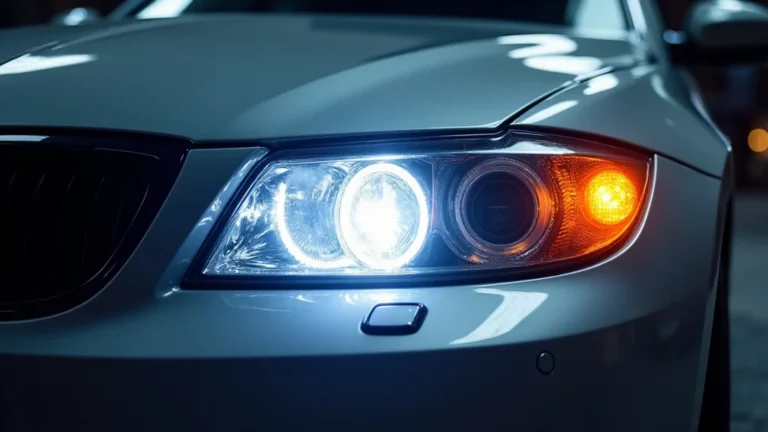
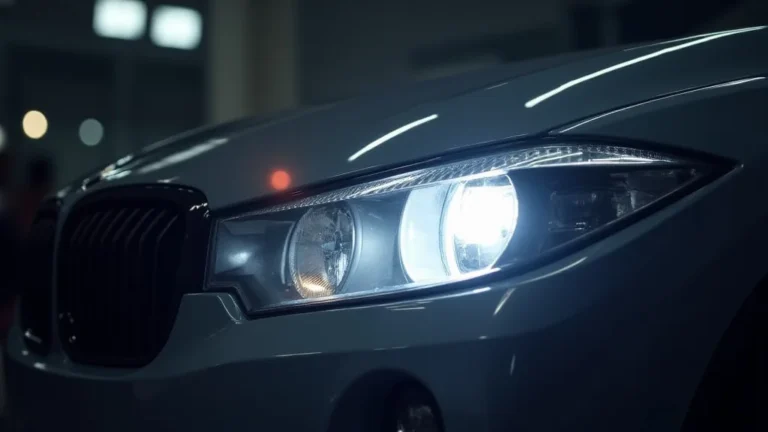
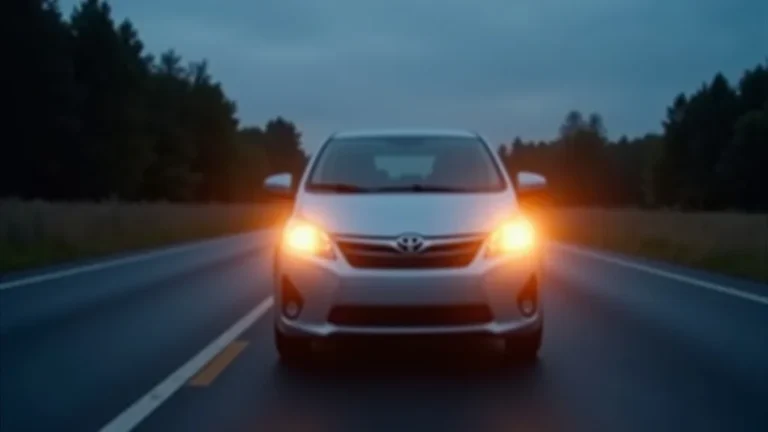
Low beam headlights are a standard feature on all vehicles. They are the primary headlights used for driving at night, or in conditions with reduced visibility. These lights offer a balanced approach, illuminating the road ahead while minimizing glare for other drivers. The design of these lights ensures that the light beam shines downwards and outwards, focusing on the road surface and the immediate area in front of the car. Low beam headlights also help drivers see pedestrians, cyclists, and other potential hazards on the road. Knowing how and when to use your low beams is key for safe driving.
The Purpose of Low Beam Headlights
The primary goal of low beam headlights is to increase visibility during low-light conditions. These conditions include nighttime driving, dusk or dawn, and when visibility is reduced due to weather factors like rain, snow, or fog. The angle of the beam is designed to shine downwards, which is a design that significantly cuts down on the amount of light that goes directly into the eyes of oncoming drivers. This is the main reason why they are a better choice for driving in most situations than high beams, which are much more likely to create glare.
- Illumination: Low beams are engineered to light up the road in front of your car. This makes it easier to see lanes, road signs, and any obstacles.
- Safety: By using low beams, you help make your car more visible to other drivers. This is a crucial element in avoiding accidents.
- Minimizing Glare: The angle of the light beam is directed downwards, reducing the potential for blinding other drivers.
- Meeting Legal Requirements: Laws around the globe require drivers to use low beams at certain times. Ignoring this could lead to tickets.
How Low Beam Headlights Work
Low beam headlights work by using reflectors and lenses to focus and direct light from the bulb onto the road. Most modern cars use a combination of these elements to create a precise beam pattern. This pattern is carefully designed to offer optimal visibility for the driver while also minimizing the risk of dazzling other road users. This focus ensures that the light reaches the necessary areas and helps you see the road clearly, without creating excessive glare. The design also takes into account where other drivers are, as well as the height of the car. This is why the lights are set at a specific angle and height.
- Reflectors: These are usually shaped to direct light in a certain pattern. They work with the light bulb to project light onto the road.
- Lenses: These are typically made of glass or plastic and also shape and focus the light. The lenses are engineered to spread light, which improves the driver’s ability to see objects and make quick decisions.
- Light Bulbs: Common light bulbs include halogen, LED (Light Emitting Diode), and HID (High-Intensity Discharge) bulbs. Each type offers different levels of brightness, energy efficiency, and lifespan.
- Beam Pattern: This is the shape of the light the headlights produce. The pattern is designed to light up the road ahead without blinding other drivers.
Understanding When to Use Low Beam Headlights
Knowing when to use your low beam headlights is a cornerstone of safe driving. The right time to switch on your low beams isn’t always obvious. Using them correctly means you can see better and reduce the risk of accidents. It’s also important for respecting other drivers. By following this guide, you can ensure that you’re doing your part to keep everyone safe on the road. It’s also worth noting that improper usage can lead to safety violations and fines.
When Low Beam Headlights Are Required
There are several situations in which it’s not only a good idea to use your low beam headlights, but they are also a legal requirement. State and local laws usually cover the proper use of car headlights. These laws are in place to ensure maximum visibility for all road users. Ignoring these requirements can result in tickets and fines, so you’ll want to take note. If conditions fall under these criteria, ensure your low beams are on before getting behind the wheel.
- Nighttime Driving: During the nighttime hours, your low beams are essential for driving. This helps you to see the road clearly, and it makes your car visible to others.
- Inclement Weather: When it’s raining, snowing, or foggy, your low beams are crucial. They cut through the weather to help you and other drivers see.
- Reduced Visibility: If conditions restrict your view, such as a dust storm or heavy smoke, turning on your low beams is a must.
- In Tunnels: Many tunnels require you to use your headlights for safety, making sure your car is easy to see.
Situations Where Low Beams Are Beneficial
Beyond legal requirements, there are other cases when using your low beams is a smart choice. These tips can help you drive even more safely. Turning them on isn’t always legally required, but it is often the smart option. These proactive steps can make a difference in helping you get to your destination safely.
- Dusk and Dawn: At these times of day, the light can be tricky, so turning on your low beams is a good idea. This improves visibility for yourself and others.
- During Shadowed Areas: When driving in areas with a lot of shadows, such as under trees or on winding roads, low beams help you see better.
- When Approaching Other Vehicles: When you’re approaching other cars, it’s a good practice to use your low beams to avoid blinding the oncoming drivers.
- On Unlit Roads: On streets without streetlights, low beams help you illuminate the road ahead, providing a safer driving experience.
Comparing Low Beam Headlights
Choosing the correct lights for your car means considering different options. The technology has improved greatly over the years, giving you choices between halogen, LED, and HID headlights. Each of these different types has specific benefits and drawbacks. We’ll explore these types in detail so you can make an informed decision when it comes time to choose a set.
Headlight Technology: Halogen, LED, and HID
Different types of headlights use different technologies to produce light. Halogen headlights are an older type of technology. LED and HID headlights are more modern and offer certain benefits over the older halogen style. Knowing the features of each can help you decide which is best for you. Making the right choice involves balancing cost, brightness, and longevity. The best choice depends on your budget, driving conditions, and personal preferences.
- Halogen Headlights: These lights are the most common and also tend to be the most affordable option. They use a heated filament inside a glass bulb filled with halogen gas.
- LED Headlights: These lights use light-emitting diodes, and they have become very popular. LED lights tend to be more energy-efficient and last much longer than halogen bulbs.
- HID Headlights: Also known as Xenon headlights, these use an arc of electricity to produce bright light. HID headlights are known for their high brightness, but they can be more expensive than halogen bulbs.
Headlight Brightness Comparison
One of the most important things to consider is how bright the headlight is. The brightness of a headlight impacts the driver’s ability to see and the ability of other drivers to see the vehicle. The number of lumens or candelas often measures the amount of light produced. Headlights can vary greatly in output, and the choice you make can depend on the type of driving you mostly do. Brightness is often balanced with glare, as very bright headlights can distract or hinder other drivers.
| Headlight Type | Brightness (Lumens) | Notes |
|---|---|---|
| Halogen | 700–1,200 | Least bright, but often the most affordable. |
| LED | 1,500–4,000 | Brighter than halogen, often more energy-efficient. |
| HID (Xenon) | 2,000–5,000 | Very bright, can be more expensive, and may cause glare. |
Resolving Common Headlight Issues
Like any car component, headlights can develop issues over time. These problems might impact your visibility, so you’ll want to resolve them as quickly as possible. Knowing the frequent problems, like dim lights or bulbs that don’t function, can help you address issues effectively. Taking care of headlight problems promptly will help maintain safety.
Troubleshooting Dim or Malfunctioning Headlights
When you have problems with your headlights, it’s usually possible to fix them with a little troubleshooting. This usually involves inspecting the lights, wiring, and fuses. If you know how to identify the problem, you may be able to fix it yourself, saving you both time and money. If you are not comfortable with car maintenance, it’s best to have a mechanic resolve the issue.
- Dim Headlights: Dim headlights can be caused by many issues, including a weak battery or faulty wiring. Check your battery voltage first.
- Burnt-out Bulbs: A burnt-out bulb is one of the most common issues. Simply swap out the old bulb with a new one.
- Faulty Wiring: Check for damaged wires or loose connections. This may also require expert help.
- Blown Fuses: A blown fuse can prevent your headlights from working. Locate the correct fuse in your car’s fuse box and replace it if necessary.
Headlight Maintenance and Care
Taking care of your headlights can prolong their life and also help them to work better. Regular maintenance can include things like cleaning the lenses and checking the alignment. Properly maintained lights will also improve your driving safety, and this also helps maintain your car’s value. Following these steps can help keep your headlights in great shape for many years.
- Cleaning Lenses: Regularly clean your headlight lenses to get rid of dirt, grime, and other debris that can reduce the light output.
- Replacing Bulbs: Be sure to replace bulbs when they burn out to maintain your visibility. This should be done as soon as you recognize there’s an issue.
- Checking Alignment: Have your headlights aligned periodically to ensure they are aimed correctly. Proper alignment is key for maximum visibility.
- Inspecting Wiring: Check your wiring regularly to ensure it is in good condition. Be sure to address any issues promptly.
Frequently Asked Questions
Question: Why are low beam headlights important?
Answer: Low beam headlights are key for safe driving at night or in low-visibility conditions. They light the road ahead without blinding other drivers.
Question: When should I use low beam headlights?
Answer: Use low beam headlights at night, during rain, snow, or fog, and when visibility is limited due to weather or other reasons.
Question: What’s the difference between low beam and high beam headlights?
Answer: Low beams shine downwards to illuminate the road without causing glare, while high beams shine further, suitable for unlit roads.
Question: How do low beam headlights work?
Answer: Low beams use reflectors and lenses to focus the light from the bulb onto the road, creating a defined beam pattern.
Question: What are the main types of headlight bulbs?
Answer: The main types are halogen, LED, and HID (Xenon). Halogen is standard, LED is energy-efficient, and HID is very bright.
Final Thoughts
Understanding what are low beam headlights is essential for driving safely. They are the go-to choice for most driving scenarios, offering the best balance of visibility and courtesy to other drivers. By using these lights correctly, drivers can reduce glare and make their cars easier for others to see. Whether you’re a new driver or just need a refresher, knowing when and how to use them is key. Always remember to check your headlights, keep them clean, and choose the right kind for your car. These simple steps can make a big difference in the safety of your trips and the comfort of other drivers.