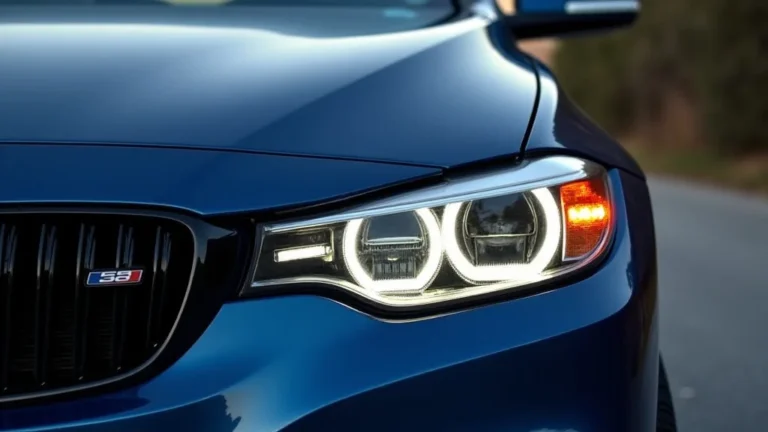
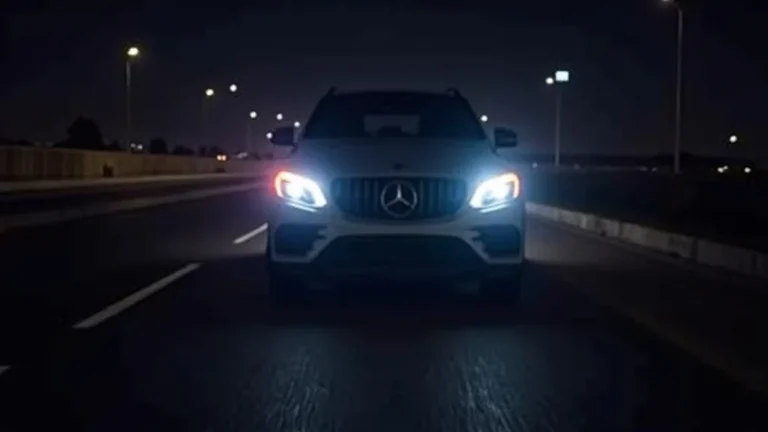
What Are LED Headlights Explained Simply for Everyone
So, you’re curious about what are LED headlights, huh? It’s a common question, especially for those new to cars or wanting to upgrade their lighting. It might seem tricky at first, with all the technical jargon, but don’t worry! We’ll break it down into easy-to-understand pieces. We’ll explore the basics and get you up to speed without the overwhelm. Ready to get started? Let’s illuminate the topic together, one step at a time.
Brightening Roads: A Quick Look at LED Headlights
LED headlights have become super popular for cars, trucks, and even motorcycles. They’re a big upgrade from older lights like halogen bulbs. Instead of using a filament that heats up, LEDs use a tiny chip that lights up when electricity flows through it. This makes them much more efficient and gives off a brighter, cleaner light. We’ll explore exactly what makes LEDs tick, how they help your car, and how they compare to older lighting options. We’ll also cover some common terms, so you can sound like an expert when talking about car lights.
The Basics of Light-Emitting Diodes
LED stands for “light-emitting diode,” a semiconductor device. When electricity runs through an LED, it produces light. Unlike traditional incandescent bulbs that waste energy by producing heat, LEDs generate light more efficiently. This means they convert more of the energy into visible light, making them brighter and more energy-saving. LEDs are also known for their durability and longevity. They can last for tens of thousands of hours compared to the shorter lifespan of halogen bulbs, which are prone to burnout. The technology offers design flexibility since they are small, allowing for unique headlight shapes and styles.
- How LEDs Work: LEDs are made from semiconductor materials, like silicon. When electric current flows through these materials, they emit photons, which we see as light. This process is called electroluminescence.
- LED Components: LEDs consist of a small chip, a reflector to focus the light, and a lens to direct the beam. The driver circuit regulates the current, ensuring the LED operates correctly.
- Efficiency and Heat: LEDs produce less heat than other bulbs, and they’re more efficient at turning electricity into light. This means your car’s battery lasts longer.
Electroluminescence is the process where a material emits light in response to an electric current. Inside an LED, a semiconductor material emits photons (light particles) when electricity passes through it. The type of semiconductor material determines the color of the light. This is a very efficient way to create light, and it’s why LEDs use much less energy than older light bulbs, while still being bright.
The core of an LED is a tiny chip made of semiconductor material. It’s the part that actually produces the light when electricity flows through it. The reflector is a carefully shaped surface (like a cup) that gathers the light from the LED and focuses it forward. This helps to create a bright, focused beam. The lens is the clear or colored cover on the front that shapes the light, controlling how wide or narrow the beam is. A driver circuit is like the brain of the LED system, managing the electricity to make sure the LED works safely and efficiently.
The efficiency of LEDs is remarkable. They convert a much higher percentage of the electricity they consume into light, and less energy is wasted as heat. This results in significant advantages, including reduced energy consumption and prolonged battery life. The reduced heat generation is also an advantage, since it means LEDs are less likely to overheat and fail. LEDs can withstand varying temperatures, contributing to their reliability in diverse weather conditions.
LED Headlights Compared: Advantages and Disadvantages
LED headlights shine a lot brighter than old-style halogen bulbs, but that is not all they have to offer. They also provide significant energy savings, and usually last longer. However, like any technology, they also have some possible downsides. Weighing the benefits and disadvantages helps you figure out if LED lights are the right choice for you.
- Brighter Light Output: LEDs offer significantly brighter light than halogen bulbs, improving visibility at night. This is a huge safety advantage.
- Energy Efficiency: They use less power than halogen lights, meaning less strain on your car’s electrical system and potentially better fuel economy.
- Longevity: LEDs last much longer than halogen bulbs, so you won’t need to replace them as often.
- Cost: LED headlights can be more expensive to buy than halogen bulbs.
- Potential for Glare: If not designed correctly, LEDs can produce glare, which can be an issue for other drivers.
LED headlights are generally much brighter than halogen lights. The brighter light makes it easier to see the road, lane markings, and any obstacles or pedestrians, especially at night or in low-light conditions. This increased visibility helps drivers react quicker to potential hazards and make safer decisions, which directly reduces the chance of accidents. The crisp, focused light of LEDs also illuminates the edges of the road more effectively.
LED headlights require considerably less power to operate compared to traditional halogen bulbs. This efficiency has a ripple effect throughout a vehicle’s electrical system. The reduced power consumption puts less stress on the car’s battery and alternator, and the vehicle consumes less fuel to generate power. This efficiency translates into cost savings over the lifetime of the lights and contributes to a more sustainable driving experience.
LED headlights are known for their extended lifespans, typically lasting for tens of thousands of hours of use. This longevity offers practical benefits to the vehicle owners. The need for less frequent
Compared to their halogen counterparts, LED headlights often come with a higher initial price tag. This higher cost is generally due to the more advanced technology, superior materials, and sophisticated manufacturing processes involved in producing LEDs. The price difference might seem significant initially, but when the longer lifespan and energy efficiency benefits are factored in, LED headlights often prove to be more cost-effective over the long term, offering good value to the vehicle owner.
If not designed correctly, LED headlights can generate glare. Glare happens when the light is scattered and directed in ways that can hinder the vision of other drivers, which reduces safety for everyone on the road. The design of the headlights, including the reflector and lens, is important in managing glare. High-quality LED headlight systems are designed to minimize glare and direct light precisely where it is needed, which is important for the safety of all drivers and pedestrians.
Real-Life Examples and Case Studies
To see how LED headlights work in the real world, let’s explore a few examples. These cases showcase the benefits of upgrading your car’s lighting.
- Case Study 1: A driver switched from halogen to LED headlights and reported a 50% increase in nighttime visibility, helping them spot hazards sooner.
- Case Study 2: A delivery company upgraded its fleet with LED headlights. They saw a 10% decrease in accidents at night and a cut in maintenance costs due to fewer bulb replacements.
- Case Study 3: A car enthusiast
A car enthusiast, eager to enhance both the performance and look of their car,
A driver swapped out their old halogen headlights for LED lights. Over the next few weeks, they started to note significant changes in their driving experience, especially at night. They found that hazards like pedestrians, animals, and road debris, were easier to spot. This improvement helped the driver react quicker, reducing the chance of accidents. The driver’s confidence in their ability to see the road increased, making driving at night less tiring and stressful.
A delivery company switched all their vehicles to LED headlights. They focused on safety and maintenance costs across their fleet. The LED lights’ brighter, clearer light output led to fewer accidents during nighttime deliveries. This reduced repair costs and downtime from collisions. Because LEDs last longer, the company also reduced its maintenance expenses, cutting the costs of regular bulb replacements. The change improved driver safety and lowered operational costs, representing a significant improvement for the company.
Choosing the Right LED Headlights for Your Vehicle
When selecting LED headlights, knowing the different types and what to consider is key. Matching the right type of LED to your car is not as difficult as it seems. We’ll explore important factors such as light temperature, brightness, and beam patterns. We’ll also cover different bulb sizes. This way, you can easily find the perfect LED headlights for your vehicle.
Types of LED Headlights
LED headlights aren’t one-size-fits-all. Different types are designed for various purposes. Knowing the options will help you choose the best headlights for your car.
- LED Bulb Replacements: These are designed to directly replace your existing halogen or HID bulbs. They’re easy to install and a good starting point.
- LED Headlight Assemblies: These are complete headlight units, including the housing, LEDs, and lenses. They offer a more significant upgrade in both performance and style.
- Projector LED Headlights: These headlights use a projector lens to focus and direct the light, producing a more focused and controlled beam.
- LED Light Bars: LED light bars are auxiliary lights designed to mount on the roof, front bumper, or other areas of your vehicle. They can provide very bright, focused light for off-road driving or additional visibility.
These LED bulbs are specifically engineered to fit into your existing headlight housing. They are often a simple upgrade, designed to
These assemblies are complete headlight units, including the housing, the LED light source, and the lens. These provide a comprehensive lighting solution that can offer substantial improvements in light output and visual appeal. The complete unit design offers great flexibility in headlight style and design. This can include features such as integrated daytime running lights (DRLs) and custom lighting patterns. Replacing the whole assembly can change your car’s look and improve visibility.
These headlights use a projector lens to concentrate and shape the light output, resulting in a more focused and controlled beam. The projector lens improves the light’s spread on the road, while reducing glare. This design increases visibility for the driver and helps prevent distracting oncoming drivers. Projector LED headlights provide better light control, making them a smart option for drivers who want to enhance both their safety and the look of their vehicles.
LED light bars are auxiliary lights, often mounted on the front bumper or roof. They can offer a powerful, focused light, especially for off-road driving or increased visibility in demanding conditions. LED light bars provide long-distance illumination, making them ideal for nighttime off-road adventures. Because they can provide a very high level of light, it is important to comply with local regulations and only use these lights when and where they are permitted.
Key Factors to Consider
Choosing the right LED headlights requires you to consider several elements. These details impact how well your headlights perform and how they fit your needs.
- Brightness (Lumens): The brightness of LED headlights is measured in lumens. Higher lumens mean brighter light output.
- Color Temperature (Kelvin): The color temperature is measured in Kelvin and influences the color of the light. Options vary from warm white to cool blue.
- Beam Pattern: The beam pattern is the way the light is distributed. It’s important for good visibility and reducing glare.
- Compatibility: Always check if the LED headlights are compatible with your car’s make and model.
Lumens are a key factor in assessing the brightness of LED headlights. They tell you the amount of light the headlights emit. A higher lumen rating means the lights are brighter. When selecting LED headlights, consider your usual driving conditions. If you often drive on dark roads or in areas with poor lighting, you might need headlights with a higher lumen output. Always ensure the brightness is suitable for your driving needs and does not cause glare or other safety issues.
The color temperature, measured in Kelvin, affects the color of the light your LED headlights produce. Lower Kelvin numbers (around 2700K to 3000K) produce a warmer, yellowish light, which is similar to older halogen bulbs. Middle-range temperatures (4000K to 5000K) provide a bright white light that gives clear visibility. Higher numbers (6000K and up) can give a bluish tint, but may reduce the effectiveness in certain weather conditions. Choose the color temperature that matches your personal preference and driving conditions.
Beam pattern refers to how the light from your headlights is distributed on the road. A well-designed beam pattern ensures that the light reaches the road surface effectively and doesn’t blind other drivers. Some LED headlights are engineered to focus the light in a specific pattern, like a low beam that shines down on the road or a high beam that offers extended range. The beam pattern should meet local regulations and optimize visibility without causing glare to other vehicles.
It’s important to make sure the LED headlights you select are designed for your specific vehicle. Compatibility involves both the physical fit (the bulb size and housing type) and the car’s electrical system. Before you buy LED headlights, verify the fitment information provided by the manufacturer. You might need to check your car’s manual or use an online tool that matches bulbs to your vehicle. Matching the right type ensures that the headlights install without modification.
Installation and Maintenance
Installing LED headlights is generally straightforward. Let’s cover the installation steps and maintenance to help you with the change. This information is key to getting the most out of your new headlights.
- Installation Steps: The process usually involves removing the old bulbs and installing the new LED bulbs. Follow the manufacturer’s instructions carefully.
- Tools Needed: You may only need basic tools, such as a screwdriver or wrench. Some upgrades might need more specialized tools.
- Maintenance Tips: LEDs require little to no maintenance, but keep the lenses clean for optimal performance.
- Troubleshooting: If your new LED headlights aren’t working, check the connections and consult the manufacturer’s guide.
To install LED headlights, follow a series of steps that typically include removing the old bulbs and inserting the new LED replacements. First, make sure the car is off and the headlights are turned off. Next, locate the headlight access panel and remove it. Detach the old bulb by removing any connectors. Insert the new LED bulb, connect the wires, and put the access panel back. If you are replacing the entire headlight assembly, the process may be more involved. The manufacturer’s instructions will guide the install process, and it’s important to work carefully to ensure everything works correctly and safely.
The tools required for installing LED headlights often depend on the type of installation. A screwdriver or wrench may be all that is needed to swap out the bulbs. Removing the headlight housings often needs more tools. When working with electrical components, it’s a good idea to have some basic tools such as insulated pliers, wire strippers, and electrical tape. If you are not familiar with vehicle electrical systems, it is usually a good idea to seek help from a professional.
LED headlights require very little maintenance, which makes them a convenient option. The main thing you should do is keep the lenses clean. Dirt, grime, and other debris can reduce the light output of your headlights. Clean your headlights regularly with a mild soap and water solution to ensure that the light shines as brightly as possible. Additionally, check the connections periodically to make sure the lights are working properly.
If your new LED headlights do not work after installation, troubleshooting is needed. Start by double-checking all the electrical connections. Make sure that all wires are securely connected and that there are no loose connections or damaged wiring. Consult the manufacturer’s guide for the specific installation instructions, which can give useful insight into troubleshooting. Ensure that the lights are compatible with your vehicle’s electrical system. If these steps do not work, it might be necessary to consult a professional mechanic or the manufacturer.
Frequently Asked Questions
Question: Are LED headlights better than halogen?
Answer: Yes, in most cases. LED headlights offer several advantages over halogen bulbs, including higher brightness, greater energy efficiency, and a longer lifespan. They provide improved visibility and reduce energy consumption.
Question: How long do LED headlights last?
Answer: LED headlights can last for tens of thousands of hours, sometimes even the entire lifespan of the vehicle. This is much longer than halogen bulbs, which typically last for a few hundred to a thousand hours.
Question: Can I install LED headlights myself?
Answer: Yes, installing LED headlights is usually straightforward. Most
Question: Do LED headlights require any special wiring?
Answer: Most LED headlight
Question: What’s the difference between lumens and Kelvin?
Answer: Lumens measure the brightness of the light. Kelvin measures the color temperature of the light. A higher lumen value indicates a brighter light output. A higher Kelvin value indicates a cooler, bluer light color, while a lower Kelvin value indicates a warmer, yellowish light.
Final Thoughts
So, we’ve explored the topic of what are LED headlights, from their core function and the technology behind them to the benefits they provide. You now understand how they improve driving visibility, save energy, and enhance your vehicle’s appearance. You also understand how to choose the right LED lights and how to maintain them. LED headlights offer a big upgrade over traditional lighting, making roads safer and driving more pleasant. If you’re looking to upgrade your car’s headlights, LEDs are a great choice. Start by checking the bulb type for your vehicle, then look at the brightness and color temperature options. With these insights, you can feel confident in making a choice that works for you.