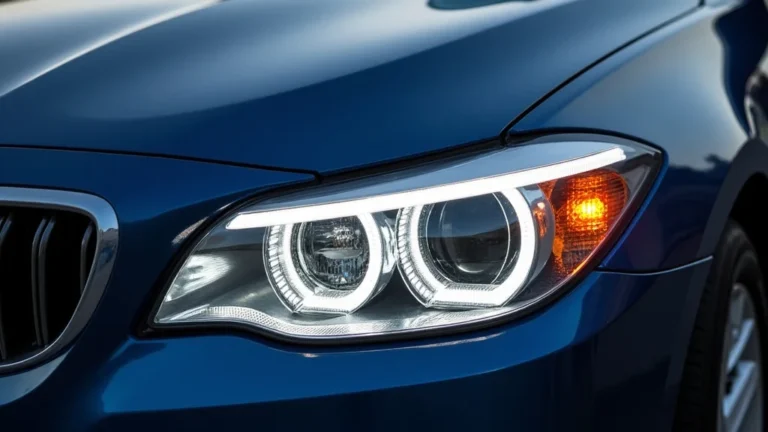
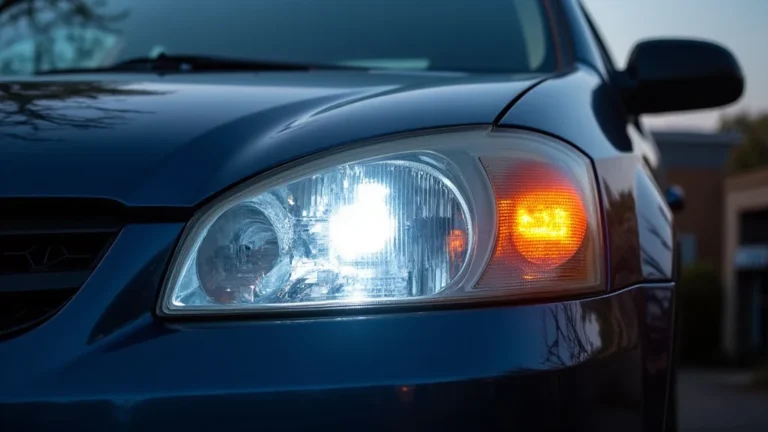
What Are High Beam Headlights And How Do They Work?
Figuring out what are high beam headlights can be tricky, especially if you’re new to driving. It’s something many drivers find confusing at first. Don’t worry, it’s simpler than you might think! This post is all about making it super easy to grasp the basics and learn when and how to use your high beams. We’ll break down everything in a step-by-step way, so you’ll be feeling confident behind the wheel in no time. Let’s get started!
Understanding Your Car’s Headlights
Headlights are a vital part of your car, responsible for making sure you can see the road and that others can see you, especially when it’s dark or the weather is bad. Your car usually has two main types of headlights: low beams and high beams. Low beams are for everyday driving and high beams are for when you need more visibility. Knowing the difference between them and when to use each is important for safe driving. Being familiar with your car’s headlight controls is the first step in using them correctly.
Low Beam Headlights: Your Everyday Lights
Low beam headlights are the standard setting for driving at night or in conditions with poor visibility like rain, snow, or fog. They shine a broad beam of light, illuminating the road ahead without blinding other drivers. They are designed to project light downwards and slightly to the side, which helps avoid glare. They’re what you’ll use most of the time when driving after dark. Think of them as your primary lights.
- Function: Designed for general driving purposes.
- Visibility: Provide a good view of the road ahead without causing glare.
- Usage: Commonly used in urban areas, and during night and inclement weather conditions.
- Safety: Helps drivers to see and be seen by others.
The design of low beam headlights is crucial for safety. They’re angled to direct light down towards the road, reducing the chance of blinding oncoming drivers. This is achieved through reflectors and lenses within the headlight housing. The brightness and pattern of the light are regulated to make sure you have enough visibility to see, but not so much that you’re a hazard to other drivers on the road. Remember, low beams are the default setting; they’re the lights you’ll use most of the time.
High Beam Headlights: Shining Further Ahead
High beam headlights, sometimes called brights, are much stronger and shine further. They’re made to light up the road a long way ahead of you, which helps when you’re driving on dark roads with no streetlights. However, you have to be very careful to use them responsibly so you don’t blind other drivers. They’re meant for specific situations, not for regular use in traffic or when other cars are around. Knowing when and where to use high beams is essential for safe driving.
- Function: Designed to provide maximum visibility at night.
- Visibility: Reach significantly further, illuminating objects further down the road.
- Usage: Best used on dark, unlit roads where there is no oncoming traffic.
- Safety: Helps drivers to spot hazards well in advance but can be blinding.
High beams are perfect when driving on very dark roads where you might not see a deer or an obstacle until it’s too late. They greatly enhance your visibility over long distances. But they come with a responsibility: to be considerate of others on the road. That’s why high beam use is limited to situations where there is no traffic to avoid temporarily blinding other drivers. You’ll switch them off when another car is approaching or when you’re behind another vehicle.
How Do High Beam Headlights Work?
High beam headlights operate using a different system compared to low beams. The design of the light, the reflectors, and the positioning of the bulb all play a role in their effectiveness. The key to understanding how they work is to look at the differences between the two types of headlights. Understanding the mechanics helps you use them safely and effectively.
The Mechanics of High Beams
When you switch to high beams, the reflector inside the headlight changes the way light is projected. The reflector is designed to direct the light upwards and further ahead, rather than downwards like low beams. This setup makes the light shine farther down the road, increasing your view. Modern cars often use a single bulb that can switch between low and high beam settings. The reflector or lens adjusts to alter the direction of the light.
- Reflector Design: High beams utilize a different reflector design to project light forward.
- Bulb Position: In some systems, the bulb position adjusts to focus the light differently.
- Lens Design: The lenses are designed to throw the light farther ahead.
The positioning and shape of the reflector are designed to maximize the distance the light travels. This design includes special lenses that help to focus and project the beam. Different types of headlight bulbs (like halogen, LED, and xenon) can be used, and the reflector is designed to work with that specific type. The combination of these parts ensures that your high beams effectively light up the road ahead.
Understanding the Control Mechanism
You control your high beams with a switch or lever, usually located on the steering column. Most cars have a lever that you can pull towards you to activate the high beams. Many cars also have a light on the dashboard that lights up when the high beams are on, letting you know they are active. Familiarity with the control is key to switching between high and low beams without trouble while driving.
- Lever Control: Most vehicles use a lever on the steering column to toggle between low and high beams.
- Dashboard Indicator: A blue light on the dashboard shows when the high beams are on.
- Automatic Systems: Some cars have automatic high beam systems that adjust the lights.
The control is usually a simple flick of a switch or a pull of a lever, making it easy to change between low and high beams. Be sure you know where the control is in your car and practice using it before you need it. Some modern cars have an automatic feature that turns on the high beams when conditions allow. Understanding the control system in your car helps you react quickly and safely in changing driving situations.
When Should You Use High Beam Headlights?
Knowing when to turn on your high beams is as vital as knowing how to use them. The key is to balance seeing well with not blinding other drivers. They are designed for conditions where you need the extra visibility and where you won’t be interfering with other road users. Always consider the potential impact on other drivers before switching to high beams.
Ideal Driving Conditions
High beams are most useful in certain conditions where you need the extra range of visibility. These are usually on roads with no streetlights or minimal traffic. The extra light helps you see farther ahead, which gives you more time to react to potential hazards such as animals crossing the road or unexpected obstacles. Making use of high beams in these scenarios improves safety.
- Dark, Unlit Roads: High beams are perfect for roads with no streetlights.
- Rural Areas: Use them on country roads when there is no oncoming traffic.
- Poor Visibility: Help in conditions where you need more range, like fog.
If you’re driving on a country road at night and there are no other cars around, that’s a good time to use your high beams. The extra visibility will give you a better view of the road and any potential hazards. In areas where fog reduces your vision, high beams can sometimes help, but you need to be careful. The reflection of the light off the fog can actually make it harder to see, so use them with caution.
Situations to Avoid High Beams
There are also times when you should not use high beams. The main thing is to avoid blinding other drivers. Using high beams when there is oncoming traffic is dangerous and illegal in many places. You need to be extra aware of other vehicles on the road, including cars, trucks, and motorcycles. It’s about being responsible and keeping everyone safe.
- Oncoming Traffic: Never use high beams when another vehicle is approaching.
- Following Other Vehicles: Switch to low beams when you are following another car.
- Well-Lit Areas: Avoid using high beams in cities or areas with streetlights.
If you see a car coming towards you, immediately switch to your low beams. Similarly, if you’re behind another car, dim your high beams to low beams. Even if the other vehicle is some distance away, it’s considerate and avoids any possible glare that could affect the driver. In a city where there are streetlights or other light sources, high beams aren’t generally needed. Remember that you are responsible for your actions and can be held liable.
Tips For Safe High Beam Use
Making sure that you use high beams safely is very important for safe driving. Being prepared and knowing how to handle different driving scenarios will keep you, your passengers, and others on the road safe. Remember, using your high beams responsibly is a matter of safety and respecting other drivers.
Reacting to Oncoming Traffic
The most important rule is to switch your high beams off whenever you see another car coming toward you. The moment you see headlights, quickly dim your lights to low beams. This will prevent you from momentarily blinding the other driver, which could lead to an accident. When the other car has passed, you can switch your high beams back on if the road is still dark.
- Immediate Response: Switch to low beams as soon as you see the headlights of an oncoming vehicle.
- Judge Distance: Dim your lights even if the oncoming vehicle is at a distance.
- Be Considerate: Remember that driving is a group activity, and all drivers have a role to play.
If another driver flashes their headlights at you, this is a signal that you’re using your high beams and should switch to low beams. It’s common courtesy to recognize this signal and react accordingly. Being prepared to quickly change between high and low beams is an essential skill. This quick reaction time shows you are aware and attentive while driving. Remember to constantly scan the road.
Adjusting for Different Driving Scenarios
Adjusting your lights depending on the driving environment is vital. Always consider the road’s layout and surrounding light conditions. Driving in different areas requires that you adjust your high beam usage. Being mindful of these details will enhance safety for you and other road users.
- Urban Areas: Use low beams in cities and well-lit areas.
- Rural Roads: Use high beams where there are no other vehicles.
- Curvy Roads: Adapt to corners; be ready to switch to low beams around bends.
On curvy roads, you should be especially cautious. When you approach a curve, be prepared to dim your lights in case there are oncoming vehicles around the bend. Adjusting to each driving condition is key to safe and considerate driving. Keep the road and your surroundings in mind.
High Beam Headlights FAQs
Frequently Asked Questions
Question: What do you do when you accidentally leave your high beams on?
Answer: If you accidentally leave your high beams on and notice you’re approaching other cars, immediately switch them off. The best method is to quickly use the lever or switch on your steering column to dim the lights to low beams, and be careful to avoid causing any temporary blindness to the other driver.
Question: Do high beams have any effect on fog?
Answer: In fog, high beams often make visibility worse. The bright light reflects off the fog particles, creating glare. Low beams or fog lights are more suitable as they are directed downward, minimizing glare.
Question: How do you know if your high beams are working?
Answer: When you activate your high beams, a blue light will illuminate on your car’s dashboard. That’s how you know they’re on. You can also visually check them by looking at the change in light when you switch from low to high beams.
Question: Is it against the law to use high beams in certain areas?
Answer: Yes, it is against the law to use high beams when approaching other vehicles. Check your local regulations for other restrictions. Using them improperly can lead to tickets or warnings.
Question: Can high beams be used in rain?
Answer: High beams can reflect off rain, potentially reducing visibility. It’s generally better to use low beams in heavy rain. Make sure your headlights are clean and aimed correctly in all conditions.
Final Thoughts
Understanding what are high beam headlights, how they work, and when to use them is essential for every driver. They are designed to improve visibility in dark and low-light conditions, but they need to be used responsibly. Remembering to switch them off when meeting other vehicles is a critical part of driving safely and being considerate of others. Mastering the art of adjusting your lights according to changing road conditions will make you a safer driver. Drive safe and always be aware of your surroundings; it’s the key to a safe and enjoyable driving experience.