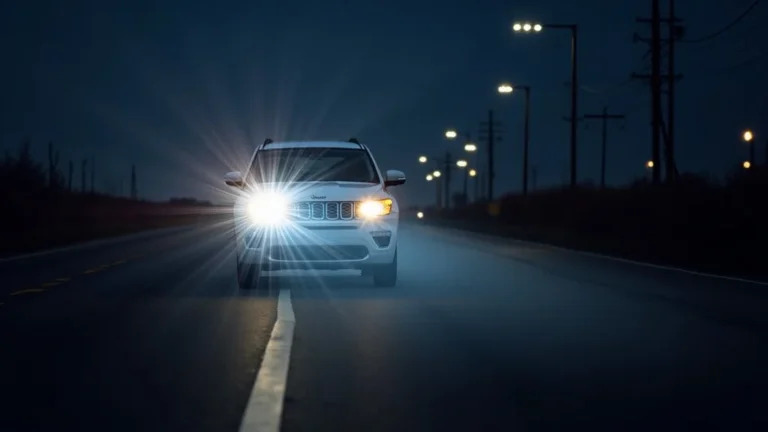
What Are Halogen Headlights Simple Explanation for Beginners
If you’re wondering what are halogen headlights, you’re not alone! It’s a common question, especially for those new to cars or car maintenance. Sometimes, the techy jargon can feel confusing. But don’t worry! This guide breaks down everything about halogen headlights in easy-to-understand terms. We’ll start with the basics, then explore how they work, their pros and cons, and how they compare to other types of headlights. Get ready for a straightforward explanation and solutions!
Basic Lights Explained
When you get behind the wheel, the very first action you take is to power up your headlights. This simple task is crucial for safe driving, especially at night or during bad weather. Headlights do more than just make the road in front of you visible. They also help other drivers see your car, reducing the risk of accidents. There are several kinds of headlights, and halogen lights are one of the most common.
What Makes Up a Headlight?
Headlights are more than just a single lightbulb. They’re a whole system, including the bulb itself, a reflector, and a lens. The bulb is what creates the light. The reflector, which is usually a curved surface behind the bulb, focuses the light and directs it forward. The lens is the clear cover that protects the bulb and helps to spread the light. Different types of bulbs are used in these systems, including halogen, LED, and HID (High-Intensity Discharge).
- The Bulb: The bulb is the core component. Think of it like a lightbulb in your house, but designed to be much brighter and last longer. The bulb has a filament that gets hot and glows when electricity passes through it.
- The Reflector: The reflector is a shiny surface, typically made of metal or plastic, behind the bulb. It’s curved in a specific shape to bounce the light from the bulb and aim it in the right direction. This ensures that the light shines on the road, where you need it most.
- The Lens: The lens is the clear cover that protects the bulb and reflector from the elements, like rain, dust, and debris. It also helps to shape and spread the light in a controlled manner.
The filament can be made from tungsten. Halogen bulbs contain halogen gas.
Without the reflector, much of the light would spread out in all directions. Reflectors play a key role in the efficiency of headlights.
The lens often has patterns on its surface, like ridges and grooves, to direct the light properly, improving visibility.
How Halogen Bulbs Create Light
Halogen bulbs work by combining a tungsten filament with a halogen gas inside a sealed glass capsule. This is a clever design. When electricity runs through the tungsten filament, it heats up and glows, creating light. The halogen gas, typically iodine or bromine, plays a special role. It helps to keep the bulb lasting longer.
As the filament heats up, tiny particles of tungsten evaporate. The halogen gas prevents these particles from sticking to the glass, which would weaken the bulb and darken it. Instead, the halogen gas reacts with the tungsten, and the particles redeposit on the filament, extending its life and maintaining brightness.
Halogen headlights are an older technology but still work well for many drivers.
Key Features of Halogen Headlights
Halogen headlights have several important features that make them a popular choice. From cost to performance, let’s explore the key elements of halogen lights.
Cost and Availability
One of the biggest advantages of halogen headlights is their price. They are usually much cheaper to buy and replace than other types of headlights, like LED or HID. This makes them a great option for drivers on a budget or those who want a simple, cost-effective solution. Halogen bulbs are also very easy to find. You can buy them at almost any auto parts store, online, or even at some grocery stores.
- Affordability: Halogen bulbs are known for being budget-friendly. This means that if one burns out, you won’t have to spend a lot to get a replacement.
- Widespread Availability: You can find halogen bulbs at many different places, so you won’t need to hunt to locate them. This is very helpful when a bulb burns out.
- Easy Installation: Replacing a halogen bulb is generally a straightforward task that you can often do yourself.
Because they’re so easy to get, halogen bulbs help with both upfront and long-term costs.
This wide availability is especially helpful if you need to replace a bulb quickly or while you are traveling.
This is because they are designed to be easily accessible and installed or removed, compared to more complex systems.
Brightness and Color
Halogen headlights produce a warm, yellowish light. While this light isn’t as bright or as white as some newer technologies, it’s still effective for many driving conditions. The color of the light also affects how you see things at night. Some people find the warm color of halogen lights easier on the eyes than the bright, white light of LEDs.
- Color Temperature: Halogen lights generally produce light with a lower color temperature, usually around 3,000K.
- Lumen Output: Halogen bulbs usually put out fewer lumens than newer lights, and it results in being less bright overall.
- Visibility: The yellowish light from halogen headlights can be good in certain conditions, such as fog or snow.
The lower color temperature results in a warmer, yellow-tinted light.
This means they don’t illuminate the road as far or as wide as more modern options.
This is because yellow light scatters less than white or blue light, so you have a better view in those conditions.
Halogen vs. Other Headlight Technologies
To really get a good view of what what are halogen headlights, it’s helpful to see how they stack up against other headlight types. LED and HID headlights have entered the market. Each type has its own strengths and weaknesses.
Halogen vs. LED
LED (Light Emitting Diode) headlights are more advanced than halogen bulbs. LED lights use tiny diodes that emit light when electricity passes through them. They are more energy-efficient, longer-lasting, and often brighter than halogen bulbs. LEDs also come in a variety of color temperatures, including white and blue. This leads to a wider range of designs and light patterns.
| Feature | Halogen Headlights | LED Headlights |
|---|---|---|
| Brightness | Lower | Higher |
| Lifespan | Shorter | Longer |
| Energy Efficiency | Lower | Higher |
| Color | Yellowish | White/Blue |
| Cost | Lower | Higher |
Halogen vs. HID
HID (High-Intensity Discharge) headlights use a different process to make light. Instead of a filament, they have a capsule filled with gas, usually xenon. When a high-voltage current is applied, the gas ignites, creating a bright, intense light. HID lights are generally brighter than halogen lights and can have a more modern look, with a bluish-white light. However, HID lights usually need a warm-up time to reach their full brightness. They can also be more expensive to replace.
- Brightness: HID headlights typically provide more light output than halogen lights.
- Color: HID lights often have a blue or white appearance, which is often seen as a more modern and stylish look.
- Complexity: HID systems have more parts than halogen systems, which makes them more difficult to install and maintain.
This leads to better visibility at night, particularly on dark roads. They provide a brighter beam pattern.
The color may provide a sharper view of the road.
This often means higher costs.
Maintenance and Care for Halogen Headlights
Taking care of your halogen headlights is important for both safety and their lifespan. While halogen bulbs have a shorter lifespan than some other types of lights, there are several things you can do to make them last longer and ensure they perform their best.
Checking and Replacing Bulbs
Regularly checking your headlights is a good habit. You should inspect them every time you wash your car. Turn on the lights and make sure both headlights are working. If one is out, replace it right away. Ignoring a burned-out headlight makes it harder to see and can be dangerous for other drivers. It’s also a good idea to replace both bulbs at the same time, even if only one has burned out. This is because the other bulb is likely nearing the end of its life, and replacing both ensures that your headlights match in brightness and color.
Headlights are a safety feature. According to the National Highway Traffic Safety Administration (NHTSA), headlights are critical to road safety, reducing night-time crashes by 28%.
- Regular Inspections: Check your headlights every week to see if they are working.
- Replace in Pairs: If one bulb burns out, replace both at the same time.
- Bulb Life Expectancy: Halogen bulbs usually last for around 500 to 1,000 hours of use.
This includes both the high and low beams, and the signal lights.
This gives matching performance and avoids one bulb failing soon after the other.
Keep this in mind when you check the condition of your lights.
Protecting the Headlight Lenses
The lenses of your headlights are important because they protect the bulbs and control the light output. Over time, lenses can get cloudy or yellowed, which reduces the brightness of your headlights. This can be caused by the sun’s UV rays, road debris, and general wear and tear. To keep your lenses in good shape, you can wash them regularly when you wash your car. You can also use a headlight restoration kit, which can remove cloudiness and improve clarity. It helps to keep your headlights working at their best.
- Cleaning: Wash your headlight lenses when you wash your car to remove dirt and grime.
- Restoration Kits: Use a headlight restoration kit if your lenses become cloudy or yellowed.
- Parking Conditions: Parking your car in a garage or shaded area can help prevent the lenses from damage.
Cleaning them frequently helps them stay clear and bright.
These kits use special products to help to restore clarity.
This limits the amount of sun the lenses are exposed to.
Frequently Asked Questions
Question: How do I know if my halogen headlight bulb is burned out?
Answer: Turn on your headlights. If one or both are not lighting up, or are very dim, the bulb is likely burned out. You can also check if the filament inside the bulb is broken.
Question: Can I upgrade from halogen headlights to LED headlights?
Answer: Yes, you can usually upgrade to LED headlights, but you need to make sure the LED bulbs are compatible with your car’s headlight housing and electrical system. You might also need to install a new wiring harness.
Question: How long do halogen headlights last?
Answer: Halogen headlight bulbs typically last between 500 and 1,000 hours of use, depending on the brand and usage conditions. They are shorter-lived than LED headlights.
Question: Are halogen headlights safe?
Answer: Yes, halogen headlights are safe. They provide adequate lighting for driving. Make sure your headlights are correctly aimed, so that you can see clearly without blinding other drivers.
Question: Can I replace a halogen bulb myself?
Answer: Yes, replacing a halogen bulb is generally easy and can be done at home. Check your car’s manual for specific instructions for your vehicle model.
Final Thoughts
Now you have a solid grasp of what are halogen headlights and how they function. Halogen headlights offer a straightforward lighting solution for many vehicles. They are affordable, readily available, and provide adequate visibility for many driving conditions. While they may not be as bright or efficient as more modern headlight technologies like LED or HID, halogen lights are a reliable option for drivers. You also know how to keep your headlights working well. By taking care of your headlights, you can help improve your safety on the road. So, next time you are driving, you’ll feel confident. Always remember to drive safely and ensure your vehicle is in good working order!