What Are Adaptive Headlights and How Do They Work?
Figuring out what are adaptive headlights can be tricky when you first hear about them. It’s totally okay if you feel a little confused! They sound techy, and it’s easy to get lost in the jargon. Don’t worry, though. This guide will break it all down in a way that’s super easy to get. We’ll explore the basics of these lights, how they help you see better at night, and what makes them different from regular headlights. Let’s get started!
Adaptive Headlights Explained
Adaptive headlights are a type of automotive lighting system that automatically adjusts to the driving conditions. They are also known as adaptive driving beam (ADB) headlights, intelligent headlights, or dynamic headlights. They use sensors and software to change the direction, intensity, and pattern of the light beam to give drivers the best possible view of the road while reducing glare for other drivers. The goal is to maximize visibility at night, improving safety for everyone on the road. This technology represents a significant leap from the older, fixed-beam headlights.
How Adaptive Headlights Work
The magic behind adaptive headlights lies in a combination of sensors, actuators, and sophisticated software. These elements work together to provide optimal illumination under various driving situations. The system generally involves a control unit that receives data from multiple sensors located around the vehicle. These sensors monitor things like steering angle, vehicle speed, and sometimes even the environment around the car, such as ambient light conditions and the presence of other vehicles. This data enables the system to make real-time adjustments to the headlight beams.
- Sensors: These are the “eyes” of the system. They constantly gather information about your car’s speed, the angle of the steering wheel, and how dark it is outside. Some advanced systems also use cameras to detect other vehicles.
- Actuators: These are the “muscles” that move the headlights. They are small motors and gears that physically turn the headlight lenses or adjust the direction of the light beam.
- Control Unit: This is the “brain” of the system. It uses the information from the sensors and pre-programmed algorithms to decide how to adjust the headlights.
- Light Source: The light source, often LEDs or Xenon HID, is the light itself. The adaptive system controls the light’s direction and intensity.
When the system detects a curve in the road, for instance, it can turn the headlights to follow the road. This ensures that the driver can see what’s ahead around the bend. When another vehicle is detected, the system can dim or shift the light beam away from that vehicle to avoid dazzling the other driver. It’s a continuous process that works in real time to adapt the lighting to the driving situation.
Different Types of Adaptive Headlight Systems
There are several types of adaptive headlight systems, each with unique features and capabilities. These systems vary in how they adjust the light beams and the level of functionality they provide. The more sophisticated systems tend to provide better lighting performance in complex scenarios. The key differences usually involve the hardware and software used to achieve the adaptability.
- Steering-Linked Headlights: These headlights swivel as the steering wheel turns. They help the driver to see around corners and curves, improving visibility in these situations. This basic type is often found in more affordable vehicles.
- Adaptive High Beam: These systems can automatically switch between high and low beams based on the presence of other vehicles. They maximize visibility on dark roads by using high beams when possible.
- Matrix LED Headlights: These are very advanced. They use multiple LED lights that can be individually controlled. This allows them to create precise light patterns, dimming specific areas to avoid glare to other drivers while keeping the rest of the road illuminated.
- Pixel LED Headlights: These lights take Matrix LED a step further by using even more individual LEDs, allowing for even finer control and more complex light patterns. This technology enables extremely precise light shaping, which can provide superior visibility and glare reduction.
Each type offers improvements over standard headlights, and the features and performance increase as the systems become more advanced. Choosing a type of adaptive headlight is often determined by the vehicle’s make and model, as well as the price point.
Benefits of Using Adaptive Headlights
Adaptive headlights are designed to improve safety and ease of driving at night. By automatically adjusting the light pattern, intensity, and direction, they offer numerous advantages over traditional headlights. These benefits contribute to a safer and more comfortable driving experience. The main purpose of adaptive headlights is to maximize visibility and minimize the potential for accidents. These systems are especially beneficial in areas with winding roads or variable traffic conditions. Let’s explore some of the main benefits.
Enhanced Visibility
One of the main benefits of adaptive headlights is greatly improved visibility. Because they can direct the light where it’s needed most, they allow drivers to see further down the road, around curves, and into dark areas. The flexibility of these systems allows them to adapt to different scenarios, such as when driving in urban areas versus rural areas. This adaptation also reduces driver fatigue because you don’t have to adjust the headlights manually. The end result is a much safer driving experience, especially in low-light environments.
- Wider Illumination: They expand the illuminated area, particularly in curves, so drivers can spot obstacles sooner.
- Reduced Dark Spots: They eliminate or minimize dark spots that are typical with fixed headlights.
- Better Road Edge Lighting: They illuminate the sides of the road, making it easier to see pedestrians, cyclists, and animals.
Reduced Glare and Improved Safety
Adaptive headlights significantly reduce glare for other drivers. By dynamically adjusting the light beam to avoid shining directly into the eyes of oncoming drivers, they help to prevent the temporary blindness that can lead to accidents. The systems accomplish this by dimming certain segments of the light beam or shifting the light pattern. This functionality contributes to a safer overall driving environment. Modern systems can even “shade” specific areas, so the headlights can use high beams and still avoid blinding other vehicles. All these features come together to create a more efficient and safer lighting system.
- Automatic Dimming: They dim the high beams automatically when another vehicle is detected, preventing glare.
- Selective Illumination: They focus light on the road and away from other vehicles, reducing blinding.
- Faster Response: They react much faster than human drivers can manually switch between high and low beams.
A study by the Insurance Institute for Highway Safety (IIHS) showed that vehicles with adaptive headlights had a lower rate of crashes compared to vehicles with standard headlights. The IIHS also performed headlight tests, rating headlights based on their performance, which showed adaptive headlights perform better.
Convenience and Comfort
Beyond safety, adaptive headlights offer added convenience and comfort. The automatic adjustments eliminate the need for drivers to constantly switch between high and low beams, reducing driver workload, and making nighttime driving less tiring. Because the system can adapt to different driving conditions, the drivers can focus on the road instead of the lighting. This also enhances the overall driving experience, especially on long trips or in areas with changing light conditions. In short, adaptive headlights offer improved safety, increased driver comfort, and enhanced visibility. They are a valuable addition to modern vehicles, contributing to a better driving experience overall.
- Hands-Free Operation: They eliminate the need for the driver to manually control the headlights.
- Enhanced Driving Experience: The system automatically adjusts, making nighttime driving more relaxed.
- Reduced Driver Fatigue: Less manual intervention equals less stress on the driver.
How to Identify Adaptive Headlights
It’s important to know how to identify vehicles equipped with adaptive headlights, both for your own vehicle and when interacting with others on the road. Understanding the visual cues can help drivers to recognize this advanced lighting technology. This knowledge is important for safety awareness. When you know how to identify them, you can also better assess the overall design and functionality of the vehicle’s lighting system.
Visual Clues
There are several visual clues that can help you identify adaptive headlights. Although not all features are visible at all times, these are the most common things to look for. Recognizing these clues can often confirm that a vehicle has adaptive headlights, which could inform your driving behavior around it.
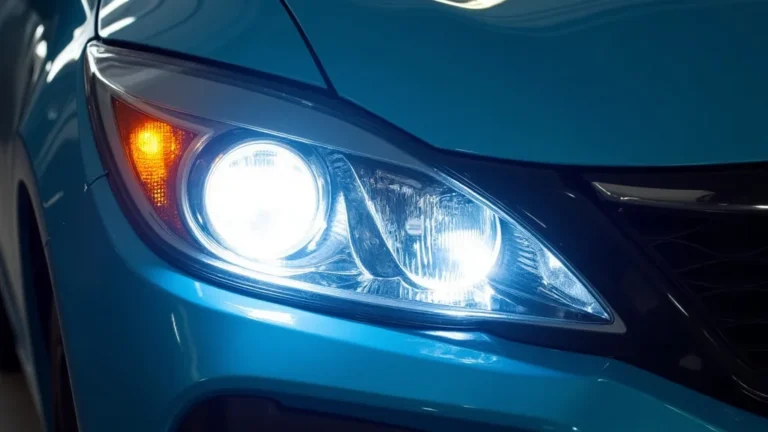
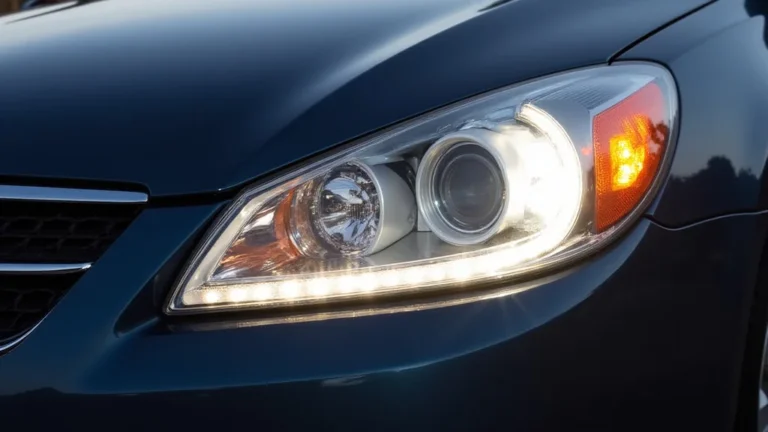
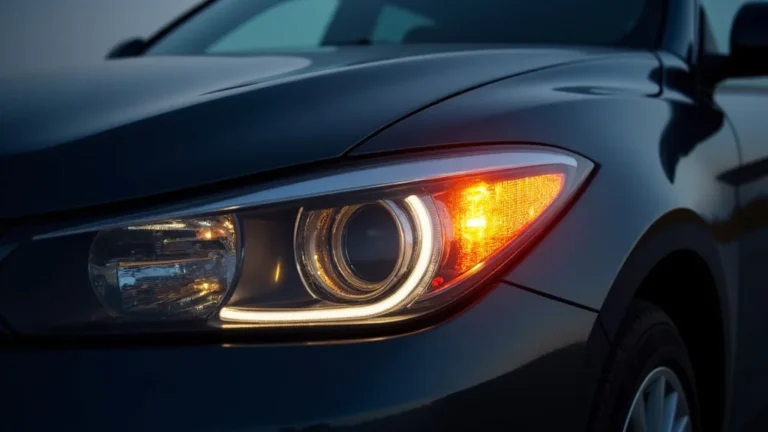
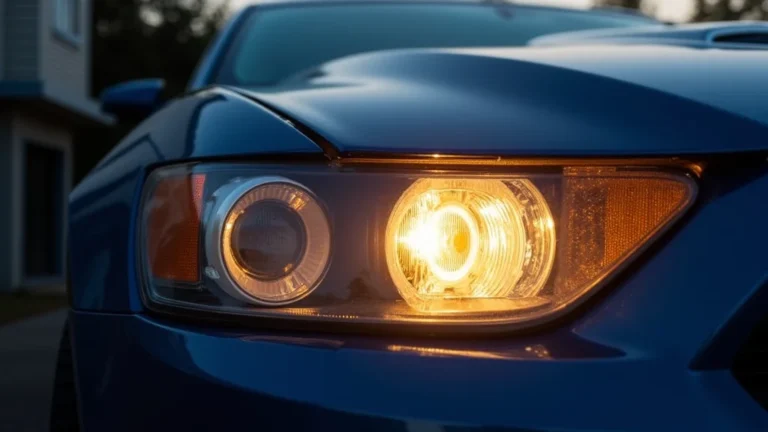
- Headlight Design: The design can be more complex, including multiple LED elements or projectors. Headlights might have a distinct appearance compared to standard ones, such as having a more elongated or angular shape.
- “Swiveling” Motion: When the vehicle is turned on or when the headlights are activated, the lights might move slightly, either swiveling horizontally or vertically, as they calibrate.
- Automatic High Beam Indication: The dashboard might display an indicator when the system is actively using automatic high beams. This symbol often resembles a headlight with an “A” inside.
Check Vehicle Specifications
If you’re unsure if a vehicle has adaptive headlights, you can find the information in a number of places. Checking these resources will help to confirm whether a vehicle is equipped with adaptive headlights, as well as to learn about their particular features. Knowing the specifications of the headlight system can assist in understanding its performance capabilities.
- Owner’s Manual: The owner’s manual typically contains detailed information about all the vehicle’s features, including the headlight system.
- Vehicle Brochure: Vehicle brochures list the available features and options for each model.
- Online Specifications: Websites like Edmunds and Kelley Blue Book provide detailed vehicle specifications.
When you encounter a vehicle with adaptive headlights, be aware that their light pattern may adjust dynamically. This is a normal part of their operation, designed to enhance visibility and safety for everyone on the road. You should adjust your driving behavior accordingly.
Common Problems and Issues With Adaptive Headlights
Like any advanced technology, adaptive headlights can experience problems, and it’s good to be aware of what issues might arise. Some common issues are related to the electronic components, while others can be caused by external factors. Knowing these potential problems can help owners to diagnose issues, seek out appropriate repairs, and keep their headlight systems running smoothly. It’s important to address these issues promptly, as they can affect visibility and safety.
Malfunctions and Failures
Adaptive headlights rely on several electronic and mechanical components that can fail over time or due to external factors. Malfunctions can range from minor issues to complete system failures. Regular maintenance and inspection can help to reduce the risk of these issues.
- Sensor Failure: If the sensors fail, the system might not detect the road conditions and other vehicles properly. This can lead to improper headlight adjustments or the complete disabling of the adaptive features.
- Actuator Issues: Problems with the actuators, which move the headlights, can cause them to become stuck in one position or to move erratically. This is the part that moves the headlights.
- Software Glitches: Software problems can cause the system to malfunction. In such cases, a system reset or software update may be needed.
External Factors
Factors from the external environment can also affect the performance of adaptive headlights. Some of these external factors are readily visible, and others are more subtle. Being aware of these elements can help owners to maintain the effectiveness of their headlight systems. Regular cleaning and care can help to prevent these external factors from affecting the function of the headlights.
- Dirt and Debris: Dirt, snow, and other debris can block the light beams or interfere with the sensors, causing the system to function improperly.
- Physical Damage: Damage to the headlight lenses can scatter the light and diminish visibility. Even small cracks can make a big difference.
- Electrical Issues: Problems with the vehicle’s electrical system, such as a low battery or faulty wiring, can cause adaptive headlight issues.
When a problem is detected, it’s best to have the system inspected and repaired by a qualified mechanic. Diagnosing the issue may require special tools and knowledge of the system. Prompt repair will improve your nighttime driving experience and ensure overall safety. Many modern vehicles provide dashboard warnings when there is a problem with their lighting systems, alerting drivers to a potential problem.
Future of Adaptive Headlights
The development of adaptive headlight systems is always accelerating, and we can expect even more sophisticated technologies in the future. As technology develops, we will experience improvements in safety, functionality, and integration with other vehicle systems. Staying current with these trends can help drivers to appreciate the benefits of these lighting innovations. Many of these upcoming improvements are already in various stages of development and testing.
Advancements in Technology
The future of adaptive headlights will likely involve several key technological advancements that will further enhance their capabilities. From higher precision to increased integration with other systems, these improvements promise to make driving at night even safer and more convenient.
- Higher Resolution Systems: The pixel density of LED headlights will continue to increase. This will result in even more precise control over the light beam.
- AI Integration: Artificial intelligence will be used to better anticipate driving conditions. This will lead to more intelligent, responsive headlight adjustments.
- Integration with Vehicle Systems: Headlights will integrate with other vehicle systems, such as navigation and autonomous driving features. The headlights will receive data from the navigation system.
Impact on Driving
The ongoing development of adaptive headlight systems has a significant impact on driving. As the technology evolves, the benefits for drivers will increase significantly. These advances will improve safety, visibility, and convenience on the road.
- Enhanced Safety: With improved visibility and glare reduction, the number of accidents and traffic violations should decrease.
- Improved Driver Experience: Increased convenience, such as automatic adjustments and reduced driver effort, will make nighttime driving easier and more comfortable.
- Wider Adoption: As the technology becomes more affordable, these features will become standard on more vehicle models.
The future of adaptive headlights is exciting, and we can expect it to have a major positive impact on the driving experience. Adaptive headlight technology will continue to advance, further improving safety and convenience for drivers. New approaches include enhanced lighting functionality and integration with other vehicle features. This will contribute to safer roads for everyone.
Frequently Asked Questions
Question: Are adaptive headlights better than regular headlights?
Answer: Yes, adaptive headlights are generally better because they automatically adjust to driving conditions, providing improved visibility and safety compared to standard headlights that have a fixed beam pattern.
Question: Do adaptive headlights require any special maintenance?
Answer: Adaptive headlights require similar maintenance to standard headlights, including regular cleaning and occasional bulb replacement. However, you should have them checked by a professional if you suspect there is a malfunction.
Question: Can I retrofit adaptive headlights to my car?
Answer: Retrofitting adaptive headlights can be challenging and typically requires significant modifications to the vehicle’s electrical system and control modules. This is not recommended unless you are an expert.
Question: Do adaptive headlights cause glare for other drivers?
Answer: No, the system is designed to reduce glare by adjusting the light beam to avoid shining directly into the eyes of other drivers. Adaptive headlights are designed to improve safety by reducing the impact of glare.
Question: Are adaptive headlights available on all car models?
Answer: Adaptive headlights are becoming more common, but they are still primarily available on mid-range and luxury vehicles. However, the technology is starting to appear in more affordable vehicles as the prices come down.
Final Thoughts
So, we’ve explored what are adaptive headlights and how they help make nighttime driving safer and easier. These smart headlights automatically change their light patterns, intensity, and direction, giving you better vision of the road. They also reduce the glare that can blind other drivers. Adaptive headlights use sensors, actuators, and smart software to work. They can follow curves, automatically dim for other cars, and light up dark areas. While you may have thought it was difficult, knowing how they work isn’t so complicated. Keep an eye out for these headlights, and remember the benefits: better visibility, less glare, and a more comfortable drive. You’re now equipped with the knowledge to appreciate this technology and its impact on driving. Drive safe and enjoy the road!