Is It Bad To Drive With Fog Lights On? A Driving Guide
If you’re new to driving, you might be wondering, is it bad to drive with fog lights on? It’s a common question, and it’s totally understandable to feel a little confused. After all, cars have so many lights! Don’t worry, this guide will clear up any confusion and help you become a more confident driver. We’ll explore exactly when fog lights are helpful and when they can cause problems, so you can keep yourself and others safe. Let’s get started!
What Are Fog Lights and Why Do We Need Them?
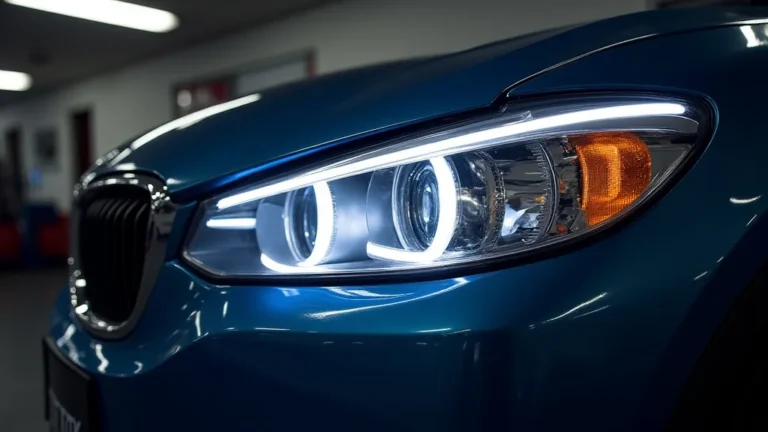
Fog lights are extra lights on your car, usually found below the headlights. They’re designed to help you see better in foggy conditions. Because fog is low to the ground, fog lights are positioned low as well. This allows them to shine under the fog, illuminating the road ahead without reflecting as much light back into your eyes. It is also important to note that fog lights are used to increase visibility in times of heavy rain, snow or dust storms.
This section will explain the purpose of fog lights and how they differ from standard headlights. It will cover their specific design, their range of illumination, and the reasons why using them correctly is important for visibility. Think about how these lights are designed to pierce through tough weather conditions, and how that can affect your decisions on the road. We will also touch on how the design minimizes glare, making driving safer for everyone.
The Design and Placement of Fog Lights
Fog lights are typically small and positioned low on the front of your car, often below the headlights and closer to the ground. This low placement is critical. The lower they are, the less light is reflected back by fog. This helps improve visibility because the light isn’t bouncing back into your eyes, which can reduce your vision.
- Low Mounting: Their low position helps light pass beneath the fog, reducing glare. Standard headlights, being higher, reflect more light back, making it harder to see.
- Wide Beam Pattern: Fog lights have a wide, flat beam pattern that spreads light across the road. This helps illuminate the sides of the road and any objects. It gives you a broader view of the road ahead, unlike high beams that focus on a narrow, distant area.
- Specific Optics: The lenses of fog lights often use special optics to control and direct the light. These optics help to shape the beam, ensuring that it shines where it’s most needed without scattering.
Fog Lights Versus Headlights: A Clear Difference
Headlights are the primary source of illumination for driving at night or in low-light conditions. They are designed to project light further down the road, giving drivers a longer range of vision. Headlights are designed to reach a much greater distance to help you see objects in the distance.
- Beam Angle: Headlights have a higher beam angle to illuminate a greater distance. Fog lights have a wider, flatter beam to help with close-range visibility.
- Purpose: Headlights are for general visibility in low-light conditions. Fog lights are specifically for use in fog, snow, or heavy rain, to cut through the conditions.
- Brightness: Headlights are typically brighter than fog lights. Fog lights are designed to work in conjunction with headlights in extreme weather conditions.
Regulations on Fog Lights
The rules about fog lights vary from place to place. The general rule is: fog lights should only be used when visibility is significantly reduced due to fog, heavy rain, snow, or dust. Using them in clear conditions can be against the law, and annoying to other drivers.
- Legal Requirements: Always know local laws about fog light usage.
- Vehicle Inspections: Ensure your fog lights function properly to pass inspection.
- Proper Usage: Only use fog lights when needed to avoid distracting other drivers.
Is It Bad to Drive With Fog Lights On in Clear Weather?
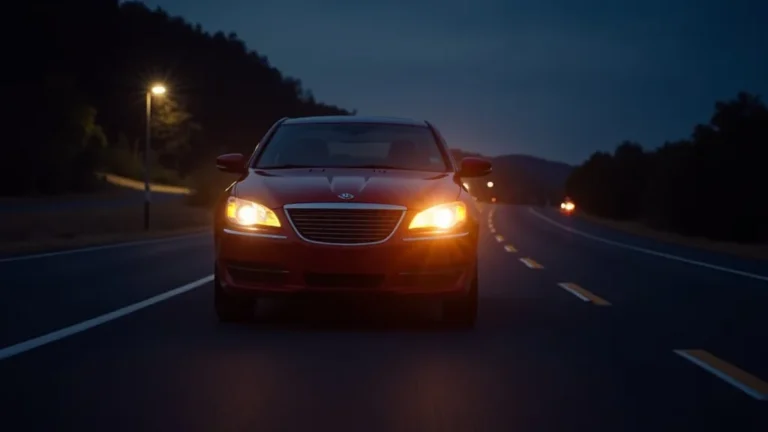
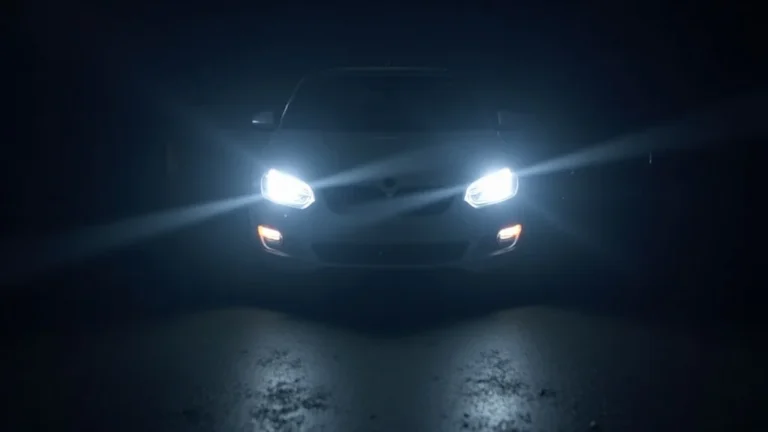
Using fog lights when they aren’t needed can be a problem. They can shine light directly into the eyes of other drivers, which can cause them to become blinded. Even though fog lights can make it easier to see in certain conditions, they can be dangerous when used incorrectly.
This section explores the problems associated with incorrect fog light use. It addresses the issues of glare, driver distraction, and the potential for increased accidents. You will learn about the negative effects of using fog lights in clear weather and how it affects other drivers, along with ways to avoid these problems.
Glare and Its Effects on Other Drivers
Fog lights are designed to cut through fog, not to be used in clear conditions. When used in clear weather, the light can be overly bright. This can blind drivers, especially at night or when the sun is low. It can make it difficult for drivers to see other cars, pedestrians, or road hazards.
- Reduced Visibility: Fog lights can create glare that temporarily blinds other drivers.
- Increased Hazard: When vision is reduced, the chances of accidents increase.
- Driver Annoyance: Glare from fog lights can be irritating, causing annoyance and distraction.
Distraction and Annoyance
Fog lights used unnecessarily can be a big distraction. They might be bright enough to catch a driver’s attention, pulling their focus away from the road. This distraction can be a danger, especially in areas with a lot of traffic or unexpected changes in the road. It can be like someone is shining a light directly into your eyes.
- Focus Loss: Bright lights can pull your focus away from essential driving tasks.
- Increased Stress: Dealing with unnecessary lights can increase stress levels for drivers.
- Impaired Judgment: Increased stress and distraction can impair a driver’s decision-making ability.
Legal and Ethical Considerations
Using fog lights incorrectly is not just inconsiderate; it can also be against the law. Many places have rules about the use of fog lights, and not following these can result in a ticket. Ethically, using fog lights when they aren’t needed is not a good practice, as it puts other drivers at risk and could lead to unwanted issues.
- Traffic Laws: Many locations have laws requiring proper fog light use.
- Penalties: Improper use can lead to fines or other penalties.
- Road Safety: Following all traffic laws ensures safer roads for everyone.
When to Use Fog Lights Correctly
Knowing when to turn on your fog lights is key to safe driving. Fog lights are useful when weather conditions limit your vision. These conditions may include heavy rain, fog, snow, or dust. They help you see the road and make sure other drivers can see you.
This part will provide clear guidelines for using your fog lights correctly. You will discover the visibility conditions where they are most useful, the safe driving behaviors to adopt, and how fog lights improve safety.
Driving in Fog: The Ideal Use Case
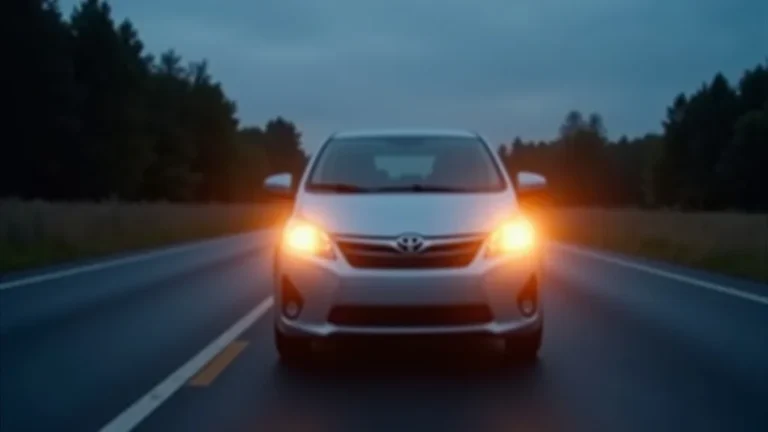
The original purpose of fog lights is to increase visibility in foggy conditions. When the air is thick with fog, your headlights alone might not be enough to see the road clearly. This is where fog lights can really make a difference. The low beam pattern helps you see the road close up. It also helps other drivers see your vehicle.
- Reduced Visibility: If you can’t see clearly, use your fog lights to help.
- Safe Speeds: Reduce your speed to ensure safety.
- Be Cautious: Watch out for other vehicles and unexpected objects.
Heavy Rain and Snow
Fog lights are also helpful in heavy rain and snow. In these conditions, visibility can be greatly reduced. The low placement and wide beam of fog lights allow them to cut through the rain or snow. This improves your ability to see the road and makes your car more visible to others.
- Heavy Rain: Use fog lights when rain reduces your sight.
- Snow Storms: Activate fog lights to improve visibility in snowy conditions.
- Visibility Guidelines: Turn on fog lights when you cannot see clearly ahead.
Dust Storms and Other Obstructed Conditions
In addition to fog, heavy rain, and snow, fog lights can be useful in dust storms. These storms can severely limit visibility, making driving very dangerous. Fog lights can improve your ability to see and allow other drivers to see you. It is important to stay safe.
- Dust Storms: Use fog lights when visibility is limited by dust.
- Sandstorms: Sandstorms can also reduce visibility and warrant fog light use.
- Overall Safety: Proper use of fog lights improves the safety of all drivers.
Safe Driving Practices with Fog Lights
The correct use of fog lights is only part of safe driving. Even when using them appropriately, there are actions you can take to make sure you stay safe on the road. This part of the guide will help you to safely integrate fog lights into your driving routine. It will cover adjustments you should make to your speed, the significance of maintaining an increased distance from other vehicles, and the significance of staying alert while behind the wheel.
Follow these safe driving methods to ensure you make the most of your fog lights and have a safe trip, even in tough weather.
Adjusting Speed for Safety
A key part of driving in challenging weather is to adjust your speed. When using your fog lights, you may not be able to see as far ahead as you can in clear conditions. Because of this, it is essential to drive at a speed that allows you to stop safely within the distance you can see. If you drive too fast, you might not be able to react in time if something unexpected happens.
- Reduce Speed: Slow down when visibility decreases.
- Safe Stopping Distance: Always ensure you can stop within your visible range.
- React Quickly: Be prepared to react promptly to hazards.
Maintaining a Safe Following Distance
Maintaining a safe distance from the vehicle in front of you becomes even more essential when visibility is reduced. This provides you with more time to react in case of sudden braking or other problems. A general rule is to keep at least three seconds of distance between your car and the vehicle in front, but in bad weather, you should increase that to four or even five seconds.
- Increase Gap: Increase the following distance in poor visibility.
- Time Checks: Regularly check your following distance.
- Avoid Tailgating: Never drive too close to the car in front of you.
Staying Alert and Focused
Driving in poor weather conditions with your fog lights on requires your full attention. It is crucial to stay alert and focused on the road. Avoid distractions such as using your phone, adjusting the radio, or talking to passengers. When the weather is poor, your focus should be on driving safely. If you are tired or distracted, you are more likely to make errors that could lead to an accident.
- Minimize Distractions: Keep your attention on driving.
- Get Enough Rest: Never drive when tired.
- Monitor Road: Constantly assess road conditions and adjust as needed.
Common Mistakes to Avoid
Even experienced drivers can make mistakes when it comes to fog lights. Being aware of these errors can help you drive more safely. This section will guide you through the most common errors drivers make when using fog lights and explain how to avoid them.
By learning from these typical errors, you can make your driving habits safer and more responsible.
Leaving Fog Lights On in Clear Weather
One of the most common errors is leaving fog lights on when visibility is good. As we’ve discussed, this can cause glare for other drivers and is against the law in many places. Always make sure to turn off your fog lights when the fog, rain, or snow has cleared and you have clear visibility.
- Check Conditions: Regularly assess weather conditions.
- Switch Off: Turn off fog lights when not needed.
- Courtesy: Be mindful of other drivers.
Using Fog Lights Instead of Headlights
Some drivers mistakenly use fog lights instead of their regular headlights at night. Fog lights are designed to supplement headlights in specific weather conditions, not to replace them entirely. Headlights are designed to illuminate the road ahead. If you only use fog lights at night, you won’t be able to see far enough ahead, which increases the risk of accidents.
- Use Headlights: Use headlights at night or in low-light conditions.
- Complement: Use fog lights to complement headlights in adverse weather.
- Complete Illumination: Use headlights to illuminate the distance.
Ignoring Fog Light Indicators
Many cars have indicator lights to show when your fog lights are on. Ignoring these indicators can lead to leaving your fog lights on when you don’t need them. Make it a habit to look at your dashboard to check if your fog lights are active. If you notice they are on in clear weather, you should switch them off right away.
- Dashboard Checks: Regularly check your dashboard for fog light indicators.
- Awareness: Pay attention to the light’s status.
- Safe Practices: Develop habits for checking and adjusting your lights.
Frequently Asked Questions
Question: When should I use my fog lights?
Answer: Use fog lights when visibility is reduced by fog, heavy rain, snow, or dust. Avoid using them in clear weather.
Question: Are there any penalties for using fog lights incorrectly?
Answer: Yes, in many places, using fog lights inappropriately can result in a fine or other penalties.
Question: What’s the main function of fog lights?
Answer: The main function of fog lights is to increase visibility in foggy conditions, helping you see the road and allowing other drivers to see you better.
Question: Can fog lights replace headlights?
Answer: No, fog lights are not designed to replace headlights. Headlights are for general use in low-light conditions, while fog lights supplement them in poor weather.
Question: How can I tell if my fog lights are on?
Answer: Most cars have an indicator light on the dashboard that shows when your fog lights are active. You should also be able to see the fog lights themselves.
Final Thoughts
So, is it bad to drive with fog lights on in the wrong situations? Absolutely. Using fog lights inappropriately can be annoying to other drivers and even dangerous. Fog lights are super useful, but only when used correctly. Remember, fog lights work best when the weather is bad – think fog, heavy rain, snow, or even a dust storm. They help you see better and make sure other drivers can see you too. Always switch them off when the weather clears up. Also, remember to drive at a safe speed, keep a good distance from other vehicles, and stay focused on the road. By following these easy steps, you can use your fog lights the right way and help keep everyone safe! Stay aware and make the smart driving choices!