Restoring Headlights With Sandpaper: A Simple Guide
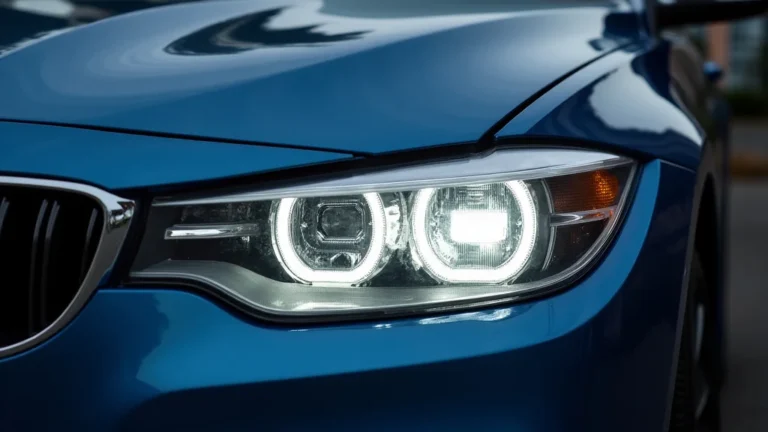
If your car’s headlights look cloudy or yellowed, you’re not alone! Many car owners face this problem. Figuring out how to restore headlights with sandpaper might seem tough at first, but it’s really not that bad. Don’t worry, it’s easier than you think! This guide will show you a simple, step-by-step method to get your headlights shining bright again. You’ll soon see your headlights looking clear and new. Let’s get started and explore how to make those headlights sparkle!
What Causes Cloudy Headlights?
Over time, your car’s headlights can get cloudy and yellowed. This happens because of a few things, mostly the sun. Headlights are usually made of plastic, and the sun’s UV rays damage the plastic. Think of it like a sunburn on your headlights. Dirt, dust, and tiny scratches from the road also add to the problem. These scratches scatter light, making your headlights less bright. The good news is that this damage is often on the surface and can be fixed. You do not need to replace the entire headlight assembly. You just need to remove the damage.
The Effects of UV Damage
UV rays, or ultraviolet rays, are invisible rays from the sun that can do a lot of damage. They break down the plastic in your headlight lenses. This makes the surface rough and less transparent. As the plastic breaks down, it yellows. This yellowing reduces the amount of light that passes through. This means your headlights won’t shine as brightly. This makes night driving more dangerous because you won’t be able to see as far. You might also get tickets because the headlights aren’t bright enough.
- Breakdown of Plastic: UV rays break down the bonds in the plastic of the headlights. This causes the plastic to become weak and brittle.
- Yellowing: The plastic turns yellow as it is exposed to UV light. This is a chemical reaction.
- Reduced Visibility: The cloudy and yellowed lenses block the light from your headlights. This makes it harder to see at night.
Environmental Factors and Headlight Damage
Besides UV rays, other factors also contribute to headlight damage. Road debris, like small rocks, can chip the lenses. Dirt and dust can scratch them. The climate you live in matters, too. If you live in a place with a lot of sun, snow, or harsh weather, your headlights might get damaged faster. Even cleaning your headlights with the wrong products can cause scratches. Remember that the headlight is made of plastic that will fade over time if you don’t take care of it.
- Road Debris: Small rocks and other things on the road can hit your headlights.
- Dirt and Dust: Regular dirt and dust can create small scratches on your headlights.
- Weather Conditions: Harsh weather such as extreme heat and cold can speed up the process.
The Simple Method for Restoring Headlights
You can get rid of cloudy headlights by using sandpaper. The process of using how to restore headlights with sandpaper may seem tricky, but it’s pretty straightforward. The goal is to remove the damaged layer of plastic. You’ll be using different grits of sandpaper. This allows you to remove the scratches and yellowing. Then, you’ll polish the headlights to make them clear again. It’s like giving your headlights a facial. With the right supplies and steps, your headlights will look great.
Gathering Your Supplies
Before you begin, gather the necessary tools and supplies. You’ll need these to get the best results. Having everything ready saves time and makes the job easier. Many of these items you might already have around the garage or at home. If not, it’s not expensive to buy them. Also, the supplies can be reused for other cars. That’s a good value for the money. If you don’t have them all, you can get a headlight restoration kit, which includes everything.
- Sandpaper: You’ll need several grits. Start with a coarse grit (like 400 or 600) and work your way up to a fine grit (like 2000 or 3000).
- Water: You’ll use water while sanding. It helps to keep the sandpaper clean and reduces scratches.
- Painter’s Tape: This tape protects the paint around your headlights from scratches.
- Polishing Compound: Use this after sanding to get the headlights clear and shiny.
- Microfiber Cloths: These are for cleaning and polishing your headlights.
- Spray Bottle: Fill this with water to keep the sandpaper and headlight wet.
Step-by-Step Instructions
Now, let’s explore how to restore headlights with sandpaper. The following steps should be followed carefully for the best results. Start by taping off the paint around the headlight. This protects it from scratches. Begin with a coarse grit sandpaper and sand the headlight until it looks even. Then, gradually use finer grits. Rinse frequently. After sanding, use a polishing compound and a microfiber cloth. This will make your headlights clear and shiny. This step-by-step guide will help you restore your headlights. Make sure you don’t skip any steps.
- Prepare Your Car: Wash and dry the headlights. Tape around the headlights to protect the paint.
- Sand with Coarse Grit: Wet the headlight and sandpaper. Start with the coarse grit (400 or 600). Sand in a back-and-forth motion. Keep the headlight and sandpaper wet. This removes the yellowed layer.
- Use Finer Grits: After using the coarse grit, switch to a finer grit (1000 or 1500). Sand again, keeping the headlight wet. This helps to smooth out the scratches.
- Sand with Very Fine Grit: Use very fine grit sandpaper (2000 or 3000) for the final sanding. Make sure to keep the headlight wet. This gives the headlight a smooth surface for polishing.
- Polish the Headlights: Apply the polishing compound to a clean microfiber cloth. Rub the compound on the headlight in a circular motion. This will remove any remaining haze and make the headlights clear.
- Clean and Protect: Once the headlights are clear, clean them with a microfiber cloth. Then, apply a headlight sealant. This will help to protect the headlights from future damage.
Safety and Tips
Working on your car can be fun, but you need to do it safely. Be careful when sanding and using the polishing compound. If you follow some key tips, you will make the job easier and better. Read these safety tips and suggestions before you start working. Remember, always put safety first. You will be able to restore your headlights quickly and safely.
Safety Precautions
Safety should always be your top priority. Make sure you wear safety glasses to protect your eyes from debris. Use gloves to protect your hands from chemicals and scratches. Work in a well-ventilated area because the polishing compound can have fumes. If you’re not comfortable, you can always seek assistance from a professional. Also, be careful around sharp objects. Take your time. Don’t rush and pay attention to what you are doing.
- Eye Protection: Always wear safety glasses to protect your eyes from flying debris.
- Gloves: Use gloves to protect your hands from the polishing compound and to avoid scratches.
- Ventilation: Work in a well-ventilated area to avoid breathing in fumes from the polishing compound.
- Avoid Direct Sunlight: Work in the shade or indoors to avoid the compound drying too quickly.
- Be Careful: Take your time and pay attention to what you’re doing.
Tips for Success
You can get better results if you follow some tips. First, keep the sandpaper and headlight wet during sanding. This helps prevent scratches. Don’t skip grits, and gradually go from coarse to fine. Change your sanding direction for each grit. This will help you see the scratches. For example, sand vertically with one grit and horizontally with the next. Be patient and don’t rush the process. A good outcome takes time. If the headlights are still cloudy, repeat the polishing process.
- Keep it Wet: Always keep the sandpaper and headlight wet to prevent scratches and reduce heat.
- Use the Right Grit Sequence: Don’t skip grits. Go from coarse to fine. This ensures you remove all scratches.
- Change Sanding Direction: Change the direction of your sanding with each grit.
- Be Patient: Take your time. It may take some time to remove all the damage.
- Clean Thoroughly: Wipe the headlights clean with a microfiber cloth after each step.
Understanding Sandpaper Grits
Sandpaper comes in different grits. These grits are numbers that describe how coarse or fine the sandpaper is. The grit number shows how many abrasive particles are on each square inch of the paper. A lower number means the sandpaper is coarse and rough. This will remove a lot of material quickly. A higher number means the sandpaper is fine and smooth. It is used to polish and refine the surface. Learning the difference between sandpaper grits will allow you to do the best job when learning how to restore headlights with sandpaper.
Coarse Grit Explained
Coarse grit sandpaper, like 400 or 600 grit, has large abrasive particles. It’s designed to remove a lot of material quickly. This makes it perfect for removing the outer, damaged layer of the headlight. It creates deep scratches, which are removed with finer grits. Use it to level out the headlight surface, removing yellowing and major imperfections. Be careful when you use coarse grit sandpaper. If you press too hard, you may scratch the plastic.
Fine and Ultra-Fine Grit Details
Fine and ultra-fine grit sandpaper, like 2000 or 3000 grit, has small abrasive particles. These grits are used to smooth out the scratches. They leave a polished surface. Fine grit sandpaper reduces the roughness. It prepares the surface for polishing. Ultra-fine grit is used for the final sanding. It creates a surface ready for the polishing compound. After using fine grit, your headlights should look much clearer. Use water with the finer grits to reduce scratches and improve the result.
| Grit Number | Description | Use |
|---|---|---|
| 400-600 | Coarse | Removing severe damage and yellowing. |
| 1000-1500 | Medium | Smoothing out scratches from coarse grit. |
| 2000-3000 | Fine | Preparing the surface for polishing. |
Why Headlight Restoration Matters
Restoring your headlights is important. It improves your visibility at night. Clear headlights make your car look better. It can also help you pass a vehicle inspection. It also can help protect the value of your car. By learning how to restore headlights with sandpaper, you’re making a smart move. It saves money compared to replacing your headlights. This simple task keeps you safer on the road and makes your car look great.
Improving Safety and Visibility
Clear headlights are important for safety. They let you see the road at night. They also allow other drivers to see you. Cloudy or yellowed headlights reduce the amount of light that shines out. This makes it harder for you to see the road. It also makes it harder for others to see you. Bright headlights allow you to spot hazards early. They give you more time to react. This means fewer accidents and safer driving. Consider the impact on everyone when you get your headlights restored.
Cost Savings and Value
Restoring headlights yourself saves money. You don’t have to buy new headlights or pay a professional. Replacing headlights can cost a lot. Restoring them with sandpaper is much cheaper. It also helps to keep your car looking good. Well-maintained headlights make your car more valuable. People are more likely to buy a car with clear headlights. Restoring your headlights improves the appearance and value of your car at the same time. Many people choose this simple process.
Frequently Asked Questions
Question: How often should I restore my headlights?
Answer: It depends on the weather conditions. If you live in an area with a lot of sun, you may need to restore your headlights every year or two.
Question: What if the headlights are still cloudy after sanding and polishing?
Answer: You may need to sand with a finer grit sandpaper or repeat the polishing process.
Question: Can I use a power drill for sanding?
Answer: Yes, you can use a power drill with a sanding pad. But be careful not to apply too much pressure.
Question: Can I use this method on glass headlights?
Answer: No, this method is designed for plastic headlights. Glass headlights are different and will require other methods.
Question: Is there a way to prevent headlights from getting cloudy again?
Answer: Yes, you can apply a sealant or protectant after restoring your headlights. This helps to protect them from UV damage.
Final Thoughts
Now you have explored how to restore headlights with sandpaper. You now know the steps to restore cloudy headlights, making them clear and bright. You know how to choose the right materials and use them safely. You know the importance of keeping your headlights clean and clear for both safety and your car’s appearance. You can significantly improve your car’s appearance and enhance your safety on the road. Now you have the knowledge to complete the job. It’s time to get your sandpaper and get started! You can enjoy driving your car knowing that you have improved your visibility.