How to Install Headlight Assembly: A Beginner’s Guide
Replacing a headlight assembly can seem tricky, especially if you’ve never done it before. Many people find this task challenging because they’re unsure where to start or worry about damaging their car. Don’t worry, though! This guide breaks down how to install headlight assembly in simple steps, making the process easy to follow. We’ll explore everything you need to know, so you can confidently tackle this project yourself. Get ready to illuminate your way with this straightforward guide!
Gathering Your Supplies for Headlight Assembly Replacement
Before you get started, having the right tools and knowing what you’ll need is important. This step makes the process much easier. You won’t need anything that’s too technical, but having the right things ready will save you time and frustration. Let’s look at the basic requirements and some helpful extras that will make your installation go smoothly. This preparation will set you up for success, ensuring a smooth and straightforward replacement.
Essential Tools You’ll Need
The first step in any project is making sure you have everything you’ll need. This is especially true when working on your vehicle, where the tools themselves are important. You’ll likely encounter a few different types of fasteners, so having the right tools to remove them will make the process much easier.
- Screwdrivers (Phillips and Flathead): These are probably the most commonly used tools for the job. Many headlight assemblies are held in place with screws. Make sure you have both Phillips head (for cross-shaped screws) and flathead (for slotted screws) screwdrivers. Consider having a set with different sizes to fit various screws you might encounter.
- Socket Wrench Set: A socket wrench set is useful for bolts and nuts. Having a range of sizes is ideal, but a set that includes the most common sizes for your car’s make and model will work. You might need to remove bolts that secure the headlight assembly or any components surrounding it.
- Gloves: Working with your car can get messy, and gloves help protect your hands from dirt, grease, and sharp edges. Nitrile or latex gloves are good choices. They protect your hands and allow you to maintain a good grip on the tools and parts.
- New Headlight Assembly: Of course, you’ll need the new headlight assembly itself. Make sure it’s the correct model for your car. The part number should match what your vehicle requires. Double-check your owner’s manual or an online parts finder to make sure.
A Phillips head screwdriver is designed to fit screws with a cross-shaped recess in the head. They are named after Henry Phillips, who patented the design in the 1930s. The design helps prevent the screwdriver from slipping out of the screw, providing better torque and control.
A socket wrench is a hand tool used to turn nuts and bolts. It consists of a handle (or ratchet) and a socket that fits over the fastener. Sockets come in various sizes and configurations (e.g., six-point, twelve-point) to fit different types of fasteners. A ratchet mechanism allows you to turn the fastener without removing and repositioning the wrench, making the process faster and easier.
Nitrile gloves are synthetic rubber gloves commonly used in various industries. They are resistant to many chemicals and oils, making them useful in automotive repair. They also provide better puncture resistance than latex gloves and are a good choice if you have latex allergies.
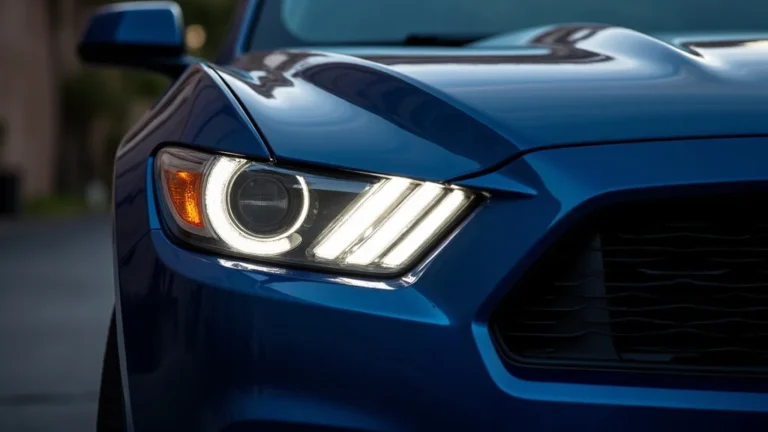
A headlight assembly is the entire unit that houses the headlight bulb, reflector, and lens. It’s designed to protect the bulb from weather and physical damage, and the reflector directs the light to create a beam. When you buy a replacement, it will typically include the housing, lens, and sometimes the bulbs.
Optional Tools and Items to Consider
While the above tools are essential, these extras can make the job more straightforward. They’re not necessary, but they can improve your experience.
- WD-40 or Penetrating Oil: If any bolts or screws are rusted or difficult to remove, a penetrating oil will help loosen them. WD-40 is a common choice, but other brands are also available. Spray a little on the fastener and let it sit for a few minutes before trying to remove it.
- Work Light or Flashlight: Good lighting is crucial, especially if you’re working in a garage or after dark. A work light will allow you to see what you’re doing. A small, handheld flashlight is also useful for getting into tight spaces.
- Painter’s Tape: Use this to label wires or parts you remove. This helps ensure that everything goes back together correctly. It also prevents scratching the surrounding bodywork.
- Car Jack and Jack Stands: If you need to access the underside of the vehicle to remove a part of the assembly, these are essential. They provide a safe way to lift and support your car.
Penetrating oil is a lubricant designed to penetrate the rust or corrosion that can bind fasteners. It works by breaking down the bond between the rust and the metal, making it easier to remove the fastener. It also helps to prevent future corrosion.
A work light is a portable light designed for use in workshops or garages. They often have bright LEDs and may be adjustable to point the light where it is needed. They provide much better illumination than a standard flashlight, making it easier to see details while working.
Painter’s tape is a low-tack adhesive tape used to protect surfaces during painting or other projects. It’s designed to stick well but not damage the surface when removed. In automotive applications, it can be used to label wires or parts to ensure a proper installation.
A car jack is a device used to lift vehicles so that you can work on them. Jack stands are sturdy supports placed under the car to hold it up securely after it’s been lifted. They are a safety essential and prevent the car from falling and causing injury.
Taking Out the Old Headlight Assembly
Now that you’ve gathered all of your tools, the next step involves removing the old headlight assembly. This is often the most time-consuming part, but with patience and care, you can do it right. Be careful not to damage any surrounding parts of your car. By removing the old assembly carefully, you’ll be one step closer to getting everything working correctly again.
Locating and Removing Fasteners
The first step is figuring out how the headlight assembly is secured to your car. The exact location of the fasteners will depend on your vehicle’s make and model. Consult your car’s manual, or search for a diagram online. You can also visually inspect the area around the headlight assembly to identify the fasteners.
- Identify the Fasteners: Look for screws, bolts, or clips that hold the headlight assembly in place. They are usually around the edges of the assembly, along the top, bottom, and sides. Some vehicles also have fasteners hidden behind the grille or other panels.
- Loosen and Remove the Fasteners: Use the appropriate screwdriver or socket wrench to loosen and remove the fasteners. If a fastener is stubborn, try using penetrating oil to help loosen it. Work slowly, and be careful not to strip the threads on the screws or bolts.
- Remove the Headlight Assembly: Once all the fasteners are removed, gently pull the headlight assembly away from the car. It might be held in place by clips or other small retainers, so be gentle and avoid excessive force.
Fasteners are any hardware used to join two or more parts together. In this case, they hold the headlight assembly to the car’s body. They can be screws, bolts, or clips of different types, depending on the car model.
Stripping threads refers to damaging the threads of a screw or bolt, which makes it difficult to tighten or remove. This can happen if too much force is used or the wrong tool is used. If you strip a thread, you might need to repair it with a thread repair kit or replace the part.
Retainers are small clips or fasteners that help hold parts in place. They’re often used on plastic panels or trim pieces. These retainers are designed to grip, often requiring some gentle effort to release.
Disconnecting the Wiring Harness
The next important step is disconnecting the wiring harness that powers the headlight. This is a crucial step to avoid electrical problems. The connections can vary depending on your car’s model. Usually, the wires can simply be disconnected, but some cars have special latches to secure the connections. Take your time, pay attention, and make sure that you properly disconnect everything to prevent any errors.
- Locate the Wiring Harness: The wiring harness typically connects to the back of the headlight assembly. It’s usually a plug with multiple wires attached. The exact location will depend on your vehicle’s design.
- Disconnect the Connectors: Many connectors have a release mechanism like a tab or clip. Press or squeeze this to detach the connector from the headlight assembly.
- Label the Wires (Optional): If you are unsure about the wiring connections, you can label the wires with painter’s tape and a pen. This will make it easier to reconnect everything correctly when you install the new headlight assembly.
The wiring harness is a group of wires bundled together that carry electricity to various parts of the car. It supplies power to the headlights, turn signals, and other electrical components. Disconnecting the wiring harness disconnects the electrical supply to the headlight assembly.
A connector is a device that connects wires, allowing electrical current to pass through them. Connectors come in various designs, including plugs, sockets, and terminals. They are used to make and break electrical connections quickly and easily.
Labeling wires helps identify them and simplifies the reassembly process. Painter’s tape is commonly used because it sticks well to wires but doesn’t leave a sticky residue. Writing the wire’s function or the part it connects to helps prevent confusion.
Installing the New Headlight Assembly
Now comes the fun part: putting in the new headlight assembly. You will need to reverse the steps you just completed. If you were thorough in taking everything apart, the reassembly should be a breeze. This is also a good time to double-check that the new assembly is working correctly. A little bit of extra care here will help you get the best result.
Connecting the Wiring Harness
Connecting the wiring harness correctly is important for the lights to work. This means matching the connectors and ensuring they are secured. If your car has a special mechanism for securing the wiring, make sure that it’s correctly fastened. This part is relatively straightforward, and matching the connectors will ensure that your new lights function properly.
- Match the Connectors: Align the connectors on the new headlight assembly with the connectors on your car’s wiring harness. These should be a perfect fit. If the connectors don’t match, you have the wrong headlight assembly.
- Secure the Connectors: Push the connectors together firmly until they click into place. Some connectors have a locking mechanism or clip. Ensure this is engaged to prevent the connector from coming loose.
- Test the Lights: Before fully installing the headlight assembly, turn on the lights to verify that everything is working. Make sure all lights (low beam, high beam, turn signals) work correctly. This will prevent you from having to take the assembly back out if there is a problem.
Connectors are designed to fit together in a specific way. It ensures a secure electrical connection. Forcing a connector will likely damage it. If the connectors don’t match, double-check that you have the right replacement headlight assembly for your car model.
A locking mechanism on a connector is a feature that secures the connection and prevents it from coming apart due to vibration or movement. It can be a clip, tab, or a snap-in design. The locking mechanism confirms that the connection is secure.
Testing the lights is a crucial step after connecting the wiring harness. This process verifies that the electrical connections are correct and that all functions of the headlight assembly are operational.
Securing the New Headlight Assembly
Once you are sure the lights are working, you can fully install the new assembly. This is the opposite of the removal process. Make sure to align the new assembly properly, and secure the fasteners. Double-check your work to ensure the light is properly secured and aligned. If you paid attention during removal, this part will be easy. Double-check your work before closing everything up.
- Align the Headlight: Carefully position the new headlight assembly in the opening, ensuring it is flush with the car’s body. Make sure it’s properly aligned with the surrounding body panels and any other lights or components.
- Install the Fasteners: Reinstall the screws, bolts, or clips you removed earlier. Tighten them firmly, but don’t overtighten them. Overtightening can damage the headlight assembly or the car’s body.
- Check and Adjust (If Needed): After installing the headlight, check the beam pattern to ensure it’s aligned correctly. Some headlight assemblies have adjustment screws that allow you to fine-tune the vertical and horizontal alignment. Consult your car’s manual for instructions.
Alignment refers to positioning the headlight assembly so it fits correctly into the car’s body opening. It’s important for both appearance and functionality. Improper alignment could affect the light beam pattern and the overall look of your vehicle.
Fasteners need to be tightened correctly. If they are not tight enough, the headlight assembly could come loose. If they are too tight, you could strip the threads or break the plastic housing. Using the correct torque setting (if specified) is a good idea.
Beam pattern is the shape of the light projected by the headlight. Proper alignment ensures the light shines on the road without dazzling oncoming drivers. Most headlights can be adjusted using screws to change the beam’s direction. Your car’s manual will provide instructions.
Common Problems and Solutions
Even though the process of how to install headlight assembly is not difficult, there are common issues that people encounter. It’s always a good idea to know what to look out for. Addressing these issues can save you time and potential frustration. By keeping these problems in mind, you will be able to solve them effectively and get your lights working correctly.
Headlight Doesn’t Turn On
This is one of the most common issues after replacing a headlight. If the new headlight doesn’t turn on, it could be a simple wiring problem or a more complex electrical issue. This could prevent you from driving your car at night, so it’s important to identify the problem right away.
- Check the Connections: Make sure the wiring harness is properly connected to the new headlight assembly. Double-check that all connectors are securely plugged in. Ensure the connectors are fully seated and locked into place.
- Inspect the Bulbs: The bulb in the headlight assembly could be faulty. Inspect the bulb for any visible damage. Also, make sure the bulb is seated correctly in the headlight assembly.
- Check Fuses: A blown fuse might prevent the headlights from working. Check the fuse box in your car’s dashboard or engine compartment. Refer to your car’s manual to find the fuse that controls the headlights. Replace the fuse if it is blown.
Connections are the points where the wiring harness and the headlight assembly connect. A loose or faulty connection can prevent the lights from working. Carefully check all connections to ensure they are secure.
Bulb damage can occur from vibrations or from the bulb burning out. If the bulb appears damaged,
Fuses are safety devices that protect the car’s electrical system from overloads. They prevent damage to electrical components if there is a short circuit. If the headlight doesn’t work, a blown fuse is often the cause.
Headlight Assembly Doesn’t Fit Properly
Sometimes, the new headlight assembly won’t fit exactly as it should. It could be due to a wrong part, or small adjustments might be needed. Dealing with this issue can be frustrating, but here’s how to resolve it. Double-check your car’s model and the assembly’s specifications to get everything working correctly.
- Verify the Part Number: Double-check that you have the correct headlight assembly for your car’s make, model, and year. The part number on the new assembly should match the one you were given when you ordered. If it doesn’t match, you may have the wrong part.
- Inspect for Obstructions: Check if any obstructions, such as wires or brackets, are preventing the headlight assembly from fitting correctly. Sometimes, small adjustments are necessary. Move any wires or parts that might be in the way.
- Check for Damage: Inspect the new headlight assembly and the surrounding area on your car for damage. Bent tabs or broken mounting points can prevent the assembly from fitting. If you find any damage, repair it or replace the damaged parts.
The part number is a unique code that identifies a specific component, such as a headlight assembly. When buying a replacement, make sure the part number matches your vehicle’s specifications. This guarantees a proper fit.
Obstructions can be any part or component that interferes with the installation of the headlight assembly. These might include wires, brackets, or other components. Clear any obstructions before you try to fit the headlight assembly.
Damage can affect how the headlight assembly fits. It could be physical damage to the assembly itself or damage to the car’s body. If you see damage, repair or replace the damaged parts. This may include tabs or mounting points.
Moisture or Condensation Inside the Headlight
If moisture gets inside the headlight, it can reduce visibility and potentially damage the bulbs or electrical components. It can also cause the assembly to fog up. The issue isn’t as severe as some other problems, but it is one you will want to take care of as soon as possible.
- Check the Seals: The seals around the headlight assembly may be damaged or not properly seated. Inspect the seals to make sure they are in good condition and properly installed. The seals prevent moisture from entering.
- Ensure Proper Ventilation: Headlight assemblies are designed to have some ventilation to prevent condensation buildup. Make sure the vent is not blocked. If the vent is blocked, moisture can accumulate.
- Dry Out the Headlight (If Needed): If moisture is present, you may need to dry out the headlight. You can do this by removing the bulbs and allowing the assembly to sit in a dry place. You can also use a hair dryer on a low setting to speed up the drying process.
Seals are rubber or plastic components that create a tight barrier around the headlight assembly. They are often found around the edges of the lens and the housing. If the seals are worn, cracked, or improperly installed, moisture may get inside.
Ventilation allows the headlight assembly to “breathe.” This is to release any moisture. The vent is typically a small opening with a filter. Make sure the vent isn’t blocked by dirt or debris.
Drying out the headlight assembly is a way to remove moisture and prevent fogging. This could involve removing the bulbs to let it dry naturally, or using a hairdryer on a low setting. This will remove moisture and prevent problems.
Frequently Asked Questions
Question: How do I know if I have the right headlight assembly for my car?
Answer: Check the part number on the new assembly against your car’s make, model, and year. The correct part number will ensure a proper fit.
Question: What should I do if a screw is stuck and won’t come out?
Answer: Try using penetrating oil to loosen the screw. If that doesn’t work, you might need to use a screw extractor or consult a professional mechanic.
Question: What do I do if my headlight assembly fogs up after installation?
Answer: Check the seals and ventilation of the headlight assembly. Make sure the seals are in good condition and the vent isn’t blocked. You might also need to dry out the headlight.
Question: Can I replace a headlight assembly myself, or do I need a mechanic?
Answer: Replacing a headlight assembly is a project most people can do at home with basic tools. If you’re not comfortable with the process, consult a mechanic.
Question: What are the important safety precautions when replacing a headlight assembly?
Answer: Always disconnect the negative battery terminal before starting any electrical work. Wear safety glasses and gloves to protect your eyes and hands.
Final Thoughts
You now have a solid grasp of how to install headlight assembly. We’ve covered everything from gathering your tools to troubleshooting common problems. With the right tools and a little patience, you can successfully replace your car’s headlights. Remember, double-check all connections and make sure everything is secure before you get back on the road. This work can enhance your visibility and ensure you stay safe while driving at night. Now you can explore the satisfaction of doing the work yourself and take pride in knowing you improved your car’s safety and appearance. Get out there and start illuminating your world!