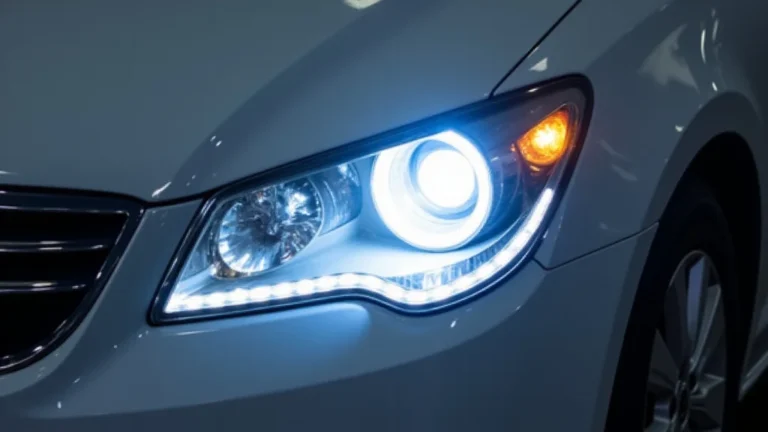
Changing Low Beam Headlight Bulbs: A Simple Step-by-Step Guide
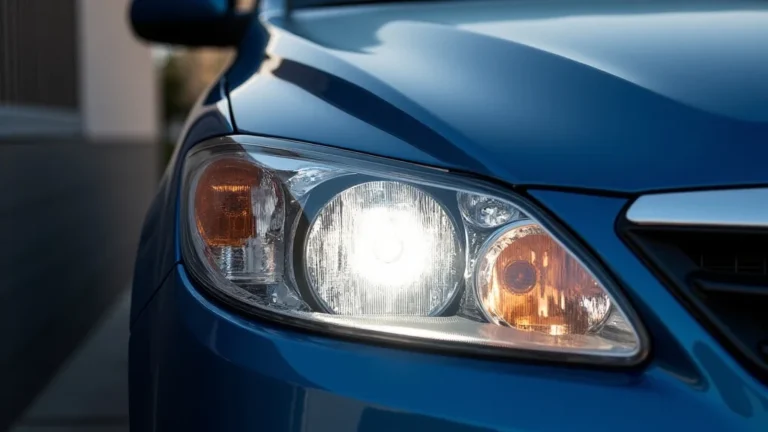
Replacing a low beam headlight bulb is something many drivers face. It can seem tricky at first because car designs vary, and access to the bulb isn’t always obvious. Don’t worry, though! How to change low beam headlight bulb is often easier than you think. This guide will help you, step-by-step, to get it done quickly. Let’s start with what you’ll need.
What You’ll Need to Change a Low Beam Headlight Bulb
Before you begin replacing your low beam headlight, you’ll need a few essential items. Having these ready will save you time and make the process smoother. The most important thing, of course, is the correct replacement bulb. The type of bulb your vehicle uses is specific to the model and year. You can usually find this information in your car’s owner’s manual or by searching online using your car’s make, model, and year. Another helpful tip is to check the old bulb itself, as it often has the bulb type printed on it. Aside from the bulb, you may need a few tools and safety equipment.
Necessary Tools and Safety Equipment
Having the right tools and knowing how to stay safe are key when you change your low beam headlight. These items will help you work efficiently and protect you from potential hazards. Safety should always be your top priority when working on any vehicle. While changing a headlight is a relatively straightforward task, it’s essential to take the proper precautions. You’ll also want to make sure you have the correct tools for the job to avoid damaging your vehicle. Proper preparation will ensure a successful and safe replacement.
- New Headlight Bulb: As mentioned, make sure it is the correct type. Check your owner’s manual or the old bulb.
- Gloves: Protect your hands from dirt and sharp edges.
- Safety Glasses: Protect your eyes from debris.
- Screwdriver: May be needed to remove clips or covers.
- Owner’s Manual: This will show you exactly where the bulb is and how to remove it.
The correct bulb type is the most critical item. Using the wrong bulb can result in poor lighting, damage to your vehicle’s electrical system, or even safety issues. Double-checking your vehicle’s manual or the old bulb’s markings helps ensure you get the right fit. It’s usually a good idea to purchase bulbs from a reputable auto parts store to guarantee quality and compatibility. There are different types of headlight bulbs available, including halogen, LED, and Xenon (HID), each with unique characteristics and lifespan.
Gloves prevent you from directly touching the bulb, particularly the glass part, which can affect its lifespan and performance. The oils from your skin can create hotspots and cause the bulb to fail prematurely. Gloves also provide an improved grip, especially if you have to work in a tight space. They are essential for keeping your hands clean and safe during the replacement process. You can choose from various types of gloves, including latex, nitrile, or mechanic’s gloves, depending on your preference and the job’s needs.
Safety glasses are a must-have for protecting your eyes from any dust, dirt, or fragments that may fall during the process. When you change your low beam headlight, debris can easily fall from around the housing or the old bulb itself. Protecting your eyes is a crucial safety measure that helps avoid injury and keeps you safe. Safety glasses provide a clear field of vision while effectively shielding your eyes. Make sure the glasses fit comfortably and provide full coverage.
A screwdriver is one of the most useful tools for removing any screws, clips, or covers that might be in the way of the headlight housing. The type of screwdriver required can vary depending on your car’s make and model, but a basic set containing Phillips head and flathead options usually covers most scenarios. A magnetic tip can be particularly helpful for retaining small screws during removal and reinstallation. Having a screwdriver close by can make the process faster and more efficient. Remember to be cautious when applying force to avoid stripping screws or damaging the plastic components.
Your owner’s manual contains specific instructions for your vehicle model. It is a fantastic resource for determining the correct type of bulb, locating the headlight assembly, and following the manufacturer’s suggested procedures. It also features diagrams and helpful tips. Consulting the owner’s manual can save you time and prevent potential damage to your car. Many vehicles have unique designs, and the manual will guide you through any specialized steps. It is a great place to start when learning how to change low beam headlight bulb.
Finding Your Low Beam Headlight Bulb and Assessing Access
Before you begin the replacement, you’ll need to locate your low beam headlight bulb. This often sounds simple but can differ between vehicles. The location varies depending on the car’s design, but it’s generally accessible from the engine compartment. In certain situations, you might need to remove parts like the air intake or a plastic cover for better access. Always refer to your vehicle’s owner’s manual for precise instructions about how to reach the headlight assembly. Next, you need to understand how to access the headlight housing.
Checking for Obstacles
Obstacles can range from simple things like wires and hoses to more complex parts like air intake systems. Before you start, open the hood and visually inspect the area around the headlight housing. Notice any components that might block your access. Some cars require you to remove parts such as the battery or air intake components. Being ready for these potential obstacles will help the process. You may need to use tools to detach clips, screws, or bolts, depending on the car design. Sometimes, a simple twist-and-release mechanism is present. Clear the area around the headlight assembly to ensure adequate working room.
- Inspect the engine compartment: Get a clear view of the headlight housing.
- Identify potential obstructions: Note any parts blocking access.
- Determine what needs to be removed or moved: Plan your approach.
- Consult the owner’s manual: This offers specific guidance.
A comprehensive inspection of your engine compartment is crucial. This lets you recognize any potential barriers to accessing the headlight assembly. Start by opening the hood and carefully examine the area surrounding the headlights. Note where the bulbs are located and what components, such as air intake boxes, reservoirs, or electrical wires, may obstruct your access. You’ll need to know which components you may need to move or remove to get the necessary clearance. You want a clear path for safely removing and replacing the bulb. A quick visual check will save time later.
Recognizing the possible obstructions is the next step. These obstructions can be anything from engine components to plastic covers. Pay close attention to anything that blocks your path to the headlight housing. The most typical obstructions include the air intake box, reservoirs for fluids like coolant or windshield washer fluid, and various electrical components. Once you understand what’s in the way, you can develop a strategy to deal with them. This may involve removing components using tools like a screwdriver, wrench, or pliers. Being ready for these types of obstructions can speed up your task.
After finding the obstructions, the next step is determining what you’ll need to remove or move to change your low beam headlight. This involves looking at the parts blocking your access and figuring out the best way to move them out of the way. Some parts might be easily removed, such as plastic covers attached with clips. Others, like the air intake box, might require more tools. Consult your owner’s manual for specific instructions on how to remove or move those components. Planning your approach will help you change the bulb safely and without damaging your car. Knowing these key steps helps when you change the low beam.
Your vehicle’s owner’s manual is an excellent resource for detailed instructions. It provides specific guidance for changing the low beam headlight, including illustrations and step-by-step procedures. The manual often includes diagrams showing the location of the headlight assembly, how to remove any obstructing parts, and what tools you’ll need. These instructions are typically tailored to your car’s make and model. Using the owner’s manual ensures you’ll follow the correct procedures, reducing the risk of damage to your car. Consulting the manual is a great step in the process when learning how to change low beam headlight bulb.
Step-by-Step Instructions: Changing Your Low Beam Headlight Bulb
Now that you have all the equipment and have assessed the area, it’s time to begin changing the low beam headlight bulb. This process is generally the same, but your car’s design may mean some steps differ slightly. Taking your time, working in a well-lit space, and following these directions will help the task be successful. Remember to wear gloves and eye protection for your safety. After you remove the old bulb, be sure to note its orientation before inserting the new one, as this is important for the beam pattern. The following steps should make the process easier.
Removing the Old Headlight Bulb
Removing the old bulb involves finding the headlight assembly, unplugging the electrical connector, and taking out the bulb itself. The specific method for accessing the bulb may vary depending on the vehicle. You will likely need to release a clip or twist the bulb to unlock it from the housing. Take care when handling the old bulb, as it can be hot if the headlights were recently on. Note the old bulb’s orientation before removing it to aid in installing the new bulb. Proper removal is important for a successful replacement.
- Disconnect the electrical connector: Unplug it from the bulb.
- Release the bulb: Check for clips or twists.
- Gently remove the old bulb: Avoid touching the glass.
To start, disconnect the electrical connector from the back of the headlight bulb. This connector delivers power to the bulb, so it needs to be removed before you can remove the bulb itself. The connector usually has a locking tab or clip that you’ll need to detach. Press the tab or clip and pull the connector away from the bulb. If it is stubborn, gently wiggle the connector until it releases. Ensuring the electrical connection is disconnected is a crucial safety step before continuing.
Once the electrical connector is disconnected, you need to release the bulb from its housing. This is typically done by releasing a retaining clip or twisting the bulb to unlock it. The design varies depending on your vehicle. Some bulbs are held in place by a wire clip that you can simply unhook. Others might be held in place with a twist-and-lock mechanism. Inspect the housing carefully to recognize how the bulb is fixed in place. Once you understand the mechanism, release the bulb. If you’re unsure, consult your owner’s manual for specific instructions.
Once you’ve released the bulb from the housing, gently remove it. Be cautious, and avoid touching the glass part of the bulb with your bare hands, as the oils from your skin can cause it to fail prematurely. Wear gloves to ensure a better grip. Pull the bulb straight out of the housing if possible. If the bulb doesn’t come out easily, double-check that you’ve released any clips or locks. Take your time, and avoid using excessive force. Once the bulb is out, inspect the housing for any debris.
Installing the New Headlight Bulb
After the old bulb is removed, installing the new one is the next step. Handle the new bulb carefully to prevent damage. You’ll want to avoid touching the glass part with your bare hands. Position the new bulb into the housing, and secure it with the clip or twist-lock mechanism. Finally, reattach the electrical connector to complete the installation. Make sure the bulb is securely in place to ensure proper function. Once the new bulb is secured, you’re nearly done.
- Insert the new bulb: Align it properly.
- Secure the bulb: Use clips or twist locks.
- Reconnect the electrical connector: Ensure a tight connection.
Insert the new bulb into the headlight housing. The critical aspect is to make sure it’s correctly aligned. Most bulbs have tabs or a specific shape to help with alignment. Refer to your owner’s manual or the old bulb’s position for correct placement. Gently push the bulb into the housing until it seats securely. It should fit snugly without being forced. Take your time, and ensure it’s straight to maximize light output and prevent damage to the bulb. Carefully aligning the bulb is a key part of the process when learning how to change low beam headlight bulb.
Secure the new bulb in place. This involves attaching the retaining clip or twisting the bulb to lock it into the housing. This mechanism keeps the bulb firmly in place, helping ensure the light beam is correctly aimed. Make sure that the clip is securely fastened or that the bulb is completely locked into place. You want the bulb to be secure and not vibrate or move while you drive. Once the bulb is in place, you are ready to reattach the electrical connector.
Reconnect the electrical connector to the back of the new bulb. Firmly push the connector until you hear a click or feel it lock into place. This click is a sign that the connection is secure. Check the connection to make sure it is fully seated and does not wiggle. A tight, stable connection guarantees that the bulb will get the power it needs to function correctly. This is one of the last steps, and it is a necessary one.
Testing and Final Steps
After installing the new bulb, it’s essential to test it to ensure it functions correctly. Make sure you switch on your headlights to check if the new bulb lights up. Examine the beam pattern to ensure the light is correctly focused. If the light does not work, double-check the bulb’s installation and the electrical connections. Once the new bulb is working correctly, you may need to reinstall any covers or components you removed for access. Once these last steps are completed, your job is done.
Verifying the Headlight
Verifying the headlight is the crucial final step to ensure your work was successful. Turn on your headlights and check to see if the new bulb illuminates. It should produce a bright, consistent light that matches the other headlight. Check the beam pattern for any anomalies. Ensure the light shines correctly on the road, without being too high or too low. If the new bulb doesn’t light up, double-check the installation. This test is a critical step after replacing your headlight.
- Turn on the headlights: Test the new bulb.
- Check the beam pattern: See if it shines correctly.
- Check for any errors: Ensure the bulb is functioning.
After the new bulb has been installed, the first thing to do is turn on your headlights. You’ll want to check to see if the new bulb lights up. This is a straightforward, yet essential step to confirm that the new bulb is working correctly. Sit in your car and turn on your headlights to test the low beam function. If the bulb doesn’t light up, double-check that the electrical connection is secure and that the bulb is correctly positioned. Confirming the light is on is a vital step in learning how to change low beam headlight bulb.
Check the beam pattern after turning on the headlights. The beam pattern refers to how the light is distributed on the road. The beam pattern should be aligned correctly, not pointing too high or too low, to avoid blinding other drivers or poor visibility. Look for any unusual patterns or areas of dimness. You may need to adjust the headlight aiming if the beam pattern is incorrect. The beam pattern is a crucial aspect of headlight function. Make sure the light correctly shines on the road, providing proper illumination.
Confirm the new bulb is functioning correctly. Check for any errors or problems. Ensure the headlight gives a bright, even light output. Ensure the light color matches the other headlight. If you notice any problems, check the bulb’s installation to make sure it’s properly seated. Also, check the electrical connections to ensure they are secure and properly connected. Resolve any issues you find before hitting the road. This step ensures that your new headlight works correctly and provides the needed light.
Reassembling and Finishing Up
Once you confirm the new bulb is working, you will need to reassemble any parts you removed. This might involve reinstalling the access panels or other components. Make sure all parts are securely fastened and that nothing is loose. Before closing the hood, make one more check to ensure the headlights are functioning. Double-check your work to ensure a safe and successful repair. Following these final steps will give you peace of mind.
- Reinstall any removed components: Put everything back.
- Double-check everything: Confirm everything is secure.
- Close the hood: Your work is complete.
Reinstall all of the components you had to remove for access. This will include any covers, panels, or other items you removed from your car. Make sure you put each component back in its original position. Ensure it is firmly secured. This protects your vehicle and ensures everything is functioning correctly. Proper reassembly is essential to prevent any problems while driving. Ensure that all the components are correctly fastened and installed. This completes your work on your car.
Before closing the hood, double-check everything one last time. Make sure all the components are correctly reinstalled, and that all fasteners are secure. Also, check the headlight’s function. Turn on the headlights and make sure the new bulb lights up correctly and that the beam pattern is accurate. Taking this final moment for a thorough inspection prevents any potential issues. This step confirms that the new headlight is installed correctly and will work well on the road.
Once you have finished reassembling and checked everything, you can close the hood. After the hood is closed, the
Common Issues and Troubleshooting
Sometimes, things don’t go as expected, and you might encounter problems. One common issue is that the new bulb doesn’t light up after installation. If this happens, begin by verifying that the bulb is the correct type for your vehicle and is properly seated. If the bulb still doesn’t light up, check the electrical connections to ensure they are connected and free of corrosion. If you’ve tried everything and the new bulb still doesn’t work, there may be an electrical issue. Then, you may need a professional. Troubleshooting is a normal part of vehicle maintenance.
Troubleshooting No Light
If the new bulb doesn’t turn on, start by making sure the bulb is correctly installed. Ensure that it’s the right type for your car, and it’s securely in place. Then, double-check the electrical connections. Make sure they are fully connected and not damaged. If the connections look damaged,
- Verify the bulb type: Ensure it matches your car.
- Check the electrical connections: Are they secure?
- Inspect the fuses: The fuse may be blown.
- Seek professional assistance: Ask for expert help.
Double-check the bulb type to make sure you have the right one. The correct bulb type is printed on the old bulb. The bulb’s correct type is essential for proper function. Make sure it matches your car model’s specifications. Using the wrong bulb can cause it not to work, or it could even damage your car’s electrical system. Consulting your owner’s manual or an auto parts store is a good idea if you are unsure about the correct bulb type. Double-checking the bulb type before installation will save you time and prevent unnecessary issues.
Electrical connections must be securely connected. Start by checking the electrical connectors connected to the new bulb. Make sure these connectors are properly attached and not damaged. A loose or damaged electrical connection can prevent the bulb from receiving power. Inspect the wiring and connectors for any signs of corrosion or damage. If you see damage, repair or replace the connector. Secure electrical connections are essential for the bulb to function, so make sure to check them before you begin.
If the bulb does not light up after these steps, inspect the fuses. A blown fuse can interrupt power to the headlight. Check your car’s fuse box, and locate the fuse that supplies power to the headlights. Refer to your owner’s manual to find the exact location of this fuse. If the fuse is blown,
If the bulb continues to have issues, you should seek professional assistance. Electrical issues can be difficult. A professional mechanic can find any underlying electrical problems and repair them. A mechanic will have the proper tools and expertise to find the problem safely. When in doubt, it is best to consult a professional. If you are facing difficulty when learning how to change low beam headlight bulb, then ask a professional.
Dealing with Moisture or Fog
Fog or moisture inside the headlight lens is another common problem. If you spot moisture, you must address the issue promptly. Water inside the headlight can reduce light output and potentially damage the electrical components. Ensure the headlight housing is sealed correctly. If the moisture persists, consider consulting a mechanic for further inspection. If you have moisture inside the headlight, it is a good idea to deal with it quickly.
- Inspect the headlight seals: Confirm they are intact.
- Check the ventilation: Ensure the vents are clear.
- Address persistent moisture: Consult a mechanic.
Inspect the headlight seals for any issues. The seals around the headlight housing must be intact to prevent moisture from entering. Check the rubber seals and any other sealing components. Look for cracks, tears, or any signs of wear and tear. If you find any damage, replace the seals. This will help maintain a waterproof seal. Proper seals are essential to prevent moisture buildup inside the headlight housing. Checking the seals can prevent potential moisture problems. Good seals are an essential part of the process when learning how to change low beam headlight bulb.
If the headlight has ventilation, verify that the vents are clear and unblocked. Headlights are designed to breathe. They have vents to release moisture. These vents may be blocked by dirt or other debris. Clear any obstructions from the vents to make sure the headlight can release moisture. Ensuring good ventilation is crucial to prevent fogging and condensation inside the headlight lens. A clean ventilation system is an important part of the care of your headlights.
If the problem persists, despite checking the seals and ventilation, it’s time to seek a mechanic. Constant moisture can damage the electrical components of your headlight and reduce its lifespan. A professional can diagnose the root cause of the problem. They can provide solutions. If moisture is present, get it addressed quickly. Persistent moisture can lead to electrical issues and lower headlight performance. Dealing with the moisture will protect the electrical parts.
Frequently Asked Questions
Question: What tools do I need to replace a low beam headlight bulb?
Answer: You will typically need the correct replacement bulb, gloves, safety glasses, and a screwdriver. Consult your owner’s manual for specific tool recommendations.
Question: How can I find the correct type of headlight bulb for my car?
Answer: Check your car’s owner’s manual or search online using your car’s make, model, and year. You can also often find the bulb type printed on the old bulb.
Question: What should I do if the new headlight bulb doesn’t work after installation?
Answer: Double-check the bulb type, ensure the bulb is seated correctly, and verify the electrical connections are secure. If the issue persists, check the fuse.
Question: Is it safe to touch a headlight bulb with my bare hands?
Answer: It’s best to avoid touching the glass part of the bulb with your bare hands, as the oils from your skin can cause it to fail prematurely. Always wear gloves.
Question: What should I do if there is moisture inside my headlight?
Answer: Check the headlight seals and ventilation. If the moisture persists, consult a mechanic to diagnose and resolve the issue.
Final Thoughts
Replacing a low beam headlight bulb can seem hard, but with the correct tools, some simple steps, and a little patience, it’s a job most drivers can do. Knowing how to change low beam headlight bulb can save you time and money. The key is to start by gathering the right tools, finding the correct bulb, and following the steps. Always prioritize safety, and don’t hesitate to refer to your car’s owner’s manual for model-specific instructions. If you face any issues, troubleshoot the problem. Keep your headlights working properly to stay safe on the road. Now, you’re ready to illuminate the road ahead.