How to Adjust Projector Headlights: A Simple Guide for Drivers
Figuring out how to adjust projector headlights can sometimes feel tricky. It’s a common concern for drivers, especially if you’re new to car maintenance. Don’t worry, though; it’s a process most people can manage at home. You might find conflicting information or complex explanations online. However, getting your headlights aligned is usually straightforward. This guide will provide a clear, step-by-step approach to help you get the job done easily. Let’s explore how to get your headlights shining where they should.
Understanding Projector Headlights and Their Purpose
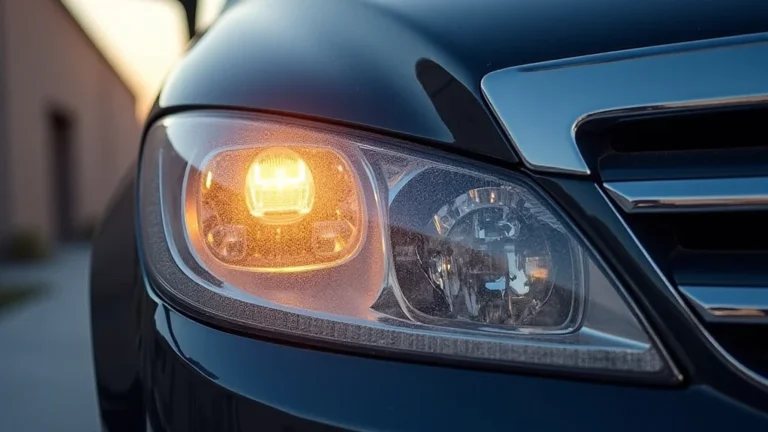
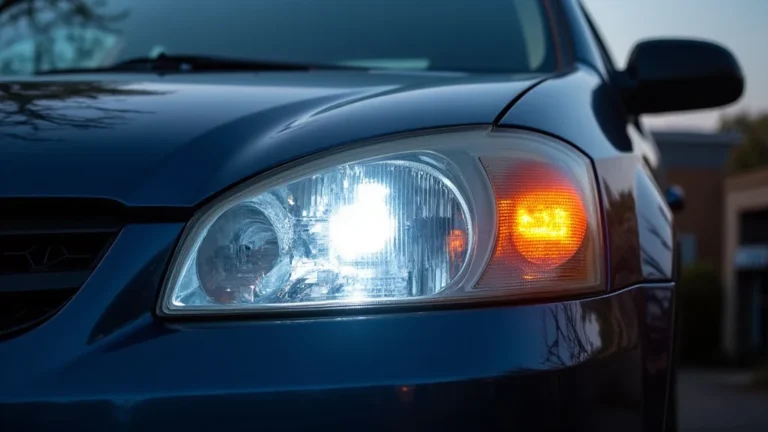
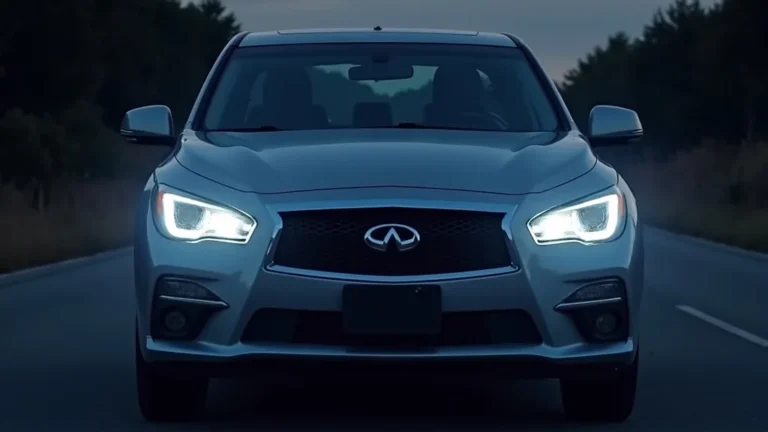
Projector headlights, also known as “projector beam” headlights, are a type of headlight system used in many modern vehicles. Unlike older reflector headlights, projector headlights use a lens to focus the light from the bulb. This design offers several advantages over traditional systems. The focused beam creates a more intense and controlled light pattern. This means the light is directed more precisely onto the road and minimizes light scatter, reducing glare for oncoming drivers.
Projector Headlight Basics
The core of a projector headlight is the projector module. This module contains several components that work together to focus and direct the light. Inside the module, you’ll find a light source, often a halogen, xenon (HID), or LED bulb. Behind the light source is a reflector, which bounces the light forward. A key part is the lens. This lens is what gives projector headlights their distinct look and is responsible for focusing the light into a concentrated beam. It’s usually made of glass or high-quality plastic. Lastly, there’s a cutoff shield or a shutter system that shapes the light beam. This is usually the characteristic that forms the sharp horizontal line that defines where the light shines.
- Light Source: The bulb is the heart of the headlight. Halogen bulbs are the most common and cheapest, giving off a warm, yellow light. HID (High-Intensity Discharge), or xenon, bulbs produce a brighter, whiter light. LEDs (Light Emitting Diode) are the newest, most efficient option, known for their brightness and long life.
- Reflector: The reflector sits behind the bulb and is crucial for collecting the light and directing it towards the lens. The quality and design of the reflector are important for the efficiency of the light output.
- Lens: The lens takes the light from the reflector and focuses it into a beam. The shape and quality of the lens affect how far and wide the light shines. The lens also affects the appearance, determining the “cut off” line.
- Cutoff Shield/Shutter: This element defines the upper edge of the light beam. It’s what prevents the light from shining upward into oncoming drivers’ eyes. Some projector headlights use a cutoff shield, while others use a shutter system that can adjust the beam for high and low beams.
Advantages of Projector Headlights
Projector headlights have become a standard feature due to several key benefits. First, they provide better light distribution than reflector headlights. This results in a brighter, more focused beam that illuminates the road more effectively. This concentrated beam reduces light scatter. This means less light is wasted and less glare for other drivers. This feature contributes to improved nighttime visibility for the driver and helps make the road safer for everyone. Another benefit is the ability to incorporate more advanced lighting technologies. LED and HID bulbs, common in projector systems, offer greater energy efficiency and a longer lifespan. Projector headlights also contribute to the modern look of vehicles.
- Improved Light Distribution: The focused beam pattern concentrates light where it’s needed most, increasing visibility.
- Reduced Glare: The cutoff shield minimizes light shining upward, reducing glare for oncoming drivers.
- Enhanced Aesthetics: The design allows for a more modern and stylish headlight appearance.
- Energy Efficiency: Projector headlights can use more efficient bulbs, like LEDs, saving energy.
- Advanced Lighting Options: Projector headlights support advanced features, like adaptive headlights that adjust the beam based on steering and speed.
Tools and Preparation Needed to Adjust Projector Headlights
Before you begin the process of adjusting your headlights, you’ll need a few essential tools and prepare your vehicle. Gathering these items beforehand will make the entire process easier and more efficient. Remember that safety is a priority. Ensure your vehicle is parked on a level surface, and take the time to work in a well-lit area. This is essential for ensuring your headlights are correctly adjusted.
Essential Tools for Headlight Adjustment
The tools required for headlight adjustment are typically simple and accessible. You probably already have most of them. These tools allow you to make the necessary adjustments to the headlight’s vertical and sometimes horizontal alignment. Always check your vehicle’s owner’s manual for specific instructions and tool recommendations, as some cars may require specialized tools or procedures. Using the right tools will make the process easier and help you achieve the best results.
- Screwdriver: This will likely be the most important tool. You may need a Phillips-head or a flat-head screwdriver to access and turn the adjustment screws. The type of screwdriver needed depends on your car model.
- Measuring Tape: To measure the distance from the ground to the center of your headlights. This measurement helps you determine the correct aiming height.
- Level Surface: A flat, level surface is necessary to ensure your vehicle is parked correctly. A garage floor or a level stretch of pavement works well.
- Tape: To mark the headlight positions on the wall. Masking tape is recommended.
- Gloves: To keep your hands clean.
- Owner’s Manual: To locate the adjustment screws and get specific instructions for your car.
Preparing Your Vehicle for Headlight Adjustment
Proper preparation is key to a successful headlight adjustment. The goal is to make sure your vehicle is in a stable and representative condition. Start by parking your vehicle on a level surface, such as a flat driveway or garage floor. Make sure the tires are properly inflated. Check your car’s load. The weight in your vehicle can affect headlight aim. If you usually have passengers or cargo in the car, try to duplicate that load during the adjustment process. Turn on your headlights and let them warm up for a few minutes before you begin to make adjustments. This allows the light output to stabilize.
- Level Surface: Ensure the car is parked on a level surface to prevent incorrect adjustments.
- Tire Pressure: Verify the tire pressure is set to the manufacturer’s recommended levels.
- Load Condition: Try to match the typical load in your car (empty or with passengers/cargo).
- Headlight Warm-up: Turn on the headlights for a few minutes to stabilize the light output.
- Wall Preparation: Position the car a certain distance from a wall (usually 25 feet). Mark the centerlines of the headlights on the wall.
Step-by-Step Guide: How to Adjust Projector Headlights
Now that you’ve gathered your tools and prepared your vehicle, it’s time to get down to the process of actually adjusting your projector headlights. The steps are designed to be clear and easy to follow, even if you’re new to car maintenance. Remember to work slowly and carefully. If you’re unsure about any step, consult your vehicle’s owner’s manual or seek professional assistance. It’s better to take your time and do it right to ensure your headlights are providing the best possible illumination while also being safe for other drivers.
Finding the Adjustment Screws
The first step in adjusting your projector headlights is locating the adjustment screws. These screws are typically found on or near the headlight assembly. They control the vertical and horizontal aim of your headlights. The exact location of these screws can vary depending on your vehicle make and model. Consult your owner’s manual to find the exact location for your car. Often, you’ll find one screw for vertical adjustment (up and down) and another for horizontal adjustment (left and right).
- Owner’s Manual: Your vehicle’s manual is the best resource for the exact location of the adjustment screws.
- Headlight Assembly: The screws are usually on the back or side of the headlight assembly.
- Vertical Adjustment Screw: This screw controls how high or low the headlights shine.
- Horizontal Adjustment Screw: This screw controls the left-to-right alignment of the headlights.
- Inspection: Carefully inspect the headlight assembly for the adjustment screws.
Vertical Headlight Adjustment
Vertical adjustment is often the most important part of the process, as it controls the up-and-down aim of your headlights. Incorrect vertical alignment can lead to either poor visibility (if the headlights are aimed too low) or glare for other drivers (if the headlights are aimed too high). Typically, you’ll want to adjust the headlights so that the top of the beam hits a certain point on the wall at a specific distance from the car. The ideal height will depend on your vehicle, so check your owner’s manual for specific instructions.
- Park the Car: Position your vehicle a specific distance (usually 25 feet) from a wall on a level surface.
- Mark the Height: Measure the height from the ground to the center of your headlights and mark this height on the wall using tape.
- Find the Cutoff: Turn on your low beams. The cutoff line (the top edge of the bright light) should be slightly below the marked height on the wall.
- Adjust the Screw: Use a screwdriver to turn the vertical adjustment screw. Turning the screw clockwise will usually raise the beam, and counterclockwise will lower it.
- Check and Repeat: Adjust each headlight until the cutoff line is at the correct height and alignment on the wall.
Horizontal Headlight Adjustment
Horizontal adjustment ensures that your headlights are aligned properly from left to right. This adjustment ensures that your headlights are pointing straight ahead and are not angled to the left or right, which can decrease visibility or direct light away from the road. While vertical adjustment is often more critical, horizontal adjustment ensures your headlights provide the best possible coverage of the road. It also prevents light from shining into the eyes of oncoming drivers.
- Straight Ahead: Make sure the car is parked straight and that the headlights are not angled.
- Beam Alignment: Look at the beam pattern on the wall. The brightest part of the beam should be centered.
- Identify the Screw: Locate the horizontal adjustment screw.
- Adjust the Screw: Turn the screw to move the headlight beam left or right.
- Check and Repeat: Ensure both headlights are aligned correctly.
Testing and Fine-tuning the Adjustments
After making the initial adjustments, it’s essential to test and fine-tune your headlights to ensure they’re providing the best visibility and not causing glare. Drive the vehicle on a road with different conditions (dark roads, curves, hills) and observe how the headlights perform. If you are still not satisfied with the light distribution, or if you notice any glare, go back and make small adjustments. A few test drives are a good idea. This is also a good opportunity to evaluate the high beams, to make sure they shine where they need to.
- Road Test: Drive the car at night on a familiar road.
- Visibility: Check that the headlights illuminate the road adequately.
- Glare Check: Drive toward a wall or a building to see if the headlights cause any glare.
- Fine-tune: Make small adjustments based on the road test.
- Professional Check: If you’re unsure, have a professional inspect the headlights.
In the United States, several states may require headlight inspections as part of their annual or biennial vehicle safety checks. These inspections often check the headlight alignment to ensure it meets the required standards. Here are a few examples of states that may have headlight inspection requirements:
- New York: Annual inspections include headlight alignment checks.
- Pennsylvania: Safety inspections include headlight checks, especially for vehicles older than a certain age.
- California: Though not mandated statewide, certain areas may include headlight checks in their local safety inspections.
| State | Inspection Type | Headlight Check |
|---|---|---|
| New York | Annual | Alignment and Function |
| Pennsylvania | Annual | Alignment and Function |
| California | Local Inspections | Alignment and Function |
Common Issues and Troubleshooting for Headlight Adjustments
Sometimes, even after following the steps, you might encounter issues during headlight adjustments. These problems can range from difficulty finding the adjustment screws to not achieving the desired light pattern on the road. Do not get discouraged! Many common problems have straightforward solutions. Understanding these issues and how to troubleshoot them will help you successfully adjust your projector headlights. Here are some solutions to frequently asked questions.
Difficulty Finding Adjustment Screws
The adjustment screws can sometimes be hard to locate, especially if you’re not familiar with your car’s headlight assembly. The location of the screws varies by make and model. They are often hidden behind panels or located in tight spaces. You may need a flashlight and some patience to find them. The owner’s manual is your best resource. If you still can’t find them, consider looking online for diagrams of your specific vehicle’s headlight assembly or looking for online videos. If you are still having trouble, consider a professional inspection.
- Consult the Owner’s Manual: This will show you exactly where the adjustment screws are located.
- Use a Flashlight: To help you see into tight spaces and find the screws.
- Check Online Resources: Look for videos or diagrams specific to your vehicle model.
- Professional Assistance: If you are still having problems, consider having your headlights checked by a professional.
Headlights Still Not Aimed Correctly
Sometimes, even after adjusting the screws, your headlights may not be aiming correctly. This might be due to several factors. Ensure you’ve followed the steps in the correct order. The adjustment screws may be stuck or damaged. Examine the headlight assembly for any damage or obstructions. If you still encounter problems, seek professional help. A technician can diagnose the problem and fix it.
- Double-Check Your Work: Make sure you have followed the steps.
- Inspect the Screws: Ensure they are not damaged or stuck.
- Check for Obstructions: Make sure that nothing is blocking the headlight beam.
- Seek Professional Help: If you can’t diagnose the issue, consult a mechanic or headlight specialist.
Headlight Glare Problems
One of the most common issues after adjusting headlights is glare. Glare happens when the headlights shine too high, causing bright light to shine into the eyes of other drivers. The most likely cause is incorrect vertical adjustment. The cutoff line of the low beams should be aimed slightly below the level of the headlights. Make sure the car is on a level surface when you make adjustments. If the glare continues, make small adjustments to the vertical screw. If you have HID or LED bulbs, ensure they are correctly installed; incorrect bulb placement can cause glare.
- Check Vertical Alignment: Make sure the low beams are aimed correctly, slightly downward.
- Level Surface: Ensure that your vehicle is on a level surface.
- Bulb Installation: Verify that the bulbs are installed correctly, especially HID or LED bulbs.
- Professional Check: If glare persists, have a professional check your headlights.
Frequently Asked Questions
Question: How often should I adjust my headlights?
Answer: It’s good practice to check your headlight alignment periodically, especially if you notice a change in the light pattern or after any work done on your front end (like replacing a bulb). Also, consider adjusting them if you regularly carry heavy loads in your vehicle. Check them at least once a year to ensure your headlights are providing proper light output.
Question: Can I adjust my headlights if I have HID or LED bulbs?
Answer: Yes, you can adjust your headlights regardless of the bulb type (halogen, HID, or LED). The adjustment process is the same. However, ensure that your bulbs are properly installed and that the headlights are designed for your chosen bulb type. Also, ensure that the light output doesn’t cause glare.
Question: What’s the best distance to park from the wall during adjustment?
Answer: The ideal distance varies depending on your vehicle and is usually specified in your owner’s manual. A common distance is 25 feet (7.6 meters). This distance helps you get an accurate assessment of the headlight beam pattern.
Question: What if my adjustment screws are not working?
Answer: If the adjustment screws aren’t working, they might be stuck, damaged, or corroded. Try lubricating the screws with a penetrating oil to free them up. If this doesn’t work, you may need to replace the headlight assembly, or consult a mechanic. Do not force the adjustment screws, as this could lead to damage.
Question: Can I damage my headlights if I adjust them incorrectly?
Answer: It’s unlikely that you’ll cause permanent damage by simply adjusting your headlights. However, if you force the adjustment screws or make extreme adjustments, you could potentially damage the headlight assembly. To ensure safety, follow the steps and always consult your owner’s manual. If you’re unsure about any step, it’s best to seek professional help.
Final Thoughts
Now, you have a solid grasp of how to adjust projector headlights. You’ve explored the importance of these headlights, the tools you’ll need, and the steps to follow for accurate adjustment. Remember that it’s a straightforward process, and with some patience and the right steps, you can greatly improve your nighttime visibility and overall driving safety. The key is to start by gathering the correct tools, parking on a level surface, and making small adjustments. If you’re comfortable with basic car maintenance, you can save money and ensure that your headlights are properly aligned. Don’t hesitate to consult your owner’s manual or seek professional help if needed. By taking the time to adjust your headlights, you’re investing in your safety and the safety of others on the road.