How Much Does It Cost to Replace Headlights? A Simple Guide
Figuring out how much does it cost to replace headlights can feel tricky, especially if you’re new to car repairs. Prices change based on your car type, the kind of headlights you pick, and where you go to get them fixed. Don’t worry, though. This guide makes it easy to explore what you need to know. We’ll break down all the important parts to help you figure out the costs. Next, we’ll look at the different kinds of headlights and how they affect the price.
Types of Headlights and Their Impact on Cost
When it comes to your car’s headlights, there’s more than meets the eye! Different types of headlights are available, and each has its own cost and features. Understanding these options is the first step in knowing how much does it cost to
Halogen Headlights
Halogen headlights are common and the most budget-friendly option. They work by heating a tungsten filament inside a glass bulb, which then produces light. These lights are simple to produce, which makes them inexpensive to purchase and replace. While they offer decent visibility, they don’t last as long as other types, and they’re not as bright. These bulbs also tend to use more energy than more advanced types. Because of their lower price, many cars have halogen lights, especially older models or base trims of newer cars.
- Cost-Effective Choice: Halogen headlights are usually the most affordable choice, making them a good option if you’re on a budget.
- Easy Availability: You can find replacement halogen bulbs easily at most auto parts stores, which makes it simple to get them when needed.
- Simple Installation: Replacing a halogen bulb is a straightforward process that many people can do themselves, saving on labor costs.
Halogen lights are often the easiest to replace on your own. Many vehicles have a simple access panel behind the headlight assembly. You just pop open the access panel, unplug the old bulb, and plug in the new one. The process usually takes less than 15 minutes. This ease of replacement makes halogen headlights a convenient choice for many car owners. They’re a basic yet functional choice that provides adequate lighting for many drivers.
HID (High-Intensity Discharge) Headlights
HID headlights, also known as xenon headlights, use an electric arc between two electrodes to ignite xenon gas within the bulb. This process creates a brighter, more intense light than halogen bulbs. HID headlights have a distinctive blue-ish tint and provide better visibility, especially at night or in low-light conditions. They are often a step up from halogen bulbs, but can be more costly. The cost of HID lights reflects their more complex technology and brighter light output.
- Superior Brightness: HID headlights provide a much brighter light, improving visibility and making driving at night safer.
- Longer Lifespan: HID bulbs often last longer than halogen bulbs, reducing the need for frequent replacements.
- Enhanced Visibility: The brighter light of HID headlights improves your ability to see the road and react to potential hazards.
HID lights sometimes need special ballasts and igniters to work, adding complexity to the replacement process. The light’s intensity can be impressive, improving the driver’s ability to see further ahead, and improving reaction times. Despite the higher cost than halogen, many drivers consider HID headlights a worthwhile investment for safety and better driving.
LED (Light-Emitting Diode) Headlights
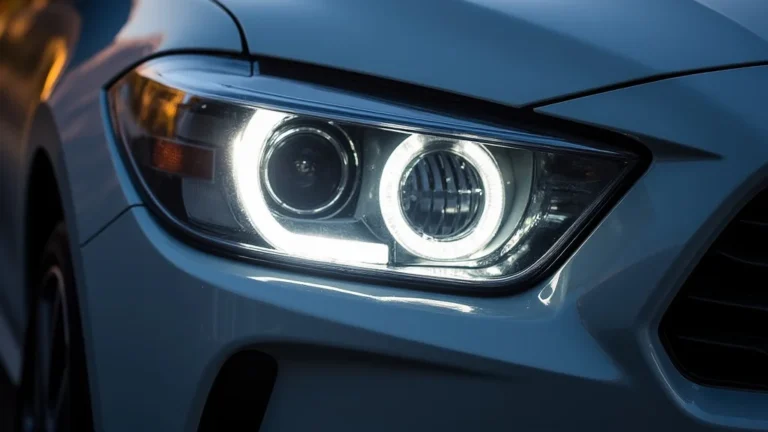
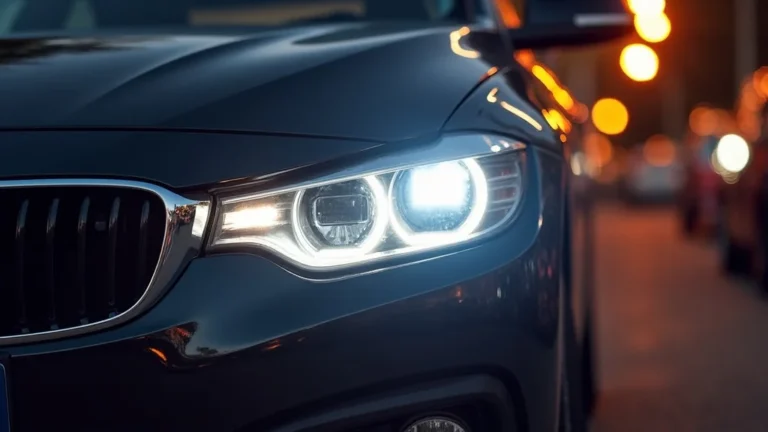
LED headlights use light-emitting diodes to produce light. They’re becoming increasingly popular because of their efficiency, brightness, and long lifespan. LED lights shine in a variety of color temperatures, making them a sleek, modern choice. They are often brighter than both halogen and HID lights, and they use less energy. The cost of LED headlights has decreased, but they still may be more expensive than halogen bulbs. They are often a top option for newer cars because of their energy efficiency and performance.
- Energy Efficiency: LED headlights use less energy than halogen or HID lights, which helps to improve fuel economy.
- Long Lifespan: LEDs have a very long lifespan, reducing the need for replacements and saving money.
- High Brightness: LED headlights provide excellent brightness, similar to or exceeding HID lights, improving visibility on the road.
LED headlights are a great option for people who want better visibility, long-lasting performance, and lower energy consumption. They also tend to have a crisp, white light that some drivers find more appealing. As technology advances, LED headlights continue to become more affordable. Their combination of efficiency, brightness, and durability makes them a smart choice for many drivers.
Factors Influencing the Replacement Cost
The total price you’ll pay when figuring out how much does it cost to replace headlights includes many things. The type of headlight you need is only one piece of the puzzle. Things like the car’s make and model, the labor costs if you’re getting them replaced by a professional, and where you buy the parts all influence the final price. Understanding these factors will help you make a budget and plan for any unexpected expenses. It’s smart to explore each of these factors to know exactly what you might spend and make the best decision for your needs.
Vehicle Make and Model
Your car’s make and model are huge in determining how much you will pay to replace headlights. Some cars have unique headlight designs or require specialized parts, making replacements more difficult and costly. For example, replacing headlights on a luxury car might be more expensive than replacing them on a more common, basic model. This is because luxury cars often have more advanced lighting systems and designs. Headlight prices can change a lot depending on the type of car you have.
- Specialized Parts: Luxury vehicles often need unique parts that are not as readily available as those for regular cars. This can increase both part costs and repair time.
- Labor Complexity: Some cars have complicated headlight assemblies that require more labor to replace. This can result in higher labor costs.
- Availability: The availability of parts can vary. Some cars have widely available parts, while others might require special orders or longer wait times.
Always have your vehicle’s make, model, and year ready when you get a quote. This helps auto parts stores and repair shops quickly determine the correct parts and labor. Researching different options for your car’s model will help you find the best prices. It allows you to make informed decisions about your car. The right information allows you to easily find the lights, ensuring a good fit and helping manage costs.
Labor Costs for Professional Replacement
If you choose to have a professional replace your headlights, labor costs will factor into the total price. These costs change based on where you take your car, the complexity of the repair, and the mechanic’s hourly rate. Some shops charge a flat fee for headlight replacement, while others will charge by the hour. Prices can vary greatly from one location to another, so exploring prices is important before making a decision. Knowing the labor costs helps you decide if doing the job yourself is better.
- Shop Rates: Different repair shops charge different rates per hour. Dealerships and specialized auto repair shops may charge higher rates.
- Complexity of the Job: Some headlight replacements are more difficult than others. Complex repairs, such as those that require removing the bumper, will cost more.
- Time Required: The amount of time it takes to replace the headlights affects the labor costs. More complicated jobs will take longer and cost more.
Exploring estimates from several repair shops allows you to compare costs and find a price that fits your budget. Ask for an itemized estimate so you know what you are paying for. You’ll better know if parts are a significant part of the cost or if labor is the main factor. Labor costs usually make up a large part of the total replacement cost. Considering your options helps you choose the most cost-effective solution.
Part Prices and Where to Buy
The cost of the headlight bulbs or assemblies is a major part of the overall cost. Prices vary greatly depending on where you buy the parts. Auto parts stores, online retailers, and dealerships all offer different prices and options. If you know how much does it cost to replace headlights, finding the best deals involves researching different stores. Quality can also vary, so you must consider how much you are willing to pay and how often you will need to replace them.
- Auto Parts Stores: These stores often have a good selection of parts at competitive prices. You can explore a variety of brands and types of headlights.
- Online Retailers: Online retailers can have lower prices and a broader selection, but you need to wait for shipping. Compare prices from multiple sellers.
- Dealerships: Dealerships sell original equipment manufacturer (OEM) parts, which can be more expensive. They are often a good option for specific or complex systems.
Compare prices from various sources to find the best deal. Reading reviews can help you determine the quality of parts. This is important when choosing parts online. Consider your needs and budget when deciding where to buy your headlights. The price of parts is a key part of the total cost, so explore your choices carefully. This way, you can get the best balance of cost and quality.
Step-by-Step Replacement Guide
If you’re comfortable with basic car maintenance, replacing your headlights yourself can save you money. The procedure is typically straightforward, though it can change based on your car’s make and model. If you’re wondering how much does it cost to replace headlights on your own, it primarily involves the cost of the parts. Here’s a general guide. Be sure to explore your vehicle’s manual for specific instructions.
Preparing for the Replacement
Before you begin, gather the necessary tools and supplies. You will also need to ensure that the car is safe and in the right condition for working. This involves things like finding the right location, collecting your supplies, and taking important safety precautions. This preparation helps make the process smoother and safer. Setting yourself up correctly saves time and lowers the risk of problems.
- Gather Your Tools: You will likely need a screwdriver, pliers, and possibly a socket set. Your car’s manual will tell you the exact tools you will need.
- Buy the Correct Headlights: Make sure you have the correct type and size of replacement headlights for your car.
- Choose a Safe Location: Park on a flat, level surface and engage the parking brake.
Make sure you have all the tools and parts needed for the job. Read your car’s manual to find the exact steps for your car’s model and year. This will ensure you have everything needed before starting. Safety is important, so ensure your car is safely parked. Prepping the work area helps create a smooth and efficient repair process. It also avoids delays during the replacement.
Removing the Old Headlight
The next step is to remove the old headlight. This usually involves opening the hood and accessing the back of the headlight assembly. Carefully disconnect any electrical connections and remove any retaining clips or screws holding the old headlight in place. Depending on your car, this could involve removing a cover or accessing the light from inside the engine compartment. Be gentle and careful when removing parts. This prevents damage to surrounding components.
- Locate the Access Point: Open the hood and find the access panel or the rear of the headlight assembly.
- Disconnect Electrical Connections: Carefully unplug the electrical connector from the headlight bulb.
- Remove Retaining Clips/Screws: Detach any clips or screws that secure the headlight assembly.
The exact process for removing the old headlight varies based on your car model. Always consult your car’s manual for specific instructions. Be patient and take your time. This can avoid breaking parts or causing extra damage. Once the old headlight is out, it’s a good time to check the condition of the connections and wiring. It may also provide you with details to help you clean the area before putting the new headlight in.
Installing the New Headlight
Once you’ve removed the old headlight, install the new one. Line up the new headlight assembly with the opening. Secure it using the same screws and clips you removed earlier. Reconnect the electrical connections. Make sure everything is fitted securely before closing the hood. This can help prevent issues. Then, test the new headlight to make sure it’s working properly before you drive.
- Position the New Headlight: Align the new headlight in the opening, making sure it fits correctly.
- Secure the Assembly: Fasten the headlight with the clips or screws you removed earlier. Make sure it is securely in place.
- Reconnect the Wiring: Plug the electrical connector back into the headlight bulb.
Take your time and follow the manufacturer’s instructions to ensure the new headlight is correctly installed. Check that all the clips and screws are securely fastened. Make sure the headlight assembly is properly aligned. Reconnecting the electrical connections is critical for your headlight to work. Always test the new headlight before driving to ensure it works correctly.
Testing and Final Checks
The last step is to test your new headlight. Turn on your headlights and explore them in both low and high beam settings. If everything is working correctly, you’re done! If the light is not working, check the connections and make sure the bulb is properly installed. If you find any problems, consult your car’s manual or seek professional assistance. Once you are done, clean up your workspace and put away your tools.
- Test the Lights: Turn on your headlights and check both the low and high beams to make sure they’re working.
- Inspect the Installation: Make sure the headlight assembly is securely in place and aligned correctly.
- Troubleshoot if Needed: If the light does not work, check connections. If the issue is not clear, consult your car manual or find a mechanic.
A quick test ensures that the replacement was successful. It also allows you to find any problems before you drive your car at night. By testing the lights, you confirm that they are properly connected and functioning. When you are done, be sure that all the tools are back where they belong. A well-organized workspace makes future repairs simpler. Doing these final checks guarantees your safety and the performance of your new headlights.
Common Headlight Problems and Solutions
Even if you know how much does it cost to
Burnt-Out Bulbs
Burnt-out bulbs are the most common headlight problem. This is a normal part of their lifespan. When the filament inside a halogen bulb breaks, or when an LED or HID unit fails, the light will not work. Replacing a burnt-out bulb is typically a simple job. In most cases, you can change the bulb yourself without needing any special tools or skills. When a bulb burns out, it indicates it has reached the end of its lifespan.
- Symptoms: A headlight that doesn’t turn on or flickers is a sign of a burnt-out bulb.
- Solution:
- Prevention: Regularly check your headlights and replace them before they burn out. This improves visibility and safety.
Replacing a burnt-out bulb is usually a quick and inexpensive fix. It only involves replacing the bulb with a new one of the same type. Always buy the correct replacement bulb type for your car model. Regularly check your lights, so you replace them before you have a problem. By doing these simple steps, you can fix this problem and restore your headlights’ function.
Wiring Issues
Wiring problems can also cause headlight failure. These issues range from loose connections to damaged wires. Problems like corrosion or breaks in the wires can prevent the headlight from getting power. Finding and fixing wiring problems can sometimes be more complicated than replacing a bulb. If you’re not comfortable working with electrical systems, it’s best to have a professional handle these repairs. Wiring issues will affect the lights’ performance.
- Symptoms: Headlights may flicker, work intermittently, or not work at all.
- Solution: Check the wiring for loose connections, corrosion, or damage. Repair or replace any damaged wiring.
- Prevention: Regularly check the wiring for signs of wear. Use electrical tape or connectors to protect wires from moisture and damage.
If you see any issues, start by checking all the connections for tightness and corrosion. If you see corroded connections, clean them. Sometimes, you may need to replace the wiring harness. Replacing damaged wires can be very helpful. If the problem is more complex, such as a short circuit or a broken wire, it’s wise to ask for assistance from a professional mechanic.
Moisture Inside the Headlight Assembly
Moisture inside the headlight assembly can cause problems like fogging, dimming, or even complete failure. This moisture can be caused by cracks in the lens, damaged seals, or condensation. Moisture can damage the bulb and the electrical components. This can create a fogged-up headlight that affects visibility. This type of problem often requires the assembly to be resealed or replaced. Repairing or replacing the headlight assembly is often required for the moisture.
- Symptoms: Fogging or condensation inside the headlight lens. The light can get dimmer or stop working.
- Solution: Check the lens and seals for cracks or damage. If the damage is severe, replace the assembly. Otherwise, you can try to reseal it.
- Prevention: Keep the headlight assembly sealed. Inspect it regularly for cracks or damage.
Check the headlight lens and seals for damage. Try to reseal the assembly if there are minor issues. If the damage is extensive, it may be best to replace the entire assembly. This helps prevent future moisture problems. Preventative measures such as careful inspection and care will help keep moisture out. It will also maintain your headlights’ functionality for a long time.
Frequently Asked Questions
Question: How often should I replace my headlights?
Answer: Halogen headlights typically last for around 500-1,000 hours, or about a year or two. HID headlights often last between 2,000-3,000 hours, or several years. LED headlights can last for up to 50,000 hours. The lifespan depends on use.
Question: Can I replace my headlights myself?
Answer: Many headlight replacements are easy to do yourself, especially if you have halogen bulbs. Replacing LED or HID headlights might require more skills, especially if it requires replacing the whole assembly.
Question: Are brighter headlights always better?
Answer: Brighter headlights usually improve visibility, but it’s important to select the right type. It’s best to check your car’s manual and local rules to be sure you are choosing the right one. Too bright lights can disturb other drivers.
Question: What do I do if one headlight is out?
Answer: If one headlight is out, it’s best to replace both bulbs at the same time. This ensures equal brightness. It can prevent one bulb from burning out soon after the replacement. This also helps you avoid future problems.
Question: How can I tell if my headlights need replacing?
Answer: Check your headlights regularly for dimness, flickering, or if one or both lights don’t come on. Check the color of the beam; if it looks yellowed, the bulbs may be failing. Also, look at the lens for cracks or fogging.
Final Thoughts
Deciding how much does it cost to