How Many Lumens Is a Car Headlight? A Simple Guide
Figuring out how many lumens is a car headlight can seem tricky at first. It’s a common question, especially for new drivers or anyone who wants better visibility on the road. The numbers and types of lights can be confusing. Don’t worry, though; we’re here to help! We’ll break down the basics so you can easily grasp what you need to know about car headlights and their brightness. Let’s get started and clear up any confusion about headlight power.
What Are Lumens and Why Do They Matter for Headlights?
Lumens are the units that measure how much light a source produces. Think of it like this: the higher the lumen count, the brighter the light. This measurement is important for car headlights because it directly affects how well you can see at night or in bad weather. Different types of headlights have different lumen outputs, which impacts your ability to see the road and for other drivers to see you.
Understanding lumens helps you make informed choices about your car’s lighting. Whether you’re upgrading your headlights or just trying to choose the right
Breaking Down Lumens: A Simple Explanation
A lumen is the unit of measurement for luminous flux. Essentially, it quantifies the amount of visible light emitted by a source. The higher the lumen rating, the more light the source produces. For car headlights, this measurement is vital because it determines how well the driver can see the road, and how visible the car is to other drivers. This measurement is different from wattage, which measures the amount of electrical power a light uses.
Consider two light bulbs: one with 800 lumens and another with 1600 lumens. The 1600-lumen bulb will appear much brighter because it emits twice as much light. This difference is directly perceived by your eyes, providing better visibility at night. For car headlights, the output is very important. Bright headlights are often safer. When selecting replacement bulbs or considering upgrades, people need to keep lumen output in mind.
- The Basics of Luminous Flux: Think of a light bulb as a glowing sphere. Lumens measure how much light streams from this sphere.
- Why Lumens Over Wattage?: Wattage tells you how much energy a bulb uses, but lumens show you how much light it gives off. This is a better measure of actual brightness.
- Impact on Visibility: Higher lumen output means more light, which means you can see further down the road, making it easier to identify obstacles.
- Safety First: Headlights with the correct lumen output help prevent accidents. Proper lighting is very important.
- Legal Requirements: There are rules about how bright headlights can be. These rules vary by location, ensuring that lights are bright enough without causing glare.
Headlight Technologies and Their Lumen Outputs
Headlight technologies have changed over the years. Each type, from the older halogen bulbs to the newer LEDs and HID lamps, has its own lumen output range. For example, older headlights may have a lower lumen output than the most modern headlights. Knowing these differences can help you determine the kind of headlight that fits your requirements. Each offers a different level of brightness and efficiency.
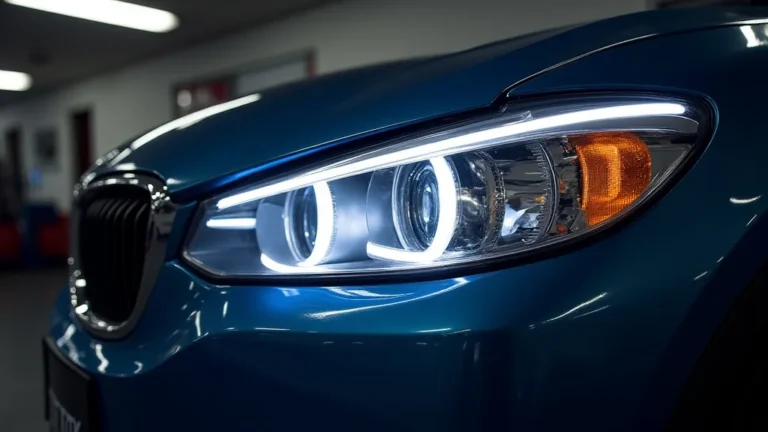
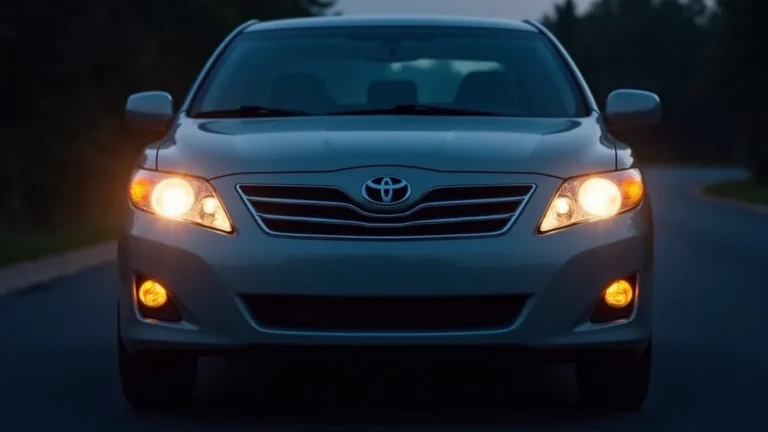
Halogen bulbs, the most common type for many years, usually produce a lower lumen output compared to LED or HID lights. HID lights (High-Intensity Discharge), often found in higher-end vehicles, typically have a higher lumen output, offering brighter and more focused light. LED (Light-Emitting Diode) headlights are becoming very popular. They are very efficient, and can have a wide range of lumen outputs, often exceeding the brightness of halogen bulbs. Understanding the unique characteristics of each type enables you to choose the best option for your driving needs and preferences.
- Halogen Headlights: These are the standard, affordable option. They typically produce between 700 to 1,200 lumens.
- HID (Xenon) Headlights: HID headlights give off brighter light, generally ranging from 2,000 to 3,000 lumens, and sometimes higher.
- LED Headlights: LED headlights offer great efficiency and can produce a wide range of brightness, with many models offering over 3,000 lumens.
- Lumen Output Variations: The exact lumen output can vary depending on the specific bulb model and design.
- Efficiency Considerations: While lumens measure brightness, LED headlights are known for being very efficient. This means they convert more energy into light and use less power.
Legal Requirements and Safety Standards for Headlights
Rules and regulations exist to make sure headlights are safe for everyone. These rules specify the minimum and maximum brightness (measured in lumens), aiming angles, and beam patterns. Adhering to these standards is essential for all drivers. Bright lights that don’t follow these guidelines can be dangerous, causing glare that impairs the vision of other drivers and increases the risk of crashes. The purpose of these laws is to balance adequate illumination with the safety of all road users.
Safety standards also cover how headlights function in different weather conditions and how they should be aimed to avoid blinding oncoming traffic. Manufacturers test their lights to meet these standards. This is done to assure that all headlights on the market offer optimal performance while keeping other people safe. It’s a key part of road safety. The goal is clear: to ensure visibility without harming the sight of others. Understanding and adhering to these regulations is a must for all drivers.
Brightness Limits and Glare Prevention
Headlights that are too bright can cause glare, which can make it hard for other drivers to see. This is why laws set limits on how many lumens headlights can produce. The goal is to maximize visibility without creating unsafe situations. Glare can momentarily blind drivers, posing a safety risk. These regulations help prevent this problem. They also help to ensure that all car lights are used effectively.
Regulations often address the angle at which headlights point. If a headlight is aimed too high, it will shine directly into the eyes of oncoming drivers. This is known as glare. To prevent this, lights must be aimed correctly. There are also standards for how the light beam is shaped. These standards help to illuminate the road without wasting light above the horizontal line. This makes sure that drivers get the best visibility without causing a hazard for others.
- Maximum Lumen Output: Regulations often limit the maximum brightness of headlights to reduce glare. This varies by region.
- Beam Pattern Requirements: Laws also define the shape and direction of the headlight beam. This ensures efficient lighting of the road.
- Aiming Regulations: Headlights must be aimed correctly to prevent them from shining into the eyes of other drivers.
- Testing and Certification: Before lights can be sold, they must be tested to ensure they meet safety standards.
- Enforcement and Penalties: Traffic authorities can issue warnings or tickets for headlights that don’t meet these requirements.
Checking Your Headlights and Staying Compliant
Regularly checking your headlights is a key element of car safety. This includes examining the bulbs for proper function and ensuring that the headlights are correctly aligned. Routine maintenance helps guarantee your headlights provide the best visibility while complying with local laws. This can also save you from potential safety problems and penalties. Maintaining your lights is not only a good practice, but also shows that you care about your safety and the safety of others on the road.
Correct headlight aim is very important. Aiming your headlights is easy. The easiest way to check is to park your vehicle on a flat surface, facing a wall. Then, note where the headlights hit the wall. The aim should be checked periodically to make sure the light beam is directed correctly. There are tools and guidelines available to help drivers with this task. Ensuring compliance helps to prevent glare and maximizes visibility, contributing to safe driving practices.
- Routine Visual Inspections: Regularly inspect your headlight lenses for any damage or clouding that can reduce their effectiveness.
- Bulb Replacement: If you find a burnt-out bulb, switch it out promptly. Always replace bulbs in pairs to maintain balanced lighting.
- Alignment Checks: Use a flat surface or a garage’s services to check and adjust the aim of your headlights.
- Check for Local Regulations: Know the specific requirements for headlight brightness and color in your area.
- Professional Servicing: Have your headlights inspected professionally periodically, especially if you notice a decrease in visibility.
Choosing the Right Headlight Bulbs: What You Need to Know
Picking the correct headlight bulbs is more than just choosing any bulb. The choice of bulb impacts your driving safety and visibility. You should keep in mind factors like the type of car light, the brightness (measured in lumens), and any local regulations. Being aware of these points will help you make an informed decision and guarantee that your car’s headlights are safe and work effectively.
When selecting bulbs, you’ll come across different types, such as halogen, HID, and LED. Each type has a range of lumen outputs and different light characteristics. This means that a good choice is the one that best suits your needs. For example, drivers in areas with lots of fog may benefit from headlights that have a specific beam pattern designed for reduced glare. Also, energy efficiency and the longevity of the bulbs should be considered, too. Taking your time to understand your options can help in picking the best headlight bulbs for your car.
Types of Headlight Bulbs and Their Characteristics
Several types of headlight bulbs are available, each with its characteristics. Halogen bulbs are a standard option and usually less expensive, but their light output is lower. HID (High-Intensity Discharge) lights are brighter and offer better visibility, but they may need special ballasts. LED (Light-Emitting Diode) headlights are becoming very popular. They provide excellent brightness, consume less energy, and last a long time. They are the most efficient option.
The choice between different bulb types relies on your personal preferences, driving conditions, and budget. Halogen bulbs give a reliable light but may not be as bright as other options. HID lights provide brighter light, good for night driving, but can be more costly. LED lights are becoming a favorite due to their combination of brightness, efficiency, and long life. Exploring the features of each bulb can help you determine the best choice for your car and driving needs.
- Halogen Bulbs: Affordable and common, offering a warm light, typically around 700-1,200 lumens.
- HID (Xenon) Bulbs: Brighter than halogen, emitting a bluish-white light, often between 2,000-3,000 lumens.
- LED Bulbs: Energy-efficient and long-lasting, providing a wide range of brightness, often exceeding 3,000 lumens.
- Color Temperature: Measured in Kelvin, it affects the color of the light. Lower numbers are warmer (yellowish), and higher numbers are cooler (bluish-white).
- Lifespan: LED bulbs usually last much longer than halogen or HID bulbs.
Factors to Consider When Buying Headlight Bulbs
When choosing new headlight bulbs, many factors must be considered. Brightness (measured in lumens) is key because it determines how well you can see. Think about the color temperature, measured in Kelvin. This impacts the appearance of the light. Also, look at the bulb’s lifespan and its energy efficiency to ensure it suits your driving needs. Finally, make sure the bulbs fit your car’s make and model. This will ensure they work correctly.
Other details to remember are local regulations and the driving conditions you typically face. Some areas have rules on headlight brightness and color. If you often drive in foggy conditions, think about bulbs that have a specialized beam pattern designed to cut through fog. Thinking about these details will ensure you pick the headlight bulbs that work best for you. This will improve both your safety and your visibility on the road.
- Brightness (Lumens): Choose bulbs that provide adequate brightness without causing glare.
- Color Temperature: Select a color temperature that suits your preference and driving conditions.
- Lifespan: Consider the expected lifespan of the bulb, as it affects how often you’ll need to replace them.
- Energy Efficiency: LED bulbs use less energy and can reduce the drain on your car’s electrical system.
- Fitment: Make sure the bulb type fits your car’s make and model.
Upgrading Your Headlights: When and Why
Upgrading your headlights is a great idea to improve visibility and safety. As technology advances, newer headlight systems offer better brightness and efficiency than older models. Upgrading allows drivers to take advantage of these improvements. Whether you are driving at night, in bad weather, or in areas with limited light, upgraded headlights will help you see more clearly, spot hazards more quickly, and also be more visible to other road users.
The time to upgrade headlights can vary based on your car and driving needs. If your current headlights are dim or yellowing, it’s a good idea to upgrade. Modern LED headlights can provide better brightness and more even light distribution, making night driving safer. If you frequently drive in difficult conditions, such as rain or fog, upgrading to headlights with better illumination can be very helpful. Remember that improvements like these can make driving easier.
Benefits of Upgraded Headlights
Upgrading your headlights has many benefits for both safety and convenience. Improved visibility is a major plus. Brighter headlights help you see further down the road, making it easier to spot potential dangers. Also, upgraded headlights often provide a clearer, more focused beam pattern, reducing glare for oncoming drivers. This makes driving at night less tiring and dangerous. A good upgrade will significantly improve your driving experience.
Upgraded headlights also improve how visible your car is to other drivers. This is very important, because it can help prevent accidents. LED headlights, which are often used in upgrades, also consume less power and last longer than traditional halogen bulbs. This means that you will spend less time and money on replacements. So, an upgrade isn’t just about safety, but also about improving driving enjoyment and lowering vehicle maintenance needs. Consider an upgrade for a safer, more efficient driving experience.
- Increased Visibility: Brighter lights help you see further and identify hazards earlier.
- Improved Safety: Enhanced visibility reduces the chance of accidents at night or in bad weather.
- Reduced Glare: Many upgrades feature beam patterns to minimize glare for oncoming traffic.
- Enhanced Vehicle Appearance: Upgraded lights can also improve your car’s appearance.
- Energy Efficiency: LED upgrades are often more energy-efficient, lowering your car’s electrical load.
Steps for a Successful Headlight Upgrade
Upgrading your headlights should be straightforward, but preparing ahead of time will help the job go well. First, pick the right type of headlights for your car and driving requirements. Think about your existing headlights, and research the different types of headlights. Once you’ve made your decision, get the right replacement bulbs. Ensure you have the tools needed, like screwdrivers or a wrench. It’s often helpful to read the manufacturer’s manual or to look for an instructional video. This will help you during the upgrade.
Always disconnect the car’s battery before starting any electrical work. After removing the old headlight bulbs, carefully fit in the new ones. Avoid touching the glass part of the bulbs with your bare hands, as this can affect their lifespan. After installing the new bulbs, reattach the electrical connections and then reconnect the car battery. Test the lights to ensure they are working as expected and check their alignment. If you aren’t comfortable with these steps, consider seeking help from a professional.
- Research and Choose: Determine what type of lights you want, looking at the best match for your vehicle.
- Gather Materials: Ensure you have the new bulbs, tools, and any extra components.
- Disconnect Power: Switch off the car and detach the battery to prevent electrical hazards.
- Remove Old Bulbs: Carefully take out the old bulbs, taking note of how they’re installed.
- Install New Bulbs: Install the new bulbs, taking care not to touch the glass.
Frequently Asked Questions
Question: What is the main difference between lumens and watts?
Answer: Lumens measure the amount of light emitted by a light source (brightness), while watts measure the amount of electrical power the light uses.
Question: Is it legal to have very bright headlights?
Answer: No, the legal brightness of headlights is limited to reduce glare. Check your local regulations for specific limits.
Question: How do I know if my headlights are too bright?
Answer: If your headlights are causing glare for other drivers, they might be too bright or improperly aimed.
Question: Can I change my car’s headlight bulbs myself?
Answer: Yes, in many cases. But you must ensure you use the right type of bulb for your car. Consult your car’s manual.
Question: How often should I replace my headlight bulbs?
Answer: Replace bulbs when they burn out or when the light output becomes noticeably dimmer. LED bulbs typically last longer than halogen or HID bulbs.
Final Thoughts
In short, understanding how many lumens is a car headlight means understanding how bright your lights are and how that affects your safety. Lumens are a measure of brightness, and the output varies based on your headlight type, whether it’s halogen, HID, or LED. Knowing the correct lumen output and staying within legal limits ensures you see well without endangering other drivers. You’re now equipped to choose the right bulbs, upgrade if needed, and make your driving safer and more comfortable. Armed with this knowledge, you can now explore the market and find headlights that perfectly suit your driving requirements. Keep these tips in mind as you drive to enhance visibility!