How Far Should Headlights Shine? A Guide for Safe Driving
Figuring out how far should headlights shine is a common question, especially for new drivers. It can seem a little tricky at first, with all the different types of lights and road conditions. But don’t worry! This guide will break it down in simple steps, so you can make sure you see the road and stay safe. We’ll explore everything you need to know to see far enough ahead and what factors influence your visibility. Let’s get started and make driving safer.
Understanding Headlight Basics
Headlights are a super important part of your car, especially when it’s dark or foggy. They let you see the road, and they also help other drivers see you. Getting a handle on your headlights is vital for safe driving. The range and type of headlights matter, because they help you see how far ahead you can go. Learning about different types of headlights, and how they work is the first step toward getting comfortable behind the wheel.
Types of Headlights
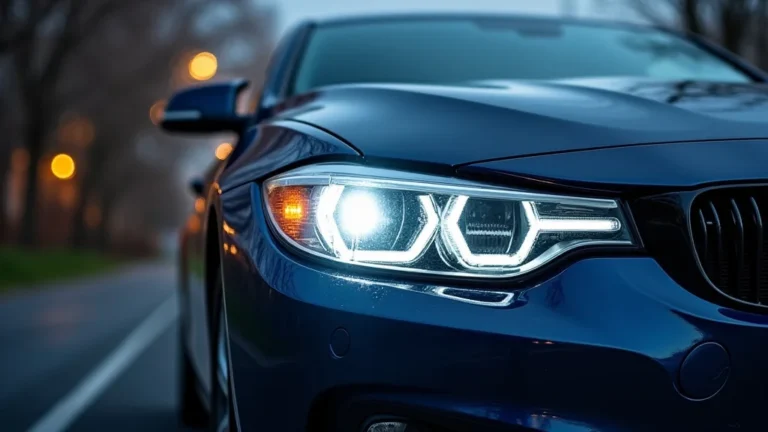
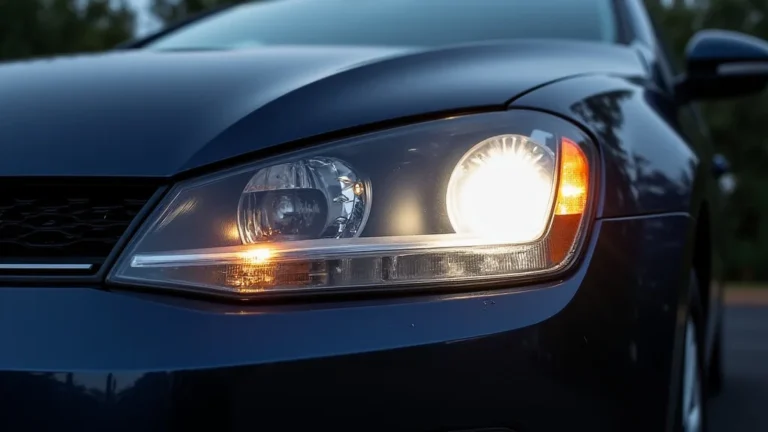
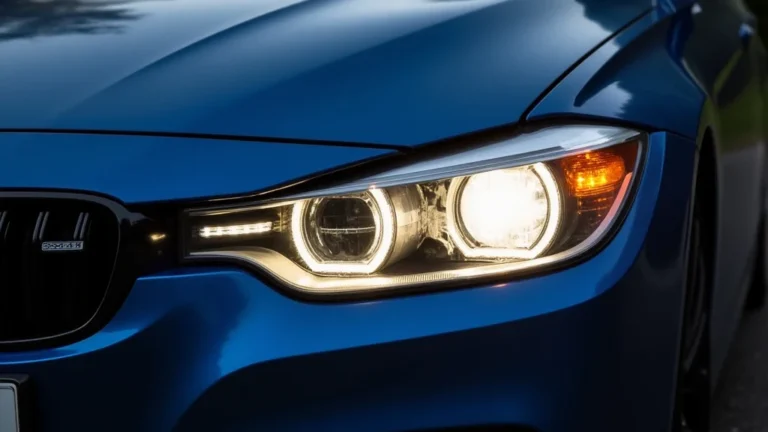
There are several types of headlights, each using different technologies to produce light. These technologies influence how bright the lights are, and therefore, how far they shine. Some vehicles still use older halogen bulbs, which are less bright and shine a shorter distance. Modern vehicles often use LED or Xenon (HID) lights. These are brighter and can illuminate the road much farther. Knowing the type of headlights your car has will help you to anticipate their range.
- Halogen Headlights: These are the most common and oldest type. They use a filament that glows when electricity passes through it. Halogen headlights typically provide the least amount of illumination compared to other types.
- LED Headlights: LED (Light-Emitting Diode) headlights are becoming very popular. LEDs are energy-efficient and last a long time. They produce a very bright, white light.
- Xenon (HID) Headlights: HID (High-Intensity Discharge) headlights use xenon gas to create light. They are much brighter than halogen bulbs.
Halogen bulbs are relatively inexpensive and easy to replace, but they have a shorter lifespan and lower light output. They produce a yellowish light, which may be less effective in adverse weather conditions, such as rain or fog. The main limitation is their limited range, which may impact visibility, particularly at higher speeds or on poorly lit roads.
LED headlights offer significant advantages over halogen bulbs. They are known for their long lifespan and high energy efficiency. Furthermore, LED headlights can often be designed to offer focused light beams, increasing the visibility range. This enhanced visibility is especially helpful when driving at night or in low-light environments. LEDs provide a clearer and brighter light output, leading to improved driver safety.
Xenon headlights, also known as HID lights, are prized for their bright and intense light output. They use xenon gas and an electric arc to produce light, resulting in a bluish-white beam. These lights typically offer greater visibility distance compared to halogen bulbs. However, they may require more complex installation and can sometimes have a glare effect if not properly adjusted. Regular maintenance is recommended to ensure that the lenses and bulbs are in good shape, maintaining optimal performance and extending their lifespan.
Factors Affecting Headlight Range
Several things affect how far your headlights shine, including the weather, the road surface, and the speed you’re driving. The condition of your headlights is also key. Dirty or damaged headlights can reduce their effectiveness a lot. The type of bulbs you have also matters, as LED and HID lights usually have longer ranges than halogen lights. Taking these factors into account will help you make decisions while driving.
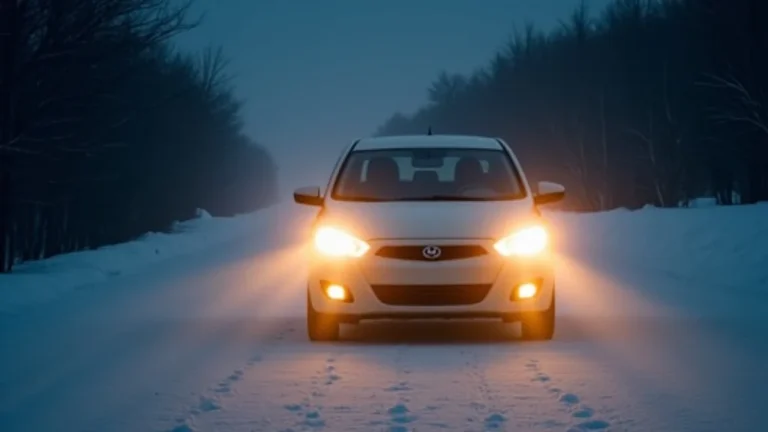
- Weather Conditions: Rain, snow, and fog all reduce visibility. When it’s raining, water droplets scatter the light, shortening the range of your headlights. Snow can also reflect light, making it harder to see. Fog, with its tiny water particles, absorbs and scatters light significantly.
- Road Surface: Dark roads and wet roads can also impact visibility. A dark road absorbs light, making it harder to see. A wet road surface reflects light, creating a glare that can reduce visibility.
- Vehicle Speed: The faster you’re driving, the more distance you cover in a shorter amount of time. If your headlights shine far, that gives you more time to react to hazards.
Visibility decreases dramatically in adverse weather. Rain and snow can reduce visibility by reflecting the light, and fog can absorb it. The density of the fog directly impacts how far you can see. Proper headlight maintenance and the correct use of fog lights (if available) can help mitigate the effects of bad weather. Drivers should always adjust their speed and driving behavior in line with visibility to ensure safety.
The road surface plays a key role in how well your headlights work. Dark roads reduce visibility because they don’t reflect much light back to your eyes. Wet road surfaces, on the other hand, can create glare, making it more challenging to see clearly. The reflectivity of the road surface, whether asphalt or concrete, also impacts how far you can see. Drivers should adjust their headlight settings and driving speeds based on the road conditions.
Vehicle speed has a direct impact on the distance your headlights need to illuminate. Higher speeds mean you need to see farther ahead to allow enough time to react to potential hazards. The faster you travel, the greater the stopping distance needed, making it necessary for headlights to illuminate a greater range. Matching headlight range to vehicle speed is crucial for safe driving. Always drive at a speed that allows you to stop within the illuminated distance.
Legal Requirements and Recommendations
There are rules about how your headlights work, and it’s super important to know them. These rules make sure all drivers can see safely. States have rules about headlight brightness, aiming, and the use of high beams. Knowing these rules is critical for safe driving and to avoid getting into trouble.
Headlight Aiming
The direction your headlights point is super important. If they are aimed too high, they can blind other drivers. If they are aimed too low, you won’t be able to see far enough ahead. Proper aiming ensures your headlights shine at the right distance and angle. Correct headlight alignment is crucial for both your safety and that of other road users. It helps to maximize visibility. It also prevents glare. Headlight alignment is usually checked during vehicle inspections, but you can also do it at home.
- Importance of Correct Aim: Proper headlight aiming is crucial for road safety. If headlights are aimed too high, they can blind oncoming drivers. If they’re aimed too low, they reduce your visibility.
- How to Check Aim: Park your car on a level surface facing a wall. Measure the distance from the ground to the center of your headlights. Then, measure the distance from the wall to your car. Turn your headlights on. The bright spots should be at a specific height below the center of your headlights.
- Professional Adjustment: If you’re not comfortable adjusting your headlights, it’s best to have them adjusted by a professional mechanic.
Correct headlight alignment is a critical aspect of vehicle maintenance. Misaligned headlights can significantly affect visibility, potentially leading to accidents. Regular inspections and adjustments ensure that your headlights are properly aimed to provide optimal illumination without causing glare to other drivers. This alignment ensures you can see far enough ahead. It also prevents the risk of blinding other motorists.
Checking headlight aim is a straightforward process that can be done at home. Start by parking your car on a flat surface facing a wall. Measure the height of your headlights from the ground. Then, turn on your headlights and note where the brightest points of light hit the wall. The bright spots should be at the same height or slightly lower. If the spots are too high or low, you may need to adjust your headlights using the adjustment screws. This simple check ensures your headlights are properly aimed for optimal visibility and safety.
Professional headlight adjustment is recommended to ensure your headlights meet legal requirements and provide optimal illumination. Professional mechanics use specialized equipment to accurately align headlights, correcting any issues with height or direction. This ensures that your headlights shine far enough to allow sufficient time for reaction while minimizing glare to oncoming traffic. Regular check-ups by professionals are a good way to maintain your vehicle’s lighting systems, leading to better safety on the road.
High Beams
High beams are for when there’s no other traffic around. They shine farther than low beams, giving you more visibility. However, you should never use high beams when there are other cars nearby, as this can blind their drivers. You should use them carefully. They increase visibility on dark roads, and in open areas with no other vehicles.
- When to Use High Beams: High beams should only be used on dark, empty roads where there are no other cars or pedestrians.
- When to Avoid High Beams: Avoid using high beams when following another vehicle, when approaching oncoming traffic, or in any situation where they could cause glare.
- Automatic High Beams: Many newer cars have automatic high beam systems that switch the high beams on and off as needed.
High beams increase visibility on roads with minimal lighting. They should not be used in urban or suburban areas where there is ambient light or other vehicles. Always switch to low beams when approaching or following other vehicles to avoid blinding them. The careful use of high beams ensures enhanced safety while preventing potential hazards for other road users.
High beams can significantly impair visibility for other drivers if used incorrectly. Avoid using high beams in situations where their brightness could cause glare, such as when following another vehicle or when approaching oncoming traffic. They should be turned off in cities or areas with street lighting. By following these guidelines, you ensure you’re using high beams responsibly and safely.
Automatic high beams are a convenient feature that enhances visibility by automatically switching between high and low beams based on the presence of other vehicles. This smart system uses sensors to detect oncoming headlights or taillights and adjusts the beams accordingly. Automatic high beams help to prevent blinding other drivers while maximizing your own visibility on dark roads. They help with driving safety.
The Relationship Between Speed and Visibility
How fast you’re going affects how far you can see. At higher speeds, you cover more ground in less time, so you need to see farther ahead. This means your headlights have to shine farther to give you enough time to react to anything in the road. Knowing the connection between speed and visibility is important for safe driving.
Stopping Distance
Stopping distance is how far your car travels from the moment you see something to the moment you stop. It includes the distance you travel while reacting to the hazard and the distance it takes to actually stop the car. At higher speeds, your stopping distance becomes much longer. The further your headlights shine, the more time you have to react and stop safely. Always keep a safe stopping distance.
- Factors Affecting Stopping Distance: The road conditions, your tire condition, and how quickly you react all affect your stopping distance.
- Calculating Stopping Distance: To calculate your stopping distance, consider your speed and the condition of the road.
- Maintaining a Safe Following Distance: Always keep a safe distance from the car in front of you. This gives you time to stop if needed.
Stopping distance is impacted by several elements. These include the condition of the road surface (wet, dry, or icy), your tire’s condition (tread depth and pressure), and your reaction time. Other factors include the vehicle’s brakes, and whether there are any unexpected hazards on the road. Knowing how each factor can affect stopping distance and maintaining your vehicle and driving skills is important.
Calculating stopping distance gives you a measure of how far you will travel before you stop. At high speeds, this distance increases. Dry road conditions result in shorter stopping distances, while wet or icy conditions will extend the stopping distance. To calculate stopping distance, it is essential to consider both the reaction distance and the braking distance, and take into account all of these factors.
Maintaining a safe following distance is a must for reducing the risk of collisions. This ensures that you have enough space to react to any changes in the road ahead. The safe following distance depends on your speed and road conditions. This is essential for safety. Generally, a good rule of thumb is to allow a minimum of three seconds of space between your vehicle and the vehicle in front, and even more time in adverse conditions. This ensures drivers have adequate space and time to react to potential hazards, keeping everyone safe.
Night Driving Strategies
Driving at night requires special attention. With less visibility, you need to drive slower and be extra alert. Using your headlights correctly and keeping them clean are key for safe driving at night. Slowing down, increasing your following distance, and paying attention to your surroundings are all key. Be extra careful at night.
- Reducing Speed: Reduce your speed at night. Drive slower than you would during the day. This gives you more time to react.
- Increasing Following Distance: Increase your following distance to at least four seconds. This allows for more reaction time.
- Staying Alert: Stay alert and avoid distractions. Avoid using your phone. This helps you to focus on driving.
Slowing down is a good strategy for safe night driving. Since visibility is decreased, driving at a slower speed provides drivers with more reaction time. This is especially true on roads with no streetlights or areas where other hazards are present. Reduced speed increases the time needed for avoiding dangers. The best practice is to drive at a speed that allows you to stop safely within the range of your headlights.
Increasing the following distance when driving at night is a good safety measure to take. A longer following distance gives you more time to react to any unexpected events or hazards on the road. The best practice is to increase your following distance to at least four seconds. This measure decreases your chance of accidents. It gives drivers more space, and helps improve reaction time, and better response to risks.
Staying alert is critical for safe night driving. Avoid distractions, such as cell phones, and always keep your focus on the road. Fatigue and sleepiness can affect your reactions, so ensure you are well-rested before driving at night. Proper preparation and alertness help you to react quickly to any potential hazards that might arise. This is especially important at night.
Headlight Maintenance and Safety Tips
Taking care of your headlights is a must for road safety. Regular cleaning and inspections can make a big difference. Checking your bulbs and replacing them when needed keeps your headlights working well. These habits ensure your headlights provide the best visibility, keeping you and others safe on the road. It helps with safety.
Cleaning Headlights
Keeping your headlights clean makes them shine brighter. Dirt and grime can cut down on how well your headlights work. Wipe your headlights regularly, especially if you drive in bad weather. Clean headlights make a big difference in how well you can see at night.
- Regular Cleaning: Clean your headlights regularly to remove dirt, debris, and bugs. This is critical for getting the most from your lights.
- Use the Right Cleaning Products: Use a headlight cleaner or a mild soap and water solution. This helps clean without damaging your headlights.
- Polishing Headlights: Polishing your headlights can help remove cloudiness and improve light output. This helps to restore your headlights.
Cleaning your headlights regularly is an easy task that can significantly improve their performance. Over time, headlights can become covered in dirt, bugs, and other debris that can reduce the amount of light they emit. Simple cleaning, using a cleaning agent or the right products, can help remove these obstructions. You can then ensure your headlights are shining at their best. Regular cleaning is a quick, easy way to improve visibility.
Choosing the correct cleaning products for your headlights is an important step in their maintenance. Using special headlight cleaners or mild soap and water solutions is recommended for effective cleaning. Avoid using harsh chemicals or abrasive products that could damage the lens’s surface, as this would reduce visibility. Knowing how to clean headlights will help them maintain their light output.
Polishing your headlights can restore their clarity and improve light output. Over time, headlights can develop a cloudy or yellowed appearance, due to oxidation from sun exposure and debris. Polishing removes the top layer of the lens, removing any cloudiness, allowing for clearer visibility at night. The correct process for polishing your headlights requires specific techniques and products. You can find many guides online.
Bulb Replacement
Replacing burnt-out bulbs is super important for your safety. When a bulb burns out, it reduces your visibility, and can make it difficult for others to see you. Replacing them as soon as they burn out is a must. Checking your bulbs regularly can make sure they work when you need them.
- Checking Bulbs Regularly: Check your headlight bulbs regularly to make sure they’re working. This is important for your safety.
- Replacing Burnt-Out Bulbs: Replace any burnt-out bulbs right away. This helps maintain good visibility at night.
- Choosing the Right Bulbs: Make sure you choose the correct replacement bulbs. Use the right bulbs for your car.
Checking your headlight bulbs regularly is a simple but important task that can save you a lot of trouble. This helps to identify any bulbs that are starting to dim or burn out. Regular inspections can identify any problems before they become dangerous. If you find any burnt-out bulbs, replace them right away. This will help maintain your vehicle’s lighting performance.
Replacing burnt-out bulbs right away is key to safety. If you see that a headlight bulb has failed, don’t wait to
Choosing the correct replacement bulbs is critical. Using the wrong type or wattage can damage your car’s electrical system and may not provide optimal light output. To determine the right bulbs for your car, you can consult your car’s owner’s manual or visit an auto parts store. These sources can help you to buy and install the correct bulbs.
Special Considerations
There are some special situations where headlight use is very important. Fog and heavy rain can really make it hard to see, and knowing how to use your headlights in these conditions is important. You should also think about driving in areas with limited lighting, such as a rural area or the country. These strategies are all designed to help you see safely.
Fog Lights
Fog lights are extra lights that can help you see in foggy conditions. They are designed to shine low to the ground. This helps to reduce the glare. They can improve visibility a lot. Fog lights help you see in foggy weather.
- Purpose of Fog Lights: Fog lights are designed to improve visibility in foggy conditions. They shine lower than headlights.
- When to Use Fog Lights: Use fog lights when it’s foggy or when visibility is limited. This is recommended by most manufacturers.
- Fog Light Placement and Aiming: Fog lights are placed low to the ground and aimed to shine a wider beam.
Fog lights are designed to enhance visibility in foggy conditions. Fog lights are usually positioned low on the vehicle to reduce the impact of light reflecting off the fog. This placement helps to provide a clearer view of the road ahead, as the light beam penetrates beneath the fog layer. Using fog lights can help drivers see better in adverse weather. It is important to remember that fog lights are only meant to be used in foggy weather.
Using fog lights in the right situations improves safety. Fog lights should be turned on when driving in foggy weather or when visibility is severely limited. They should not be used in clear conditions, as they can cause glare for other drivers. Turning them on when the conditions demand it helps to enhance visibility.
The strategic placement and aiming of fog lights are key factors. Fog lights are positioned low on the vehicle, usually below the headlights, to shine beneath the fog layer. This placement reduces the reflection from the fog and improves visibility. They are often angled to spread a wider beam. This helps to better illuminate the road. Proper aiming ensures they function as intended.
Driving in Poorly Lit Areas
When driving in areas with little or no streetlights, your headlights are super important. You have to depend on them to see the road. Reduce your speed, use your high beams (when safe), and keep a sharp eye out for animals or pedestrians. You should always be cautious.
- Using High Beams Safely: Use your high beams on dark roads, but be ready to dim them for oncoming traffic.
- Watch for Animals and Pedestrians: Keep an eye out for animals and pedestrians, especially along roadsides.
- Adjusting Speed: Adjust your speed to match the road and lighting conditions. Drive at a slower speed.
Using high beams effectively is important when driving in poorly lit areas. They increase your visibility. You should turn them on when the road is clear of other vehicles. This maximizes your ability to see further down the road. You must also be ready to dim your high beams to low beams. This will keep other drivers from being blinded.
Being watchful is especially important when driving in areas with poor lighting. Animals and pedestrians are less visible at night, so you must be very aware. Reduce your speed and scan the sides of the road. Be ready to react. Use your high beams when safe, and always be prepared to stop if necessary.
Adapting your speed to the lighting conditions is another aspect of safe driving in poorly lit areas. Since your visibility is limited at night, it is important to reduce your speed to give yourself more time to react to potential hazards. This helps to decrease the risk of collisions. This makes night driving safer.
| Headlight Type | Approximate Range (Low Beam) |
|---|---|
| Halogen | Up to 150 feet |
| LED | Up to 300 feet |
| Xenon (HID) | Up to 250 feet |
Frequently Asked Questions
Question: How can I tell if my headlights are properly aimed?
Answer: Park your car on a level surface facing a wall. Measure the distance from the ground to the center of your headlights. Turn your headlights on. The bright spots should be at a specific height below the center of your headlights, usually about 2-3 inches lower. If you’re unsure, a mechanic can help.
Question: When should I use my high beams?
Answer: Use your high beams on dark, empty roads where there are no other cars or pedestrians. Always switch to low beams when approaching or following other vehicles.
Question: How do I clean my headlights?
Answer: Clean your headlights regularly with a headlight cleaner or a mild soap and water solution. You can also polish them to remove cloudiness.
Question: What’s the main function of fog lights?
Answer: Fog lights are designed to improve visibility in foggy conditions, shining low to the ground to reduce glare.
Question: How does vehicle speed impact the effectiveness of headlights?
Answer: As you drive faster, you need headlights that shine farther to give you enough time to react to hazards. Matching headlight range to your speed is key to safety.
Final Thoughts
Making sure your headlights shine the right distance is a key part of safe driving, especially at night. It’s about knowing the different types of headlights, how they work, and what affects their range. You also need to understand the legal rules and how to use them safely, especially in bad weather or poorly lit areas. Keeping your headlights clean, checking them often, and replacing burnt-out bulbs are all simple, yet important steps. By understanding how far your headlights shine, and making smart choices, you can make driving safer and more comfortable for yourself and other drivers. Drive smart, and stay safe on the road!