How Bright Are Car Headlights Really: A Clear Guide
Figuring out how bright are car headlights can seem tricky, especially if you’re just starting to drive. You might wonder what the numbers mean or if your headlights are good enough. Don’t worry, it’s not as hard as it sounds! This guide will break it down into easy steps so you can feel confident about your car’s lights. We’ll explore everything from the different types of headlights to how to check their brightness. Let’s get started!
Understanding Headlight Brightness: The Basics
Headlight brightness isn’t just about how well you can see; it’s also about how well others can see you. It’s an important part of car safety. Headlights are designed to illuminate the road ahead, allowing drivers to see obstacles, road signs, and other vehicles, especially in low-light conditions like night, rain, or fog. The brightness of your headlights is measured in lumens, a unit that indicates the total amount of visible light emitted. Different headlight types produce varying lumen levels, affecting their visibility distance and effectiveness. Moreover, brightness affects the range of the light and how much of the road you can see. Proper headlight maintenance is essential, including regular bulb replacement and aiming adjustments, to ensure that headlights function optimally and meet safety standards. We’ll explore all this, so you can know what the numbers mean.
What Are Lumens and Candela?
When we talk about headlight brightness, two key terms come up: lumens and candela. These are units of measurement that help us understand how much light a headlight produces and how that light is distributed. Think of lumens as the total amount of light that a bulb emits in all directions. It’s like measuring the total output of a flashlight. The higher the lumen count, the brighter the headlight appears to be. Candela, on the other hand, measures the intensity of the light in a specific direction. It helps to define how strong the light is when it reaches a certain point. A headlight can have high lumens but low candela if the light is spread out. Different headlights will have different values for both measurements, leading to variations in how they illuminate the road. The goal of headlight design is to maximize both lumens and candela to achieve optimal visibility without causing glare to other drivers. Understanding these terms helps with choosing the right headlights.
- Lumens Explained: Lumens measure the total amount of visible light emitted by a light source. For headlights, it indicates how much light the bulb produces overall.
- Candela Explained: Candela measures the intensity of light in a specific direction. It indicates the brightness of the light at a particular point.
- Impact on Visibility: Higher lumens generally mean a brighter overall light, while higher candela can mean a more focused, intense beam. Both contribute to better visibility.
- Importance in Headlights: In headlights, lumens and candela work together to ensure that drivers can see the road clearly. This is a crucial element of road safety.
- Legal Standards: The number of lumens and candela are often regulated by safety standards to limit glare and provide appropriate illumination.
Headlight Types and Their Brightness Levels
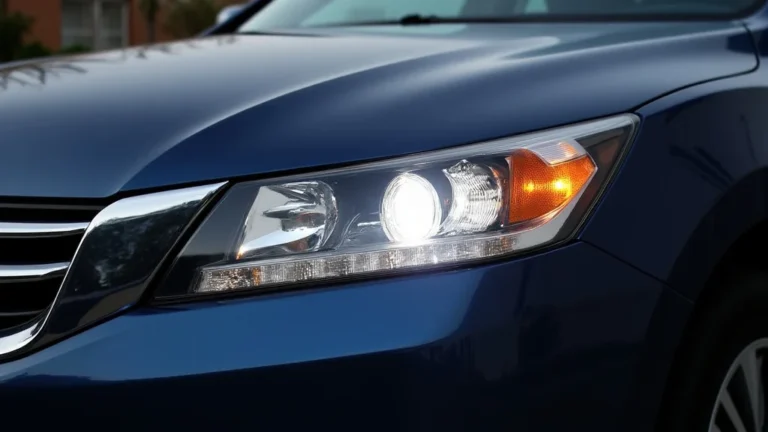
There are different types of headlights, each using a different technology to produce light. This also affects the brightness. The main types include halogen, LED, and High-Intensity Discharge (HID) headlights. Halogen lights are the most common and cheapest, while LED and HID lights are generally brighter and more energy-efficient. The brightness of a headlight affects its range and its ability to illuminate the road. For example, HID and LED headlights usually provide better visibility than halogen headlights, particularly at night and in poor weather conditions. Replacing your headlights with brighter models can often improve visibility. It’s also important to make sure the lights are correctly aligned and positioned to prevent glare and maximize their effectiveness.
- Halogen Headlights: These are the most basic type, using a filament that glows when heated.
- LED Headlights: LED (Light Emitting Diode) headlights use semiconductor diodes.
- HID Headlights: HID (High-Intensity Discharge) lights use an electrical arc.
- Brightness Comparison: LEDs and HIDs generally appear brighter than halogen headlights.
- Lumen Values: The lumen output varies for each type of headlight.
Factors Affecting Headlight Brightness
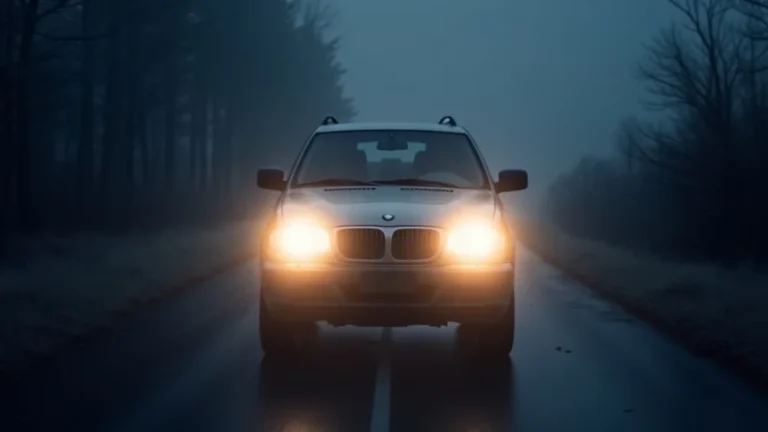
Several factors can affect how bright your headlights appear, besides the type of bulb. The age of the bulbs plays a role; bulbs dim over time, and even the best ones will become less bright as they age. The lens condition also has a big impact, as hazy or dirty lenses will scatter the light, reducing its effectiveness. Proper headlight aiming is also essential. If headlights are not aligned correctly, the light may be directed either too high or too low, or even toward the side of the road, reducing the illuminated area. Regular maintenance, including cleaning the lenses and checking alignment, ensures you get the most out of your headlights. Weather conditions are important, too, as rain, snow, and fog can make headlights seem less bright by scattering the light.
Headlight Lens Clarity and Its Impact
The condition of your headlight lenses significantly affects their brightness. Over time, plastic lenses can become cloudy, yellowed, or scratched due to exposure to sunlight, road debris, and weathering. This buildup reduces the light that passes through. The lenses serve as a protective cover for the headlights, but when their clarity decreases, they scatter the light, decreasing the amount of light that reaches the road. Regular maintenance, such as cleaning the lenses, can help keep them clear. If the clouding is excessive, it might be necessary to restore or
- Clouding Causes: UV exposure, road debris, and weather.
- Effects on Light: Scatters and reduces light output.
- Maintenance: Cleaning and restoration of lenses.
- Visibility Reduction: Diminished night vision.
- Safety Concerns: Affects how other drivers can see you.
Headlight Aiming and Alignment
Correctly aiming your headlights is key for proper brightness and safety. If headlights are misaligned, they might shine too high, causing glare for other drivers, or too low, reducing the driver’s ability to see the road. Headlight alignment is the process of adjusting the direction of the light beam to ensure it is focused and reaches the right distance on the road. The optimal aiming position depends on the type of car and headlight design. Most headlights have adjustment screws that can be turned to adjust the vertical and horizontal aim of the light. Proper aiming helps maximize visibility. It also helps in preventing glare and improving safety. You can adjust it yourself using a flat surface, or take your car to a mechanic for professional headlight aiming.
- Importance of Correct Aiming: This can ensure proper visibility and prevent glare.
- Vertical and Horizontal Adjustments: Headlights can be aimed up or down and left or right.
- Impact on Visibility: Proper alignment helps the driver see further.
- Glare Prevention: Avoid blinding other drivers.
- Professional Assistance: Mechanics can help with accurate headlight aiming.
Regulations and Standards for Headlight Brightness
To ensure safety, headlight brightness and design are regulated by various organizations. These regulations set standards for the minimum and maximum brightness, the beam pattern, and other important aspects of headlight performance. These standards help to ensure that all headlights meet a basic level of performance, providing drivers with adequate visibility without causing excessive glare for other drivers. Compliance with these standards is usually mandatory for all new vehicles. Organizations like the National Highway Traffic Safety Administration (NHTSA) in the United States and the European Union (EU) have specific requirements that manufacturers must follow. These regulations may vary between regions, but the goal remains the same: to improve road safety by ensuring that headlights provide safe and effective illumination.
Legal Limits on Headlight Brightness
Headlight brightness has legal limits to prevent excessive glare, which can impair the vision of other drivers and increase the risk of accidents. These limits specify the maximum allowable light output, usually measured in lumens or candela, for different types of headlights. These limits help to ensure that headlights are bright enough to provide adequate visibility for the driver, but not so bright that they cause discomfort or temporary blindness for other drivers. Exceeding these legal limits can result in fines and the possibility of failing a vehicle inspection. The regulations often take into account the headlight technology used, such as halogen, LED, or HID, with different limits for each type. Local laws can vary. It’s essential to check the rules in your area.
- Purpose of Limits: Prevent glare and improve safety.
- Units of Measurement: Lumens and candela.
- Enforcement: Compliance is required for vehicle safety.
- Regional Differences: Local laws vary by location.
- Consequences of Violation: Possible fines or vehicle failure.
Headlight Testing and Inspection
Regular headlight testing and inspections are common in many places to ensure compliance with safety standards and to help maintain visibility. Inspections usually involve checking the functionality of headlights, the aiming, and the brightness to make sure they are within legal limits. These tests may be part of an annual vehicle inspection or could be conducted at any time. A mechanic or inspection station will use special equipment to measure the light output and beam pattern of the headlights. If the headlights do not meet the standards, the vehicle may fail the inspection until the issues are corrected. This can involve replacing bulbs, adjusting the aim, or restoring the headlight lenses. Regular testing helps to keep headlights in good condition and maintain road safety.
- Frequency of Inspections: Often annual or as required by law.
- Testing Process: Checking light output, aim, and function.
- Equipment Used: Light meters and alignment tools.
- Failure Consequences: Need to be fixed to pass inspection.
- Benefits: Enhanced road safety and visibility.
How to Check Your Headlight Brightness
Checking your headlight brightness doesn’t require special tools or expertise. There are a few simple methods you can use to assess whether your headlights are working properly. Begin by visually inspecting your headlights to make sure both bulbs are working and that there is no obvious damage to the lenses. Then, drive your vehicle at night on a dark road and look at the visibility. Does the light reach far enough down the road? Are there any dark spots? If you notice issues, such as dim light, flickering, or uneven beams, it could be a sign of a problem. You could also compare your headlights to another car’s headlights to see if they look dim or less bright. If you have concerns, you may want to have your headlights checked by a mechanic. They will have equipment to measure the brightness and aim.
Visual Inspection: A First Check
A visual inspection is the first step in checking your headlight performance. It’s a quick, easy way to identify obvious problems that may affect brightness. Start by checking the headlight lenses. Look for any clouding, yellowing, or scratches on the lenses. These can reduce the amount of light that passes through. Then, turn on your headlights in a dark area and visually inspect both lights. Make sure both headlights are working and that the light is consistent. Look for any flickering or dim spots. Also, check to make sure the aim seems correct. If you notice any of these issues, it means that you might need to clean the lenses or replace the bulbs. Sometimes the problem might be more serious, and you should take your car to a mechanic for further assessment and maintenance.
- Lens Condition: Check for clouding, yellowing, or scratches.
- Bulb Operation: Ensure both lights are functioning and emitting light.
- Light Consistency: Check for flickering or dim spots.
- Aim Check: Ensure lights are aimed correctly.
- Further Action: Clean the lenses, replace bulbs, or see a mechanic.
Nighttime Road Test
A nighttime road test is a practical way to assess the performance of your headlights under real driving conditions. Choose a dark road with minimal light pollution and drive your car at a moderate speed. As you drive, pay attention to the visibility of the road ahead, looking for any issues that could affect your vision. Note how far down the road you can see. If the headlights aren’t bright enough, you might have trouble seeing objects or hazards in time to react. Notice the beam pattern; are there any dark spots or unevenness? If the light is scattered or the beams are not aimed correctly, it can reduce visibility and affect your ability to drive safely. In this way, you can get a better idea of how well your headlights are lighting up the road, and whether they need servicing. If you have any concerns, you should consider professional headlight adjustments or maintenance.
- Find a dark, unlit road to test.
- Drive at a moderate speed, keeping your eyes on the road.
- Assess the distance you can see clearly.
- Look for dark spots or uneven light distribution.
- Compare with other vehicles’ headlights.
Frequently Asked Questions
Question: Why do my headlights seem dimmer at night?
Answer: Headlights often appear dimmer at night for several reasons, including aging bulbs, clouding on the lenses, and poor alignment. Weather conditions, like fog or rain, can also make headlights seem less bright.
Question: How can I make my headlights brighter?
Answer: To make your headlights brighter, clean the headlight lenses, check and
Question: Is it okay to use higher-wattage bulbs in my headlights?
Answer: It’s generally not recommended to use bulbs with a higher wattage than specified for your car, as this can lead to overheating and damage to the headlight system. It can also increase the risk of glare for other drivers.
Question: How often should I replace my headlight bulbs?
Answer: It’s generally recommended to replace your headlight bulbs every two to five years, or when they start to dim. Bulb life can also be affected by how often you use them and the conditions you drive in.
Question: What’s the difference between lumens and candela?
Answer: Lumens measure the total amount of light emitted by a bulb, while candela measures the intensity of light in a specific direction. Both are important in determining how bright headlights appear and how well they illuminate the road.
Final Thoughts
Knowing how bright are car headlights is not a mystery anymore. We’ve explored the main factors affecting brightness, from bulb types to lens clarity and correct aiming. You’ve also learned about the importance of checking your headlights regularly. Maintaining good headlight performance is a key part of driving safely, helping you see the road and allowing others to see you. Remember that regular visual checks, cleaning the lenses, and having your lights aligned properly go a long way. Make sure your headlights are in top shape! If you’re unsure, consult a mechanic, who can help ensure your headlights are shining brightly and keeping you safe on the road. Driving safely is the most important thing.