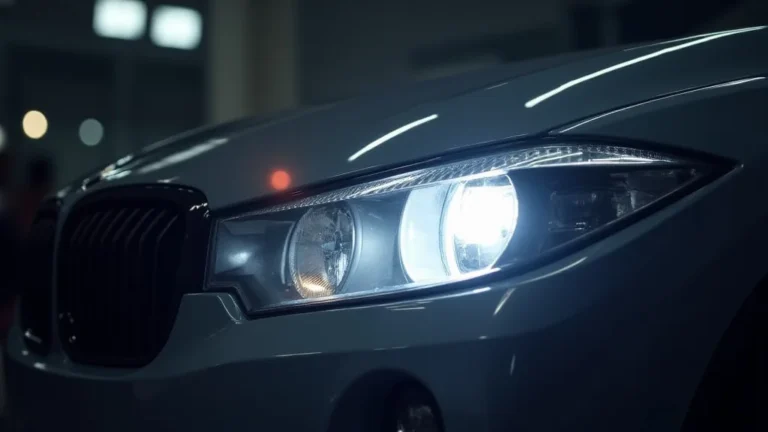
Halogen vs LED Headlights Comparison Explained Simply
Choosing the right headlights can seem tricky at first. A halogen vs led headlights comparison is a common topic for anyone who wants to know more about their car. There’s a lot of tech involved, but don’t worry! We’ll explore the main differences and help you decide which type is right for your car. We’ll simplify everything and give you a straightforward guide. Let’s start with a peek at what makes these two types of headlights different.
What Are Headlights and Why Do They Matter?
Headlights are more than just fancy accessories. They are critical for safe driving, especially at night or in bad weather. Think of them as your eyes on the road. They light up the path ahead, allowing you to see obstacles, other cars, and important road signs. Without good headlights, driving becomes much more dangerous. Different types of headlights offer varying levels of brightness, beam patterns, and energy efficiency. These factors all contribute to your visibility and the safety of everyone on the road. We can explore the different types to find the best fit for your needs.
The Basic Role of Headlights
Headlights provide illumination, helping drivers see and be seen by others. They are essential for night driving, in inclement weather conditions like rain, snow, or fog, and when visibility is reduced. Headlights are designed with specific beam patterns to maximize illumination while minimizing glare for oncoming traffic. These beam patterns help illuminate the road ahead, the sides of the road, and the immediate surroundings. Proper headlight functioning is vital for road safety. Headlights ensure drivers can avoid hazards. They alert others to the presence of your vehicle.
- Visibility: Headlights drastically improve your ability to see the road. This includes the lane markings, any potential obstacles, and pedestrians or animals that might be crossing.
- Safety: By illuminating your path, headlights reduce the risk of accidents. You have more time to react to unexpected situations.
- Alerting Others: Headlights make your car more visible to other drivers. This helps prevent collisions, particularly in low-light conditions.
- Regulations: Headlights are a legal requirement for driving at night and during certain weather conditions in most places.
Headlight Components and Function
Each headlight system is built with a few core elements that work together. The bulb is the component that generates light, and it’s the main focus when you’re looking at different technologies like halogen and LED. The reflector directs the light in a specific pattern, shaping the beam to increase visibility. A lens covers the bulb and reflector, protecting them from the elements and further shaping the light’s distribution. The housing holds all these parts in place and is designed to fit the car’s body. The electrical system provides the power needed for the lights to function.
- Bulb: This is the part that emits light. Halogen lights use a filament. LED headlights use light-emitting diodes.
- Reflector: This component directs the light emitted by the bulb. Its shape influences the beam’s pattern.
- Lens: The lens is the clear cover over the headlight. It protects the bulb and reflector while further shaping the light beam.
- Housing: The housing is the structural part that holds all the components of the headlight system in place.
Exploring Halogen Headlights
Halogen headlights are an older technology. They are still used in many cars. They’re pretty simple. A halogen bulb has a filament, like an old-fashioned light bulb. This filament heats up when electricity flows through it, producing light. These headlights are easy to find and often come standard on many vehicles. While they are a cost-effective option, they have some limitations compared to newer technologies. In this section, we’ll examine how they work, the advantages, and the possible drawbacks.
How Halogen Bulbs Work
Halogen bulbs work by heating a thin filament made of tungsten. This filament is sealed inside a glass bulb filled with a halogen gas, usually iodine or bromine. When electricity passes through the filament, it heats up and produces light. The halogen gas helps to prevent the tungsten filament from burning out quickly. It also allows the filament to burn hotter, producing a brighter light than standard incandescent bulbs. The process is straightforward, but the technology is less efficient than modern LED options.
- Filament Heating: Electricity passes through a tungsten filament, making it glow and emit light.
- Halogen Gas: The bulb contains halogen gas. This gas prevents the filament from burning out quickly.
- Brightness: Halogen bulbs produce a warm, yellowish light. They provide a decent level of illumination.
- Lifespan: Halogen bulbs have a relatively short lifespan compared to LEDs. They may need replacement more often.
Advantages of Halogen Headlights
Halogen headlights have certain benefits. They are very inexpensive to produce, which makes them a budget-friendly option. Halogen headlights are also easy to replace, and the parts are readily available. They are a familiar technology, so most people know how to maintain them. The warm light produced by halogen bulbs can provide good visibility in certain weather conditions, such as fog. Halogen lights offer a good starting point for many drivers. They are a practical choice for various vehicles and driving situations.
- Affordability: Halogen bulbs are usually the least expensive type of headlight.
- Availability: You can find halogen bulbs at most auto parts stores and online.
- Simplicity: The technology is simple, making them easy to understand and maintain.
- Color Temperature: The warm, yellowish light can be advantageous in certain weather.
Disadvantages of Halogen Headlights
Halogen headlights also have disadvantages. One of the main concerns is their energy efficiency. Halogen bulbs consume more power than LEDs. This puts more strain on the car’s electrical system. Halogen bulbs also generate a lot of heat, which can lead to premature wear of the headlight housing. The light they produce is also less bright than LEDs. They have a shorter lifespan. This means you will need to replace them more often. These drawbacks explain why other options are becoming popular.
- Energy Inefficiency: Halogen bulbs use more energy than LEDs.
- Heat Production: They produce a lot of heat, which can damage the headlight components.
- Brightness: They are not as bright as LED headlights.
- Lifespan: Halogen bulbs do not last as long as LEDs.
Understanding LED Headlights
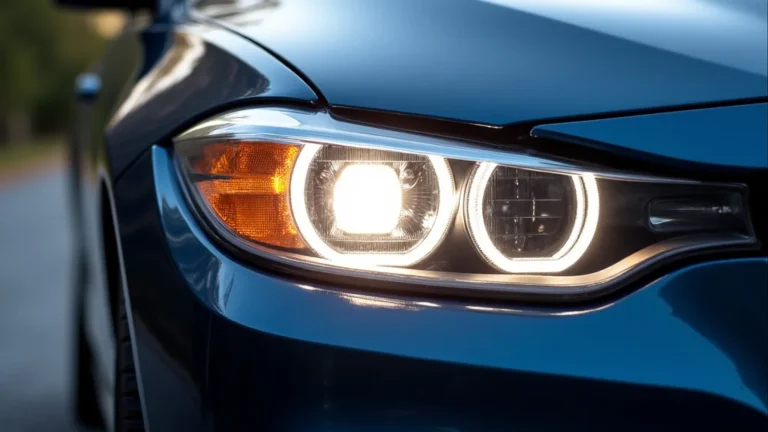
LED headlights are a more advanced technology. LED stands for Light Emitting Diode. LEDs are small semiconductor devices that emit light when electricity passes through them. Unlike halogen bulbs, which heat a filament, LEDs are much more energy efficient. They produce a brighter, clearer light. LED headlights are becoming more and more popular because of their benefits. These lights are a modern choice, which is why we will explore their function, benefits, and possible downsides in more detail.
How LED Headlights Function
LED headlights use light-emitting diodes to generate light. These diodes are small semiconductor devices that convert electricity directly into light. When an electrical current passes through the diode, it emits photons, which create light. LED headlights don’t need a filament, like halogen bulbs. They can produce a very bright light using less energy. The use of multiple diodes and advanced optics allows for precise light distribution. This helps to improve visibility on the road. The system also leads to greater durability and a longer lifespan compared to halogen lights.
- Semiconductor Devices: LEDs use semiconductor diodes that emit light when energized.
- Energy Efficiency: LEDs use significantly less energy than halogen bulbs.
- Brightness: They produce a brighter, clearer light.
- Light Distribution: LED systems often have advanced optics to control the beam pattern.
Advantages of LED Headlights
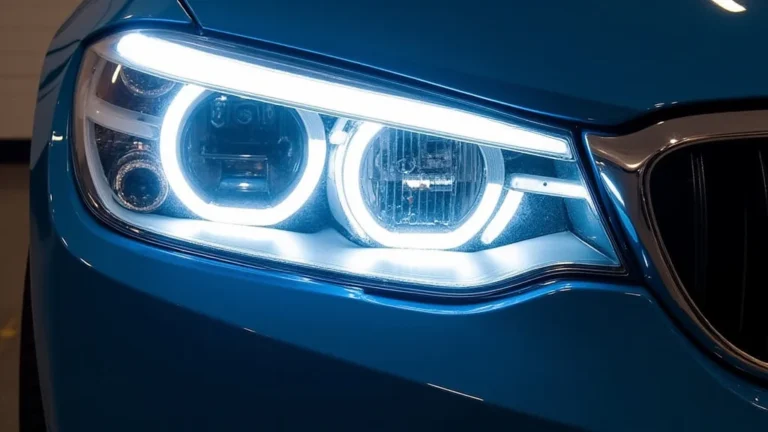
LED headlights offer many advantages over halogen lights. They are highly energy efficient. They use much less power to produce the same amount of light. LEDs offer a longer lifespan. You do not need to replace them as often as halogen bulbs. LEDs offer superior brightness. This increases visibility and safety while driving. Their compact size enables stylish headlight designs. LED lights can also feature advanced features, like adaptive driving beams. These features automatically adjust the light pattern for improved performance.
- Energy Efficiency: LEDs consume less power.
- Lifespan: LEDs last for a much longer time.
- Brightness: LEDs provide brighter and clearer light.
- Design Flexibility: LEDs allow for more modern and creative headlight designs.
Disadvantages of LED Headlights
Even though LED headlights have many advantages, they also have some drawbacks. One of the main downsides is the initial cost. LED headlights are usually more expensive than halogen bulbs. Repairs can also be more complex and costly. This is because LED systems often incorporate advanced electronics. Some LED headlights can generate glare if not designed and aimed correctly. The color temperature of some LEDs may not be suitable for all conditions. These factors are important to consider when selecting new headlights. However, the benefits often outweigh the downsides for many drivers.
- Cost: LED headlights typically have a higher upfront cost.
- Complexity: Repairs can be more complex and costly.
- Glare Potential: Poorly designed or aimed LEDs can cause glare.
- Heat Management: While efficient, some LEDs generate heat. Good thermal management is vital.
A Detailed Halogen vs LED Headlights Comparison
Let’s dive into a direct comparison to see the differences between halogen and LED headlights. This information will help you to pick the right option for your vehicle. We’ll go over many factors, including brightness, cost, and lifespan. We will explore each aspect to offer a clear overview of the performance of these two headlight technologies. We can then decide which option is best suited to your driving needs and budget.
| Feature | Halogen Headlights | LED Headlights |
|---|---|---|
| Brightness | Generally less bright | Significantly brighter |
| Energy Efficiency | Less energy efficient, more power consumption | Highly energy efficient, lower power consumption |
| Lifespan | Shorter lifespan (hundreds of hours) | Longer lifespan (thousands of hours) |
| Cost | Lower initial cost, inexpensive to replace | Higher initial cost, potentially more expensive repairs |
| Color Temperature | Warm, yellowish light | Can vary; often cooler, bluish-white light |
| Heat Production | Generate a lot of heat | Produce less heat |
| Beam Pattern | Typically less focused beam | Can have a more focused and controlled beam |
| Design | Limited design options | More design flexibility |
This table compares the major differences between halogen and LED headlights. LED headlights provide advantages in brightness, energy efficiency, and lifespan. However, halogen headlights are more affordable upfront. Consider these details as you make your choice. The best selection depends on your individual needs and budget.
Brightness and Visibility
Brightness is a key factor when evaluating headlights. LED headlights generally are significantly brighter than halogen bulbs. This improved brightness can greatly increase visibility at night and in poor weather conditions. With more light, you can see farther down the road. You can also spot potential hazards earlier. Halogen bulbs typically provide a warm, yellowish light. The light is less intense. LED headlights often produce a cooler, whiter light. This offers better clarity and more natural color rendition.
- Lumens: Brightness is often measured in lumens. LEDs have higher lumen ratings than halogen bulbs.
- Beam Pattern: LEDs can have a more focused and controlled beam pattern, enhancing visibility.
- Road Hazards: Brighter headlights help you see potential hazards sooner, increasing safety.
- Color Temperature: LED headlights offer whiter light that can improve visual clarity.
Energy Efficiency and Power Consumption
Energy efficiency is another important consideration. LED headlights are far more efficient than halogen bulbs. They consume less power for the same amount of light produced. This can result in lower fuel consumption, especially if you drive often. Less power consumption also puts less strain on the car’s electrical system. Halogen headlights need more power. They can put a greater load on your vehicle’s alternator and battery. This efficiency difference becomes more significant over the long term.
- Wattage: LEDs typically use fewer watts to produce the same light.
- Fuel Efficiency: Reduced power consumption can result in slightly improved fuel economy.
- Battery Life: Less power usage means less stress on your car battery.
- Electrical System: LEDs are easier on your car’s electrical components.
Lifespan and Durability
Lifespan is a crucial element. LED headlights generally have a longer lifespan than halogen bulbs. This means they will last for many more hours of use before needing replacement. Halogen bulbs burn out more frequently. This requires you to replace them more often, leading to recurring costs and more frequent maintenance. The durability of LEDs is usually enhanced because they are resistant to shocks and vibrations. This is unlike the fragile filaments in halogen bulbs. LEDs are a good long-term investment.
- Hours of Use: LEDs can last thousands of hours, while halogen bulbs last hundreds.
- Replacement Frequency: LEDs need to be replaced much less frequently.
- Vibration Resistance: LEDs are more resistant to damage from shocks and vibrations.
- Maintenance: Less frequent replacement means less maintenance overall.
Headlight Upgrades and Conversions
Many people choose to upgrade their headlights. This involves switching from halogen to LED. It is often a great way to improve your vehicle’s visibility and modernize its appearance. If your car is equipped with halogen headlights, you can usually swap them out for LED units. You must make sure that the new lights fit properly and comply with local regulations. Many conversion kits are available, making the upgrade simpler. But it’s important to consider any electrical system requirements.
Halogen to LED Conversion Kits
Conversion kits allow you to
- Ease of Installation: Most kits are designed for simple plug-and-play installation.
- Compatibility: Check that the kit is compatible with your car model.
- Regulations: Be aware of local laws and regulations regarding headlight upgrades.
- Quality: Choose reputable brands and kits for reliable performance.
Factors to Consider Before Upgrading
Before upgrading your headlights, think about these factors. First, consider the cost of the kit and installation. LED upgrades can be more expensive than halogen bulbs. Assess your car’s electrical system to ensure it can handle the change. Check local laws about headlight modifications. Some locations have restrictions about the brightness or color of headlights. Make sure the LED bulbs you select have a beam pattern that prevents glare. Research reviews and ratings of different LED kits. Make sure you choose a product from a reputable company.
- Budget: Set a budget for the upgrade.
- Compatibility: Ensure the kit matches your vehicle’s electrical system.
- Legal Requirements: Know and follow local laws and regulations.
- Reviews: Check reviews for the LED kit.
Maintaining Headlights for Optimal Performance
Keeping your headlights in good shape is vital for safe driving. This involves regular cleaning, inspection, and sometimes replacement. Headlights that are well-maintained give you the best light. This makes it easier to see the road ahead. Regular cleaning removes dirt, dust, and grime that can reduce brightness. Check for any damage to the lenses or housings. Damaged headlights should be replaced promptly. Knowing how to maintain your headlights will maximize visibility and safety on the road.
Cleaning and Care Tips
Regular cleaning can keep your headlights shining brightly. Clean your headlights when you wash your car. Use a mild soap solution and a soft cloth to avoid scratching the lens. Gently wipe away any dirt or debris. If the headlights are cloudy or yellowed, use a headlight restoration kit. These kits can remove oxidation and restore clarity. After cleaning, consider applying a headlight sealant or wax. This can offer protection from the elements. Regularly inspect for any cracks or damage. Address any issues right away to ensure your headlights function correctly.
- Regular Cleaning: Clean your headlights when you wash your car.
- Mild Soap: Use mild soap and a soft cloth.
- Headlight Restoration: Use a restoration kit for cloudy or yellowed headlights.
- Protective Coatings: Apply sealant or wax to protect the lenses.
Inspection and Troubleshooting
Regularly inspect your headlights to make sure they are working. Turn on your headlights and check to see if both are lighting up. Check the beam pattern to ensure it is correctly aimed. Misaligned headlights can reduce visibility. They can also cause glare. If a bulb burns out, replace it promptly. Inspect the lens for any cracks or damage. If the lens is damaged, the headlight assembly may need replacing. If you have any electrical issues, have your car serviced by a professional. Always make certain that your headlights are in good working condition.
- Functionality: Make certain both headlights are working.
- Beam Alignment: Check the beam pattern.
- Bulb Replacement: Replace burnt-out bulbs quickly.
- Lens Damage: Inspect for any damage to the lens.
Frequently Asked Questions
Question: What is the main difference between halogen and LED headlights?
Answer: The primary difference lies in the light source. Halogen bulbs use a heated filament, while LEDs use light-emitting diodes, making LEDs more energy-efficient and brighter.
Question: Are LED headlights brighter than halogen headlights?
Answer: Yes, LED headlights are generally brighter than halogen headlights, providing better visibility.
Question: Do LED headlights last longer than halogen headlights?
Answer: Yes, LED headlights have a much longer lifespan than halogen headlights.
Question: Can I
Answer: Yes, you can typically
Question: Are LED headlights more expensive than halogen headlights?
Answer: Typically, LED headlights have a higher upfront cost than halogen headlights, but they may offer better value over time due to their longevity and energy efficiency.
Final Thoughts
Choosing between halogen and LED headlights involves understanding their key differences. Halogen headlights offer a cost-effective option, perfect for anyone who needs to keep things simple. They’re easy to find and simple to