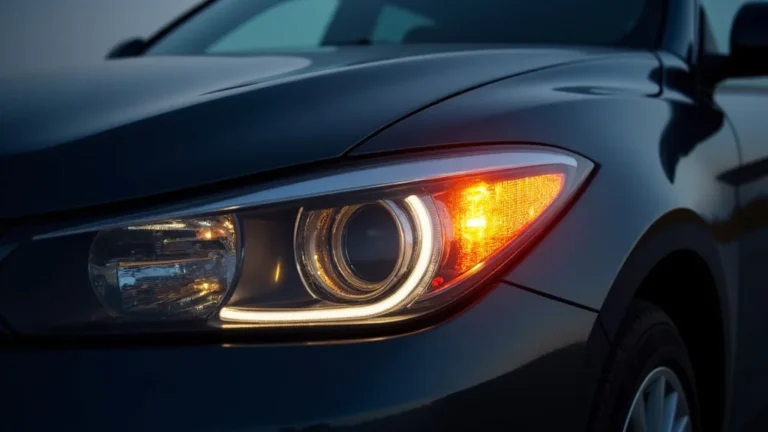
Fog Lights Automatic Not Working Troubleshooting Guide
Having trouble with your vehicle’s fog lights automatic not working can be frustrating, especially if you’re new to car maintenance. This issue is quite common, and many drivers experience it. Don’t worry, it’s usually fixable without a trip to the mechanic. We’ll explore the common causes and how to troubleshoot them, breaking down the process into easy-to-follow steps. Let’s get started and get those fog lights shining again!
Common Causes of Fog Lights Not Working
The first step in fixing your fog lights is figuring out why they’re not working. Several things can cause this problem, from a blown fuse to a faulty switch or wiring issue. Many people don’t know where to start, but with a bit of guidance, you can often identify the issue yourself. This section will look at the most typical culprits, so you can start your troubleshooting journey.
Blown Fuses and Their Function
A blown fuse is one of the most frequent reasons why fog lights won’t work. Fuses act like safety valves, protecting your car’s electrical system from power surges. When too much current flows through a circuit, the fuse blows, cutting off the power. It’s like a circuit breaker in your house, but smaller. You can usually find the fuse box under the dashboard or in the engine compartment. Check your car’s manual to locate the specific fuse for your fog lights. Remember to always
- What a Fuse Does: A fuse is a small safety device with a wire that melts when too much electricity passes through it, stopping the flow and preventing damage.
- How to Check a Fuse: You can usually tell if a fuse is blown by looking at the small wire inside. If it’s broken or melted, the fuse needs to be replaced. Use a fuse puller (often found in the fuse box) to remove it.
- Locating the Fuse Box: The fuse box can be found in two main locations: under the dashboard (inside the car) or in the engine compartment. Check your owner’s manual for its exact location.
- Replacing a Fuse: When you
- Fuse Types: There are different types of fuses (blade, mini-blade, etc.). Make sure you get the correct type for your car.
Switch Troubles
The fog light switch itself could be the problem. This switch is what tells the lights to turn on and off. Over time, the switch can wear out or become damaged. This can be caused by physical damage, wear and tear, or even water. Check the switch to see if it is broken or if it feels loose. Testing the switch is best done with a multimeter, but a visual inspection can sometimes reveal problems. Replacing the switch might be necessary to get your fog lights working again.
- Switch Functionality: The switch completes the electrical circuit, allowing power to flow to the fog lights.
- Common Issues: Switches can fail due to wear, internal corrosion, or physical damage.
- Testing the Switch: A multimeter can be used to test the switch and determine if it’s working. Check the continuity when the switch is engaged and disengaged.
- Visual Inspection: Check for any physical damage, such as cracks or broken parts, that might be visible.
Wiring Problems and Diagnosis
Damaged wiring is another possible cause of the fog lights failing. Wires can be damaged by wear and tear, exposure to the elements, or even animal interference. Look for any exposed wires, breaks in the insulation, or signs of corrosion. Troubleshooting wiring can be a little more involved, but using a multimeter to check for continuity can help pinpoint the problem. Repairing or replacing damaged wiring is often the solution to get your fog lights back on.
- Wire Functions: Wires carry electricity from the power source (like the battery or fuse box) to the fog lights.
- Common Problems: Wires can get frayed, corroded, or disconnected, disrupting the electrical flow.
- Visual Inspection: Look for any signs of damage, such as cuts, exposed wires, or corrosion, especially near the lights and connections.
- Using a Multimeter: A multimeter can be used to test for continuity in the wires, helping to identify breaks or other issues.
- Repairing Wires: Damaged wires can be repaired by using wire connectors or soldering. If the damage is extensive, you might need to replace the wiring harness.
Troubleshooting Fog Lights Automatic Not Working
If your fog lights automatic not working, there’s a process for finding the problem. It requires systematically checking each component of the system to isolate the issue. This systematic method prevents wasting time and ensures all potential problems are explored. Whether you are mechanically inclined or a beginner, a systematic approach can help you solve the problem.
Step-by-Step Diagnostic Method
The systematic method for troubleshooting fog lights involves a series of steps. Start with the easiest checks and move to more complex ones. Using this step-by-step approach will help you pinpoint the exact cause of the issue and fix it. Following these steps can often resolve the problem without needing a professional.
- Check the Fuses: Start by locating the fuse box and identifying the fuse for your fog lights. Remove the fuse and visually inspect it. If the wire inside is broken, the fuse is blown and needs to be
- Inspect the Switch: Check the fog light switch. Make sure it’s not physically damaged. Try toggling the switch on and off to see if the lights respond. If there’s no response, the switch might be faulty.
- Examine the Wiring: Inspect the wiring connected to the fog lights. Look for any loose connections, broken wires, or signs of corrosion. Pay close attention to the connections at the lights and the switch.
- Test the Bulbs: Check the bulbs themselves to make sure they’re not burned out. If the bulbs are burned out, replacing them will solve the problem.
- Use a Multimeter: Use a multimeter to check for voltage at the fog light connector. If there’s no voltage, the issue is likely in the wiring or switch.
Tools Needed for Repair
Having the correct tools makes troubleshooting easier. You don’t need a huge toolkit for this job, but certain tools make the process more efficient. These tools enable you to check circuits, test components, and make the necessary repairs. With the right tools, you’ll be well-prepared to tackle the problem.
- Multimeter: Used to test for voltage, continuity, and resistance in the electrical circuits. It helps you identify where the power is and isn’t flowing.
- Fuse Puller: A small tool to remove fuses from the fuse box easily and safely. Many fuse boxes include this tool.
- Screwdrivers: A set of screwdrivers (Phillips and flathead) to remove and replace screws when accessing components like the switch or lights.
- Wire Strippers/Crimpers: Needed for working with wiring, stripping insulation, and crimping connectors.
- Work Light: A flashlight or work light to provide visibility when working under the dashboard or in the engine compartment.
Safety Considerations
Working with car electrical systems demands some safety precautions. Electricity can be dangerous if handled improperly. Always disconnect the negative battery terminal before working on electrical components. This prevents any accidental shorts or electrical shocks. Following these safety guidelines helps protect you and your car’s systems.
- Disconnect the Battery: Before starting any electrical work, disconnect the negative (black) battery terminal to prevent electrical shocks and protect the vehicle’s electrical system.
- Wear Protective Gear: Wear safety glasses to protect your eyes. Gloves can protect your hands.
- Work in a Well-Lit Area: Make sure you have good lighting to see what you are doing, especially when working in tight spaces.
- Avoid Moisture: Ensure the work area is dry. Water and electricity don’t mix.
- Double-Check Your Work: Before reconnecting the battery, check all connections to make sure everything is properly connected.
Automatic Fog Light Issues
The “automatic” function of fog lights can add a layer of complexity. These systems often use sensors or other electronic components that could cause issues if they malfunction. A more in-depth exploration of the automatic function’s operation will help diagnose potential issues when the fog lights don’t work as they should.
How Automatic Systems Function
Automatic fog lights usually use sensors, often linked to the headlights or ambient light sensors, to switch the lights on and off. The car’s computer interprets the sensor data. When it detects low light conditions or reduced visibility (like fog or rain), the computer activates the fog lights. This system is designed for ease of use. However, these complex features also introduce several points of failure.
- Light Sensors: These sensors detect the ambient light levels. They are often located on the dashboard or near the rearview mirror.
- ECU (Engine Control Unit): The ECU receives signals from the sensors and controls the fog light relay.
- Relays: Relays are electronic switches that control the flow of power to the fog lights. If a relay fails, the fog lights won’t work.
- Wiring Harnesses: Complex wiring harnesses connect all these components. Damage to the harnesses can disrupt the system.
- Programming: The system relies on specific programming, and any issues within the car’s computer might lead to the automatic functionality not working.
Diagnosing Automatic System Problems
Troubleshooting automatic fog lights involves the same steps as manual systems, with the addition of checking sensors and the car’s computer. You might need a more advanced diagnostic tool to check the readings from the light sensors or test the fog light relay’s functionality. The diagnostic process can be more involved, potentially requiring professional assistance if you aren’t familiar with these systems. These troubleshooting tips will help you isolate and identify the problem.
- Sensor Inspection: Check the sensors (usually located on the dashboard) for any obstructions or damage.
- Relay Testing: Locate the fog light relay (check your car’s manual) and test it with a multimeter.
- Check for Codes: If you have an OBD-II scanner, use it to check for any diagnostic trouble codes (DTCs) related to the fog lights.
- Computer Reset: Sometimes, a computer reset can resolve issues. This can often be done by disconnecting the battery for a few minutes.
- Professional Help: If you can’t diagnose the issue yourself, consult a mechanic, especially if the problem seems related to the car’s computer system.
Common Problems with the Automatic Feature
Many things can go wrong with automatic fog light systems. The sensors can malfunction, the computer might have issues, or the wiring could be compromised. These common problems will give you a better idea of what to look for when diagnosing the issue. Recognizing these common failures can help simplify the troubleshooting process.
- Faulty Light Sensors: If the light sensor is damaged or malfunctioning, the automatic system won’t activate the fog lights when needed.
- Relay Failures: A faulty relay won’t allow the power to flow to the fog lights, even if the system is telling them to turn on.
- Wiring Issues: Damage to the wiring harness, particularly near the sensors or relays, can disrupt the signals or the power flow.
- Computer Glitches: Software bugs or system errors can prevent the computer from controlling the fog lights correctly.
- Programming Errors: If the car’s computer isn’t programmed correctly, the automatic system might not function as expected.
Preventive Maintenance and Tips
Preventative maintenance can help avoid future problems with your fog lights. Regular inspections and some easy habits can keep your fog lights working correctly for longer. Taking these steps can save you the time and effort of frequent repairs.
Regular Inspections and Care
Regular inspections are essential. Check your fog lights frequently. Look for any signs of damage to the lights, wiring, and switch. Cleaning the lenses can make sure the lights are as bright as possible. Keeping an eye on these components can help catch small problems before they grow into bigger ones.
- Visual Checks: Periodically examine the fog lights and surrounding components for any visible damage.
- Lens Cleaning: Clean the fog light lenses with a suitable cleaner to remove dirt and debris.
- Wiring Checks: Inspect the wiring for any signs of wear, such as fraying or corrosion.
- Switch Functionality: Test the fog light switch periodically to make sure it functions correctly.
- Bulb Replacement: Replace burned-out bulbs immediately to maintain visibility.
Improving Fog Light Performance
You can enhance the performance of your fog lights by using the right bulbs and keeping them clean. Using high-quality bulbs can make a real difference in how well you see in foggy conditions. Keeping the lenses clean makes certain that the light is not obstructed. Simple modifications can improve the lights’ effectiveness.
- Use High-Quality Bulbs: Choose bulbs designed for fog lights, as they provide better light output in foggy conditions.
- Keep Lenses Clean: Regularly clean the fog light lenses to remove any dirt or debris that could reduce light output.
- Check Alignment: Ensure your fog lights are aligned correctly to provide optimal illumination.
- Avoid Overuse: Only use fog lights when necessary (fog, heavy rain, snow) to prevent unnecessary wear and tear.
- Consider Upgrades: If your fog lights are not effective, consider upgrading to brighter LED or halogen bulbs.
Long-Term Care Tips
Some simple habits can significantly affect the longevity and reliability of your fog lights. Proper maintenance can prevent problems. Protecting your fog lights from the elements and making regular checks can help you get the most out of your lights.
- Protect from the Elements: Parking your car in a garage or under cover can protect your fog lights from weather damage.
- Regular Checks: Make sure to check your fog lights regularly.
- Professional Inspection: Take your car to a mechanic for professional inspections.
- Address Issues Promptly: Don’t ignore any issues.
- Follow Recommendations: Follow your vehicle’s manual.
Frequently Asked Questions
Question: What do I do if my fog lights work sometimes but not others?
Answer: Intermittent fog light operation often points to a loose connection or a failing relay. Check all wiring connections, especially at the lights and switch, and consider replacing the fog light relay.
Question: Can I
Answer: Yes, you can
Question: Where can I find the fuse for my fog lights?
Answer: The fuse box location varies by car, but it’s typically under the dashboard or in the engine compartment. Check your owner’s manual to find the exact location and the fuse’s identification.
Question: What is a relay, and why is it important for fog lights?
Answer: A relay is an electrical switch that uses a small current to control a larger one. In fog lights, the relay switches the high-current power on and off to the bulbs when the switch is activated.
Question: My fog lights won’t turn on automatically, but the manual function works. What’s wrong?
Answer: This problem indicates an issue with the sensors or the car’s computer controlling the automatic function. Check the light sensor on the dashboard and have a mechanic check the computer for any trouble codes.
Final Thoughts
If you’ve been experiencing issues with your fog lights automatic not working, remember that with a bit of effort, you can often fix the problem yourself. Start by checking the basics: fuses, the switch, and the wiring. Remember to use the correct tools and prioritize safety. If you have an automatic system, look at the sensors and relays. Don’t be afraid to consult a mechanic if you’re not comfortable. By systematically going through these steps, you can troubleshoot and get those fog lights working. This approach will save you time and money. With a bit of knowledge and the right approach, you can restore your fog lights to full function and improve your driving safety in foggy conditions. Good luck!