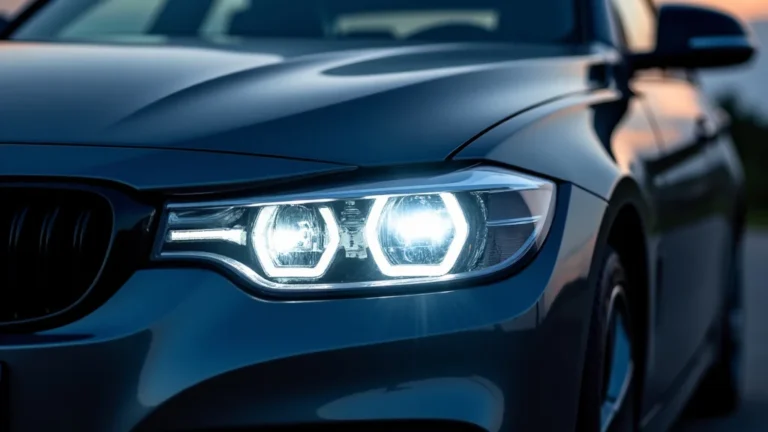
Clean Headlights: The Simple Guide to DIY Cleaning
Cleaning your car’s headlights can seem like a chore. Many people worry about damaging their headlights or not getting good results when they try to clean them themselves. This is understandable; it’s a process many people find tricky. However, it’s easier than you think. You can easily clean your headlights with a few common supplies. This guide will show you a simple, step-by-step approach to help you restore your headlights. We’ll explore the best ways to get clear headlights.
What Causes Cloudy Headlights
Headlights become cloudy for a few main reasons. Over time, the clear plastic lens covering your headlights starts to break down. This is mainly because of exposure to the sun’s ultraviolet (UV) rays. These rays cause the plastic to oxidize, which is a fancy way of saying it rusts, but it’s not the same kind of rust that forms on metal. It’s more of a chemical reaction where the plastic molecules change, making the surface rough and less transparent. This also leads to a yellowing or haziness that reduces how much light shines through, making it harder to see at night. This breakdown doesn’t happen instantly; it’s a gradual process.
The Role of UV Rays and Oxidation
Ultraviolet (UV) rays, invisible to the eye, are a primary cause of headlight cloudiness. They hit the plastic lenses of your headlights daily. This constant exposure causes a process known as oxidation. Think of oxidation like the aging of the plastic. Just as metal rusts when it interacts with oxygen and moisture, plastic degrades when exposed to UV light. The plastic molecules break down and the surface starts to become uneven and hazy. This oxidation process not only affects clarity but also changes the color, often resulting in a yellow or cloudy appearance. Headlights exposed to intense sunlight or harsh weather conditions will show the effects of oxidation more quickly.
- UV Light Impact: UV light’s energy breaks down the chemical bonds in the plastic, leading to surface degradation.
- Plastic Composition: The type of plastic used in headlights matters. Some plastics are more resistant to UV damage than others.
- Weather Effects: Rain, snow, and extreme temperatures can accelerate the oxidation process, making headlights cloudy faster.
- Chemicals and Road Grime: Exposure to road salt, exhaust fumes, and other chemicals can also contribute to headlight cloudiness.
The type of plastic used and any protective coatings applied during manufacturing also affect how quickly headlights become cloudy. Some headlight lenses have a UV-resistant coating, which slows down the oxidation process. The quality and maintenance of these coatings are vital. The environment where you live and drive makes a difference, too. Areas with strong sunlight or heavy air pollution can lead to quicker degradation. Regular cleaning and care can slow down the process and maintain the clarity of your headlights.
Identifying the Signs of Cloudiness
Recognizing the signs of headlight cloudiness is the first step in addressing the issue. The most obvious sign is a visual change. Your headlights might appear yellowed, hazy, or cloudy. You might notice this more during the daytime or when the headlights are off. Another sign is reduced light output. At night, it will be harder for you to see the road. This can make driving dangerous. Over time, the light from the headlights will become dimmer, and the beam of light will be less focused. This means the light scatters instead of focusing on the road ahead. You may also notice small cracks or pits on the surface. These are tiny imperfections that catch and scatter light.
- Visual Discoloration: Look for yellowing or a cloudy appearance on the headlight lenses.
- Reduced Light Output: Dimmer headlights at night or in low-light conditions are a key indicator.
- Beam Focus Issues: Observe if the headlight beams are scattered rather than focused, reducing visibility.
- Surface Imperfections: Small cracks, pits, or rough patches on the lens can signal cloudiness.
The severity of the cloudiness can vary. Sometimes, it’s a mild haze. Other times, the lenses are severely yellowed. The changes happen over time, and you might not notice them right away. Regular inspections are helpful. Compare your headlights to when they were new. This can help you identify changes. Early detection and cleaning will help keep your headlights in good condition and ensure good visibility when driving at night. If you’re unsure, a professional can assess the cloudiness.
The Dangers of Cloudy Headlights
Cloudy headlights are more than just an aesthetic problem; they pose several dangers. Reduced visibility is a big problem. When headlights are cloudy, they don’t shine as brightly. They cast less light on the road, making it harder to see. This increases the risk of accidents. Cloudy headlights also affect how well other drivers can see your car. Dim or diffused headlights can be hard for other drivers to spot. This can be especially dangerous at night or in bad weather. The reduced visibility increases the chances of collisions.
- Reduced Night Visibility: Diminished light output makes it difficult to see the road, pedestrians, and obstacles.
- Increased Accident Risk: Reduced visibility significantly raises the chances of crashes, especially at night.
- Impaired Signaling: Cloudy headlights can make it hard for other drivers to see your car, increasing collision risk.
- Poor Visibility in Bad Weather: Rain, fog, and snow make it even harder to see through cloudy headlights.
Cloudy headlights can lead to safety hazards. They may also result in fines in some areas, as they can violate vehicle safety standards. Regularly checking and cleaning your headlights helps keep you and others safe on the road. The clear light from clean headlights is important for overall road safety. Addressing the issue early can prevent many safety risks. Taking steps to keep your headlights clean is a simple and effective way to improve your driving safety.
Steps to Do It Yourself Headlight Cleaner
Cleaning your headlights at home is achievable with basic supplies and a few simple steps. The process involves cleaning the lens surface to remove oxidation and restore clarity. First, gather your supplies. You’ll need a headlight cleaning kit or supplies you can find at home. Safety comes first. Do this in a well-ventilated area. Protect your car’s paint from any chemicals that might spill. You want the best results, so let’s start!
Gathering Your Supplies
Before you start, make sure you have everything you need. This makes the whole process smoother. A good do it yourself headlight cleaner process needs specific items. You can often purchase a headlight restoration kit. These kits usually include sandpaper of varying grits, a polishing compound, and a sealant. If you want to use household items, you can use these.
- Sandpaper: You’ll need different grits of sandpaper. Start with a coarse grit (like 600 or 800) and move to finer grits (1000, 2000, or even higher).
- Polishing Compound: This will help to remove scratches and restore clarity. A good quality compound will make the process easier.
- Protectant: A UV sealant or wax helps protect the lenses from future oxidation.
- Cleaning Solutions: Mix water and mild soap for cleaning.
- Masking Tape: This will protect the surrounding paint from scratches or chemicals.
Also, make sure you have clean cloths or microfiber towels. You’ll need these for wiping and buffing the headlights. Some kits include applicators. Gloves are a good idea, too, to protect your hands from chemicals and abrasion. Have a bucket of water on hand for rinsing your sandpaper. Make sure all your items are clean and ready to go. You can find these items at your local auto parts store, hardware store, or even some grocery stores.
Preparing the Headlights and the Car
Before you start cleaning, prepare the headlights and the area around them. Start by cleaning the headlights with soap and water to remove loose dirt and grime. Then, use masking tape around the edges of the headlights. This protects the car’s paint from being scratched or damaged by the sandpaper and polishing compounds. Be careful about where the tape is placed. Make sure you fully cover the areas around the headlight. Ensure the headlights are dry before you begin sanding.
- Washing: Wash the headlights with soap and water to remove loose dirt.
- Taping: Use masking tape around the edges to protect the surrounding paint.
- Drying: Ensure the headlights are completely dry before sanding.
- Inspection: Examine the headlights for severe damage or deep scratches, which might require extra attention.
It’s important to work in a well-ventilated area. If you’re using harsh chemicals, consider wearing gloves and eye protection. Make sure your car is parked somewhere with good lighting. This will help you see the areas you are working on. With the headlights prepped, you are ready to sand them. Carefully prepare the area. Taking these steps makes the process cleaner. It protects your car and makes the cleaning process more effective.
Sanding and Polishing the Headlights
Sanding is a key part of the do it yourself headlight cleaner process. Start with the coarsest grit sandpaper. Gently sand the headlights in a back-and-forth motion, keeping the surface wet with water. This helps prevent scratches. You’ll notice the haze and yellowing start to disappear as you sand. Change to the finer grits of sandpaper after sanding with the coarser grit. Repeat the sanding process with each finer grit, always keeping the surface wet. This smoothes out the scratches from the previous grit.
- Coarse Sanding: Start with the coarsest grit sandpaper (600-800) and sand wet, applying even pressure.
- Transition to Finer Grits: Move to finer grits (1000, 2000+) to remove scratches left by previous grits.
- Polishing Compound: Apply the polishing compound to the headlight. Then use a polishing pad or microfiber cloth to polish the lens.
- Buffing: Use a clean microfiber cloth to buff the headlight until clear.
Once you’re done sanding, it’s time to polish. Apply the polishing compound to the headlight. Use a polishing pad or microfiber cloth. Rub the compound in circular motions to remove any remaining haze and scratches. You should notice the lens becoming clearer. Use a clean microfiber cloth. Wipe the headlight until it is clear and shiny. Proper sanding and polishing will remove the surface damage. It will restore the headlight’s clarity. With this process, your headlights will look much better.
Applying a Protectant
After polishing, applying a protectant helps maintain the clarity of your headlights. This protects them from future damage. Choose a UV sealant or wax designed for headlights. Apply the protectant evenly to the headlight surface. Make sure you follow the manufacturer’s instructions. A thin coat of protectant creates a barrier against UV rays and other environmental factors. This prevents the plastic from quickly clouding again.
- Choosing the Right Protectant: Select a UV sealant or wax specifically for headlights.
- Application: Apply the protectant evenly across the headlight surface.
- Following Instructions: Carefully follow the manufacturer’s instructions for the best results.
- Curing and Drying: Allow the protectant to cure or dry completely as directed.
After applying the protectant, allow it to dry or cure as directed. This step is important for the product to properly bond to the headlight surface and provide the best protection. Once the protectant is dry, remove the masking tape. Your headlights should now be clear and protected. Periodic maintenance and reapplication of protectant will help keep your headlights in good condition and ensure good visibility. Maintaining that protection layer will keep your headlights clear for longer.
Advanced Techniques and Tips
While the basic steps are effective, some extra techniques can enhance your do it yourself headlight cleaner efforts. These strategies may yield even better results. They can also help you deal with tough cases. Some headlights are badly damaged. Others may need a bit more care. The following suggestions will help you get the best results.
Dealing With Stubborn Cloudiness
Sometimes, cloudiness is tough to remove. Headlights with deep oxidation or damage may need extra attention. You may have to repeat the sanding process. Work methodically to get the best results. Start by thoroughly cleaning the headlight. Remove any dirt or grime. Inspect the headlight carefully to assess the extent of the damage. This will guide your cleaning. If the cloudiness is severe, you may need to spend more time sanding.
- Deep Cleaning: Use a degreaser or specialized headlight cleaner to remove tough grime.
- Extended Sanding: Repeat the sanding steps, using the appropriate grits of sandpaper.
- Multiple Polishing: Apply polishing compound more than once, if needed.
- Professional Tools: For very bad cases, a rotary polisher with the correct pads can speed up the process.
In cases of severe oxidation, you may need to use a more aggressive approach, such as starting with a coarser grit sandpaper. Just be careful not to damage the plastic. Be patient, and keep working methodically. After sanding, you may need to apply the polishing compound several times. This will help to remove any remaining scratches. Sometimes, the best results come from using a rotary polisher. However, these require more experience. If the cloudiness persists, consider seeking professional help. Professionals have tools and experience that can handle the worst cases.
Choosing the Right Polishing Compound
The type of polishing compound you use matters. Different compounds are made for different purposes. Some are designed for cutting, and others for polishing. Cutting compounds are stronger. They help to remove scratches. Polishing compounds are gentler. They are for the final step. When choosing a polishing compound, look at the manufacturer’s recommendations. Choose a compound that matches your headlight material. Also, consider the level of cloudiness.
- Compound Types: Understand the difference between cutting and polishing compounds.
- Compatibility: Make sure the compound is safe for plastic headlights.
- Abrasive Level: Choose the compound based on the severity of cloudiness.
- Brand Reputation: Select products from trusted brands with good reviews.
For mild cloudiness, a polishing compound should be enough. For more severe cases, start with a cutting compound. Then, follow up with a polishing compound. The correct compound will help remove scratches. Also, it will restore clarity. Read the labels and reviews. This helps you choose the right product. By selecting the right polishing compound, you can ensure that you achieve the best possible results when cleaning your headlights. You’ll get clear and bright headlights. Use a trusted brand, and ensure it is safe for your car.
Using a Power Buffer
A power buffer can speed up the process of headlight restoration. Power buffers use a rotating pad to polish the headlights. This makes the job quicker than polishing by hand. There are different types of power buffers. The most common is a dual-action (DA) polisher. These are safer for beginners. They’re less likely to damage the plastic. Before you use a power buffer, clean and sand the headlights. Then, apply the polishing compound to the headlight surface.
- Dual-Action Polishers: These are safer and easier to control.
- Rotary Polishers: These can be faster but require more skill.
- Pad Selection: Choose the right polishing pad for your compound.
- Technique: Use light pressure and work in overlapping passes.
With the power buffer, work in overlapping passes. Move the buffer across the headlight surface. Apply light to medium pressure. Make sure not to hold the buffer in one spot too long. This will prevent damage. Keep the pad moving. Once you have finished polishing, wipe off the residue with a microfiber cloth. The result will be clear, bright headlights. A power buffer can save time and effort. It will also help you get professional-level results. Practicing on a small area first is a good idea. That way, you get the hang of using the buffer.
Maintaining Your Headlights
Once you’ve restored your headlights, keeping them clean is key. Regular care will help maintain the clarity and extend the life of your headlights. This reduces the need for frequent restoration. It also keeps you safer on the road. Here’s a look at ways to maintain and take care of your headlights to keep them clear.
Regular Cleaning and Care
Regular cleaning is a simple way to maintain your headlights. Wash your car regularly. Include the headlights in your cleaning routine. Use mild soap and water. Avoid harsh chemicals or abrasive cleaners. These can scratch or damage the plastic. Wipe your headlights with a soft cloth or microfiber towel. Inspect your headlights regularly. Look for early signs of cloudiness or damage. Early detection allows you to address issues. This will prevent them from getting worse.
- Washing Frequency: Wash your headlights with mild soap and water when you wash your car.
- Gentle Cleaning: Avoid harsh chemicals and use a soft cloth to prevent scratches.
- Regular Inspections: Check for clouding or damage monthly.
- Prompt Action: Address any issues immediately to prevent them from worsening.
Consider applying a headlight protectant or sealant. This will help to reduce UV damage. Reapply the protectant as needed. Make sure you park your car in a garage or shaded area whenever possible. Limiting the amount of time your headlights are exposed to direct sunlight will help slow down oxidation. If you live in an area with a lot of road debris, consider installing headlight protectors. This creates a physical barrier to protect your headlights from damage. Taking these steps makes sure your headlights stay clear. They also keep them in good shape for a long time.
Using Headlight Protection Products
There are several products made to protect your headlights. These products help to keep your headlights clear. UV protectants are very effective at blocking UV rays. Applying a UV protectant can slow down the process of oxidation and yellowing. Sealants are similar. They create a barrier on the headlight surface. This will protect against environmental factors. You can also use headlight film. It is a thin, clear film that you apply to the headlight. The film protects against scratches, road debris, and UV rays. Consider the type of protection that is best for your car. Then use that product.
- UV Protectants: These reduce the effects of ultraviolet radiation.
- Sealants: Create a protective barrier against environmental factors.
- Headlight Film: Offers physical protection against scratches and debris.
- Regular Application: Reapply protectants as directed to maintain effectiveness.
When choosing a product, consider your needs. Make sure you read the product’s instructions. Ensure the product is designed for your headlight type. Also, consider the climate. If you live in an area with strong sun or harsh weather, you may need a more durable product. If you’re using film, make sure you properly install it. You can follow the instructions or have a professional install the film. Using headlight protection products helps to maintain the clarity and appearance of your headlights. They also extend the life of the headlight. They ensure the best performance and safety for your driving.
Preventative Measures and Driving Habits
Several actions will help protect your headlights. These things can extend their life and maintain clarity. Make sure you park your car in a garage or shaded area whenever you can. This will reduce your headlights’ exposure to sunlight. Avoid driving in extreme weather conditions. This will help to reduce exposure to road debris and chemicals. Consider your driving habits. Reduce harsh braking or accelerating. These actions can cause scratches or damage. Make sure you inspect your headlights regularly. This can help you address issues as soon as you see them.
- Shaded Parking: Park in a garage or shaded area when possible.
- Weather Awareness: Reduce driving in extreme conditions.
- Safe Driving: Avoid harsh braking and accelerating to protect headlights.
- Regular Inspections: Check headlights monthly for any signs of damage.
You can also use a good quality car wash soap. This helps clean your headlights. It avoids damage from harsh chemicals. If you notice any damage or clouding, take action right away. Don’t wait to address the issue. Implementing these measures helps protect your headlights. It also keeps them clear. This ensures good visibility and extends the life of your headlights. They keep your headlights looking better for longer. They also improve your driving safety.
Frequently Asked Questions
Question: How often should I clean my headlights?
Answer: Clean your headlights every few months. More often if you notice cloudiness or live in an area with harsh weather.
Question: Can I use toothpaste to clean my headlights?
Answer: Yes, but it’s not the best method. Toothpaste can work for light cloudiness. However, it’s not as effective as specialized cleaners.
Question: What’s the best way to prevent my headlights from clouding up?
Answer: Park in a garage or shade whenever possible, and use a UV protectant or headlight film.
Question: How long does a headlight restoration last?
Answer: It depends on the weather, care, and the products used. With proper care and protectants, it can last for several years.
Question: Should I use a kit or buy the supplies separately?
Answer: Kits are convenient and usually include all the supplies you need. Buying separately lets you choose the best products. It depends on your preference.
Final Thoughts
Keeping your headlights clear is easy. Restoring cloudy headlights with a do it yourself headlight cleaner is an achievable project for anyone. With the correct supplies and a few simple steps, you can greatly improve your car’s look and safety. This guide covers everything from understanding the causes of cloudiness to the proper way to clean and protect your headlights. Remember, regular maintenance is key. Clean your headlights, then protect them with a UV protectant. This will keep them clear for longer. You don’t need to be a car expert. You can take steps to improve your driving visibility. So, gather your supplies, and start cleaning your headlights. Clear headlights help you see and be seen. They also make your car look great! With a bit of effort, you can make a big difference in how your car looks and drives. Get started today!