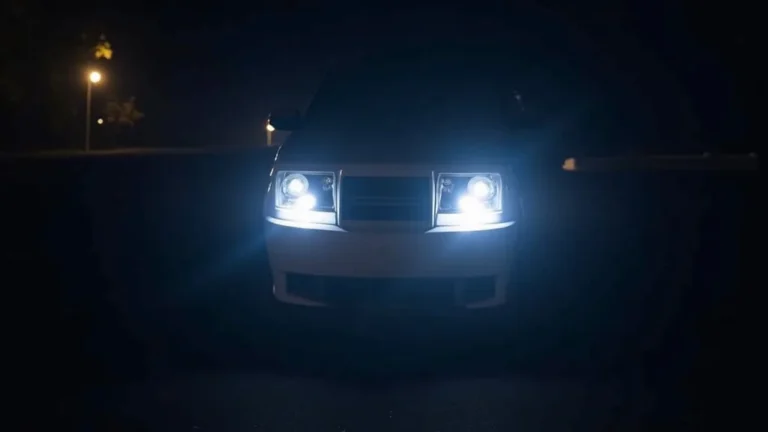
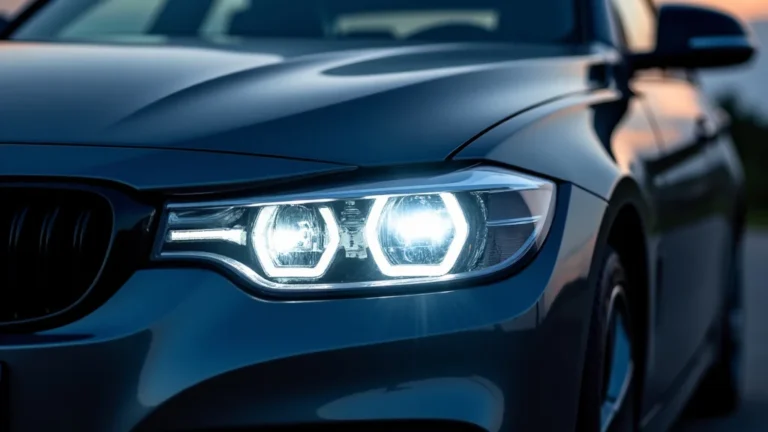
Should You Replace Both Headlights at Once? Answers Inside
Figuring out if you need to
The Basics of Headlight Replacement
When a headlight goes out, it’s natural to think about a quick fix. You might be tempted to just replace the burnt-out bulb and move on. However, there’s more to it than meets the eye. Headlights are vital for safe driving at night or in low-visibility conditions. They light your path and allow other drivers to see you. Understanding how headlights work and the various types available is an important first step.
Headlight Types Explained
Different cars use different headlight types, and each has its own characteristics. These headlight types vary in brightness, lifespan, and energy efficiency. Choosing the right one can make a big difference in visibility and driving safety. Knowing the type of headlight your car uses is important. Let’s explore the popular ones.
- Halogen Bulbs: These are the most common and the most affordable. They use a filament that glows when electricity passes through it. The light produced is bright enough for driving but tends to have a shorter lifespan than other types.
- LED Headlights: LED lights are becoming increasingly popular. They use light-emitting diodes that are highly energy-efficient and last much longer. LED lights offer a brighter, whiter light and consume less power, increasing fuel efficiency.
- High-Intensity Discharge (HID) Xenon: HID headlights use a gas-discharge technology. They produce a very bright light, often bluer than halogen. These lights require more power and a ballast to operate.
Halogen lights are often the standard option for many vehicles. They are relatively inexpensive to replace, but their lower lifespan means more frequent replacements. They emit a warm, yellow light, which might not be as effective in adverse weather conditions compared to other options.
LEDs (Light Emitting Diodes) are known for their efficiency and long life. The initial cost might be higher, but the lifespan and improved visibility make them a good long-term choice. Many new cars come standard with LED headlights.
HID lights offer intense light output, improving visibility significantly. They are a step up from halogen bulbs, but they can be more expensive to replace, and the ballast might need replacing over time. They give a clear white or slightly blueish light.
The Science Behind Headlight Performance
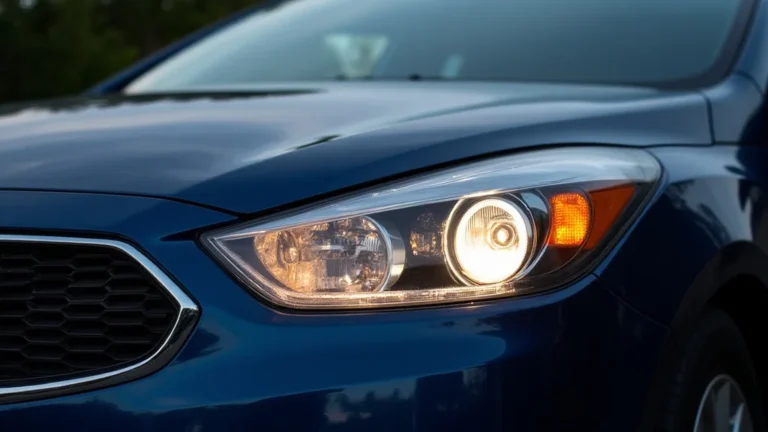
Headlights are not just bulbs; they are parts of a system designed to illuminate the road. The reflector and lens are key components. The reflector shapes the light, and the lens focuses it. Any degradation in these components can affect headlight performance, reducing visibility. Keeping these things in mind helps inform your headlight replacement choices.
- Reflector: The reflector directs the light from the bulb forward. Over time, the reflector can become dull or corroded. This can reduce the light’s output, making the headlights less effective.
- Lens: The lens covers the headlight and protects it from the elements. Over time, the lens can become cloudy or yellowed. This can reduce the amount of light that passes through.
- Brightness: Headlight brightness is measured in lumens. A higher lumen rating means a brighter light. The type of headlight you have impacts the light output.
The reflector’s job is crucial. If it’s not reflecting light properly, the headlight won’t shine as brightly. This is why checking the reflector is a good idea when doing a headlight replacement.
A clear lens is important for good visibility. If the lens is clouded, it can scatter the light and reduce how far you can see. Cleaning or replacing the lens is sometimes required to restore optimal headlight performance.
Understanding lumens helps you compare the brightness of different headlight types. For safety, it’s a good idea to ensure your headlights are bright enough for your driving conditions.
Reasons to Replace Both Headlights at the Same Time
There are good reasons to consider replacing both headlights at the same time. While it might seem easier to replace just the faulty bulb, doing both can provide benefits. This approach helps ensure equal light output, maintains a consistent look, and can save time in the long run. Let’s delve into these factors to help decide the best approach for replacing your headlights.
Matching Brightness and Color Temperature
One of the main benefits of replacing both headlights is to ensure a matching output. When one bulb burns out, the other has already been used for a while. Even if it seems okay, its light output could be dimmer than a brand new bulb. Replacing both ensures you have even illumination on both sides of your car. This is important for driving safety and visibility.
- Uneven Light Output: When one headlight is old, it might not shine as brightly as a new one. This can create an uneven pattern of light on the road, making it harder to see.
- Color Differences: Headlights can also change color over time. A new bulb might have a different color temperature than an older one. This can affect visibility and the overall look of your vehicle.
- Aesthetics: Replacing both headlights also ensures that your car looks uniform. Different colors or levels of brightness can be distracting and make your car look worn.
Uneven light can lead to problems seeing hazards. The dimmer headlight may not illuminate as far, reducing reaction time. The difference in brightness can also cause eye strain.
A color difference can make it harder to judge distances at night. When headlights have different hues, it can confuse your vision and impact how well you see the road.
A matched set of headlights enhances the appearance of your car. It gives a sense of care and maintenance, and it makes your car look better on the road.
Preventive Maintenance and Longevity
Replacing both headlights together can also be considered a form of preventive maintenance. If one bulb has failed, the other isn’t far behind. Replacing both at the same time reduces the chances of needing to replace the other bulb soon after. This is a cost-effective choice.
- Expected Lifespan: Headlights have a limited lifespan. Replacing both at the same time ensures that both bulbs start with similar usage.
- Reduced Future Downtime: Replacing both bulbs together reduces the chance of a second failure. This saves you time and the inconvenience of a second replacement.
- Cost Savings Over Time: Although the initial cost is higher, you might save money in the long run. You avoid the need to buy and install another bulb soon after.
Knowing the lifespan of your headlights helps to plan replacements. If the bulbs are nearing the end of their life, it’s a good idea to replace both to avoid a future failure.
Preventing future issues saves you time and effort. It’s often easier to do both at once than to schedule a separate replacement.
Replacing both can save money and prevent future costs. The longer lifespan and consistent performance will bring value over time.
When Replacing a Single Headlight Is Okay
There are instances where replacing just one headlight might be reasonable. If the other bulb is relatively new or if budget is a concern, replacing only the failed bulb might make sense. However, consider the points earlier to ensure optimal visibility and safety. Weigh the pros and cons based on your specific situation.
New Bulbs and Recent Replacements
If you recently replaced the other headlight, replacing just the one that failed may be fine. This is especially true if the other headlight is still under warranty. In such situations, the risk of the other bulb failing soon is smaller. This saves money.
- Warranty Considerations: If one headlight is under warranty, replacing only the faulty one may be a good idea. This allows you to take advantage of the warranty on the other.
- Bulb Age: If the other bulb is relatively new, it may still provide good light output. You can delay replacement to avoid unnecessary expenses.
- Budget Constraints: Sometimes, a limited budget might force you to replace only the failed bulb. This is acceptable as a short-term solution, provided safety is a top priority.
Warranty coverage is a factor in deciding whether to
Bulb age is an important factor. If the other bulb is still relatively young, it might not be worth replacing it at the same time.
Budget constraints are real, and you might have to make choices that affect vehicle maintenance. Even with a tight budget, safety should always be the primary concern.
Types of Headlight Problems
The type of problem the headlight has can also affect your decision. If the problem is due to a simple bulb failure, it may be fine to replace just the bulb. If the issue is related to the housing or other components, both headlights may need attention.
- Burned-Out Bulb: A burned-out bulb is the most common reason to replace a headlight. In this case, replacing just the bulb often fixes the problem.
- Housing Damage: Damage to the headlight housing, such as cracks or water damage, can affect both headlights. This means both may require replacement.
- Wiring Issues: Wiring problems can also affect headlight performance. If the wiring is damaged, it may be needed to have the entire system checked, as it might impact both headlights.
A simple bulb replacement can solve the issue quickly. If the housing and other components are intact, this may be all you need.
Housing damage can be a bigger problem. It can affect visibility and protect against road hazards. Replacing the entire housing may be needed for full function.
Electrical issues can be complex and should be reviewed by a professional. This could mean more extensive repairs than a simple bulb replacement.
Step-by-Step Headlight Replacement Guide
Replacing headlights can often be done by a car owner. The process varies, depending on your car’s make and model. Following these steps helps make sure the process goes smoothly and safely. Before you begin, always refer to your vehicle’s owner’s manual for specific instructions and warnings.
Gathering Necessary Tools and Materials
Before beginning, gather all the tools and materials you’ll need. This preparation saves time and ensures a smooth process. Having everything ready minimizes interruptions. Gather the following.
- New Headlight Bulbs: Ensure you have the right type of headlight bulbs for your vehicle. Check the owner’s manual or the old bulb itself to make sure.
- Screwdrivers and Wrenches: Depending on your car, you may need a variety of screwdrivers and wrenches. A basic set should be enough.
- Gloves: Wearing gloves protects your hands from dirt and sharp edges. It also helps to keep the bulb clean during installation.
- Owner’s Manual: Refer to your car’s owner’s manual for specific instructions on how to remove and replace the headlights.
Using the correct bulb is important for optimal performance. You can often find the bulb type on the old bulb. Buying the wrong bulb won’t work.
Various screw sizes are used, so a screwdriver set can be helpful. Having the correct tools makes it easier to remove and install the headlights.
Gloves keep your hands clean and prevent oils from getting on the new bulb. Oils can reduce the bulb’s lifespan.
The owner’s manual has specific directions for your car. These directions are essential for a smooth, safe replacement.
Safety Precautions and Procedures
Safety should be your main focus when doing any car maintenance. Following these steps protects you from injuries and damage to your vehicle. Always start with the fundamentals.
- Park on a Level Surface: Park your car on a flat surface and engage the parking brake. This prevents the car from rolling while you are working.
- Turn Off the Ignition: Make sure the ignition is off and the key is out. This avoids any electrical issues during the replacement.
- Disconnect the Negative Battery Terminal: Disconnecting the negative terminal of the car battery prevents any chance of electrical shock. This is an extra safety measure.
- Wear Safety Glasses: Protect your eyes from any debris that might fall during the process. Safety glasses are a good safety measure.
A level surface is key for a stable workspace. Engaging the parking brake adds an extra layer of safety.
This is important for safety and for preventing damage to your car’s electrical system. Never work on the headlights while the car is running.
Disconnecting the negative terminal ensures that there’s no electricity flowing through the headlight circuit. This reduces the risk of injury.
Eye protection is important. Debris can cause serious damage to your eyes. Safety glasses are important for protecting you.
Replacing the Headlights
Once you have all your tools and taken safety precautions, you can proceed with the replacement. This typically involves removing the old headlight and installing the new one. Follow these detailed steps to perform the replacement.
- Locate the Headlight Assembly: Open the hood of your car and find the headlight assembly. Refer to your owner’s manual if you’re unsure where it is.
- Remove the Headlight Assembly: Depending on your car, you might need to remove screws, clips, or other fasteners to remove the headlight assembly.
- Disconnect the Wiring Harness: Carefully disconnect the wiring harness from the back of the headlight. This is a crucial step for removing the old bulb.
- Remove the Old Bulb: Remove the old bulb from the headlight assembly. The process varies, but it typically involves twisting or unclipping the bulb.
- Install the New Bulb: Insert the new bulb into the headlight assembly. Make sure it’s secure and in the correct position. Handle the bulb by the base to avoid touching the glass.
- Reconnect the Wiring Harness: Reconnect the wiring harness to the new headlight bulb. Make sure it’s secured properly.
- Replace the Headlight Assembly: Place the headlight assembly back into your car and reattach any screws, clips, or fasteners.
- Test the New Headlights: Turn on your headlights to ensure the new bulb works correctly. Check both headlights to ensure they both work correctly.
- Reconnect the Battery: Reconnect the negative battery terminal. Make sure it is securely attached.
The manual is an important reference. It tells you exactly where the headlights are located and how to access them.
Removing the headlight assembly can vary. Some cars have simple clips, others need screws. Follow the manual to avoid any damage.
Disconnecting the wiring harness is crucial for safety. It stops electricity from flowing to the bulb, reducing risks.
Each bulb has a unique way of being secured. Following the right method prevents any damage to the headlight assembly or wiring.
Proper positioning of the new bulb is important for light performance. Touching the glass can affect its lifespan, so handle it carefully.
A proper connection is important for the headlight to work. A loose connection will cause issues.
Putting everything back in place makes sure everything is secure and protects the headlight.
Testing your headlights confirms that everything is working right. Check for brightness and light spread.
Reconnecting the battery lets the car function normally. Make sure the terminal is secure to avoid electrical issues.
Frequently Asked Questions
Question: Is it always necessary to replace both headlights at the same time?
Answer: Not always, but it is often recommended for consistent light output, aesthetic appearance, and preventing future replacements. Consider the age of the other bulb and your budget.
Question: What’s the main reason for replacing both headlights at once?
Answer: Replacing both at once ensures even light output and a consistent color temperature, which is essential for driving safety and a uniform appearance.
Question: Can I replace one headlight if the other one is brand new?
Answer: Yes, if the other headlight is relatively new or recently replaced, you can replace just the faulty bulb. However, keep in mind that the new bulb might have a slightly different color.
Question: What if my headlight housing is damaged?
Answer: If the headlight housing is damaged, you will likely need to replace both the housing and the bulbs. Damage to the housing can affect the performance of both headlights.
Question: How often should I replace my headlights?
Answer: The lifespan of headlights varies. Halogen bulbs typically last for about 500-1,000 hours, while LEDs can last for several years. It’s best to check your owner’s manual for specific recommendations.
Final Thoughts
Deciding do i need to replace both headlights at the same time is often the right choice. Replacing both ensures consistent light output, a uniform look, and potentially saves you time in the future. Although replacing just one might work in certain circumstances, keep in mind the potential impact on visibility and the lifespan of the other bulb. Consider factors like bulb age, color temperature, and the overall condition of your headlights.
The next time a headlight burns out, explore replacing both for better visibility. With a little maintenance and thought, you can maintain safe driving. Consider this a key part of your car upkeep for safe drives and peace of mind.