Can You Have Colored Headlights Legally? A Simple Guide
Thinking about modifying your car’s lights? A very common question for people just starting is can you have colored headlights. It can be a little tricky to figure out the rules. Don’t worry, though! We’re here to help you get the facts straight and avoid any problems. We’ll break down the regulations and show you exactly what you need to know. We’ll explore the colors and the legal side of things, providing all the information you need to make informed decisions about your car’s look. Let’s get started!
Regulations for Colored Headlights: What You Need to Know
The rules about headlights often seem confusing. This section will clear up the basic regulations so you can make informed choices. It’s a mix of national laws and local rules, so paying attention to both is important. The main concern is ensuring safety for everyone on the road. Many jurisdictions have clear guidelines about the acceptable colors for headlights, and violating these can lead to fines or even more serious consequences. Knowing the laws helps you stay safe and out of trouble.
Legal Colors and Restrictions
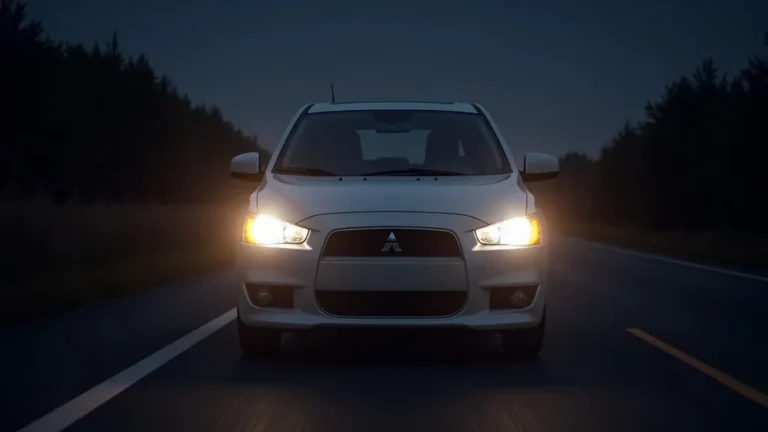
Most places strictly limit headlight colors for a good reason – safety. The standard color for headlights is white or a slightly yellowish-white. This color provides the best visibility in various weather conditions and is easily recognized by other drivers. Blue and red are typically reserved for emergency vehicles, so avoid them to prevent any confusion. Different states and countries might have other specific regulations, so check your local laws to be sure. Following these guidelines ensures your lights are safe and compliant.
- White or Yellowish-White: The most common and legal color. It offers good visibility and is easily seen by other drivers.
- Blue: Usually illegal for general use. Often associated with emergency vehicles (police, ambulance).
- Red: Generally illegal. Reserved for emergency vehicles and specific signaling purposes.
- Other Colors: Green, purple, and other non-standard colors are typically not permitted for headlights.
Standard headlights in this hue are designed for optimal nighttime driving, rain, and fog. The color helps drivers see further down the road, increasing safety. Also, this allows other drivers to react faster to your vehicle’s presence.
Blue headlights can be mistaken for emergency vehicles, causing confusion and potentially dangerous situations. This color is specifically reserved for signaling emergency services, ensuring other drivers can easily identify them in traffic.
Similar to blue, red headlights are typically reserved for emergency vehicles, like fire trucks or ambulances. This is done to make sure they can be easily recognized, which helps in urgent situations and prevents any driver confusion.
Non-standard colors can create visibility problems and distract other drivers. They are generally not designed for road illumination and can impact safety. Laws vary, so double-check the local regulations.
Understanding Local and Federal Laws
The rules about headlight colors can vary based on where you live. Federal laws set a baseline, but states and even local areas might have their own rules. So, it’s key to research both. You can often find this information on your state’s Department of Motor Vehicles (DMV) website. Some areas have very specific regulations on light brightness, beam patterns, and color temperature. Staying informed means you’re less likely to get a ticket and more likely to drive safely.
Here’s a simplified breakdown:
- Federal Laws: Set a basic standard, like permissible colors and safety standards for headlights.
- State Laws: Often have more specific regulations about headlight colors and modifications.
- Local Laws: Some cities or counties have their own rules.
- Enforcement: Police officers are responsible for enforcing these laws.
These laws ensure that vehicles meet minimum safety requirements for all drivers. They cover things like brightness levels and beam patterns, helping to ensure good visibility and safe driving for everyone on the road.
States have the right to add to or adjust federal regulations, so it is important to check the laws of your local area. The state might set more specific details related to allowable colors and installation requirements.
Local rules might be stricter. Check your local regulations for things like color temperature restrictions, especially if you drive in an urban area where there’s lots of traffic. These are often available through your local police or DMV.
Local law enforcement officials are responsible for issuing tickets. They’re on the lookout for unsafe or non-compliant modifications. Getting an improper lighting ticket can cause unwanted expenses and frustration. Make sure your headlights are legal!
Exploring the Types of Colored Headlights
If you’re interested in colored headlights, there are a few options. These range from simple colored bulbs to more complex setups. Knowing the details about each type helps you make an informed choice that matches your style and complies with local laws. This section will explore the types of lights and how they work. We will also discuss the pros and cons to see if they align with your needs.
Colored Bulbs vs. Color-Changing LEDs
When it comes to colored headlights, you have two primary options: colored bulbs and color-changing LEDs. Each offers a different level of control and visual effect. Colored bulbs provide a fixed color, which can be a simple upgrade. Color-changing LEDs let you choose various hues, but it’s important to remember that most areas limit the colors you can legally use. Both have their pros and cons. So, understanding the differences lets you select the best approach for your car.
- Colored Bulbs: Typically available in various colors, but these usually
Colored bulbs are a simple upgrade. They’re easy to install and usually offer a fixed color, like blue or amber. However, you’re limited to the color the bulb comes in. Check for legality and safety before you install them.
- Color-Changing LEDs: Offer more versatility, allowing you to switch between multiple colors using a remote or app.
- Installation: Colored bulbs are generally a direct replacement, while color-changing LEDs can be more involved.
- Legality: Crucial. Always check local laws regarding permissible headlight colors, even with color-changing LEDs.
Color-changing LEDs give you more freedom to choose your headlight color, sometimes with the use of a remote or app. You may be able to change colors, but be sure to understand the legal regulations for your area. Make sure these are legal to use!
Installation depends on the type of light. Replacing bulbs is usually simple; follow your car’s manual. Installing more advanced systems might require more expertise. If you’re unsure, ask a professional to install them.
The main question is: can you have colored headlights? It depends. Always make sure that any colors you select are legal to use on public roads in your area. Many places restrict non-white or amber lights.
Headlight Technology and Color Options
The type of technology used in your headlights impacts the available color choices. Each technology—halogen, LED, and HID (High-Intensity Discharge)—offers unique benefits and limitations. The type you select also influences how easy it is to change the color and the overall brightness. Knowing the basics of each option helps you choose the best technology for your needs.
- Halogen Headlights: The most common type, offering a warm white light, are simple and affordable.
- LED Headlights: Offer brighter, more energy-efficient light and come in various colors and designs.
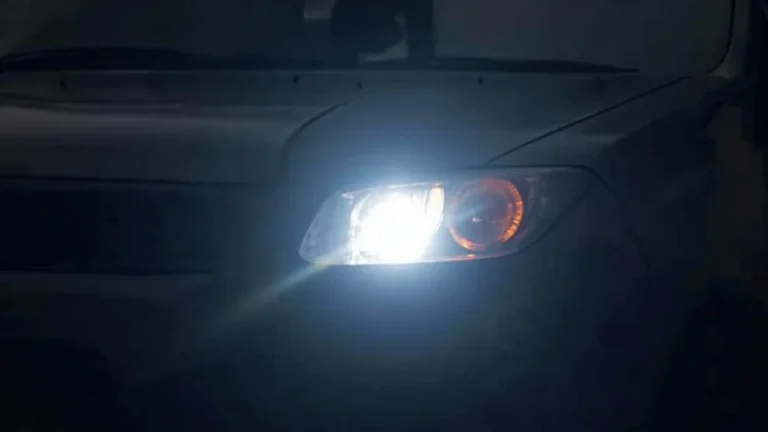
- HID Headlights: Produce an intense light and typically offer a slightly bluish-white light.
- Color Options: LED and HID headlights often have more color options. Halogen bulbs have a limited selection.
- Brightness and Performance: LED and HID lights usually provide better brightness and visibility.
Halogen lights are easy to install, but they have a lower light output and fewer color options. They are available at many auto parts stores.
LEDs (Light Emitting Diodes) provide excellent brightness and offer many color options. They are also energy efficient and have a longer life. The price can vary depending on quality.
HID (High-Intensity Discharge) headlights offer intense light output but may require more complex installation. They can have a slightly bluish tint, which could be an issue in some areas.
LED and HID headlights provide more opportunities to find your preferred color. With halogen, the options are generally limited to white or yellowish-white, and some amber options.
The difference in performance can significantly improve your safety. Brighter lights help in difficult weather conditions and increase your reaction time.
Legal Considerations and Practical Advice
Knowing the legal aspects and practical advice ensures you make the right choices for your headlights. This section covers the key things to consider. It ensures your car complies with the law. This section will also provide advice on safe and responsible modifications. This helps you avoid fines. Also, this section helps you maintain your safety on the road.
Staying Compliant with the Law
Being legally compliant is essential when modifying your headlights. The key is understanding local laws. Also, confirm the color is legal in your area. Staying compliant reduces the risk of traffic stops and penalties. It ensures you drive responsibly and helps keep you and others safe. Keep updated on new laws. This will help you avoid problems.
- Check Local Laws: Always begin by researching your local regulations.
- Verify Approved Colors: Confirm which headlight colors are permitted in your area.
- Avoid Restricted Colors: Refrain from using colors that are restricted by law.
- Keep Documentation: Keep any documentation related to your headlight modifications.
Start your research with your local DMV or police website. Many jurisdictions publish detailed information on the laws about headlights, including allowed colors and installation requirements. This can change, so stay up-to-date.
Most places permit white or yellowish-white headlights, while other colors may be restricted to specific purposes. Always stay away from colors reserved for emergency vehicles. Check your local rules for any specific restrictions on light intensity or beam patterns.
Common restrictions include blue and red headlights, which are often reserved for emergency vehicles. Using restricted colors could lead to legal issues, including tickets and fines. If you’re unsure, ask local law enforcement.
If you’ve installed aftermarket headlights, keep the purchase receipts and any certifications or documentation that proves your lights meet the required standards. If you are stopped, this helps you quickly show the lights comply.
Practical Tips for Safe Modifications
Ensuring your headlight modifications are safe is just as important as staying legal. Safety should always come first. Poorly installed or overly bright headlights can harm other drivers. Following some practical tips will make your modifications safe and effective. Safety ensures a better driving experience for you and everyone on the road.
- Choose Quality Products: Select headlights and components from reputable brands.
- Ensure Proper Installation: Follow the manufacturer’s instructions and seek professional help if needed.
- Adjust Beam Patterns: Make sure your headlights are properly aligned to avoid blinding other drivers.
- Test After Installation: Test your headlights in various conditions after installation.
High-quality products generally offer better performance and reliability. They often meet safety standards. They may come with warranties and support if you experience any problems. Consider reading reviews before you buy.
Incorrect installation can lead to poor beam patterns, reduced visibility, and even electrical problems. If you’re not comfortable with the installation, consider taking your car to a mechanic. This is to ensure the lights are correctly aligned and positioned.
Proper alignment is key for safe driving and prevents glare, especially at night or in low-visibility conditions. Check that the beams point slightly downwards and are correctly aimed.
Test your lights at night, in rain or fog. This checks the performance of your modified headlights. Make sure they offer good visibility without causing glare to others. Adjust the beam patterns for the best performance.
Real-Life Examples and Case Studies
Real-life examples can show you how laws about headlight colors are enforced. These examples show the consequences of not following the rules. This section will discuss the outcomes of different situations. They also demonstrate the value of following local regulations.
- Case Study 1: The Blue Headlights: A driver in a major city was pulled over for having blue headlights. The officer cited them for violating a local ordinance that restricted colors other than white or amber. The driver received a fine and was required to
In this example, the driver thought blue headlights added style to their car. But, it led to a fine and the need for new headlights. This shows the importance of researching local regulations and the potential consequences of not following them.
- Case Study 2: Color-Changing LEDs: A car owner installed color-changing LED headlights, which offered different colors. They used blue and red while driving. The police pulled them over, and they received a ticket and a warning. They switched back to legal colors immediately. This example highlights the limitations even with advanced headlight systems.
- Case Study 3: The Amber Upgrade: A driver upgraded their standard headlights to amber ones. They researched local regulations first. They found that amber was legal in their area. They upgraded without any problems, and their vehicle complied with local law. Their knowledge of the law prevented any issues.
This case shows the need to use color-changing headlights legally. The owner could change colors, but the colors were restricted. The incident taught them the value of knowing the permitted colors. They could have been fined even more.
This example highlights the benefits of following the law. The driver did their homework. They correctly understood the regulations and complied with all rules. Their efforts ensured they had a stylish and legal vehicle.
Frequently Asked Questions
Question: Can I use any color headlight I want?
Answer: Not generally. Most jurisdictions restrict headlight colors for safety reasons. White or yellowish-white is standard, while colors like blue and red are usually for emergency vehicles only.
Question: What happens if I use illegal headlight colors?
Answer: You might receive a ticket and a fine. You may also be required to change your headlights to compliant ones. In some cases, you could face more serious consequences.
Question: Are there any exceptions to the headlight color rules?
Answer: Some states might have limited exceptions, such as specific colors for fog lights or auxiliary lights. Always check your local regulations.
Question: How do I find out the specific headlight color laws in my area?
Answer: Check your local DMV (Department of Motor Vehicles) website or contact your local police department. They will provide the most up-to-date information.
Question: What is the purpose of headlight color regulations?
Answer: To ensure safety by preventing confusion with emergency vehicles, reducing glare, and providing optimal visibility for all drivers.
Final Thoughts
So, can you have colored headlights? It’s a bit of a mixed bag! The answer depends on where you live. While certain colors, like white or amber, are typically acceptable, others, especially blue and red, are usually restricted due to safety concerns. Always research your local laws before making any changes. Doing so prevents potential penalties. Knowing the rules keeps you and others safe on the road. Remember, the goal is always to enhance visibility without causing problems for other drivers. It’s a great way to add some personal style to your vehicle, as long as you do it right! Remember, your vehicle should always be safe and compliant.