Can You Have Blue Headlights? Laws, Types, and Guidance
Figuring out the rules around car lights can be tricky, especially for new drivers or those just getting into cars. A common question is, can you have blue headlights? The laws vary, causing confusion. Don’t worry, though. This article breaks down everything about blue headlights in simple terms. We’ll explore the different types, the legality, and how to stay safe and legal. So, let’s get started and clear up any questions you have.
Understanding Headlight Colors and Regulations
When it comes to vehicle lighting, different colors serve different purposes. Headlights are vital for seeing the road at night and in poor weather conditions. However, the color of your headlights is not a free-for-all. Regulations exist to ensure that all drivers can see and be seen safely. These regulations are designed to minimize confusion and accidents. Many of these rules also aim to control glare, which can be a serious hazard, especially for other drivers.
Each state has its own specific laws, but there are some general principles at play. For instance, the main goal is to promote safety. This means that headlight colors must be easily recognizable and not confusing. These laws often align with federal standards to create a baseline for road safety across the country. Breaking these rules can lead to fines, and in some cases, even more serious penalties. That is why it’s so important to know the rules.
Common Headlight Colors and Their Uses
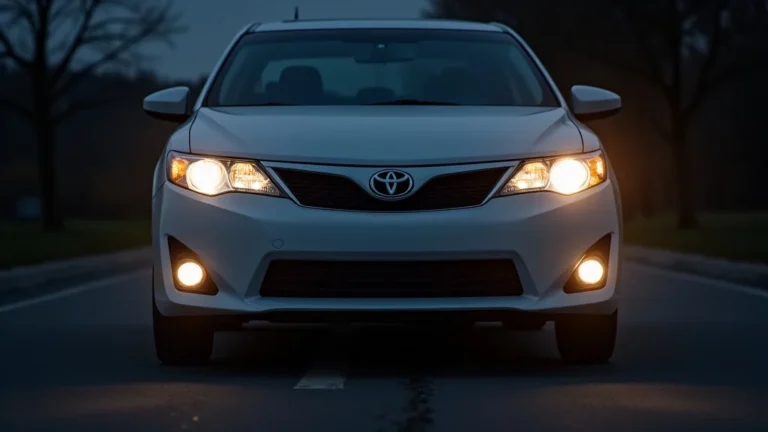
Headlights are typically white or yellowish-white. These colors provide the best visibility for night driving and adverse weather. These standard colors are designed to meet specific light output requirements that help drivers to see, and to be seen, on the road. The use of these colors is generally standard across different vehicle makes and models. The consistent use of these colors helps to create a safe driving experience for everyone.
- White Headlights: These are the most common. They provide a bright, clear light, offering excellent visibility. Many modern vehicles use LED or xenon headlights. These can offer a bright, white light. This helps the driver to see the road ahead clearly and also helps the driver to be seen by other drivers.
- Yellowish-White Headlights: Older vehicles or some specialized vehicles may use this color. This color performs well in fog or heavy rain, as the light penetrates the weather better. These lights are a practical choice for safety reasons in adverse weather conditions.
- Blue Headlights: These are the focus of our article. Many drivers are interested in this color, but the legalities are often complex. While they look attractive, their practical use is limited, and they might even break the law.
Legal Considerations: Is Blue Always a No-Go?
The answer to “can you have blue headlights” isn’t always straightforward. In most places, blue headlights are illegal for standard use. This is primarily because blue light can be confusing to other drivers. Blue light is often associated with emergency vehicles. Using this color could lead to confusion on the road. This is why law enforcement strictly regulates the use of blue lights.
However, there might be exceptions. Certain vehicles, like emergency vehicles or those used for special purposes, may use blue lights under very specific conditions. However, for everyday drivers, the use of blue headlights is typically prohibited. These regulations are designed to keep the roads safe for everyone. The best way to know is to check local and state regulations.
Exploring the Different Types of Headlights
The technology behind headlights has changed a lot. We’ll look at the most common types of headlights. Knowing the different types can help you understand why certain colors are allowed or not. Each technology has its own strengths and weaknesses. The choice of headlight often depends on what a driver prioritizes: light output, energy efficiency, or cost.
The type of light technology plays a role in how bright or what color the light appears. Understanding the differences is important. Different headlight types can have different light output and color temperatures. This knowledge is important, especially when choosing the headlights for your vehicle.
Halogen Headlights: The Standard
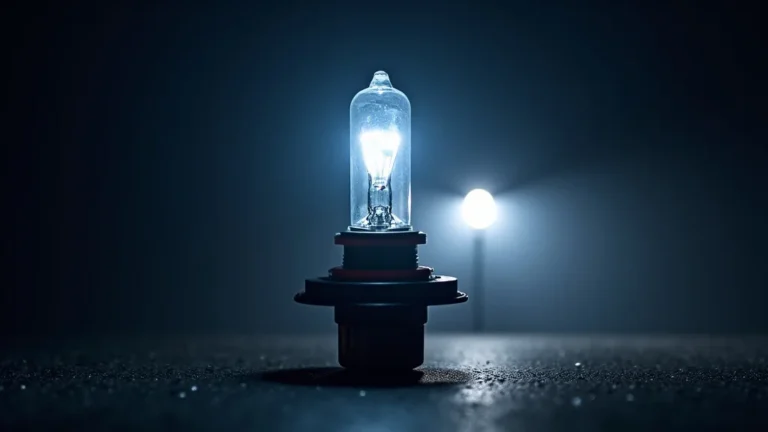
Halogen headlights are an older technology. They are still common in many cars. They use a filament that gets hot and glows to produce light. They are inexpensive and easy to install. However, they are not as bright or energy-efficient as newer types.
Halogen lights produce a yellowish-white light. This light is suitable for most driving conditions. Halogen lights are good for standard driving conditions. They are a good entry point. They are easy to install. They offer a good balance of cost and functionality.
- Affordability: Halogen bulbs are generally cheaper. They are easy to replace. This makes them a great option for people on a budget.
- Simple Technology: They are simple to understand and install, and easy to maintain. Many drivers can change a halogen bulb themselves.
- Brightness: Halogen lights are not as bright as LED or HID lights. The light output might not be ideal in challenging conditions like heavy rain or fog.
High-Intensity Discharge (HID) Headlights: Brighter Light
HID headlights, also known as xenon headlights, use an electrical arc. They produce a very bright light. The light is created between two electrodes within a bulb filled with xenon gas. These lights are more powerful than halogen lights. They use more energy. This results in a higher light output. The bulbs last a long time.
HID headlights produce a white or slightly bluish-white light. They give a clear view of the road. They are often seen in more expensive cars. They offer excellent visibility for drivers at night. They are a significant upgrade over halogen lights. However, HID lights require a ballast to operate. This adds a component to the system and increases installation costs.
- Brightness: HID headlights offer greater brightness, improving nighttime vision. This higher light output makes them ideal for both highways and city streets.
- Color: The light color can appear whiter than halogen bulbs. This creates a modern look for the vehicle. This cooler color is not quite blue, but it is closer to the blue end of the color spectrum compared to halogen bulbs.
- Complexity: HID systems are more complex and require a ballast to operate. This complexity can make them more difficult to install than halogen headlights.
Light-Emitting Diode (LED) Headlights: The Modern Option
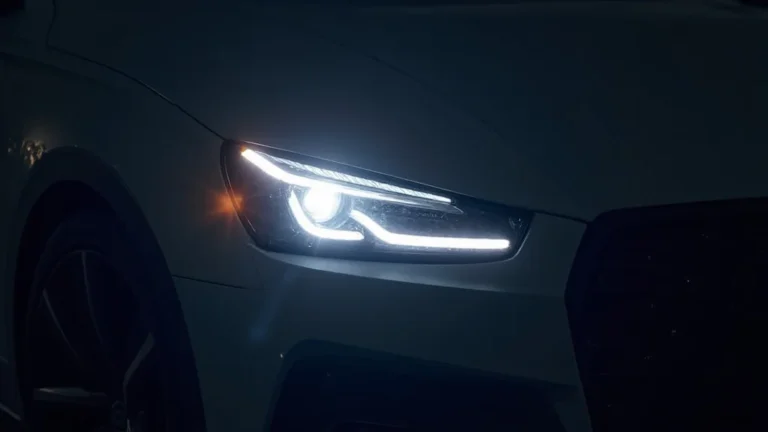
LED headlights are becoming popular. They use light-emitting diodes to produce light. LEDs are energy-efficient and last a long time. LED headlights produce a very bright, white light. They offer superior visibility. They also have a very long lifespan. They are often found in new cars. They are a premium option.
LED headlights provide exceptional light quality. They have an instant start-up. They have a sleek design. They can be integrated into the car’s overall look. LEDs are generally more expensive. They are becoming more common and affordable. They give a great visual impact on the road. LEDs are very reliable and energy-efficient. They consume less power and last longer than other types of headlights.
- Energy Efficiency: LED headlights use less power and generate less heat compared to other options. This increases the vehicle’s efficiency. They also have a reduced strain on the car’s electrical system.
- Longevity: LEDs last much longer than halogen or HID bulbs. This reduces the need for frequent replacement. This can save money in the long run.
- Brightness and Color: LEDs produce a bright white light, enhancing nighttime visibility. This bright white light helps increase the safety for drivers. It is a clean, modern aesthetic.
The Legality of Blue Headlights: What You Need to Know
The use of blue headlights is restricted. This is usually due to safety reasons. Many states have specific laws against blue lights. These laws can vary, so it’s always best to check local regulations. It is useful to explore the general legal principles to understand why this color is so strictly regulated.
The main concern is that blue lights can be mistaken for emergency vehicles. This could lead to confusion on the road. It could cause drivers to act inappropriately. Some drivers may pull over, thinking an emergency vehicle is approaching. To prevent this confusion, many jurisdictions restrict the use of blue lights to authorized vehicles only. The rules also help to reduce glare from the headlights. This can reduce the risk of accidents.
State-by-State Regulations
Laws about headlight color vary from place to place. Some states have very clear rules. Others may have more general statements. It is important to know the law where you live. You should check your state’s vehicle code or the local Department of Motor Vehicles (DMV). Understanding your local laws is key to staying safe and legal.
For example, some states may allow blue-tinted headlights. However, the color must not be too intense. It also can’t mimic emergency vehicle lights. Other states may ban blue headlights entirely. This strict approach aims to prevent any confusion on the road. The best thing is to do your homework. Check your state’s regulations, and know the specific rules for your vehicle.
- General Prohibition: Most states prohibit blue headlights. These states will not allow any modifications. They do not allow the blue lights. This includes lights that appear blue or produce a blue hue.
- Restrictions Based on Intensity: Some states allow blue lights, but with limits on brightness or color. It’s often legal if they don’t look blue, only having a slight tint. Always check local laws to avoid trouble.
- Emergency Vehicle Exception: Emergency vehicles, like police cars, fire trucks, and ambulances, are generally permitted to use blue lights. This exception aims to let emergency personnel be seen easily. The color identifies vehicles on official business.
Penalties for Illegal Headlight Colors
The consequences for using illegal headlight colors can vary. The fines depend on the state and the severity of the offense. Usually, it starts with a warning and a requirement to fix the problem. You might face a fine. The amount can range from a small penalty to a more substantial sum.
In some cases, if the issue is not fixed, the vehicle might fail an inspection. The police could issue a ticket. Repeated violations could lead to more serious consequences. They can also affect your insurance rates. Always make sure your car meets the standards. The best way to avoid trouble is to follow the law. The best approach is to check local regulations to avoid fines.
| Violation | Potential Penalty |
|---|---|
| First Offense | Warning or minor fine ($25-$100) |
| Second Offense | Higher fine, mandatory inspection |
| Ongoing Violations | Possible vehicle impoundment, increased insurance rates |
Alternatives to Blue Headlights
While blue headlights are often not permitted, there are other ways to customize your car’s lights. Many options are safe and legal. These options allow you to change the look of your vehicle while still following the rules. This includes adjusting the color temperature. These choices offer a balance between style and safety. There is a wide range of options to explore without breaking the law.
The aim is to enhance the look of your car without causing confusion or safety issues. By selecting the right options, you can give your vehicle a distinct look. These modifications won’t affect your driving. Consider these alternatives to make your car stand out. There are plenty of legal and stylish upgrades available.
Choosing Legal and Stylish Headlight Options
You can get different headlight options that are legal and stylish. These include color temperature. Color temperature is measured in Kelvin (K). It is often used to describe the color of light. Different Kelvin ratings produce different light colors. Many modern headlights use LED or HID technology. These lights often look bright and stylish. These choices can significantly improve the look of your car.
You can also use aftermarket headlight assemblies. They are designed to be street-legal. They will comply with local laws. This can also increase the value of your vehicle. You can upgrade with confidence. Always confirm that any modifications are street-legal. This is the key to safety. You can also make your vehicle stylish.
- Color Temperature: Choose headlights with a color temperature between 4000K and 6000K. These provide a crisp, white light. It’s often perceived as stylish. These temperatures are street legal in most regions.
- LED Upgrades: LED headlight upgrades are a fantastic option. They are both efficient and aesthetically pleasing. They improve visibility. They also have a modern look.
- Headlight Tinting (Legally): Consider tinted headlight covers. Tinted covers can change the look of your headlights without changing the bulb color. Some tints are not allowed. Always check local regulations before installing.
Improving Visibility Without Changing Color
It’s possible to improve your headlights’ performance without changing their color. Regular maintenance is one of the best ways. This includes keeping the lenses clean. Regular cleaning removes dirt and debris. This keeps your headlights shining brightly. Another useful step is to
You can also upgrade to brighter bulbs. These options can increase the range of your headlights. They also maintain a safe light color. By taking care of your headlights, you can greatly improve your safety. The best way to drive safely at night is to use the right equipment. This also ensures your car stands out.
- Clean Lenses Regularly: Clean headlights often. Dirty lenses can reduce the light output. Use a proper headlight cleaner. This will help remove dirt and grime.
- Replace Old Bulbs: Replace your bulbs as they age. Old bulbs lose brightness. This can reduce visibility. Replacing them will ensure optimal performance.
- Aim Headlights Correctly: Make sure your headlights are correctly aimed. Misaligned headlights can affect visibility and bother other drivers. This can be checked during regular vehicle maintenance.
Frequently Asked Questions
Question: Can I use blue headlight bulbs if they are DOT approved?
Answer: DOT (Department of Transportation) approval mainly covers the safety and performance of headlights. It does not automatically mean that a blue headlight is legal. Laws concerning headlight color are usually determined by state and local regulations, not the DOT.
Question: Are blue headlight tints legal?
Answer: The legality of blue headlight tints varies greatly. Many places restrict or prohibit any tint that alters the light color to blue. Before applying tints, you should always check your local and state laws. There are different rules for each region.
Question: What is the purpose of headlight color temperature?
Answer: Headlight color temperature, measured in Kelvin (K), describes the color of light emitted. It affects how the light appears to the human eye. Higher K values produce a cooler, often bluish light, while lower values result in a warmer, more yellow light. Optimal color temperatures balance visibility and aesthetics.
Question: Can I be pulled over for having too bright headlights?
Answer: Yes, you can be pulled over for headlights that are too bright or improperly aimed, even if they’re the correct color. Many jurisdictions have rules about light intensity to prevent glare and ensure safe driving. Law enforcement may issue a ticket if they feel your lights are unsafe or improperly adjusted.
Question: What should I do if my headlights are damaged?
Answer: If your headlights are damaged, such as cracked lenses or broken bulbs, it’s essential to fix them immediately. Damage to headlights can significantly reduce visibility and is against the law in many places. You should replace the damaged parts as soon as possible to maintain your safety on the road.
Final Thoughts
In the end, you may be wondering: can you have blue headlights? The answer is generally no for everyday use. Most places have restrictions on blue headlight colors. These rules are in place for safety. They prevent confusion and protect drivers. There are many options to upgrade and customize your lights. These options are safe and legal.
Consider safer and more legal alternatives. Look into different lighting technologies that are within the law. If you want to change the look of your car, there are many legal choices. Stay informed about the laws in your area. This will help you keep your vehicle safe and compliant. Drive safely, follow the rules, and enjoy the road!