Are Smoked Headlights Legal in Texas? A Complete Guide
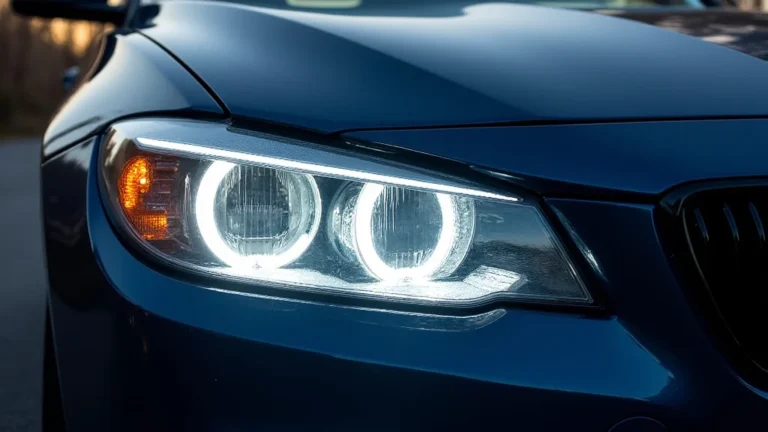
Picture this: you’re cruising down a Texas highway, and your headlights just aren’t cutting it. You’ve been considering a cosmetic upgrade, but you’re not sure about the rules. A cool modification might be smoked headlights, but before you spend your hard-earned cash, you need to know: are smoked headlights legal in texas? This guide will break down everything you need to know, saving you from a potential run-in with the law and helping you stay safe on the road. By the end, you’ll have a clear answer and know how to keep your vehicle compliant.
Legal Regulations of Headlight Tinting in Texas
The state of Texas has specific regulations regarding vehicle lighting, which include headlights. These rules are designed to ensure drivers have adequate visibility for safe operation. The primary concern is maintaining the intensity of the light emitted by the headlights. Tinting, or smoking, headlights can reduce this intensity, and if the reduction is significant enough, it can violate the law. Generally, the legal status revolves around how much light transmission is allowed through the headlight lens after the application of tinting material.
The core concept is simple: headlights must be bright enough to illuminate the road clearly. This allows the driver to see and also ensures other drivers can see you. If your headlights are too dim, it endangers you and everyone else on the road. The Texas Department of Public Safety (DPS) and local law enforcement agencies are responsible for enforcing these regulations. Understanding these rules is essential for avoiding tickets, fines, and potential safety hazards. Many vehicle owners want to upgrade the look of their cars, but it’s important to balance aesthetics with safety and legal compliance.
Light Transmission Requirements
The specific requirements often revolve around light transmission percentage. While Texas doesn’t explicitly state a minimum percentage for headlight tint, the key factor is whether the light emitted is adequate. This means that if the tint is applied heavily enough to reduce the output significantly, it may be considered illegal. Essentially, the law prohibits modifications that impair the functionality of safety equipment. The official language is often vague, relying on the interpretation of law enforcement officers who assess whether the headlights provide sufficient illumination. Headlights that appear significantly dimmer than factory-equipped lights are at risk of being cited as illegal.
Texas law enforcement assesses headlight effectiveness during traffic stops and vehicle inspections. The officer’s judgment, based on practical visibility and adherence to general safety standards, plays a large role. Since the rules aren’t as clear as window tint laws (which have specific percentage rules), it’s essential to ensure your modifications don’t affect your visibility or other road users’ ability to see you. Any change that makes your headlights less effective, particularly at night or in bad weather, increases the risk of a ticket. Additionally, your headlights must meet federal motor vehicle safety standards.
Enforcement and Penalties
If your smoked headlights are deemed non-compliant, you could face several penalties. These typically begin with a warning, but repeat offenses can lead to fines. The exact fines vary, but they can be a nuisance and add up quickly. Besides monetary fines, you may be required to remove the tint to pass inspection or to avoid further penalties. Often, a judge can instruct a vehicle owner to return their vehicle to a roadworthy state.
Law enforcement officers have the discretion to stop and inspect vehicles with modified lighting. Officers look for obvious changes that could reduce visibility, such as heavily tinted headlights. If a vehicle’s headlights appear significantly dimmer than stock, an officer can issue a citation. The best way to avoid these penalties is to ensure your modifications meet Texas regulations and don’t reduce visibility. If you do get a ticket, you’ll need to remove the illegal tint or risk more significant fines.
How Smoked Headlights Impact Visibility
The primary concern with smoked headlights is their potential impact on visibility. Reducing the light output of your headlights can lead to decreased visibility for you and make it harder for other drivers to see you. This can create serious safety hazards, especially during nighttime driving, in bad weather, and in areas with poor lighting. It’s essential to consider these effects when deciding whether to modify your headlights.
The amount of light reduction depends on how dark the tint is. A light smoke may have a minimal impact, while a dark tint can dramatically reduce the output. Even a slight reduction in light can make a difference in your ability to see hazards, pedestrians, and other vehicles. Diminished visibility increases the likelihood of accidents. This is particularly concerning when driving in areas with heavy traffic or on roads with curves. When considering smoked headlights, always put safety first and consider how they might affect your visibility.
Impact on Nighttime Driving
Driving at night already presents challenges. Darkness reduces your field of view, making it harder to see obstacles, wildlife, and other road users. Smoked headlights can amplify these difficulties. They reduce the amount of light cast onto the road, decreasing the distance at which you can see objects. This makes it harder to react to unexpected situations, such as a pedestrian crossing the road or a sudden stop by a vehicle ahead.
When you reduce the light output, you decrease your reaction time. With less light, it takes longer for your eyes to perceive and process information, which affects your ability to react to potential dangers. Even a slight reduction can affect how far you can see down the road. This can be critical on roads without streetlights or in rural areas where visibility is naturally lower. Drivers need their headlights to cut through the dark. Smoked headlights can reduce that ability.
Effects in Inclement Weather
Weather conditions like rain, fog, and snow already reduce visibility. When you combine bad weather with tinted headlights, the risks increase. Rain, for example, can reflect and scatter light, making it difficult for standard headlights to penetrate. Smoked headlights worsen this effect because the reduced light output further restricts your ability to see through the rain.
Fog, which is a suspension of water droplets in the air, can scatter light in a way that creates a blinding effect. Standard headlights already struggle to cut through fog; smoked headlights make this even harder. Snow can also reflect light, causing glare and further reducing visibility. Smoked headlights contribute to this problem by reducing light output. They are less effective in these situations.
Deterioration of Hazard Perception
Smoked headlights don’t just affect how far you can see; they also affect your ability to see clearly. Reduced light output can hinder your ability to identify potential hazards early. You may struggle to spot pedestrians, cyclists, or animals, and this can lead to accidents. The contrast between light and dark is essential for hazard perception, and smoked headlights diminish this contrast, making it harder to distinguish objects on the road.
They can affect how well you can see road signs, lane markings, and other vital road elements, which is especially problematic at night or in low-light conditions. Dim headlights can also make it difficult for other drivers to see you. This can lead to dangerous situations, such as other drivers failing to notice you. Hazard perception and reaction time are critical for safe driving. By decreasing visibility, smoked headlights can make these worse.
Alternatives to Smoked Headlights in Texas
While the aesthetic appeal of smoked headlights is clear, it’s essential to balance this with legal compliance and safety. Fortunately, several alternatives can give your vehicle a unique look while ensuring you stay on the right side of the law and maintain safe visibility. These alternatives can help you customize your vehicle while complying with state regulations. Exploring these options can give you the desired visual upgrade without the potential drawbacks of smoked headlights.
The goal is to find ways to make your vehicle stand out while complying with local laws. This can range from subtle changes to more dramatic modifications. Whether it’s the color of your lights or the type of bulbs you choose, plenty of options exist. Consider these alternatives to make your vehicle look great and still meet safety standards. Always ensure any modifications are legal and safe before making any changes.
Decorative Headlight Film or Vinyl Wraps
One popular option is to use decorative headlight film or vinyl wraps. These products are available in many colors and designs, allowing you to alter the appearance of your headlights without permanently tinting them. Many films are designed to be easily removable, which provides flexibility if you decide to change your look or if you need to revert to the original appearance for inspections or legal reasons. This also gives you the freedom to experiment with different looks without a long-term commitment.
The advantages of headlight film include that it can protect your headlights from scratches and other damage while adding a unique visual element. They come in varying shades and can be applied to the headlight lens. Film also makes the car more visually appealing. The key is to select a film that is not too dark and allows sufficient light transmission. Some films are designed to allow full light output. When choosing a film, make sure that it meets local regulations and doesn’t significantly reduce visibility.
LED or Xenon Headlight Upgrades
Another option is to upgrade to LED or Xenon headlights. These bulbs offer increased brightness and improved light distribution compared to older halogen bulbs. Modern LED and Xenon headlights often provide better illumination and can improve your visibility on the road. Many models of these types of headlights are designed to have a distinctive appearance and can give your vehicle a modern look. This can enhance both the aesthetics and performance of your headlights.
The benefit of upgrading to LED or Xenon headlights is that they are often brighter and more efficient than standard halogen bulbs. LED lights, in particular, come in various color temperatures, allowing you to customize the look of your headlights. Ensure that any
Colored Bulbs or Accent Lighting
Using colored bulbs or accent lighting can also give your vehicle a unique appearance. You can use colored bulbs within your headlights or add accent lighting, such as LED strips, under the vehicle. Accent lighting can add a subtle visual effect. The key is to ensure that any colored lighting you add is legal. Texas law prohibits certain colors of lighting on the road.
Many vehicle owners opt to use colored bulbs in their headlights and tail lights to improve the look of their car. If you choose to use colored lighting, pay special attention to the colors permitted in your area. For example, red and blue lights are often reserved for emergency vehicles and are illegal for civilian use. When adding accent lighting, make sure that it does not affect your visibility or distract other drivers. Compliance with local laws is essential to avoid potential penalties.
Vehicle Customization Best Practices
When customizing your vehicle, it’s crucial to follow some best practices to ensure both safety and compliance with the law. Start by researching local regulations regarding vehicle lighting and modifications. It’s important to understand the specific rules that apply to your vehicle. Always prioritize your safety and the safety of other road users. Any modifications you make should not hinder visibility or make your vehicle unsafe.
Consider the impact of any changes on your vehicle’s performance. For example, using non-standard bulbs can affect the headlight’s performance. Make sure to consult with professionals who can advise you on safe and compliant modification options. Always be mindful of your responsibility as a driver. Taking these steps can ensure your vehicle looks great and meets safety standards.
-
Research Local Regulations: Before making any changes, explore Texas vehicle lighting laws. You can find this information on the Texas Department of Public Safety (DPS) website or by contacting local law enforcement agencies. This way, you’ll know what modifications are permissible and what is not.
This is your starting point. You must understand the rules to stay safe and avoid legal issues. The rules can vary over time, so you’ll want to be sure you have the most up-to-date information. Understanding this will ensure that your vehicle modification efforts are within the guidelines.
-
Prioritize Visibility: Any modifications you make should never compromise your visibility. Always select options that enhance your ability to see and that do not make it harder for other drivers to see you. Any changes that may reduce your visibility put you at higher risk.
Your primary goal should always be road safety. If a modification affects your visibility, reconsider it. Your safety, and the safety of others, comes first. Modifications can make your vehicle look great but never at the expense of safety. This is how you ensure that your vehicle remains roadworthy.
-
Choose Reputable Products: Use high-quality products from trusted manufacturers. Poor-quality products can fail, causing safety issues. Reputable brands provide products that meet safety standards. They are often better designed and more reliable than cheap alternatives.
Low-quality components can malfunction or may not function as intended. Make sure you are choosing components that are built to last. Quality components also typically perform better, improving their value. Choosing high-quality components minimizes the likelihood of problems. They often include warranties.
-
Consider Professional Installation: Some modifications, such as installing LED headlights, are best left to professionals. Trained mechanics have the knowledge and tools to ensure the modifications are done safely and correctly. Improper installation can cause malfunctions.
A professional will make sure that the installation meets industry standards and complies with legal requirements. Professionals can ensure any changes work. If you do not have the experience or skills, use a pro. Hiring a pro also minimizes the chances of errors and safety hazards.
-
Maintain Your Vehicle: Regularly inspect your headlights and other lighting components. Replace bulbs promptly if they burn out. Doing so can prevent visibility problems and keep your vehicle compliant. Regular maintenance is essential.
Routine maintenance can extend the life of your headlights and other lighting components. Regular inspection and replacement of bulbs will ensure that your vehicle always performs as expected. This will also help you identify problems early. Make sure that your vehicle continues to perform properly and is always safe.
Frequently Asked Questions
Question: Are smoked headlights illegal in Texas?
Answer: It depends. While Texas doesn’t have an explicit rule, the key factor is whether the smoked headlights impair visibility. If the tint reduces light output enough to make the headlights less effective, they can be considered illegal.
Question: How dark can I tint my headlights in Texas?
Answer: There isn’t a specific percentage. The legal status of headlight tinting is based on the impact on light output. The focus is always on ensuring adequate illumination.
Question: What are the penalties for having illegal smoked headlights?
Answer: You can face a warning or receive a traffic ticket. The most common penalty is a fine. You may also be required to remove the tint to become compliant.
Question: What are some legal alternatives to smoked headlights in Texas?
Answer: Some legal alternatives include headlight film, LED or Xenon headlight upgrades, and the use of colored bulbs or accent lighting that is compliant with Texas regulations.
Question: Where can I find the specific laws regarding vehicle lighting in Texas?
Answer: You can find these rules on the Texas Department of Public Safety (DPS) website or by contacting local law enforcement agencies.
Final Thoughts
So, are smoked headlights legal in texas? It’s not a simple yes or no. While Texas doesn’t have a specific percentage rule for headlight tint, the primary concern is the impact on visibility. If the tint reduces light output to the point where your headlights are ineffective, they could be deemed illegal. Law enforcement officers have the discretion to determine whether the headlights provide sufficient illumination. To be on the safe side, consider alternatives like headlight film, LED upgrades, or accent lighting that align with Texas regulations. Always prioritize visibility and safety when making any modifications to your vehicle’s lighting. By exploring these options, you can give your vehicle a unique look while complying with the law. Remember, road safety is the most important thing. Drive safely!