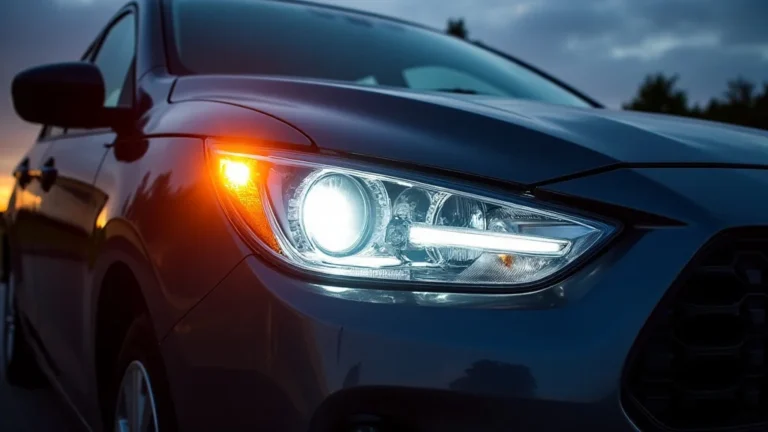
Are LED Headlights Illegal? Laws, Regulations, and Facts
Picture this: you’re cruising down a dark road, and a car with dazzling, bright headlights appears in your rearview mirror. They seem to illuminate the entire street! But, does that vehicle have a right to be doing this? This is a question many drivers ask, especially as LED headlights become increasingly popular. This post helps you find out the truth about whether or not these lights are against the law, helping you make an informed decision when it comes to upgrading your vehicle’s lighting. You’ll gain a solid grasp of the regulations surrounding LED headlights, the differences between legal and illegal setups, and how to stay safe and compliant on the road. This information will boost your Time on Page and reduce your Bounce Rate by providing clear, helpful answers to your burning questions.
Regulations and Legal Considerations
The legality of LED headlights is a complex issue, and it isn’t simply a “yes” or “no” answer. It depends on several factors, including the specific regulations in your area and how the lights are installed. Many people assume that LED headlights are automatically illegal, but that’s not necessarily true. There are federal and state-level rules that dictate what’s acceptable. Generally, the main concern revolves around how the lights affect other drivers.
Federal Motor Vehicle Safety Standards (FMVSS)
FMVSS are standards issued by the National Highway Traffic Safety Administration (NHTSA). These standards set the minimum requirements for the performance of vehicles and vehicle equipment, including headlights. Manufacturers must design and equip vehicles to meet these standards before they can be sold in the United States. Many aftermarket LED headlight kits are NOT compliant with FMVSS because they haven’t been tested and approved. This is often the biggest factor in determining whether or not an LED headlight is “legal.”
- Brightness and Intensity: Headlights must meet specific brightness and intensity requirements. Headlights that are too bright can cause glare, which impairs the vision of other drivers and increases the risk of accidents. Aftermarket LEDs are often much brighter than halogen bulbs, which is a major compliance issue.
- Beam Pattern: Headlights must have a specific beam pattern, which is the way the light is distributed on the road. The beam pattern should be focused to provide good visibility without blinding oncoming drivers. Many aftermarket LED kits do not have the correct beam pattern for the housings they are installed in, leading to scattered light and glare.
- Aiming: Headlights need to be properly aimed so the light shines on the road and not up into the eyes of other drivers. Improper aiming can make a legal headlight illegal and a safety risk. Aiming can be affected by the type of bulb, the housing, and even the vehicle’s suspension.
- Color Temperature: Headlights must have a specific color temperature, usually between 2,700K and 6,000K, which is a measure of the light’s color. White or yellowish-white light is generally acceptable, but overly blue or purple lights can be distracting and may not meet regulations.
State and Local Laws
While federal standards set the baseline, state and local laws can also play a role. Some states may have stricter regulations or specific requirements for aftermarket headlights. It’s important to research the laws in your state to ensure compliance. You might find that the specific wording of these laws leaves room for interpretation, so understanding what to look for can be helpful. Enforcement also varies. In some areas, police officers may be more lenient than in others, but ignorance of the law is never a valid defense.
One real-life case involves a driver in California who received a ticket for using aftermarket LED headlights. The officer cited the lack of proper beam pattern and the potential for glare. The driver argued that the lights were brighter but provided better visibility. The court sided with the officer because the lights did not meet the state’s vehicle code requirements.
Understanding LED Headlight Components
To fully grasp the issue of legality, it helps to understand the components involved. The design of headlights plays a crucial role. Not all LED headlight setups are created equal. Some are designed to meet standards, while others are more focused on aesthetics or raw brightness. Knowing the difference between the elements helps you evaluate different products and choose those that fit the legal requirements.
Headlight Housings
The headlight housing is the structure that holds the bulb and directs the light. The housing design is essential for the light’s beam pattern. Different housings are designed for specific bulb types (halogen, LED, etc.). Putting an LED bulb into a housing designed for a halogen bulb often results in a poor beam pattern. The reflector and lens are critical parts of the housing. The reflector directs the light forward, and the lens refracts the light to create the desired beam pattern. Aftermarket LED kits may not perform well in housings not designed for them.
- Reflector Design: The reflector’s shape is crucial for directing light. Halogen and LED lights often use different reflector designs.
- Lens Type: The lens affects the light’s spread and focus. Clear lenses are popular, but they can scatter light if not paired with the right bulb.
- Housing Material: The material of the housing can affect its durability and light output.
- Sealing: Headlight housings must be properly sealed to prevent moisture from entering, which can damage the electrical components and impact light output.
LED Bulb Types
LED bulbs come in various designs and specifications. Not all LED bulbs are created equal. Some are designed to mimic the light distribution of halogen bulbs to work in existing housings. Others prioritize brightness and may not be suitable for all applications. The design of the LED chips and the placement within the bulb are key factors. Some bulbs have chips arranged to mimic a halogen bulb’s filament. These attempt to deliver a more focused beam pattern.
- Chip Design: The arrangement of the LED chips affects the beam pattern. Poorly designed chips can produce excessive glare.
- Heat Dissipation: LED bulbs produce heat, so proper heat dissipation is essential for longevity and performance.
- Color Temperature: The color of the light can impact visibility and legality. Check the color temperature (measured in Kelvin) to ensure compliance.
- Brightness (Lumens): The brightness of the bulb must not exceed legal limits. Higher lumen ratings don’t always mean better performance.
Ballasts and Drivers
LED bulbs often require a ballast or driver to regulate the power supply. Halogen bulbs don’t use these devices. The ballast converts the vehicle’s electrical current to the correct voltage for the LED bulb. The driver also protects the LED bulb from voltage fluctuations. These components are vital for the bulb’s operation and life span. A poorly designed ballast can cause flickering or premature failure.
- Voltage Conversion: Ballasts convert the vehicle’s voltage to the voltage needed by the LED.
- Current Regulation: Drivers regulate the current to prevent the LED from burning out.
- Protection: Drivers protect the LED from electrical surges and fluctuations.
- Compatibility: The ballast or driver must be compatible with the vehicle’s electrical system and the LED bulb.
Legal LED Headlight Setups
There are ways to legally use LED headlights. It often requires specific setups that meet all regulations. It’s often easier to comply with regulations when choosing an LED headlight setup. Some manufacturers design their products to meet these standards from the beginning, offering a straightforward path to compliance.
DOT-Approved Headlights
DOT (Department of Transportation) approval is a good starting point. DOT-approved headlights meet federal standards for safety and performance. However, DOT approval doesn’t guarantee that the lights are legal in all states. DOT approval usually means the lights have been tested and meet minimum standards, but other factors, like the housing and aiming, must also comply with state and local laws. Check for DOT markings on the headlight lens or packaging. This marking indicates compliance with the applicable Federal Motor Vehicle Safety Standards (FMVSS).
- Testing and Certification: DOT-approved headlights have undergone testing by a third-party laboratory to ensure they meet FMVSS requirements.
- Beam Pattern Compliance: These headlights are designed to provide the correct beam pattern for optimal visibility without causing glare.
- Installation Instructions: DOT-approved headlights often come with detailed installation instructions to ensure proper alignment and aiming.
- Vehicle Compatibility: Look for headlights specifically designed for your vehicle model to ensure a proper fit and function.
Headlight Replacement Kits
Headlight
A driver installs a DOT-approved LED headlight
- Vehicle-Specific Design: These kits are often engineered for specific vehicle makes and models. This ensures a proper fit and function.
- Plug-and-Play Installation: The kits are often designed for easy installation, with no modifications to the vehicle’s wiring required.
- Beam Pattern Accuracy: The included components, such as the bulbs and housings, work together to deliver the correct beam pattern. This minimizes the risk of glare.
- Complete Solution: These kits offer a complete solution, taking the guesswork out of choosing individual components.
Professional Installation and Aiming
Having your LED headlights professionally installed and aimed is crucial. Even if you purchase DOT-approved lights, improper installation can make them illegal. Professional installers have the equipment and experience to align the headlights correctly. This step is critical for ensuring that the beam pattern is aligned correctly and that the lights don’t cause glare. Poor aiming can reduce the effectiveness of the lights, and increase the risk of blinding other drivers.
- Expertise: Professional installers know the ins and outs of headlight systems. They know how to install and aim the lights to maximize their performance while staying within legal limits.
- Tools and Equipment: Proper aiming requires specific tools, such as an optical headlight aimer.
- Alignment: Professional installers ensure that the headlights are properly aligned to the road. This improves visibility and reduces glare.
- Compliance: Proper installation can improve the chance of the lights meeting all federal, state, and local requirements.
Illegal LED Headlight Setups
Many LED headlight setups are illegal because they don’t comply with regulations. Understanding what makes a setup illegal is just as important as knowing what’s allowed. These setups often prioritize brightness over safety, leading to potential issues with law enforcement and other drivers. Poorly designed or installed lights can also create a hazard. Being informed can help you avoid making the wrong choices.
Aftermarket LED Conversion Kits
Aftermarket LED conversion kits often
A car owner installs an aftermarket LED conversion kit in their vehicle. The bulbs fit into the original headlight housing, but the beam pattern is scattered, and the lights blind oncoming drivers. The car owner is later pulled over and cited for having illegal headlights.
- Mismatched Components: These kits often involve LED bulbs and original headlight housings that aren’t designed to work together.
- Glare Issues: They may produce excessive glare, which can impair the vision of other drivers.
- Beam Pattern Problems: They often create an improper beam pattern that doesn’t provide adequate road illumination.
- Lack of DOT Approval: Most aftermarket LED conversion kits are not DOT-approved, which increases the likelihood of running afoul of the law.
Overly Bright Headlights
Headlights that are too bright can be illegal, even if they’re LED. Excessive brightness causes glare, which is dangerous. The brightness of a headlight is measured in lumens. Overly bright headlights can temporarily blind other drivers, leading to accidents. They can also create a halo effect in wet conditions, further reducing visibility for other drivers. The legal limit for headlight brightness varies by state and regulation. It’s often determined by the vehicle’s class and the type of headlights. Exceeding those limits can lead to citations and vehicle inspections.
- Glare Effect: Extremely bright headlights can blind oncoming drivers.
- Reduced Visibility: Excessive brightness can reduce the visibility of other drivers and objects on the road.
- Violation of Regulations: Many areas set limits on headlight brightness.
- Safety Risk: Overly bright headlights increase the risk of accidents.
Improperly Aimed Headlights
Improperly aimed headlights are illegal, regardless of the bulb type. Even with DOT-approved headlights, misalignment makes them illegal. The lights must be aligned to direct the beam correctly. Aiming ensures that the light shines on the road and not up into the eyes of other drivers. Improper aiming causes glare and reduces visibility. It can be caused by incorrect installation or damage to the headlight housing. Proper aiming involves using specific tools and procedures, which is why professional installation is recommended. Incorrect aiming can be a safety issue and result in a traffic ticket.
- Glare Issues: Misaligned headlights can direct light upward, causing glare.
- Reduced Visibility: Incorrect alignment can decrease the amount of light cast on the road.
- Safety Risk: Misaligned headlights can increase the chance of accidents.
- Legal Consequences: Improperly aimed headlights are against the law and can result in citations.
How to Stay Compliant and Safe
Following a few key steps helps ensure your LED headlights are legal and safe. Compliance is not just about avoiding fines; it’s about protecting yourself and others. These points summarize the best practices. They will help you improve your awareness when choosing LED headlights. Consider these tips as a checklist for your next upgrade.
- Research Local Laws: Before you make any changes, check the laws in your area.
- Choose DOT-Approved Products: Select LED headlights and kits that are DOT-approved.
- Prioritize Proper Aiming: Make sure your headlights are correctly aimed after installation.
- Consider Professional Installation: Having a professional install your headlights ensures compliance and safety.
The Importance of Beam Pattern
The beam pattern is crucial for both visibility and safety. The beam pattern dictates how the light is distributed on the road. It ensures that the light reaches the ground without causing glare. A well-designed beam pattern provides excellent visibility and reduces the risk of blinding other drivers. Poor beam patterns can lead to reduced visibility for you and oncoming vehicles.
A driver has two choices of LED headlights. One kit has a good beam pattern that concentrates light on the road, while the other has a scattered beam pattern that causes glare. The driver chooses the kit with the better beam pattern for improved safety.
- Optimal Visibility: A correct beam pattern provides good illumination.
- Reduced Glare: A well-designed pattern reduces glare for other drivers.
- Road Safety: A proper beam pattern improves road safety for all.
- Legal Compliance: Many regulations involve beam pattern requirements.
Best Practices for Installation
Following best practices during installation is essential. Start by reading the manufacturer’s instructions carefully. Ensure all connections are secure and that the headlights are properly aimed after installation. If you are not comfortable with the installation process, consider having it done by a professional. This can help to avoid mistakes that could make your headlights illegal. Proper installation helps make sure the LED headlights work as designed.
- Always disconnect the vehicle’s battery before working on the headlights.
- Use the correct tools for removing and installing the headlights.
- Follow the manufacturer’s instructions to the letter.
- Aim the headlights correctly after installation.
What to Do if You Get a Ticket
If you receive a ticket for illegal headlights, your options depend on the situation. Review the ticket and understand why you were cited. Gather any documentation to show that your lights are compliant. You might need to provide proof of DOT approval, receipts for professional installation, and aim documentation. If the ticket is related to improper aiming, you might be able to correct the issue and have the ticket dismissed. You might also need to seek legal advice to explore your options.
A driver receives a ticket for illegal LED headlights. They gather proof of DOT approval, professional installation, and aiming documentation. They then present this information to the court, and the ticket is dismissed.
- Review the Ticket: Understand the reasons for the citation.
- Gather Evidence: Collect documentation showing that your headlights are legal.
- Correct the Issue: If the problem is fixable, do so immediately.
- Seek Legal Advice: Consult with an attorney to find out what to do.
Frequently Asked Questions
Question: Are all LED headlights illegal?
Answer: No, not all LED headlights are against the law. The legality often depends on whether the headlights meet the requirements set by federal, state, and local regulations. DOT-approved headlights and those installed correctly have a much better chance of being legal.
Question: What does DOT approval mean?
Answer: DOT approval means the headlights have been tested and meet minimum safety standards set by the Department of Transportation. These standards include specific requirements for brightness, beam pattern, and more. This approval ensures the headlights are compliant.
Question: What is a beam pattern, and why is it important?
Answer: The beam pattern is the way the light is distributed on the road. It determines how much light shines on the road, and whether it causes glare for other drivers. A proper beam pattern ensures good visibility without blinding others.
Question: Where can I find out the headlight laws in my state?
Answer: You can research your state’s headlight laws by checking your state’s Department of Motor Vehicles (DMV) website or by contacting your local law enforcement agency. Many states have specific vehicle codes that address headlight regulations.
Question: What should I do if I get pulled over for illegal headlights?
Answer: If you get pulled over, remain polite and cooperative with the officer. Provide any documentation or information that demonstrates your headlights’ compliance with the laws. Remember to check local laws about any specific requirements.
Final Thoughts
The question of whether are LED headlights illegal boils down to several factors. While the popularity of LED headlights continues to rise, it’s not always a straightforward upgrade. The key is understanding the rules and regulations. Choose lights that meet DOT standards, and make sure that you install them correctly. Focus on ensuring the beam pattern is correct, and avoid setups that may cause glare. Consider professional installation to guarantee accurate aiming and compliance. By paying attention to these factors, you can enjoy the benefits of LED headlights without worrying about breaking the law. Doing so means that you’re keeping the roads safe for everyone. Stay informed, stay safe, and choose wisely.