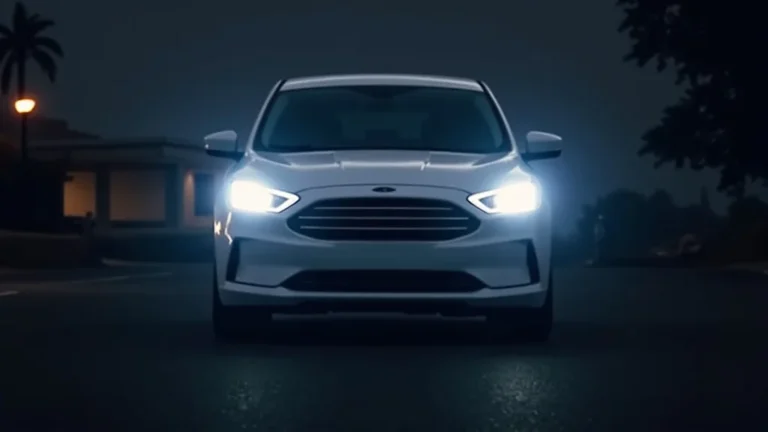
Are HID Headlights Legal? A Guide to Vehicle Lighting
Picture this: you’re cruising down a dark road, and your headlights suddenly seem dimmer than a flashlight. You start thinking about upgrading to something brighter, like High-Intensity Discharge (HID) headlights. But before you make the switch, a critical question pops into your head: are HID headlights legal? This guide will break down everything you need to know about HID headlights, vehicle lighting regulations, and how to stay on the right side of the law. You’ll learn the essential elements to help you upgrade your vehicle’s lighting safely and legally. This will save you time and potential trouble. Let’s explore!
What Are HID Headlights?
High-Intensity Discharge headlights, commonly known as HID headlights, represent a significant advancement in automotive lighting technology. They offer a dramatically brighter and more focused light output compared to traditional halogen bulbs. HID headlights use a different process to generate light. Instead of a filament that glows when heated, they contain a mixture of gases, including xenon, within a sealed glass bulb. When an electrical current passes through the gases, it creates an arc of light, producing a powerful and efficient beam.
HID headlights are known for their distinctive bluish-white light. This light color enhances visibility, especially at night and in adverse weather conditions like rain or fog. The enhanced illumination provided by HID headlights can significantly improve driving safety by allowing drivers to see further down the road and react more quickly to potential hazards. They also offer a longer lifespan compared to halogen bulbs, reducing the need for frequent replacements. This technology is a popular upgrade for vehicle owners seeking to enhance both the appearance and functionality of their cars.
How HID Headlights Work
The core of an HID headlight system lies in its ability to create a powerful light beam using a specific process. Unlike halogen bulbs, which use a heated filament, HID headlights rely on an electrical arc to excite gases. This arc is generated when a high-voltage electrical current passes between two electrodes within a sealed glass or quartz capsule. This capsule is filled with a mixture of gases, typically including xenon, metal halides, and mercury vapor.
The initial startup process involves a high-voltage ballast that supplies a burst of energy to ignite the arc. Once ignited, the arc vaporizes the metal halides, which then produce an intense, bright light. The light emitted is often described as bluish-white due to the specific gas mixture and the color temperature. It is critical to grasp how HID headlights work so you can fully explore the legal implications and safety features linked to this technology.
- The Ballast: The ballast is a key component of the HID system. It is responsible for providing the high-voltage electricity needed to start and maintain the arc within the bulb. The ballast also regulates the current flow to ensure the bulb operates efficiently and provides consistent light output. Without a proper ballast, the HID bulb will not function.
- The Bulb: The HID bulb contains the mixture of gases, and electrodes are enclosed within a sealed capsule. When the high voltage is applied, an electrical arc forms between the electrodes, causing the gases to emit a bright light. HID bulbs are designed to last much longer than halogen bulbs, reducing the frequency of replacement.
- The Color Temperature: The color temperature of an HID headlight is measured in Kelvin (K). This measurement defines the appearance of the light emitted. Higher Kelvin values (e.g., 6000K, 8000K) produce a bluer light, while lower values (e.g., 4300K) emit a whiter light. Choosing the correct color temperature is critical to ensure proper visibility and avoid potential legal issues.
Advantages and Disadvantages of HID Headlights
HID headlights provide superior lighting performance, but like any technology, they come with advantages and disadvantages. Evaluating these points helps you make a well-informed decision about their suitability for your vehicle.
- Advantages:
- Brightness: HID headlights produce significantly more light than halogen bulbs, improving visibility at night and in poor weather conditions.
- Efficiency: They convert electricity into light more efficiently than halogen bulbs, leading to reduced power consumption.
- Lifespan: HID bulbs typically last much longer than halogen bulbs, reducing the need for frequent replacements.
- Appearance: They offer a modern and stylish look with their distinctive light color and intensity.
- Disadvantages:
- Cost: HID headlights are often more expensive than halogen bulbs, both in terms of initial cost and replacement.
- Installation: Installing HID headlights can be more complex than replacing halogen bulbs, and may involve modifications to the vehicle’s electrical system.
- Glare: Improperly installed or aimed HID headlights can produce excessive glare, which can be distracting and dangerous for other drivers.
- Legality: The legality of HID headlights varies by region and depends on factors such as proper installation, aiming, and compliance with regulations.
Are HID Headlights Legal in Your Area?
Whether or not HID headlights are legal depends on several factors, and rules can differ depending on where you are. There isn’t a simple “yes” or “no” answer, as the legality often hinges on specific aspects of the setup and its compliance with local regulations. It’s essential to research and understand the laws in your state or region before installing HID headlights.
Several states and regions have specific rules regarding HID headlights. These rules often focus on factors like the type of headlights, installation, and aiming. Always check your local Department of Motor Vehicles (DMV) or equivalent agency for the most up-to-date and specific information. Regulations can change, so regular checks are a good idea.
Key Factors Affecting HID Headlight Legality
To determine if HID headlights are legal, you need to consider the different aspects of their use and installation. Several key factors can affect compliance with local regulations. Being aware of these points helps ensure you stay within legal limits and keep your vehicle compliant.
- Headlight Type: The primary consideration is whether the headlights are designed for your vehicle. If the vehicle originally came with halogen headlights, installing HID headlights often requires certain modifications.
- Installation: Proper installation is essential. If HID headlights are not installed correctly, they might not perform as expected. Correct installation often includes ensuring the headlights are properly aimed and do not cause glare for other drivers.
- Aiming: Aiming your headlights is critical. If your headlights are aimed incorrectly, they can cause dangerous glare. In several areas, there are specific aiming standards, and misaligned headlights can lead to fines or inspection failures.
- Color Temperature: Some regions have restrictions on the color temperature of headlight bulbs. Bluer lights (higher Kelvin values) can sometimes be restricted due to concerns about glare.
- Aftermarket Kits: Using aftermarket HID kits can complicate the legal status. It is critical that any aftermarket kit is installed according to the manufacturer’s recommendations and complies with all local regulations.
Regulations and Guidelines to Know
Local and state regulations and guidelines play a key role in the legality of HID headlights. Here are some critical points to keep in mind.
- Federal Regulations: The U.S. has federal regulations set by the National Highway Traffic Safety Administration (NHTSA). These standards focus on the performance and safety of automotive lighting systems. Federal regulations establish safety standards that all vehicles must meet.
- State and Local Laws: State and local laws define how these federal regulations are implemented. These regulations can vary significantly. They might dictate the allowed color temperature, installation requirements, and vehicle inspection protocols.
- Inspection Requirements: Several states and regions have vehicle inspection requirements that apply to headlights. Inspections often involve checking the alignment, brightness, and color of the headlights. If your headlights do not pass inspection, you may be required to correct the issue or face penalties.
- Penalties for Non-Compliance: Failure to comply with headlight regulations can lead to a variety of penalties. These penalties may include fines, warnings, or even vehicle impoundment. It is important to stay informed about the local laws to avoid problems.
- Consulting the DMV: For the most accurate and up-to-date information, it is critical to consult your local Department of Motor Vehicles (DMV). They can provide specific regulations, inspection guidelines, and any recent changes.
Installation Tips to Ensure Compliance
Proper installation of HID headlights is vital to comply with regulations. Correct installation not only ensures that your headlights are legal but also maximizes their performance and safety. Failing to install your headlights correctly can result in glare for other drivers.
Professional installation is often suggested. However, if you are comfortable with automotive work, you may install them yourself. Whether you install them yourself or hire a professional, understanding the essential steps is a great idea.
Step-by-Step Installation Guide
Here is a basic guide to installing HID headlights. Remember to consult your vehicle’s owner’s manual for specific instructions and seek professional help if needed.
- Gather Necessary Tools and Parts:
- You will need an HID headlight kit, including bulbs, ballasts, and wiring.
- You may also need basic tools like screwdrivers, wrenches, and pliers.
- A multimeter may be helpful for testing the electrical connections.
- Review the manufacturer’s instructions for the HID kit.
- Prepare Your Vehicle:
- Make sure the vehicle’s ignition is turned off and the key is removed.
- Locate the headlight assembly and carefully remove the old halogen bulbs.
- Disconnect the electrical connectors from the existing headlight bulbs.
- Install the HID Components:
- Mount the HID ballasts in a secure and protected location.
- Connect the wiring harnesses from the ballasts to the existing headlight wiring.
- Insert the new HID bulbs into the headlight assembly, ensuring they are properly seated.
- Test the System:
- Reconnect the electrical connectors and turn on your headlights to make sure they work.
- Check the light output and make sure the beam pattern is correct.
- Aim the Headlights:
- This is one of the most important steps. Improperly aimed headlights can cause dangerous glare.
- Use a headlight aiming tool or have a professional aim your headlights to the correct specifications.
- Consult your vehicle’s manual for specific aiming instructions.
Ensuring Proper Aiming and Alignment
Correct headlight aiming is essential for both legal compliance and road safety. Poorly aimed headlights can cause significant glare, which can reduce visibility for oncoming drivers and create dangerous situations.
- Use a Headlight Aiming Tool: A headlight aiming tool helps you to check and adjust the vertical and horizontal alignment of your headlights. These tools are available at many auto parts stores.
- Check the Beam Pattern: The beam pattern should be focused and directed downwards. There should be a distinct cutoff point to prevent light from shining directly into the eyes of other drivers.
- Consult Your Vehicle’s Manual: Your vehicle’s owner’s manual will have precise instructions on how to aim your headlights. Follow these instructions carefully.
- Professional Assistance: If you are not confident in your ability to aim your headlights, seek the assistance of a qualified mechanic or auto body shop. They will have the tools and experience to correctly align your headlights.
Maintaining Your HID Headlights
Maintaining your HID headlights guarantees they continue to function correctly and legally. Routine maintenance enhances their longevity and the performance of your lighting system. Here are some maintenance tips.
- Regular Inspections: Regularly inspect your headlights for any signs of damage, such as cracks, scratches, or clouding. Damage can reduce light output and potentially lead to glare.
- Cleaning the Lenses: Clean the headlight lenses regularly. Dirt and grime can reduce the brightness of your headlights. Use a headlight cleaning kit or mild soap and water.
- Check Ballast Function: The ballast is an important component of the HID system. Ensure that the ballasts are functioning correctly. Any flickering or dimming of the headlights could indicate a problem with the ballast.
- Proper Replacement: When replacing HID bulbs, always use bulbs that match the original specifications. Make sure you use the correct bulb type and color temperature to ensure optimal performance and legal compliance.
- Professional Servicing: Have your HID headlights professionally serviced every so often. A professional can check and adjust the headlight aiming, inspect the wiring, and replace any failing components.
Common Mistakes to Avoid
Avoiding common mistakes during the installation and use of HID headlights helps to ensure legal compliance and driver safety. Here are some of the most frequent errors that drivers make.
- Incorrect Bulb Type: Using the wrong bulb type can result in a poor beam pattern, glare, and even damage to your vehicle’s headlight assembly. Always double-check that the bulb matches the specifications for your car.
- Improper Aiming: Incorrectly aimed headlights can cause excessive glare, which is dangerous for other drivers and can lead to legal issues. Always aim your headlights correctly.
- Ignoring Local Regulations: Failing to research and understand local regulations can lead to fines, failed inspections, and potentially even more serious legal trouble. Always be aware of the laws in your area.
- Using Aftermarket Kits Without Proper Installation: Aftermarket HID kits can be great upgrades. However, if they are not installed correctly, they can cause a lot of problems. If you’re not comfortable installing them yourself, have a professional do it.
- Neglecting Maintenance: Skipping maintenance can cause your headlights to deteriorate, reducing their light output and leading to potential safety issues. Regular inspections and cleaning are important.
Frequently Asked Questions
Question: Can I just swap HID bulbs into my existing halogen headlight housings?
Answer: It is generally not recommended and is often illegal. Halogen headlight housings are designed to work with halogen bulbs. Using HID bulbs in these housings often results in poor light distribution, glare, and may not meet safety standards.
Question: What is the best color temperature for HID headlights?
Answer: For optimal visibility, 4300K to 5000K is generally considered the best color temperature. This range provides a bright, white light that offers good visibility without excessive glare. Higher temperatures produce a bluer light, which is more for looks than functionality.
Question: Will installing HID headlights void my vehicle’s warranty?
Answer: This depends on the manufacturer. Installing aftermarket parts, including HID headlights, might void your warranty. Always check your vehicle’s warranty details and consult with your dealership before installing any aftermarket accessories.
Question: How often do HID bulbs need to be replaced?
Answer: HID bulbs have a longer lifespan than halogen bulbs. They typically last for thousands of hours. However, their lifespan can vary based on usage and bulb quality. Always replace bulbs in pairs to ensure even light output.
Question: What should I do if my HID headlights cause glare?
Answer: If your HID headlights are causing glare, you should check their aiming immediately. Ensure that your headlights are properly aimed and are not shining directly into the eyes of other drivers. If the problem persists, consult a professional mechanic.
Final Thoughts
The question of are HID headlights legal isn’t always easy. It’s a complex topic with many factors that can vary from place to place. The legality often comes down to the specifics of how the lights are installed, aimed, and how well they adhere to local regulations. Before considering an upgrade, it’s critical to research the rules in your area and ensure any modifications meet the standards. Correct installation, including proper aiming, is key to both legality and safety. By ensuring that your HID headlights are correctly installed and maintained, you can boost your visibility on the road. Remember, staying informed and following the guidelines helps keep you and other drivers safe while also staying within the law.