Are Colored Headlights Legal in Texas: The Lone Star State’s Laws
Picture this: you’re cruising down a Texas highway at night, and you spot a car with vibrant, eye-catching headlights. They’re not the standard white or yellow; they’re blue, red, or maybe even green! This instantly sparks curiosity. The question pops into your head: are colored headlights legal in texas? This post will answer that question, and more! You’ll learn the ins and outs of Texas vehicle lighting regulations. By the end, you’ll know what’s allowed and what’s not, helping you avoid potential tickets and stay safe on the road. This will improve your understanding of Texas law and help you protect your driver’s license.
Texas Vehicle Lighting Laws: An Overview
Texas has specific laws concerning vehicle lighting to maintain safety and visibility on its roads. These laws dictate the type, color, and placement of lights allowed on vehicles. They are in place to ensure that drivers can see and be seen, reducing the risk of accidents. Failing to adhere to these regulations can result in a traffic stop and a citation, so familiarizing yourself with the rules is important for every driver.
General Lighting Requirements
The core of Texas’s lighting regulations focuses on what’s permitted for vehicles. The law requires headlights, taillights, brake lights, and turn signals to be functional and meet specific color standards. These basic components are designed to keep the roadways safer. The primary objective is to make sure your vehicle is visible to others, at all times, preventing confusion on the road. The law also places requirements on how these lights are installed and maintained.
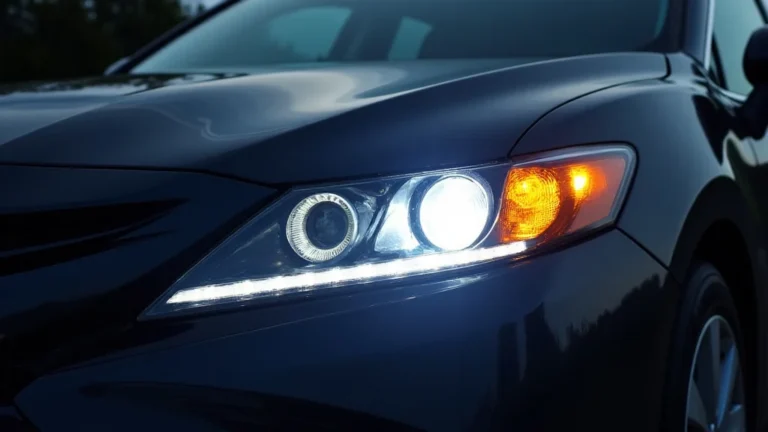
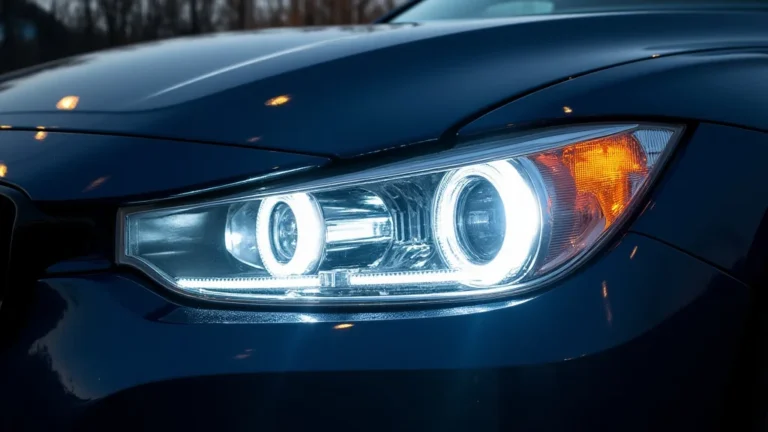
- Headlights: Headlights must be white or amber, and they must be able to illuminate a distance of at least 500 feet. The use of high beams is permitted except when approaching another vehicle or when following closely. This ensures that you can see the road ahead, and other drivers can spot your vehicle.
- Taillights: Taillights must be red, and they are required to be visible from a distance of at least 1,000 feet. They indicate a vehicle’s presence to those behind, especially during low-light conditions. These help other drivers maintain a safe following distance.
- Brake Lights: Brake lights must be red, and they must be activated when the brakes are applied. Brake lights are essential for signaling to drivers behind you that you’re slowing down or stopping. This warning prevents rear-end collisions.
- Turn Signals: Turn signals must be amber or white. They are required to indicate a driver’s intention to change lanes or turn. They provide valuable information to other drivers, increasing their reaction time.
Prohibited Lighting Colors and Types
Certain colors and types of lights are forbidden on vehicles in Texas to avoid confusion and potential safety hazards. For instance, using red or blue lights on a private vehicle generally implies it’s an emergency or law enforcement vehicle, potentially confusing other drivers. The law sets rules to ensure that everyone can identify the nature of each vehicle. These regulations are designed to minimize any uncertainty on the roads.
- Red Lights: With the exception of taillights and brake lights, red lights facing forward are typically prohibited. They are often associated with emergency vehicles, and having red lights facing forward on your car could easily confuse other drivers.
- Blue Lights: Blue lights are usually reserved for law enforcement vehicles. If a private vehicle has them, it might be mistaken for an emergency vehicle, leading to confusion or possibly endangering those on the road.
- Flashing Lights (Except Turn Signals and Hazard Lights): Flashing lights can be distracting and may obscure other important signals. The use of flashing lights is generally restricted to specific situations.
- Neon or Underglow Lights: While not specifically color-related, neon or underglow lights often violate lighting laws. These lights are often seen as a distraction and can obscure other important signals.
Are Colored Headlights Legal in Texas? The Details
The legality of colored headlights in Texas is not always straightforward. While the state’s laws are detailed, interpretations can vary. It’s essential to explore specific color restrictions and exceptions to ensure compliance. The specific regulations often influence how vehicle lighting systems can be modified.
Specific Color Restrictions for Headlights
The standard headlights in Texas are expected to be either white or amber. These colors provide good visibility without causing confusion. There are several considerations in the context of what’s legal. You’ll be exploring the restrictions that apply to these colors and any potential exceptions. The basic goal is to avoid any potential visibility problems and keep the roadways safe.
- White or Amber: These colors are generally permitted for headlights. White and amber lights are effective for nighttime driving. They provide a balance between visibility and avoiding glare or confusion for other drivers.
- Other Colors: Colors like blue, green, and red are typically not allowed for headlights. They can be mistaken for emergency vehicle lights, causing confusion and safety concerns. This regulation is to prevent any misunderstandings about the nature of a vehicle.
- Exceptions: While other colors are usually forbidden, there might be limited exceptions. One exception could include custom headlights or aftermarket lights that meet very specific requirements. These lights must not violate any of the visibility laws and must adhere to all safety standards.
Aftermarket Headlights and Modifications
Modifying headlights with aftermarket products is another area that raises questions about legality. Upgrading to different headlight types or adding unique colors can impact a vehicle’s compliance. The specific rules for different kinds of upgrades will be explored, including any limits you should be aware of. When modifying your vehicle’s lights, it’s necessary to take a closer look at these details.
- Allowed Modifications: Certain modifications are permitted, such as replacing standard bulbs with LED or HID lights as long as they emit the correct colors. The most important thing is to ensure that these modifications comply with all current vehicle laws.
- Prohibited Modifications: Modifications that change the color to non-compliant shades or cause excessive glare are usually prohibited. Changes that compromise the visibility for other drivers are also discouraged. It is advisable to avoid these modifications.
- Compliance with Texas Transportation Code: All modifications should comply with the Texas Transportation Code, which includes detailed information on vehicle lighting regulations. You should examine the code to ensure that your modifications are legal.
Understanding Texas Vehicle Inspection and Enforcement
Texas vehicle inspections play a huge role in ensuring that vehicles comply with all safety regulations, including lighting requirements. These inspections help identify any lighting issues or illegal modifications. Enforcement of lighting laws is typically handled by law enforcement officers during traffic stops. You must be prepared for the inspection process and aware of what to expect.
The Vehicle Inspection Process
During a Texas vehicle inspection, your vehicle’s lighting system will be closely checked. This ensures that all lights meet the state’s standards. Inspectors check the lights’ functionality, color, and overall condition. The inspection’s details can help drivers understand the importance of compliance.
- Inspection Checklist: Inspectors check headlights, taillights, brake lights, turn signals, and any other lights installed on the vehicle. Each light is inspected for functionality, color, and proper placement.
- Failed Inspections: If any lights do not meet the legal requirements, the vehicle will fail the inspection. You’ll then be required to make the needed repairs or adjustments to pass the inspection.
- Passing the Inspection: Once the lights are up to standard, the vehicle passes inspection, and you receive an inspection sticker. This sticker certifies that the vehicle meets the state’s safety regulations.
Law Enforcement and Traffic Stops
During a traffic stop, a law enforcement officer might check your vehicle’s lights. This is particularly the case if the lights appear to violate state laws. Understanding how officers enforce these regulations is critical for every driver.
- Reasons for Stops: Officers may pull you over if your headlights are the wrong color or appear to be malfunctioning. These lighting issues raise safety concerns and can lead to traffic stops.
- Consequences: Violations can result in a warning, a citation, or a requirement to fix the problem. The specific penalty is often determined by the severity of the violation and the officer’s discretion.
- Avoiding Issues: To avoid problems, drivers should regularly check their lights and ensure they comply with Texas laws. Staying updated on regulations and ensuring your vehicle’s lights are compliant helps prevent issues.
Practical Tips for Staying Legal
Staying legal and safe on Texas roads requires proactive steps. There are several useful guidelines that can help you stay compliant. You can ensure that your vehicle’s lighting system meets all legal requirements by following these tips. This ensures your safety and prevents potential legal problems.
Regular Maintenance and Checks
Regular maintenance is essential for keeping your vehicle’s lights in good condition. You will learn about how often you should check your lights, and the steps involved in light maintenance. This helps you to identify potential issues early on, keeping you safe and compliant.
- Frequency of Checks: Check your lights at least once a month. Make sure all lights are working correctly. Examine them to look for any damage or malfunctions.
- Bulb Replacement: Replace any burned-out bulbs immediately. Faulty lights can cause an accident. Check for dimming lights, and check them as well.
- Lens Cleaning: Clean your headlight lenses regularly. Clean lenses maximize light output, ensuring good visibility.
Knowing the Law and Staying Updated
Laws can change, so it’s important to stay informed about any new changes in Texas vehicle lighting regulations. You can find up-to-date information, and know where to look. This knowledge will assist you to maintain compliance with all current laws.
- Checking the Texas Transportation Code: The Texas Transportation Code is the main source for all vehicle-related laws. Checking the Transportation Code on a regular basis keeps you aware of potential updates.
- Official Resources: Check websites such as the Texas Department of Motor Vehicles (TxDMV) for any updates. You can find detailed information on regulations and any new changes.
- Seeking Expert Advice: Consult with a certified mechanic or a vehicle lighting specialist if you’re unsure about the law. You can be certain that any modifications are legal by getting expert advice.
Scenario Examples
These scenarios demonstrate different situations involving vehicle lighting in Texas. They provide insight into the potential consequences of non-compliance. These scenarios highlight the importance of adhering to the lighting regulations.
- Scenario 1: Colored Headlights:
Sarah installs blue headlights on her car, and she is pulled over by a police officer late at night. The officer notes that blue headlights are not allowed, and Sarah receives a citation. She is ordered to
- Scenario 2: Aftermarket Lighting:
Mark modifies his vehicle with aftermarket LED lights that are designed to emit a bright white light. During a routine inspection, the inspector notes that the lights produce excessive glare. He is asked to adjust the lights. Mark adjusts the lights as the inspector tells him. The inspector is satisfied, and the vehicle passes inspection.
- Scenario 3: Faulty Taillights:
John drives at night without checking his taillights, and he gets pulled over. The officer notices that one of the taillights is not working. The officer tells John to fix the light and gives a warning. John gets the taillight fixed quickly, and all is well.
Comparison Table: Legal vs. Illegal Headlight Colors in Texas
This table summarizes the legality of different headlight colors in Texas, allowing for a quick reference. The chart provides an easy-to-read guide to staying compliant.
| Headlight Color | Legality in Texas | Notes |
|---|---|---|
| White | Generally Legal | Standard and widely accepted. |
| Amber | Generally Legal | Often used for turn signals and some headlights. |
| Blue | Generally Illegal | Usually reserved for emergency vehicles. |
| Red | Generally Illegal | Usually reserved for brake lights and taillights. |
| Green | Generally Illegal | Generally not permitted for headlights. |
Frequently Asked Questions
Question: Can I have blue headlights in Texas?
Answer: No, in general, blue headlights are illegal in Texas. This color is typically reserved for emergency vehicles to avoid confusion.
Question: Are aftermarket LED headlights legal in Texas?
Answer: Yes, aftermarket LED headlights are legal in Texas as long as they emit either white or amber light and meet the required brightness standards. They also must not produce excessive glare.
Question: What happens if my vehicle fails a lighting inspection?
Answer: If your vehicle fails a lighting inspection, you will be required to repair or
Question: Can I use colored underglow lights in Texas?
Answer: Generally, colored underglow lights are not permitted in Texas, as they are often seen as a distraction. It’s best to avoid these types of lights.
Question: Where can I find the most up-to-date information on Texas vehicle lighting laws?
Answer: You can find the most current and detailed information on the Texas Department of Motor Vehicles (TxDMV) website and in the Texas Transportation Code.
Final Thoughts
Understanding Texas’s laws on vehicle lighting is a key responsibility for any driver. While the rules may appear complicated, the purpose is clear: to ensure safety for everyone on the road. By ensuring your vehicle’s lights are compliant, you help prevent accidents and avoid legal trouble. Regular maintenance, staying updated on regulations, and choosing the right lighting modifications are critical steps.