Which Fog Light Color Is Best for Your Vehicle?
Choosing the right fog light color can feel tricky, especially if you’re new to car modifications. You might wonder, which fog light color is best for driving in different conditions. Don’t worry, many people have the same question! This guide breaks down the science behind fog light colors in easy steps, so you can make the best choice for safety and style. We’ll start with the basics, then get into the details, helping you make an informed decision about your vehicle’s lights. Ready to learn more?
Fog Light Basics: What You Need to Know
Fog lights are extra headlights placed low on your car. They’re built differently than regular headlights. Standard headlights shine out bright and far, and fog lights aim lower. This design helps cut through fog, rain, or snow. The goal is to improve what the driver sees, which keeps everyone safer. They reduce the glare that can come from driving in bad weather. Fog lights are very useful because they boost the driver’s ability to see the road.
Why Fog Lights Matter
Fog lights matter because they help you see better in bad weather. Think of fog as a wall of tiny water droplets hanging in the air. Regular headlights can bounce off these droplets, creating glare. This glare makes it harder to see. Fog lights, placed low to the ground and shining at a lower angle, can pierce through this haze more effectively. They illuminate the road ahead with less scatter, improving visibility when it’s most important.
- Enhanced Visibility: Fog lights increase your ability to see the road ahead. This helps you notice other cars, pedestrians, and road hazards.
- Reduced Glare: Fog lights are designed to reduce the amount of light that reflects back at you, cutting down on glare.
- Safety Boost: When visibility is reduced, fog lights can offer an important safety advantage. They help you stay aware of your surroundings, decreasing the risk of accidents.
Fog lights have a big impact on road safety. A study by the National Highway Traffic Safety Administration (NHTSA) found that cars using fog lights in bad weather had a lower accident rate than those without them. In an emergency, every second counts. Good visibility helps you make quicker choices, like hitting the brakes or steering away from danger. This information highlights how essential fog lights are.
The Role of Color in Fog Light Performance
The color of fog lights affects how well they work. Some colors are better at cutting through fog than others. The main idea is that certain colors can scatter less light. They help the driver see better when visibility is low. Color choices in fog lights matter because different colors react differently with water droplets. This difference greatly affects how well you can see in bad weather.
- Wavelengths and Light: Light travels in waves. The color of light is determined by its wavelength. Shorter wavelengths, like blue, scatter more. Longer wavelengths, like yellow, scatter less.
- Atmospheric Conditions: In fog, rain, or snow, the air is filled with water droplets or particles. These particles scatter light, making it difficult to see.
- Color Impact: The right fog light color minimizes this scattering, helping your eyes see through the haze. Therefore, color is a key factor in how effectively fog lights perform.
The science of light and color is essential to choosing fog lights. Light interacts with the atmosphere in various ways. When fog or other conditions are present, light waves can become easily scattered. By choosing a specific color, you can minimize the effects of light scatter. This means your fog lights will work better to help you see the road.
Choosing the Right Fog Light Color: A Deep Dive
Now, let’s explore different fog light colors and their strengths. Picking the best color involves balancing factors like visibility, legality, and personal preference. There are several colors to choose from, each with its characteristics. Understanding each color can help you decide which one best suits your driving style and the common weather conditions where you live. This part will examine several popular options.
Yellow Fog Lights
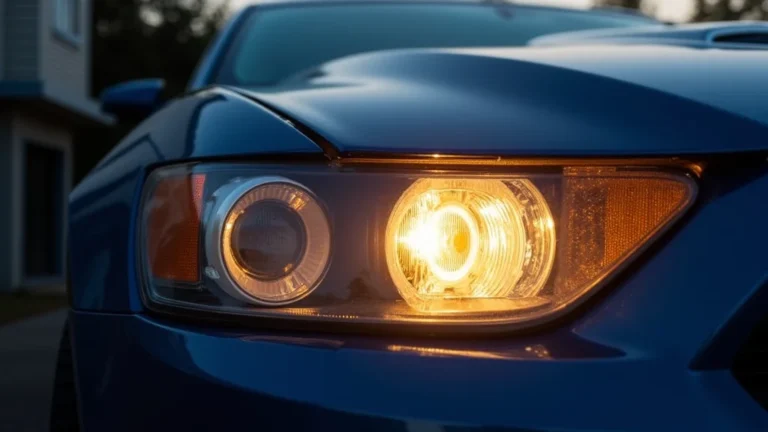
Yellow fog lights have long been a popular choice. They have a reputation for being effective in bad weather. These lights help cut through fog, rain, and snow. Yellow light has a long wavelength. This wavelength has less scatter than some other colors. That means it can penetrate through the atmosphere. The ability to minimize scatter makes yellow fog lights a favorite in bad weather conditions. Yellow has a historical background, too. The color was mandated in many countries for fog lights for years. This gave yellow a strong presence in the automotive market.
- Good Visibility: Yellow light can cut through fog and reduce glare better than white or blue light. This helps improve driver visibility.
- Long Wavelength: Yellow light has a longer wavelength. This characteristic means it scatters less in fog, helping your eyes perceive objects more easily.
- Traditional Choice: In many places, yellow has been the standard for fog lights for years. This gave it a good reputation among drivers.
A good example of yellow lights working well would be in a heavy rainstorm. Imagine driving on a dark highway. Your standard headlights are bouncing off the rain. This glare makes it hard to see. If you switch on yellow fog lights, they will cut through the rain. The lower placement will limit the glare from the road. You should be able to see the road markings and other cars more clearly. The overall effect will make driving safer.
White Fog Lights
White fog lights are the most common choice. They look clean and modern. Many cars come with white fog lights as factory equipment. White light offers good brightness and illumination. These lights often blend well with standard headlights. This feature can be a plus if you like a consistent look for your car. However, white light can be subject to glare in fog or snow. This is because white light has a short wavelength and can scatter more than yellow.
- Brightness: White lights offer good brightness, which makes them great for driving in clear conditions.
- Modern Look: Many people prefer white lights for their modern appearance. They blend well with most car designs.
- Potential Glare: White light can cause more glare in bad weather. This can reduce visibility in fog, snow, or heavy rain.
Take this example. Suppose you’re driving home late on a clear night. White fog lights would enhance road vision and provide more clarity. However, in the case of heavy fog, white lights could get reflected and create glare. This glare would reduce your ability to see the road. This highlights that white light may not always be the best choice in bad weather. You should use them carefully in snowy conditions.
Other Colors and Their Performance
Besides yellow and white, other fog light colors are available. However, they may not offer as much advantage in bad weather. Colors like blue and purple are more about style. They may not be as practical for improving visibility. The color affects how light is scattered in the atmosphere. The scattering affects the driver’s ability to see the road. It’s always essential to choose a color that improves safety.
- Blue Fog Lights: Blue lights tend to scatter light. They don’t cut through fog well. Their look may appeal to drivers, but they are not the best for visibility.
- Purple Fog Lights: These are usually for decoration rather than function. They have poor visibility in fog and rain.
- Color Temperature: Color temperature is measured in Kelvin (K). Higher Kelvin values usually mean colors that are more blue or purple. Lower Kelvin values correspond to yellow or amber.
Consider the color temperature when picking fog lights. It is a way of measuring the color’s appearance. Lights with a high color temperature, like blue ones, are great for clear conditions. Lights with a lower color temperature, like yellow, are best for foggy conditions. To be safe, look for lights with the right features for your needs. Always focus on a balance of style and function when choosing your fog lights.
Legality and Regulations Regarding Fog Light Colors
Before selecting fog lights, check your local laws. Rules regarding fog light colors vary by location. Some places restrict which colors you can use. You want to make sure your lights are legal to use on the road. This is because legal lights will help you avoid problems with law enforcement. Before fitting any fog lights, check local rules.
Local Laws and Regulations
The rules governing fog light colors change by state or country. Some places permit only yellow or white. Other regions may be more flexible, but there might be restrictions. You can often find this information at your local Department of Motor Vehicles (DMV). Always check those rules before choosing any lights for your car. This can help you avoid problems later on.
- Check Your DMV: The DMV will tell you what fog light colors are approved in your area. They often provide details on color, brightness, and positioning.
- State-Specific Rules: Rules differ among states. Some states may allow yellow or white fog lights only. Others may have stricter rules.
- Enforcement: Police officers enforce these laws. You could receive a ticket or have to change your lights if you break the rules.
For example, if you live in a place where only yellow or white lights are permitted, using blue lights may lead to a fine. Ignoring these rules could result in penalties. Check local laws before installing fog lights to ensure you are safe and legal. Always pay attention to road safety rules.
The Importance of Compliance
Following fog light laws is important for several reasons. It helps you avoid fines and ensures that your vehicle is safe to operate. Using illegal lights could also affect your insurance. Non-compliant lights may void your warranty. Following the law keeps you safe and helps you avoid issues. Keep up-to-date with traffic laws.
- Avoid Fines: Following the rules helps you avoid tickets and fines. It prevents unwanted costs and keeps your driving record clean.
- Safety Compliance: Legal fog lights should also comply with safety standards. This means they are likely to work as intended.
- Insurance and Warranty: Using approved equipment can prevent insurance claim rejections. It can prevent issues with your car’s warranty.
Here’s a scenario: If you are pulled over with illegal fog lights, you could face fines and a citation. Moreover, your insurance company may deny coverage if an accident occurs. This could cause financial hardship. Driving with the correct equipment and following local rules makes sure you are protected.
Installation and Maintenance of Fog Lights
When installing fog lights, consider several factors to ensure they work correctly. This includes the correct positioning and proper wiring. Regular upkeep can extend the life of your fog lights. Proper maintenance will also guarantee you have clear and effective lighting. You need to understand the basic guidelines for installing and maintaining these essential safety features.
Installation Steps
The first step is picking the right fog lights for your car. Consider the size, shape, and mounting style. You may have to consult your car’s manual. You can also research online. Following these steps can help with proper installation. You can either fit the lights yourself, or you can have them fitted by a professional.
- Gather Supplies: You’ll need fog lights, wiring, a switch, and tools like a screwdriver. Consult your car’s manual for specific needs.
- Mounting: Mount the fog lights. This often involves attaching them to existing brackets or the bumper. Follow the provided instructions.
- Wiring: Connect the wires correctly. Attach them to the car’s electrical system, using a fuse for safety.
For instance, if you’re working on a new car, you must take care to align the fog lights according to the manufacturer’s standards. Improper alignment can reduce light effectiveness. You might also cause glare to other drivers. Correct installation ensures the lights function as needed. It helps to maximize safety. If you’re unsure, ask a qualified mechanic for help.
Maintenance and Care
Maintaining your fog lights extends their lifespan and keeps them working well. Check the lights often for any issues. Be prepared to deal with basic issues to prevent more major problems. This way, you can keep them in top shape and make the most of your investment. It helps your vehicle look good, too.
- Regular Checks: Look for any signs of damage. Check for cracks, condensation, or changes in the light’s color.
- Cleaning: Keep the lenses clean. Dirt, dust, and grime can reduce the lights’ brightness.
- Replacement: If any light breaks or fails, replace it. Faulty lights reduce visibility and increase the risk of accidents.
Here’s a simple maintenance tip: Every month, clean the lens surface with a soft cloth and soapy water. Clean lenses can give you maximum visibility and safety. Make sure that nothing is blocking the lights. If you regularly check and maintain your fog lights, they will provide reliable performance for years.
Frequently Asked Questions
Question: Are yellow fog lights always better than white ones?
Answer: Not necessarily. Yellow lights can be advantageous in fog or snow, but white lights offer good brightness for clear conditions.
Question: Can I install any color fog lights I want?
Answer: No, the color must comply with your local regulations. Check your state or region’s laws before installing fog lights.
Question: How do fog lights help in bad weather?
Answer: Fog lights are positioned low to the ground and cut through fog by minimizing glare and improving visibility.
Question: Do I need to be a professional to install fog lights?
Answer: No, but it is important to have the right knowledge and tools. If in doubt, have a professional do it.
Question: How often should I maintain my fog lights?
Answer: Regularly check them for damage, clean the lenses, and replace them when necessary.
Final Thoughts
So, which fog light color is best? The answer depends on your unique driving needs and local regulations. Yellow lights often work better in fog and snow. White lights provide good brightness. You need to check your local rules before choosing any color. You must also think about what looks right for your car. Remember to take time for regular upkeep. Always consider factors like visibility, compliance, and personal style. Make the right choice for your fog lights, and enjoy safer driving. Now you know the essentials, go out and choose the best fog lights for you!