Fog Lights Versus Headlights: A Driver’s Guide
Figuring out the difference between fog lights vs headlights can seem tricky for new drivers. It’s like learning a new language – you see all these lights, and it’s hard to know which one to use when. This guide is here to help! We’ll break down the roles of each light and how to use them correctly. You’ll soon feel confident when it comes to lighting up the road. Let’s get started and clear up any confusion about your car’s lights!
Headlights: Your Main Source of Illumination
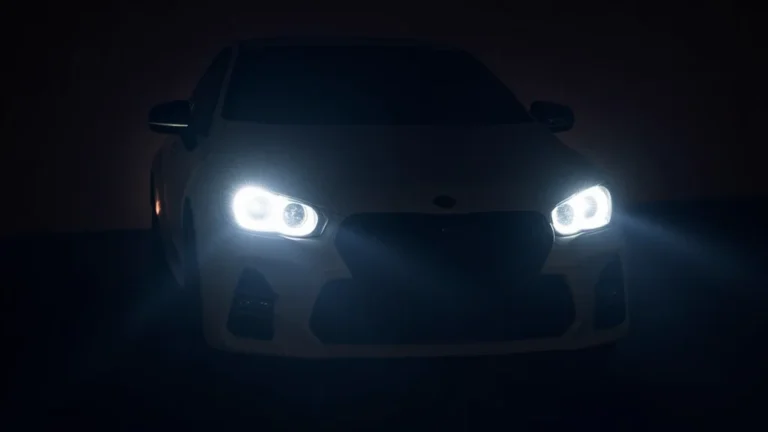
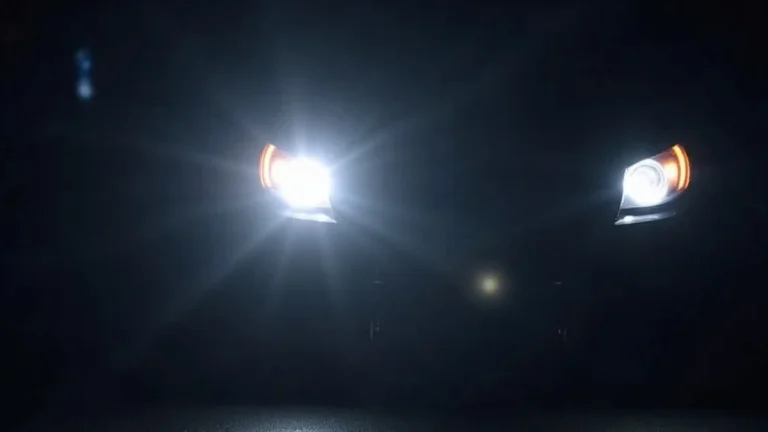
Headlights are your primary source of illumination. They’re what you use most of the time when driving at night or in low-light situations. They’re brighter and project farther than other lights, ensuring you can see the road ahead, as well as helping other drivers see you. Knowing how to use them correctly is a core part of safe driving, making them something every driver needs to know about.
Types of Headlights
There are different types of headlights. The most common types are halogen, LED, and HID (High-Intensity Discharge). Each type has unique characteristics. Halogen lights are the oldest and most affordable type, using a filament that glows when heated. LED (Light-Emitting Diode) headlights are becoming very popular. They are energy-efficient and last much longer than halogen bulbs. HID lights use a gas-discharge technology that produces a very bright light, often used in higher-end vehicles.
- Halogen Headlights: These are the classic, familiar headlights. They use a heated filament inside a glass bulb, producing a warm, yellowish light. They are often the most affordable choice for car owners, making them a common sight on many vehicles.
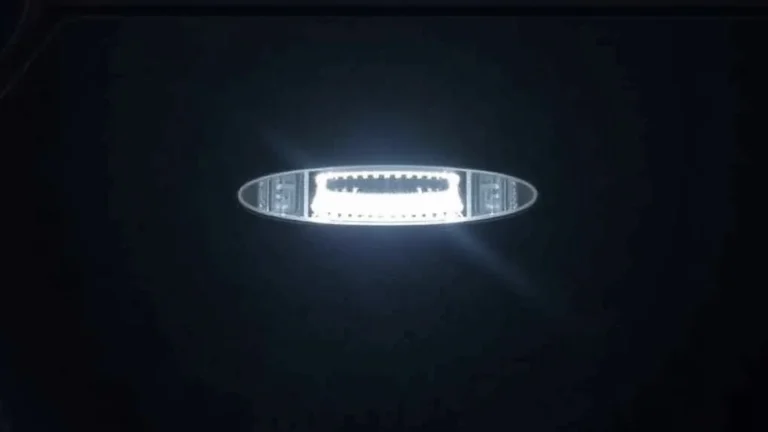
- LED Headlights: LED (Light-Emitting Diode) headlights use light-emitting diodes to generate light. They are very energy-efficient and known for their long lifespan. LEDs offer a bright, crisp, white light that improves visibility, particularly at night. They can also be designed in various shapes and sizes.
- HID Headlights: HID (High-Intensity Discharge) headlights use a gas-discharge technology, typically xenon gas, to produce very bright light. They are also known as xenon headlights. HID lights produce a strong, focused beam, providing excellent visibility, particularly in dark conditions.
Halogen headlights work by heating a tungsten filament inside a glass bulb. This filament produces light when it reaches a certain temperature. Halogen lights are effective but not the most efficient. They consume more energy and have a shorter lifespan compared to LED or HID lights. However, their affordability makes them a practical option for many drivers. They are known for providing adequate illumination for general driving purposes.
LED headlights use semiconductors that emit light when electricity passes through them. This technology allows for greater design flexibility and faster response times. LEDs often produce a brighter light than halogen bulbs while consuming less energy. The light emitted is usually a cool, white hue, which enhances visibility for the driver. LEDs also last much longer and are more resistant to damage from vibrations.
HID headlights utilize an electrical arc that passes through xenon gas to create light. This process generates a powerful, bright light, significantly enhancing visibility. HID headlights typically offer a whiter and brighter light than both halogen and many LED headlights. Their intense light output can be very helpful in various driving conditions. However, they may require more complex installation and are sometimes associated with glare if not properly aimed.
Headlight Aiming and Maintenance
Properly aimed headlights are very important for safe driving. Misaligned headlights can reduce visibility and cause glare, which can impact other drivers. Regular maintenance and checks can prevent accidents. Make sure to keep your headlights clean and replace any burned-out bulbs immediately.
- Headlight Alignment: Correct headlight alignment is very important. Misaligned headlights can shine either too high or too low. This can reduce your visibility or blind oncoming drivers. Professional alignment by a mechanic ensures your headlights are shining where they should.
- Cleaning Headlights: Over time, headlights can become clouded or dirty, reducing their effectiveness. Clean headlights ensure that the full light output can be used. Clean headlights with a suitable cleaner to remove dirt, grime, and oxidation that can degrade the light output.
- Replacing Bulbs: When a headlight bulb burns out, it’s a safety hazard. Replace any burnt-out bulbs promptly to ensure adequate visibility. Replacement is also needed if the headlights dim due to age or damage to the light.
Headlight alignment involves adjusting the vertical and horizontal angles of your headlights. Vertical alignment ensures your headlights shine at the correct height, illuminating the road without blinding other drivers. Horizontal alignment ensures the light beams cover the road ahead adequately. Regular checks and adjustments are needed as road bumps and normal use can cause misalignment. Proper alignment is part of maintaining safe driving.
Regular cleaning is an easy task that can improve headlight performance. Using a dedicated headlight cleaner can remove built-up dirt and oxidation that can cloud the lens. Clean headlights provide better visibility at night and improve your visibility to other drivers. This simple step can make a big difference in driving safety and reduce the risk of accidents. Consider cleaning headlights regularly, especially during the fall and winter months.
Replacing headlight bulbs promptly is critical for your safety. A dim or non-functioning headlight reduces your ability to see the road and makes your vehicle less visible to other drivers. Follow your vehicle’s manual for the correct bulb type and replacement instructions. If you’re not comfortable replacing the bulbs yourself, a mechanic can do it for you. Keeping your headlights in good working order is a must.
Fog Lights: When Visibility Drops
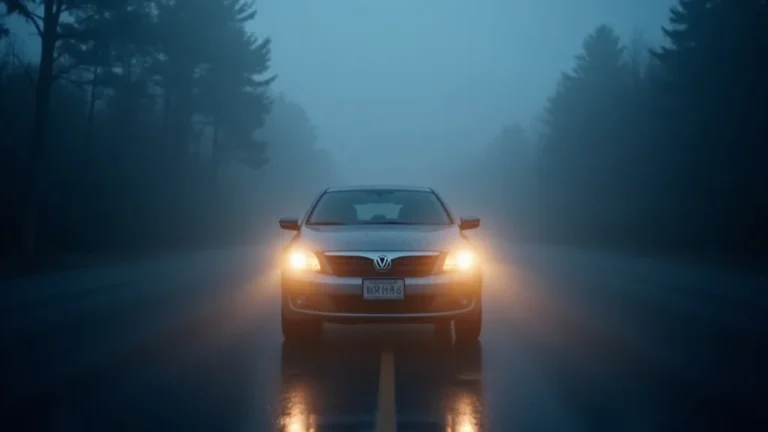
Fog lights vs headlights are designed for different conditions. While headlights are for regular driving, fog lights are made for situations where visibility is poor, like during fog, heavy rain, or snow. Fog lights are usually positioned low on the vehicle, helping to cut through the conditions more effectively.
How Fog Lights Work
Fog lights are different from your regular headlights in their design and function. They’re designed to project light differently to help improve your vision in poor conditions. They are made to minimize glare. Understanding how they work is key to their effectiveness.
- Beam Pattern: Fog lights have a special beam pattern that’s wide and flat. This pattern helps to illuminate the road close to your vehicle and reduces the amount of light reflected back to the driver. This is helpful in reducing glare from fog, snow, or rain.
- Light Color: Many fog lights have a yellow or amber tint. This color is thought to be more effective at cutting through fog than white light. Yellow light has a longer wavelength. This can help it penetrate fog better than other colors of light.
- Placement: Fog lights are placed low on the front of the vehicle. This is helpful. Their position helps to put the light below the fog line. This design helps minimize the reflection of the light back into the driver’s eyes, maximizing visibility in poor conditions.
The beam pattern of fog lights is usually wider than the headlights, which helps to illuminate a broader area in front of the car. The low position and the beam pattern help the lights to stay below the fog. This keeps light from being reflected back to the driver, minimizing glare. The effect is to provide better visibility of the road and the edges of the road. This helps to improve your situational awareness in difficult conditions.
The color of fog lights, often yellow or amber, plays an important part in their functionality. Yellow light has a longer wavelength than white light. This means it can scatter less in foggy conditions. This allows the light to travel farther, improving the driver’s ability to see the road. Yellow lights also reduce glare, helping to increase visibility. It is a key aspect of how fog lights work.
The low placement of fog lights is very important to their effectiveness. This position helps the light to shine underneath the fog, reducing glare and allowing for greater visibility. This placement is one of the important differences between fog lights and headlights. This placement is a basic but key part of the design of fog lights.
When to Use Fog Lights
Fog lights should be used when visibility is very low, usually when it’s foggy, raining heavily, or snowing. They are not intended for use in clear conditions. Proper use means the driver will maximize their benefits. Also, you’ll be considerate of other drivers.
- Foggy Conditions: Fog lights are designed for use in foggy weather. They are designed to help you see the road better. They can also help other drivers see your vehicle.
- Heavy Rain: Fog lights can also be helpful in heavy rain. Their wide beam pattern can illuminate the road and the sides. This gives drivers a better view of their surroundings.
- Snowy Conditions: In snowy conditions, fog lights can also enhance visibility by helping to cut through the falling snow and illuminating the road ahead. The positioning helps to reduce reflection.
The main purpose of fog lights is to improve visibility in foggy conditions. When the air is thick with fog, it’s difficult for your headlights to cut through. Fog lights are designed to focus light closer to the ground. This reduces the amount of light reflected back to the driver, reducing glare. This helps drivers see the road better and respond to any dangers.
Fog lights provide benefits in heavy rain. They offer a wider beam pattern that lights up a larger area around the car. This can help drivers see the road markings and the edges. Using fog lights with low beam headlights will provide the best visibility during wet conditions. Fog lights improve safety. They let drivers respond to changing conditions.
Fog lights are very useful in snowy conditions. They help to cut through the falling snow and illuminate the road. The low placement reduces glare from the snow. This helps to improve a driver’s visibility. Fog lights can also make the vehicle more visible to other drivers. This helps improve safety on snowy roads.
Headlights and Fog Lights Together: When and How?
Often, drivers wonder about using fog lights and headlights together. The key is understanding when to use each light. It’s also important to be aware of any laws in your area about using them. Using your lights correctly is a major part of driving safety.
Regulations and Best Practices
While many cars have fog lights, the rules vary about their use. In many places, it’s illegal to use fog lights when it’s clear. There’s a proper way to use your lights that you should follow. Knowing how to use them is essential for safety.
- Legal Requirements: Always follow the law in your area. Some places may restrict the use of fog lights to specific conditions, like fog or heavy rain. Other places may require a switch to turn on and off fog lights, independently of headlights.
- Best Practice: The best practice is to only use fog lights when visibility is reduced. In clear weather, they can make your vehicle seem brighter. The goal is to maximize visibility for yourself and other drivers.
- Combining Lights: In many cases, you can use fog lights and low-beam headlights at the same time. The low beams provide the main illumination, while the fog lights add extra light close to the road.
Legal regulations about fog light use can vary greatly. Some areas might only allow their use when visibility is poor, such as during fog, snow, or heavy rain. Other locations might allow them to be used at any time, but it’s important to check the local laws. Doing so ensures that you’re in compliance with local regulations. This helps drivers use their vehicle’s lights properly and also helps ensure the safety of everyone on the road.
The practice is to use fog lights only when visibility is reduced. This means using them in foggy, rainy, or snowy conditions. Using them in clear weather can be distracting to other drivers and could even break local traffic laws. By following this practice, drivers improve their safety and show respect for other drivers. It’s an important part of safe driving.
Combining fog lights with your low-beam headlights is often a good idea when visibility is poor. The low beams provide general lighting, while the fog lights offer focused illumination on the road ahead. This combination increases visibility and safety. Make sure that the fog lights are not used with the high beams. Always check your vehicle’s manual for specific instructions on how to use these lights together.
Headlights vs Fog Lights: Quick Comparison
To help you better tell the difference, here’s a simple comparison of fog lights vs headlights. This will help you know the key differences and when to use each set of lights. This comparison offers a quick reference guide.
| Feature | Headlights | Fog Lights |
|---|---|---|
| Purpose | General illumination of the road | Improve visibility in fog, rain, or snow |
| Beam Pattern | Focused, long-range beam | Wide, flat beam that aims low |
| Placement | Typically higher on the vehicle | Typically low on the vehicle, near the front bumper |
| Color | White or yellowish | Yellow or amber (sometimes white) |
| Best Use | Night driving, low-light conditions | Fog, heavy rain, or snow |
Frequently Asked Questions
Question: Can I use fog lights all the time?
Answer: No, it’s generally best to use fog lights only when visibility is poor, such as during fog, rain, or snow.
Question: Are fog lights brighter than headlights?
Answer: No, fog lights aren’t designed to be brighter. They are designed to cut through fog and provide a wider view close to the road.
Question: What’s the main function of headlights?
Answer: The primary function of headlights is to illuminate the road ahead of you, allowing you to see and be seen by other vehicles.
Question: Can fog lights replace headlights?
Answer: No, fog lights are not designed to replace headlights. They are designed for special situations, like fog.
Question: Why do fog lights have a yellow color?
Answer: Yellow light can cut through fog and reduce glare more effectively than white light.
Final Thoughts
Now that you’ve explored the differences between fog lights vs headlights, you should be able to drive with greater confidence in all types of conditions. You’ve learned about the key features of headlights and how they light the road, as well as the unique beam patterns and benefits of fog lights. Remember that headlights are for general use, and fog lights are there to help when visibility drops. Combining these insights will ensure that you drive safely, whether it’s a clear night or a foggy morning. Keep these tips in mind, and you’ll be well-prepared to handle various driving conditions. Stay safe out there, and happy driving!